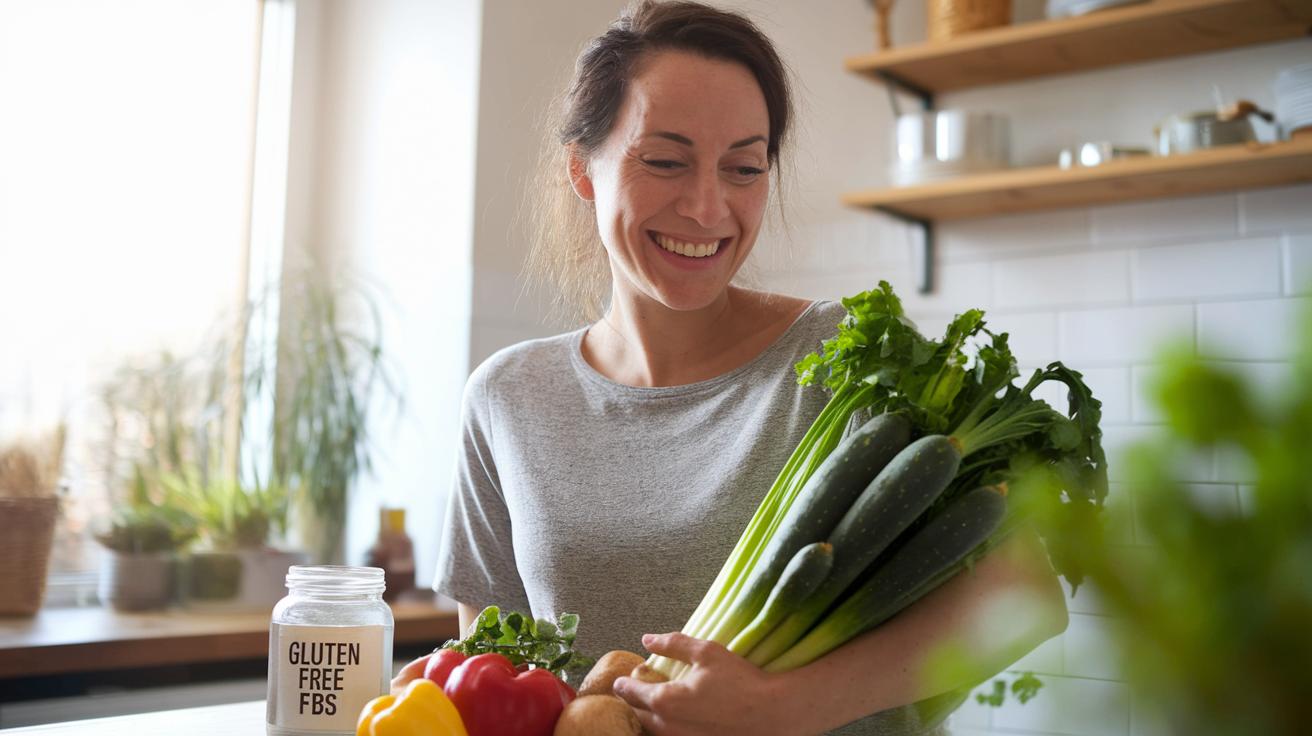
Ever wondered if dropping gluten could lift your mood and give you more energy? Many people are switching to a clean, whole foods diet while leaving processed items behind. This means choosing natural grains like rice and quinoa, paired with fresh fruits, veggies, and lean meats. Going gluten-free isn’t just about cutting out certain ingredients, it’s a simple way to step into a healthier lifestyle. In this post, we share how embracing whole foods might help you feel amazing each day.
Whole foods gluten free diet: Feel Amazing
Check food labels carefully to catch any hidden gluten. Stick with grains that are naturally safe, like rice, quinoa, buckwheat, and corn. Stay away from wheat, rye, barley, and triticale. Choose fresh fruits, vegetables, and unprocessed meats to keep each meal clean and simple. And take extra care in your kitchen to prevent gluten from sneaking in.
Gluten is a type of protein found in wheat, rye, barley, and triticale. If you have celiac disease or gluten sensitivity, avoiding these grains is key to feeling your best and keeping discomfort at bay. That means common items like breads, pastas, and cereals made from these grains should be off your menu.
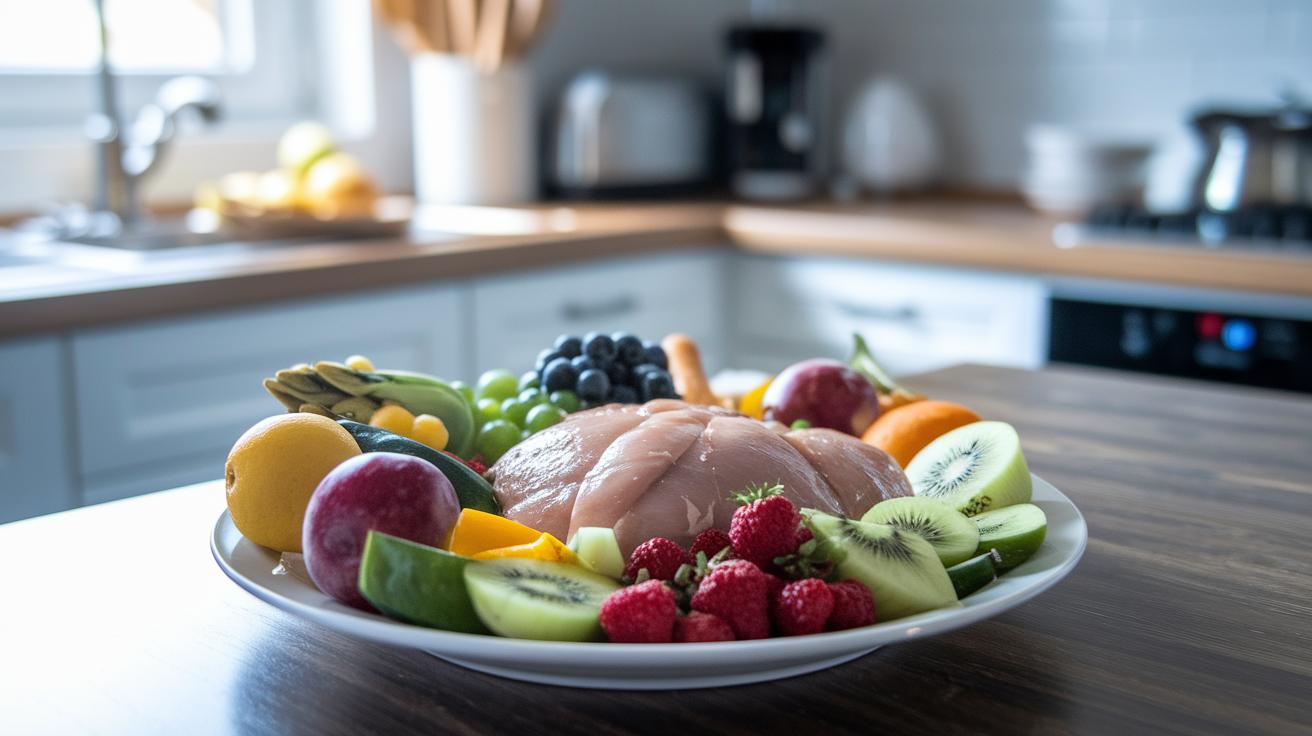
When you focus on whole foods, you choose ingredients that are close to their natural state, think fresh produce, unprocessed meats, dairy, and simple fats. Naturally gluten free options also include legumes along with the safe grains mentioned earlier. Loading your plate with these foods helps create a balanced, nutrient-rich diet that feels gentle and satisfying.
By cutting out gluten and embracing whole, natural foods, you form a diet that avoids harmful ingredients while keeping meals balanced with lean proteins, wholesome grains, and lots of fruits and vegetables. This practical approach to eating sets you up for a day of feeling amazing.
Core Whole Foods and Gluten Free Ingredients
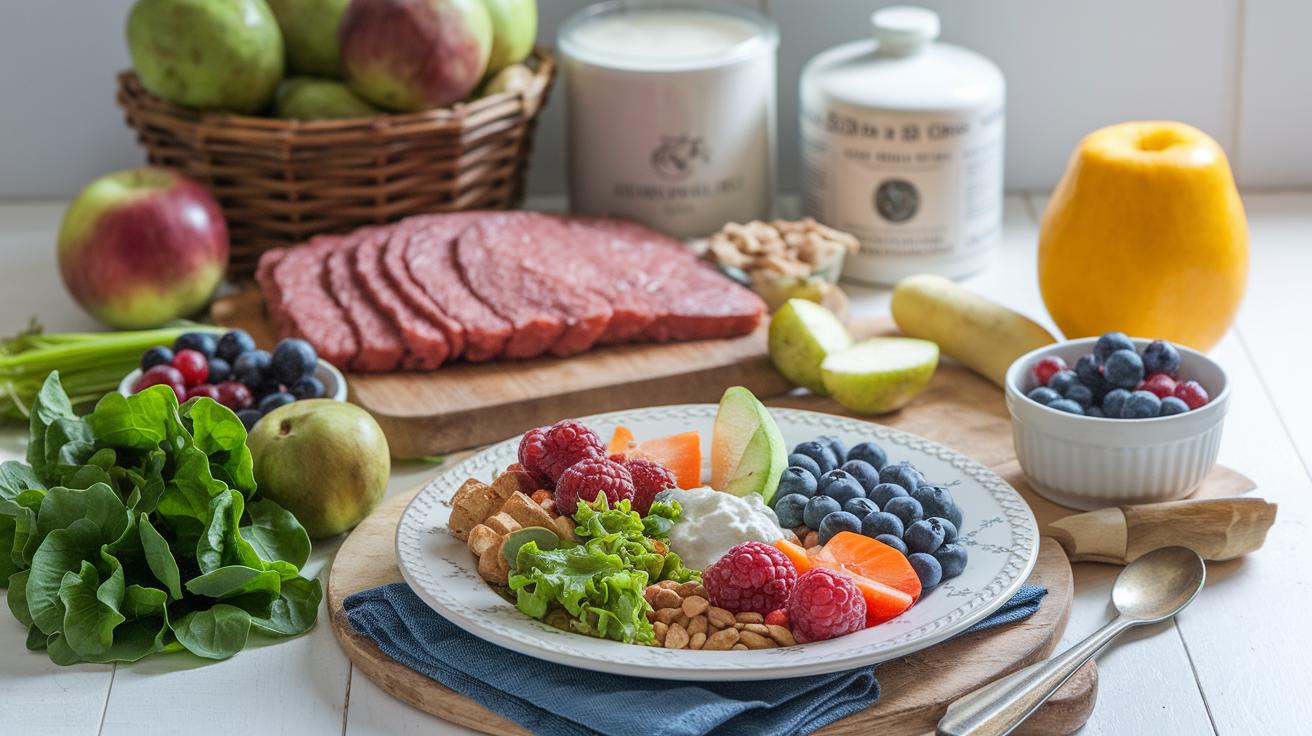
Using whole foods that are naturally gluten free means you enjoy vital vitamins, minerals, and protein from unprocessed ingredients. These foods help keep your energy steady, add fiber from beans and legumes, and offer protein from grains like quinoa. Plus, when you cook in a dedicated gluten-free space, planning meals becomes easier and safer.
- Fresh fruits (apples, berries, oranges)
- Fresh vegetables (leafy greens, broccoli, carrots)
- Frozen fruits and vegetables for convenience
- Unprocessed meats (chicken, beef, turkey)
- Dairy products without additives (plain milk, cheese, yogurt)
- Naturally gluten-free grains and seeds (rice, corn, millet, quinoa, buckwheat)
- Legumes (beans, lentils)
- Nuts and unflavored soy foods (tofu, tempeh)
Always check labels and use separate kitchen tools to keep your meals pure and free from hidden gluten.
Whole Foods Gluten Free Meal Planning Strategies
First, set simple nutritional goals for each meal. Choose a lean protein, a serving of healthy fats, plenty of fiber-rich veggies, and a naturally gluten-free grain. Think of your plate as a colorful palette where every section plays a part in keeping your energy up.
Next, prepare your kitchen for gluten-free meal prep. Use separate utensils, cutting boards, and storage containers just for gluten-free foods. This easy step helps prevent any hidden gluten from sneaking into your meals. A tidy workspace makes planning and cooking feel less stressful.
When you shop, stick to a list focused on fresh, seasonal produce, unprocessed meats, plain dairy, and a range of gluten-free grains. Always read labels, even on sauces and marinades, because gluten can hide in unexpected places. Organize your list by food type to make your trip smoother and quicker.
Finally, consider a week-long plan that includes three meals and two snacks daily. For instance, try protein-rich breakfasts with eggs or tofu scrambles, hearty quinoa salads with lean chicken for lunch, and vegetable-packed rice bowls for dinner. Add fruits and nuts as quick, on-the-go snacks. This balanced, flexible plan will help you enjoy steady energy and an overall sense of well-being throughout your week.
Flavorful Whole Foods Gluten Free Recipes
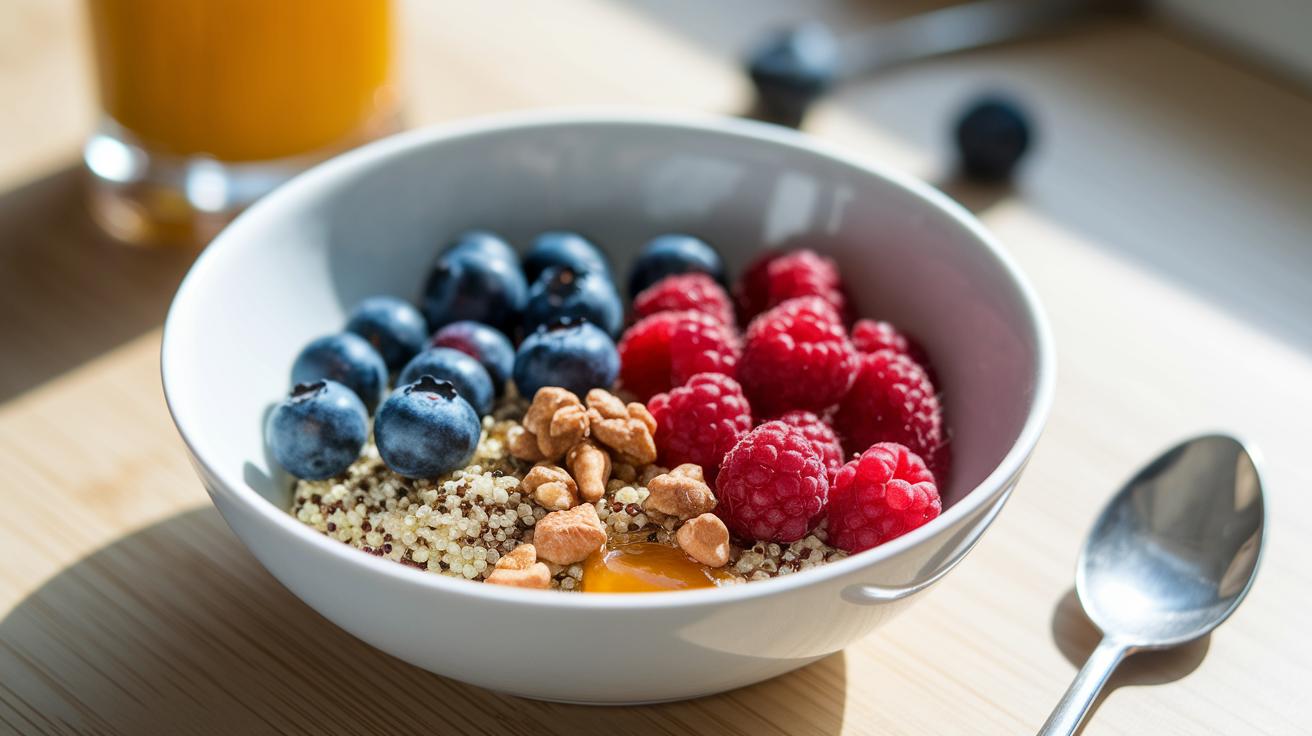
Berry Quinoa Breakfast Bowl
Brighten your morning with a bowl that blends light, crunchy quinoa with a mix of fresh berries and a drizzle of pure honey. First, rinse your quinoa well and cook it according to the package instructions. Let it cool just a bit, then toss in blueberries, raspberries, and sliced strawberries. Start with quinoa as your base, add the berries on top, and finish with a sprinkle of chopped nuts for extra protein. Always remember to clean your surfaces and utensils beforehand to keep things safe and gluten free.
Chickpea & Veggie Power Salad
Enjoy a colorful, refreshing salad that pairs tender chickpeas with crisp cucumbers and sweet cherry tomatoes. Rinse a can of chickpeas well, then mix them with chopped bell peppers and finely sliced red onions. Drizzle on a simple lemon-tahini dressing made from lemon juice, tahini, and a little water. This salad is quick to assemble and perfect for a family meal. Be sure to wash your produce and utensils before starting to keep your meal clean and safe.
Sweet Potato & Black Bean Chili
Warm up with a hearty chili that mixes roasted sweet potatoes with black beans and diced tomatoes. Cube your sweet potatoes and roast them until tender, then combine them with black beans and spices like cumin and paprika. Add a splash of vegetable broth and simmer the mixture, stirring often until it thickens into a rich, satisfying chili. Keep your prep area clean to avoid cross-contact and enjoy this comforting dish that highlights genuine whole-food, gluten-free cooking.
Quick Whole Foods Gluten Free Snack Ideas
Need a quick and healthy gluten-free snack? Try these easy ideas you can whip up in no time. Start with a simple mix of your favorite pre-packed fruits and nuts. They give you a burst of energy without any extra additives.
For another tasty option, spread mashed avocado on a rice cake and add a little squeeze of lime. The creamy avocado and crunchy rice cake make a great pair. Or dip fresh veggie sticks like carrots or celery into hummus for a smooth, satisfying treat.
When you're out shopping, look for stores that clearly label gluten-free prepared meals. Many markets now offer gluten-free hot bars and ready-to-eat items when you're in a hurry. Local gluten-free bakeries are also a good bet for breads, muffins, and mini treats made with almond or coconut flours. Always check the ingredient labels to spot any hidden additives or risks of cross-contact.
Comprehensive Gluten Free Grocery Guide for Whole Foods
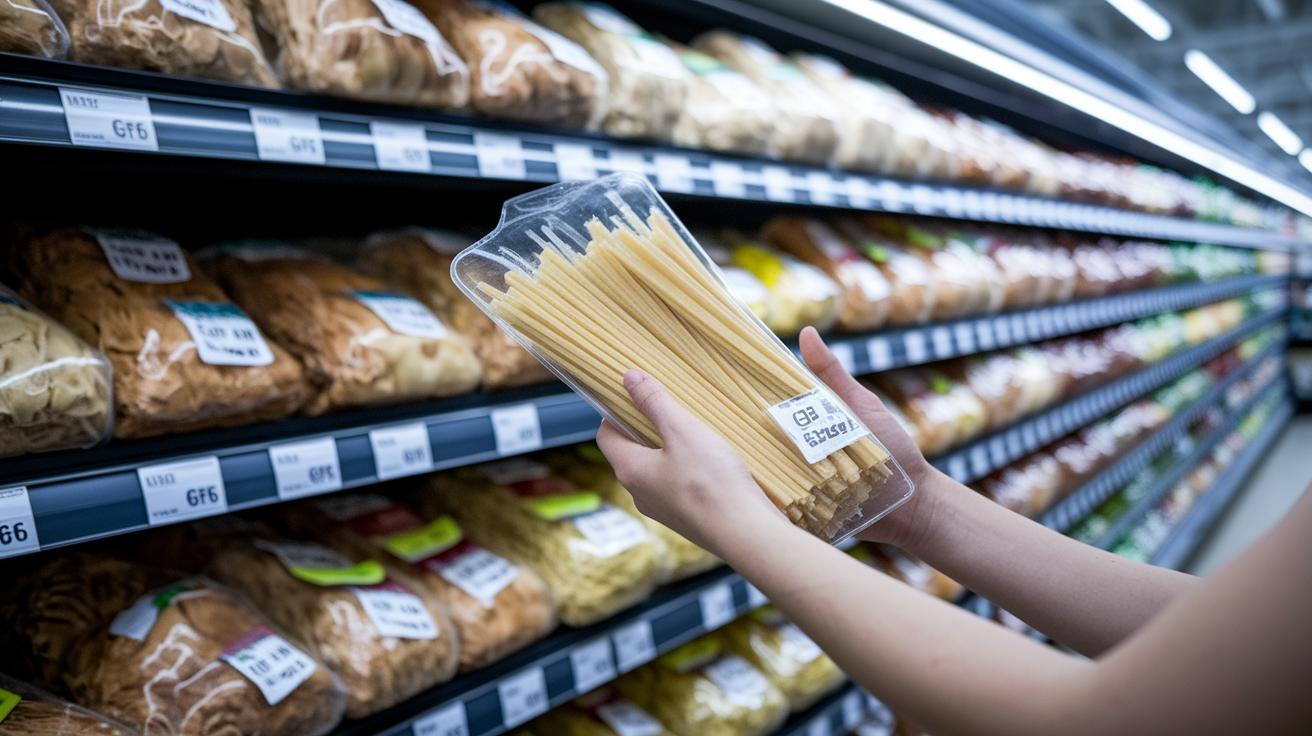
Shopping for gluten-free items at Whole Foods is made easier with clear labels and special sections. Stores often have a dedicated area where you can quickly find safe bread, pasta, and baking mixes. Look for GF symbols or certification marks and always check the ingredient list for hidden gluten in sauces, dressings, or flavored dairy. This simple method helps you stick to your gluten-free diet without any extra stress.
| Strategy | Tip |
|---|---|
| Check Certification | Look for GF symbols on packaged items |
| Read Labels | Review ingredients to spot hidden gluten additives |
| Visit Dedicated Sections | Shop in gluten-free zones for extra safety |
| Hot Bar Insights | Ask staff about how they prevent cross-contact |
| Seasonal Selections | Choose fresh, seasonal foods available in-store |
When eating out, make sure to ask restaurant staff about their gluten-free practices. Confirm if your meal is made in a separate area and check how they avoid cross-contact. These quick questions help ensure that your meal is both safe and delicious.
Advanced Whole Foods Gluten Free Baking Techniques
Gluten-free baking begins by choosing the right flours and binders. Try almond, coconut, or rice flour for a soft texture. Mix in a binder like xanthan gum or psyllium husk (a natural plant fiber that helps hold things together). Even a small amount of psyllium husk can change a crumbly cake into a tender treat.
For a simple homemade bread, give the four-ingredient gluten loaf a try. Blend almond flour, eggs, baking powder, and oil. This straightforward recipe satisfies your bread cravings and works well as a base for your favorite gluten-free spreads or toppings.
When using yeast in gluten-free dough, adjust the liquid to match the type of flour you choose. Let the dough rise a bit longer to build the structure it needs. Taking time during the proofing process keeps your bread light and airy instead of dense.
If you're in the mood for something sweet, explore dairy-free dessert ideas. Swap heavy cream with coconut cream in cakes and treats. This tweak lets you create rich, indulgent desserts that taste as good as they look, all while using whole-food ingredients.
Health Benefits of a Whole Foods Gluten Free Diet
Removing gluten can help lower inflammation and ease symptoms for people with celiac disease or gluten sensitivity. Cutting out wheat, rye, barley, and triticale lightens your digestive load and may reduce discomfort.
Many people report better digestion and an overall sense of well-being when they avoid gluten. Some research even shows that skipping gluten can lead to fewer digestive issues for those who are sensitive.
A whole foods gluten free diet gives you plenty of fiber, vitamins, minerals, and antioxidants. Fresh fruits, vegetables, and lean meats add essential nutrients that keep your body running smoothly and your energy steady.
Fiber-packed foods and plant-based proteins from legumes and safe grains support healthy digestion and sustained energy throughout your day. This simple switch can be a practical step toward better gut health and consistent energy.
Final Words
In the action, this post laid out simple steps and tips to build a whole foods gluten free diet. We broke down the basics: which grains to skip, the best naturally safe ingredients, balanced meal plans, quick snack ideas, and even advanced baking tricks. Each section offered a clear, bite-sized plan so you can make one change at a time.
Remember, every small choice adds up. Embrace these easy habits and enjoy the positive outcomes of a whole foods gluten free diet.
FAQ
What can I expect from a Whole Foods gluten-free bakery?
The Whole Foods gluten-free bakery offers a variety of breads, muffins, and pastries made with alternative flours and clearly labeled to avoid gluten exposure.
How do Whole Foods gluten-free prepared foods cater to dietary needs?
Whole Foods gluten-free prepared foods include ready-to-eat meals made with safe ingredients and prepared in dedicated areas to reduce the risk of cross-contact.
What resources provide a list of gluten-free foods and snacks for beginners?
Gluten-free guides and downloadable PDFs list safe grains, fruits, vegetables, nuts, and snack options, offering practical tips for newcomers to a gluten-free lifestyle.
What is available at the Whole Foods gluten-free hot bar?
The Whole Foods gluten-free hot bar features freshly cooked, warm items that are clearly marked as gluten-free, ensuring a safe and diverse meal option.
Which whole foods are naturally gluten-free?
Many fresh produce items, unprocessed meats, dairy, naturally occurring grains like rice and quinoa, legumes, and nuts are inherently gluten-free.
Does Whole Foods offer gluten-free options overall?
Yes, Whole Foods provides a broad range of gluten-free options across its bakery, prepared foods, and hot bar sections, meeting diverse dietary needs.
Why do some doctors caution against gluten-free diets?
Some doctors caution against unnecessary gluten-free diets because eliminating gluten without a medical need may lead to nutritional imbalances and missed essential components of a balanced diet.
Which grocery store is considered best for gluten-free products?
Many consider Whole Foods among the top grocery stores for gluten-free products, thanks to its extensive selection, clear labeling, and strict efforts to prevent cross-contact.
What changes might occur in your body when adopting a gluten-free diet?
Switching to a gluten-free diet can result in reduced inflammation, improved digestion, and increased energy as your body adjusts to avoiding gluten-containing grains.