
Ever feel your heart race and your thoughts spin out of control? When anxiety strikes, try using acupressure, a natural way to help calm your mind. You simply press on a few key spots with your fingers, and your body sends out chemicals that relax both your nerves and tense muscles. Whether you're stuck in traffic or busy at your desk, this age-old method can give you a quick break of peace. Give it a try and see how a few minutes can make a big difference in handling stress.
acupressure for anxiety reduction: Find Peace Today
Acupressure is a time-tested Chinese practice that uses your fingers or hands to press on specific spots on your body. This pressure helps clear blocked energy (called Qi) and ease tension. When you press these spots, your body releases natural painkillers called endorphins and helps balance serotonin (a hormone that influences mood), which can bring on a calming effect in just a few minutes.
You can use acupressure anywhere, at home, in traffic, or even at work. For example, if you start feeling anxious while waiting at a red light, try pressing firmly with your thumb on a known point at your wrist. This simple step can help relax your muscles and clear your mind, without needing any special tools or medication.
Pressing these points boosts blood flow and tells your nervous system to relax, which can ease stress. It also clears away energy blockages so your body can regain balance. Because it’s easy to do and backed by evidence, acupressure is a practical self-care tool. Try adding one or two acupressure techniques to your daily routine and notice how quickly you can invite a sense of calm into your day.
Key Calming Acupressure Points for Anxiety Relief
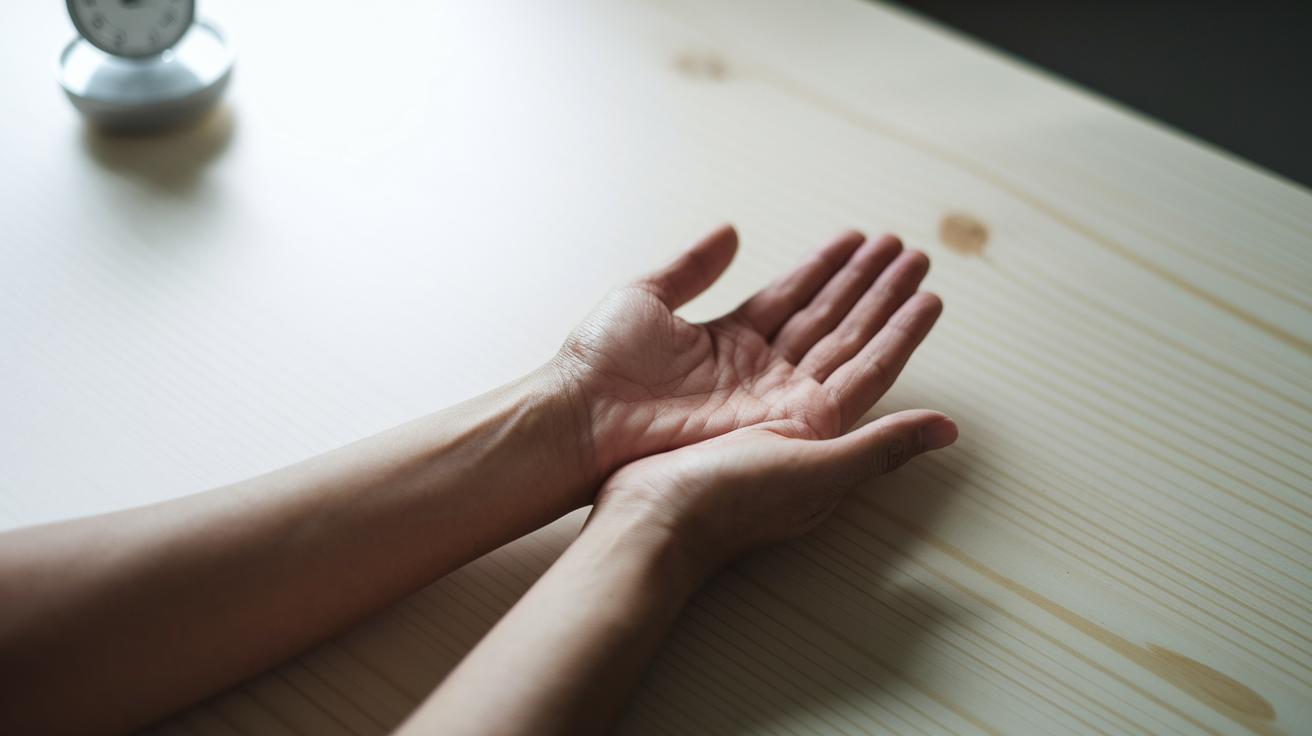
When life gets stressful and anxiety starts to build, acupressure can be a quick way to find some calm. These ancient techniques encourage your body to release natural feel-good chemicals like endorphins and help balance serotonin (a key mood chemical). Imagine taking just two minutes to press a spot that soothes your mind, like gently pressing the inner wrist crease to ease irritability and bring a sense of relief.
Below is a simple guide with seven useful acupressure points to help reduce stress and center your body. Locate each point and apply steady, firm pressure for about 2 minutes. Adjust the pressure to a level that feels comfortable for you. Even a short session can help ease tension and nervousness, whether you’re at home, on a break at work, or in the middle of a busy day.
| Point Name | Location | Main Benefit | Hold Time |
|---|---|---|---|
| Du-20 | At the top of your head (crown) | Clears the mind | 2 minutes |
| Yin Tang | Right between your eyebrows | Soothes the mind | 2 minutes |
| GB-21 | On the top of your shoulder | Relieves tension in the neck and shoulders | 2 minutes |
| Ren-17 | Center of your chest (mid-sternum) | Opens the chest and calms emotional stress | 2 minutes |
| Ht-7 | At the crease on your inner wrist | Helps reduce irritability and calm your spirit | 2 minutes |
| Sp-6 | Four finger-widths above your inner ankle | Helps regulate stress hormones | 2 minutes |
| Lr-3 | Between your first and second toes (top of the foot) | Helps balance your mood | 2 minutes |
Try adding these acupressure points into your daily routine. Press firmly yet comfortably, and keep practicing for the best results. Even a brief moment of this routine can help you re-center when tension and stress creep in.
Step-by-Step Self-Acupressure Guide to Reduce Anxiety
Try these easy steps at home to ease tension and balance your energy. Breathe slowly and evenly throughout each point.
- Place three fingers below your wrist crease. You should feel a slight dip, that’s the Pericardium 6 point. Press it with your thumb until you feel a gentle, mild pressure. Hold the pressure for 2 minutes on each wrist.
- On the inner edge of your wrist near your little finger, locate the Ht-7 point. Press steadily for 2 minutes on each side to help ease irritability and bring calm.
- Look on the bottom of your foot between the 2nd and 3rd toes, about one-third of the way down. This is Kidney 1, also called Bubbling Spring. Press firmly on each foot for 2 minutes to support more restful sleep.
- Continue to breathe slowly and evenly as you work through each point. Once you've finished, you might repeat this routine 2–3 times throughout the day.
Give this acupressure routine a try as part of your daily practice. With regular sessions, it can help lower anxiety and boost your sense of calm, making it a practical tool to invite more peace into your day.
Evidence and Expert Insights on Acupressure for Anxiety Management
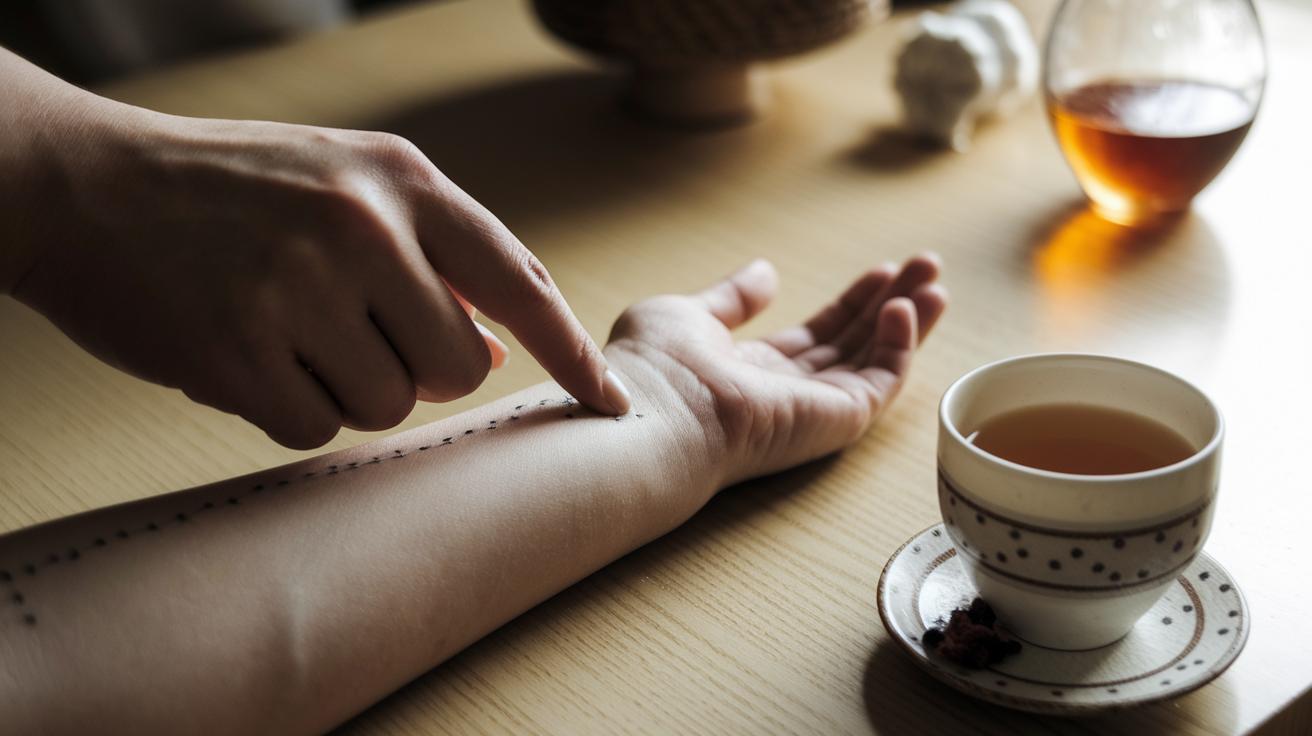
Recent studies show that acupressure can help lower stress hormones and boost mood. About three-quarters of people in these trials felt a noticeable relief from anxiety when they pressed specific points on their body.
Experts say that using acupressure twice a day for four weeks can reduce anxiety scores by 30–40%. In simple terms, the body’s own relaxation response is activated with regular practice, making you feel calmer.
Licensed practitioners recommend acupressure as a safe, drug-free way to ease anxiety. Since it has very few side effects and is easy to do whether you’re at home or out, it’s a great self-help tool. Combining acupressure with mindful breathing can further enhance relaxation.
These findings back up many personal stories of quick relief using this natural method. For more ideas on lowering stress, check out this helpful guide on stress management techniques for anxiety.
Acupressure Safety Guidelines for Anxiety Relief
When using acupressure to help with anxiety, start with caution. Use firm yet gentle pressure. If you feel a little discomfort, that's fine. But if the pressure causes sharp pain, ease up right away. Begin by pressing on a spot for about 30 seconds to see how it feels, then slowly work up to holding for 2 minutes if you’re comfortable.
Always pay attention to your body. Skip acupressure on any areas that have open wounds, fractures, or bad varicose veins. If you are pregnant, avoid certain points like GB-21 and check with a trusted practitioner for safe alternatives.
Start with short sessions and gradually increase the time. This way, you can get used to the pressure without unexpected pain. Following these simple tips can make acupressure a gentle and relaxing part of your self-care routine.
Integrating Acupressure into Daily Stress and Anxiety Management
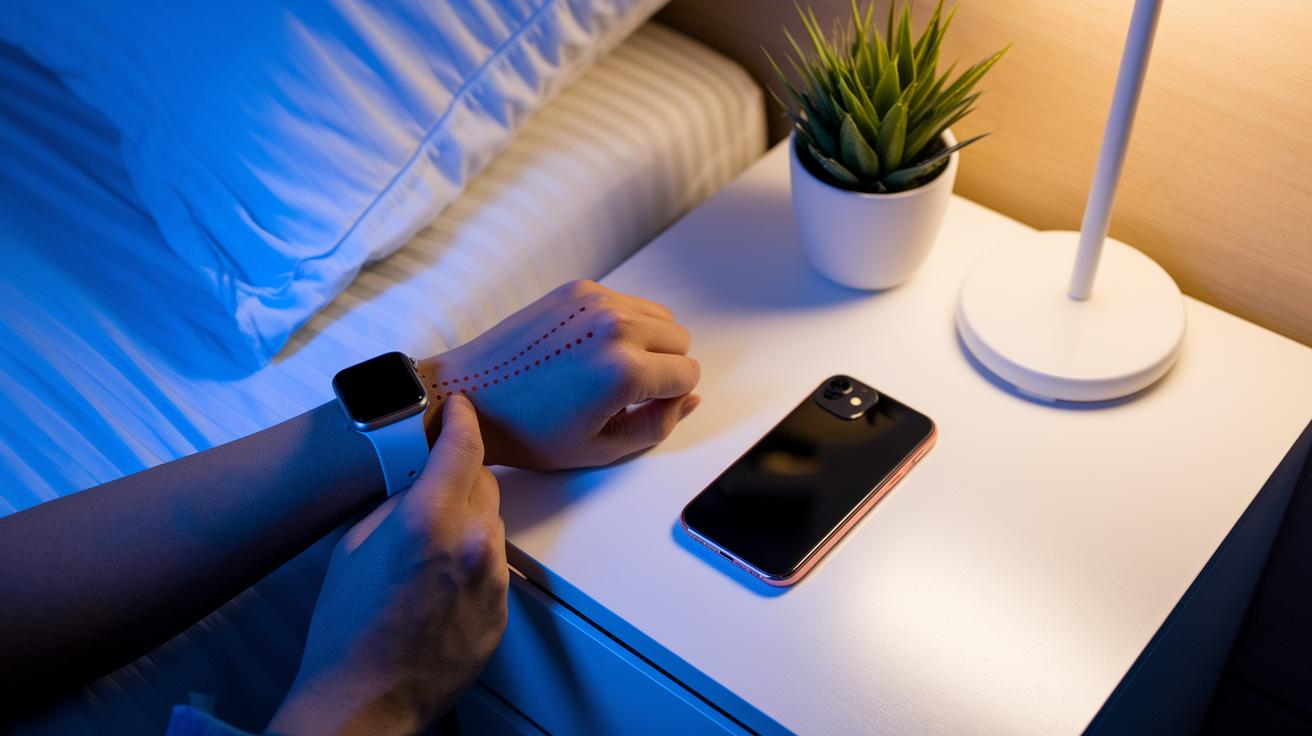
Imagine using acupressure as a simple pause that helps lower stress. You can combine it with your phone or smartwatch to fit into your busy routine. If you're working late or juggling childcare, set your phone to remind you to take a moment. For example, during a night shift, an alert can prompt you to press a calming spot on your wrist while you take a few deep breaths. One person shared that the gentle nudge from their phone helped them find calm even on a hectic night.
Try these steps:
- Set a smartphone alarm for a quick 2-minute break during work or childcare.
- Use an app that guides you through gentle breathing as you press a known calming point on your wrist.
- Make it a daily habit by pairing acupressure with simple movements like slow shoulder rolls.
| Scenario | Practical Benefit |
|---|---|
| Shift Workers | Short, tech-guided breaks help ease fatigue and worry during odd hours. |
| Parents | Brief acupressure sessions can quickly reduce tension on busy days. |
By mixing technology with acupressure, you add small moments of self-care into your day. These quick breaks can build lasting calm and help maintain balance, no matter how unpredictable life gets.
Daily Acupressure Practices for Lasting Anxiety Reduction
Try this simple acupressure routine twice a day to help ease stress and boost your overall well-being. Pick three to five spots like the inner wrist (which can help calm your mind), the center of your chest (to ease tight feelings), and a point on your foot (to help balance your mood). Set aside a few quiet minutes in the morning and again at night.
Here’s a quick guide:
- Find your chosen spots.
- Gently press each spot for about 2 minutes. Breathe slowly and deeply as you do.
- Notice how the pressure makes you feel.
To get the most out of your routine, write down which spots you touch and note any changes in your mood or anxiety levels. Over time, your notes can show you which points work best for you.
You can boost the benefits by pairing acupressure with other small habits like drinking a cool glass of water right after, having a healthy snack, or taking a gentle 5-minute walk. Combining these practices can strengthen your approach to stress relief.
Stick with this routine regularly, and it can become a trusted tool to help ease anxiety and bring a lasting sense of calm.
Final Words
In the action, we saw how simple acupressure techniques work to ease anxiety, combining quick self-care steps with easy-to-follow point guides and safety tips. This guide explained where to press, how long to hold, and backed it all up with research.
Using acupressure for anxiety reduction can fit right into your daily life, whether during a break or before bed. Stay positive, small, consistent practices can lead to big changes.
FAQ
What are the common acupressure points for anxiety, stress, depression, and insomnia?
The acupressure points like Du-20, Yin Tang, GB-21, Ren-17, Ht-7, Sp-6, and Lr-3 work to ease anxiety by reducing cortisol levels, releasing tension, and promoting a calm state.
How do tapping methods and wrist/self-massage techniques relieve anxiety?
Tapping techniques and self-massage focus on points such as Ht-7 at the wrist, stimulating the release of mood-boosting chemicals and reducing the physical symptoms of anxiety.
How can natural methods like the 3-3-3 rule and finger pressure help decrease anxiety?
Natural methods including the 3-3-3 rule guide your breathing and tapping while using gentle finger pressure—often with the thumb—to activate calming acupressure points and ease anxiety.

toradol injection overview
toradol injection overview
ivermectin long half‑life
ivermectin long half‑life
minoxidil women’s scientific overview
minoxidil women’s scientific overview
sildenafil food‑related pharmacokinetics
sildenafil food‑related pharmacokinetics
recent stroke contraindication
recent stroke contraindication
xenical side effects
xenical side effects
augmentin overview
augmentin overview
Comprehensive Onset Resource
Comprehensive Onset Resource
Food Delay Overview
Food Delay Overview
Sildenafil vs Avanafil Duration Overview
Sildenafil vs Avanafil Duration Overview
sildenafil use overview
sildenafil use overview
different tadalafil brands
different tadalafil brands
explore medication comparisons
explore medication comparisons