
Quick take: Looking for a simple way to boost your energy and feel balanced? Try a whole foods vegan plan.
Imagine starting your morning with a bright fruit bowl full of color and ending your day with a plate of hearty roasted veggies. This eating plan centers on foods that are full of life, vibrant fruits, crisp vegetables, whole grains, and legumes full of protein (think beans or lentils). Each meal works together to help you feel energized all day long.
Give it a try for a week and see how these nourishing dishes can change your everyday feeling.
Structured 7-Day Whole Foods Vegan Meal Plan Blueprint
This is a one-week guide to enjoying hearty, vegan meals made with whole foods. We focus on fresh vegetables, whole grains, hearty legumes, and nourishing nuts or seeds. Most of each dish, about 75%, comes from produce. This plan gives you plenty of energy and supports overall health.
-
Day 1
- Breakfast: Enjoy a tropical smoothie bowl made with banana, mango, and spinach. It’s a bright start full of vitamins.
- Lunch: Try a quinoa and black bean salad with crisp cucumbers and juicy tomatoes. It offers plenty of protein and fiber.
- Dinner: Savor a plate of roasted vegetables including sweet potatoes, broccoli, and carrots for a warm, fiber-rich ending to your day.
-
Day 2
- Breakfast: Start with an oatmeal bowl topped with fresh berries and chia seeds. This mix gives you whole grains and omega-rich seeds.
- Lunch: Warm up with a lentil and barley soup filled with kale and carrots. It’s a hearty bowl that nourishes you.
- Dinner: Stir-fry tofu with seasonal mixed vegetables over brown rice. This dish balances plant protein with energy-boosting carbs.
-
Day 3
- Breakfast: Blend a green smoothie with kale, apple, avocado, and rolled oats. It’s a tasty way to get healthy fats and fiber.
- Lunch: Enjoy a light chickpea salad with mixed greens and cucumbers for a burst of plant-based protein.
- Dinner: Relish a baked eggplant and tomato stack paired with quinoa. This meal is full of fiber and essential vitamins.
-
Day 4
- Breakfast: Sip on a berry smoothie made with blueberries, raspberries, and oat milk for a burst of antioxidants.
- Lunch: Fill up with a bowl of farro and roasted chickpeas mixed with spinach and red bell peppers, a great blend of grains and vegetables.
- Dinner: Enjoy a warming vegetable stew featuring lentils, carrots, and zucchini for a well-balanced meal.
-
Day 5
- Breakfast: Prepare overnight oats with almond butter, banana slices, and flax seeds for a satisfying start.
- Lunch: Dig into a black bean and corn salad mixed with creamy avocado and tomatoes. It’s colorful and full of protein and healthy fats.
- Dinner: Try a sweet potato and broccoli stir-fry with a hint of ginger. This vibrant dish is loaded with vitamins.
-
Day 6
- Breakfast: Have a smoothie bowl featuring papaya, spinach, and hemp seeds for a taste of the tropics and essential nutrients.
- Lunch: Enjoy a warm quinoa salad with edamame, kale, and shredded carrots, a balanced mix of grains and greens.
- Dinner: Savor a baked bell pepper stuffed with brown rice and mixed beans, a dish that offers plant protein and steady energy.
-
Day 7
- Breakfast: Start with a creamy chia pudding blended with mango and coconut milk for an omega-rich treat.
- Lunch: Dive into a barley and vegetable medley with a squeeze of lemon, perfect for a balanced, seasonal meal.
- Dinner: End the week with roasted cauliflower and lentils drizzled with tahini, a meal packed with fiber and flavor.
Key Nutrient Balance for a Whole Foods Vegan Diet
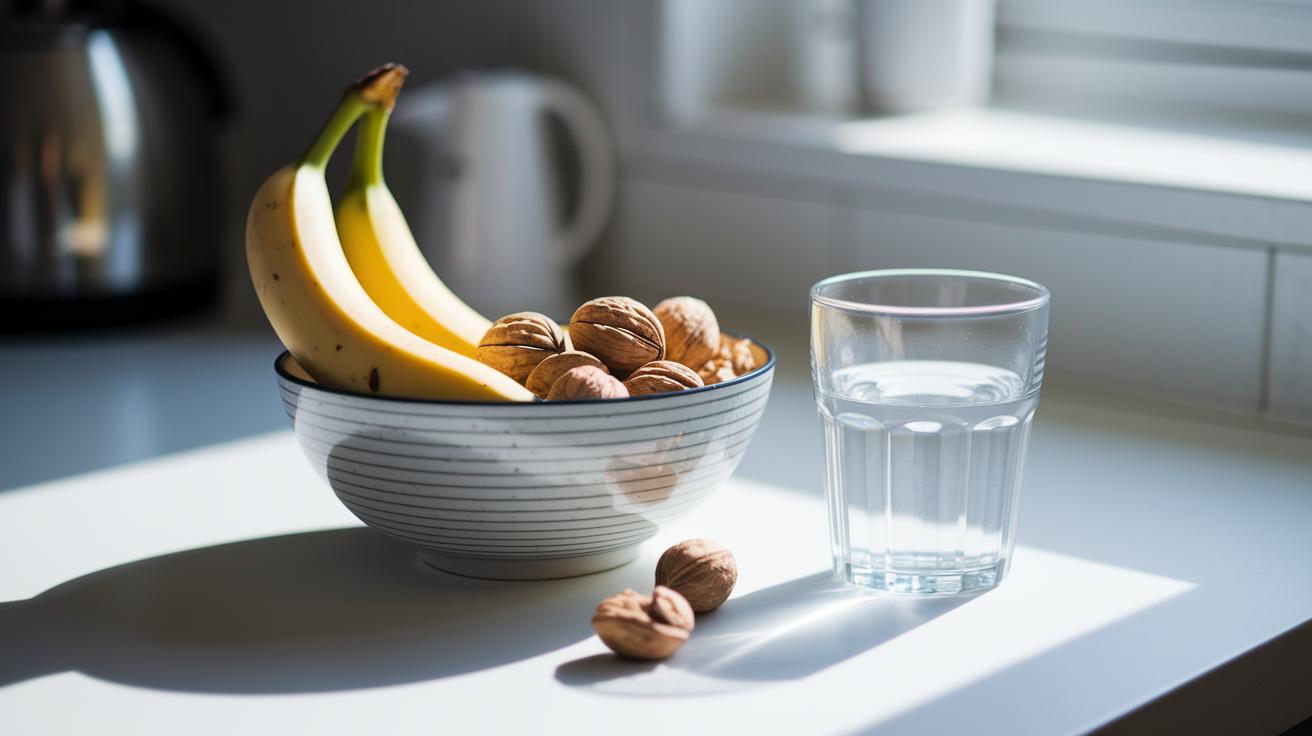
Try eating every 3-4 hours to help keep your energy steady. For example, a mid-morning snack like a banana with some walnuts can keep your blood sugar levels even.
Boost your nutrient absorption by pairing foods smartly. Mix foods rich in vitamin C with iron-rich choices, like adding a squeeze of lemon to a black bean salad, to help your body absorb more iron.
Combine legumes with whole grains to create a complete protein mix. Mixing beans with quinoa gives you all the essential amino acids. For instance, blend chickpeas with quinoa and a pinch of spices to support lean muscle.
For optimal digestion, plan your meals with balanced nutrients. Studies suggest that having carbohydrates, protein, and fats together in each meal helps you absorb more nutrients. Start with a bowl of rolled oats, chia seeds, and fresh berries to enjoy a steady energy boost throughout the morning.
Essential Ingredients for Your Whole Foods Vegan Meal Plan
Start with this friendly shopping list to kick off your whole foods vegan journey. Filling your kitchen with fresh, wholesome ingredients can make meal planning easier and boost your nutrition. Choose a rainbow of fruits, vegetables, whole grains, nuts, seeds, and protein-rich legumes. Whether you're new to plant-based eating or just updating your pantry, these basics set you up for balanced, satisfying meals.
| Category | Examples |
|---|---|
| Fruits & Vegetables | Cucumbers, carrots, apples, leafy greens, broccoli, mushrooms, berries |
| Whole Grains | Sweet potatoes, rolled oats, quinoa, millet, amaranth, sprouted grain bread |
| Nuts & Seeds | Raw almonds, walnuts, ground flax (grinded flaxseeds), chia, hemp, sunflower, pumpkin seeds |
| Legumes | Edamame, black beans, chickpeas, lentils, red kidney beans, pinto beans |
Meal Prepping Techniques for a Whole Foods Vegan Diet
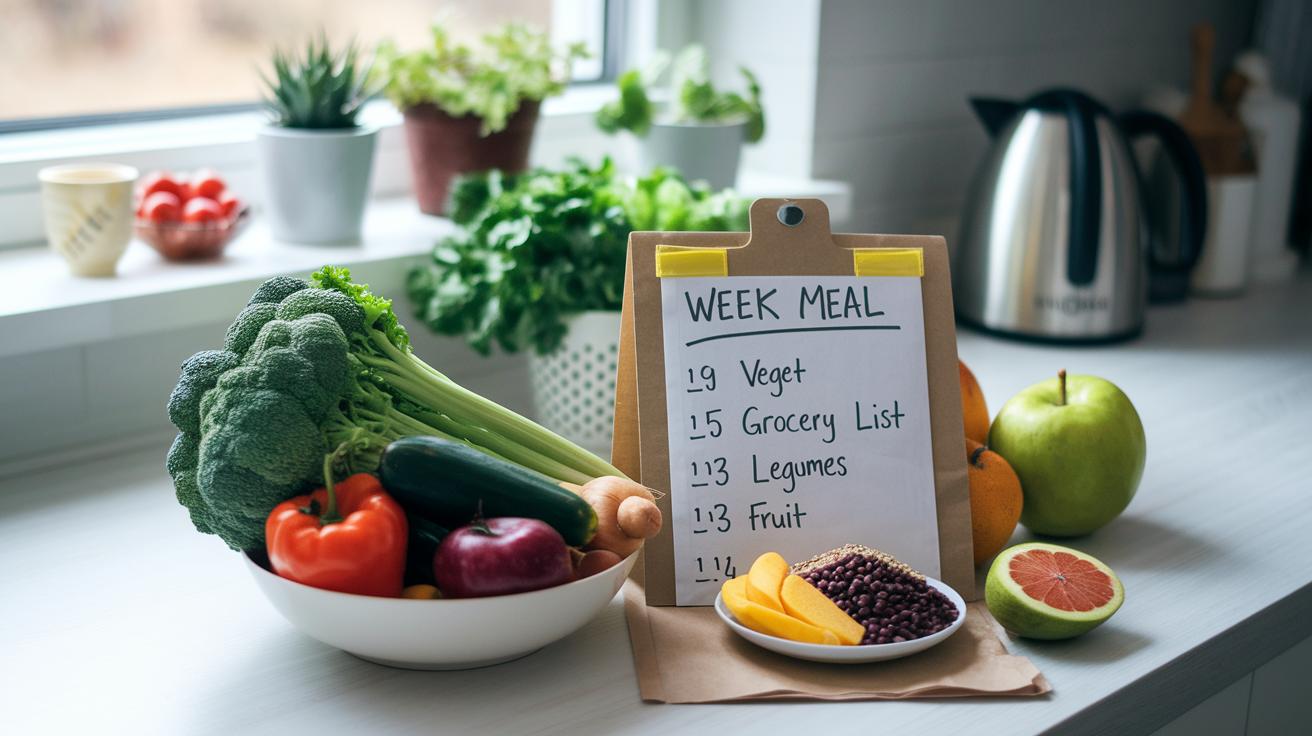
Start by setting aside time each week to plan your meals. Write out a clear grocery list focused on whole foods like fresh vegetables, whole grains, legumes, and fruits. This simple list helps you avoid impulse buys and keeps your kitchen stocked with nutrient-rich ingredients.
Take a few steps to batch-cook your staples. For example, wash and cut your vegetables and then roast or steam them all at once. Set aside an hour once a week, or use a lunch break, to cook grains like quinoa (about 1 cup, 240 ml) or brown rice, and even soak legumes. This upfront effort can save you time on busy weekday evenings.
Finally, blend meal prep into your everyday routine by checking your pantry first. Look at what you have, then plan easy meals that combine your prepped veggies, roasted legumes, and whole grains. This way, you can enjoy a healthy whole foods vegan meal in just minutes, even on your busiest days.
Nutrient-Dense Vegan Recipes in Your Whole Foods Meal Plan
Discover three delicious recipes that celebrate whole, plant-based foods and pack a balanced nutritional punch. We’re talking fresh veggies, hearty grains, protein-rich beans, and a mix of spices to keep you energized all day.
Super Green Smoothie
Blend together a handful of fresh kale, a generous handful of spinach, one ripe banana, a cup (240 ml) of almond milk, and a sprinkle of chia seeds. The banana adds natural sweetness while the chia seeds boost iron and vitamin C. Enjoy this quick, refreshing drink loaded with antioxidants and minerals for a bright start to your day.
Hearty Quinoa & Black Bean Bowl
Cook quinoa until it’s light and fluffy. Then, mix it with black beans, small diced roasted sweet potato, and add slices of creamy avocado. The sweet potato and black beans bring in protein and fiber, while the avocado delivers healthy fats for a balanced meal. This bowl is a satisfying mix of flavors and nutrients that fuels you from within.
Fiber-Packed Lentil Stew
Start by sautéing chopped carrots and celery in a pot until they’re just soft. Next, add red lentils, diced tomatoes, and a pinch of your favorite herbs and spices. Let everything simmer until the lentils are tender and rich flavors develop. This comforting stew supports your digestion and provides steady energy for whatever comes your way.
Budget-Friendly Shopping Tips for Your Whole Foods Vegan Diet
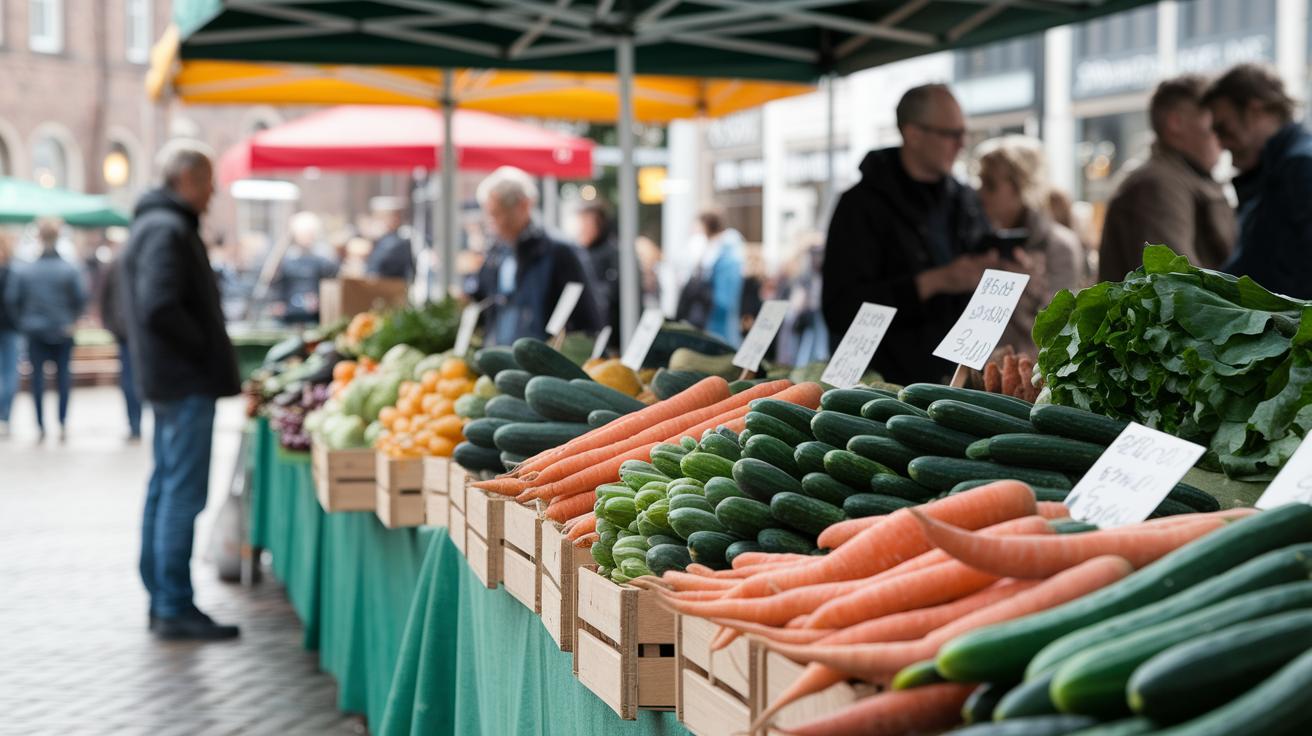
Start by choosing seasonal and local produce. Fresh fruits and veggies like cucumbers, carrots, and leafy greens taste great and save you money. Look for items with five ingredients or less to keep your meals simple and affordable. Shopping at farmers' markets during peak season also helps you avoid costly, out-of-season produce and processed foods.
Consider buying in bulk to stretch your budget even further. Pick up grains, legumes, and nuts from bulk bins. Stock up on essentials like rolled oats, quinoa, and beans, nutrient-rich foods that keep you going. Making a detailed grocery list based on your planned meals can help you avoid impulse buys. This way, you stick to whole foods, keep costs down, and always have ingredients on hand for a healthy dish every day.
Adapting and Customizing Your Whole Foods Vegan Meal Plan
Try swapping seasonal fruits, vegetables, and grains based on what’s fresh and what you enjoy. When berries or leafy greens are at their peak, add them to your recipes for a tasty burst of flavor and extra nutrients. For instance, using summer zucchini instead of winter squash can brighten your meal and keep things interesting.
Change your portion sizes or add a healthy snack if you need more energy or are working toward a weight goal. If you have a busy day or a lot of activities planned, consider an extra serving of whole grains or a small handful of nuts between meals. Planning these little changes ahead of time helps you stay balanced without feeling overwhelmed.
If you have dietary restrictions, don’t hesitate to swap out grains or legumes to meet your needs, like choosing gluten-free or low FODMAP options. You can even rely on ready-made meals when time is short. This flexible approach makes it easier to enjoy a plan that fits your lifestyle and personal taste.
Final Words
In the action of creating a whole foods vegan diet meal plan, the guide laid out a clear recipe for balanced eating. We uncovered a 7-day meal schedule, explored nutrient balance, highlighted essential ingredients, and shared time-saving meal prep steps. Each section offered simple, actionable ideas you can try today. The plan also gave smart budgeting tips and ways to tweak your meals to meet your unique tastes. Remember, every small change can lead to big improvements in your daily health. Keep moving forward and enjoy the positive steps ahead.
FAQ
Where can I find a free whole foods vegan diet meal plan PDF?
The free meal plan PDFs provide a 7-day schedule featuring balanced recipes for breakfast, lunch, and dinner that emphasize fresh produce, grains, and legumes, sometimes designed to support weight loss.
Where can I get a 30-day plant-based diet plan?
The 30-day plant-based diet plan offers a structured guide with daily whole food meals, helping you develop healthy eating habits with nutrient-rich recipes.
What does the 30 30 30 rule for vegans mean?
The 30 30 30 rule for vegans suggests dividing your plate so roughly 30% is fruits and vegetables, 30% is whole grains, and 30% is protein sources like legumes and nuts, with a small balance for healthy fats.
What is the 3-3-3 rule for eating?
The 3-3-3 rule for eating encourages having 3 meals a day, each including 3 key food groups—fruits/vegetables, whole grains, and proteins—to support consistent energy and nutrition.
Does Whole Foods offer prepared vegan meals?
The prepared vegan meals at Whole Foods feature plant-based ingredients, though availability may vary by store location and season.
How can I eat whole foods as a vegan?
Eating whole foods as a vegan means focusing on fresh fruits, vegetables, whole grains, legumes, and nuts while steering clear of processed foods and added sugars for a balanced, nutrient-dense diet.

