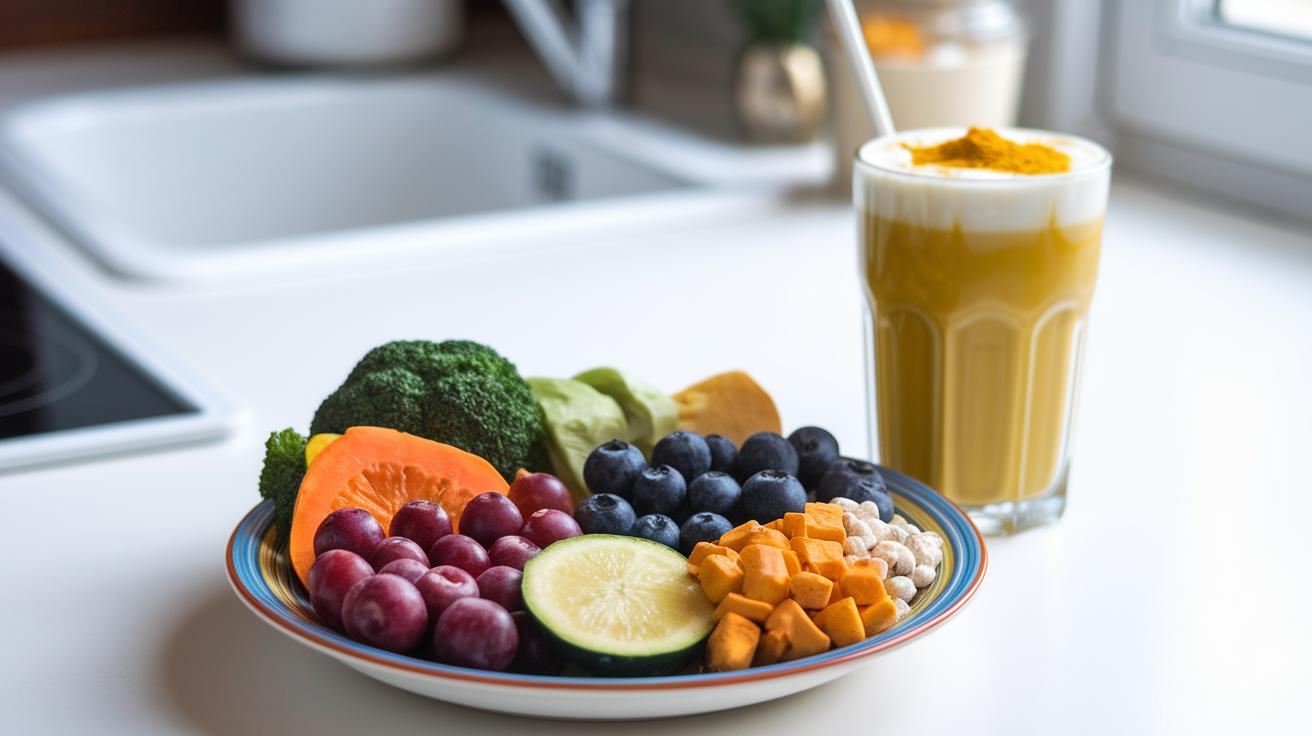
Ever wonder why you feel slow after a meal? It might be your body handling inflammation. Try switching to whole foods. Fresh fruits, crisp vegetables, hearty whole grains, and fish rich in omega-3 fats can help calm inflammation (your body’s reaction to stress) and boost your energy. Imagine a colorful plate that resets your body’s natural defenses and leaves you feeling more vibrant. Give it a try and see how a small change can brighten your day.
Principles of a Whole Foods Anti-Inflammatory Diet
Eating whole, unprocessed foods may help lower inflammation in your body. When you choose nutrient-packed options like fresh fruits, colorful vegetables, fatty fish, and whole grains, you're giving your body the tools to keep chronic inflammation in check.
Picture a plate filled with vibrant berries, crisp greens, and a piece of grilled salmon. Each item works to soothe inflammation and support your natural defenses. This way of eating focuses on foods that help calm your immune system while avoiding those that might trigger unwanted reactions.
Focusing on the right food groups can help you feel bright and energized from the inside out. It’s not only about adding healthy choices but also about reducing triggers such as added sugars, trans fats, and refined carbohydrates.
Here are five simple ideas to guide your meals:
- Choose whole fruits and vegetables to grab natural antioxidants.
- Include fatty fish, nuts, and seeds for omega-3 fats that are known to help fight inflammation.
- Pick whole grains instead of refined carbs for a steadier energy release.
- Limit added sugars and processed foods, which can sometimes spark inflammation.
- Use natural spices like turmeric and ginger to add flavor and extra health benefits.
This approach takes cues from trusted patterns, like the Mediterranean and DASH diets, that shift you away from processed foods toward nutrient-rich meals. For a deeper dive, consider looking at the Anti-Inflammatory Diet guidelines from Harvard T.H. Chan School of Public Health.
Top Whole Food Ingredients for Fighting Inflammation
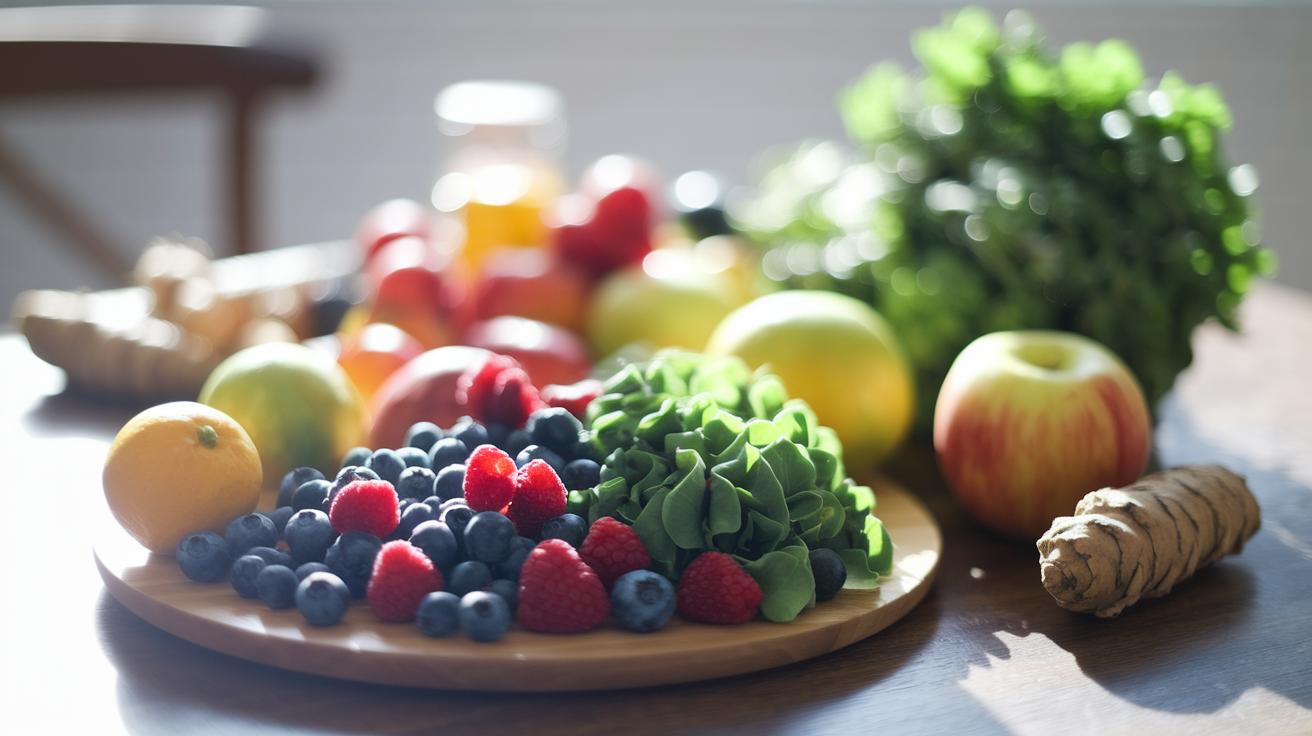
Fruits and vegetables are packed with natural antioxidants (like flavonoids, carotenoids, and phenolic acids) that help guard your cells from damage. Think of biting into fresh berries, leafy greens, or a crisp apple as giving your body a small, natural shield.
One study of 85,000 older adults found that those who enjoyed flavonoid-rich foods, such as black tea, citrus fruits, berries, and apples, tended to be less frail and felt better both physically and mentally. This shows that adding these whole foods to your meals can be a tasty, easy way to boost your health.
Superfoods like turmeric are especially powerful when paired with black pepper, which can help your body absorb curcumin (the healthy part of turmeric) much more effectively. Also, using about 2 tablespoons (30 ml) of extra virgin olive oil each day may support heart health, and a mix of nuts and seeds gives you healthy fats that help lower inflammation.
Avoiding Pro-Inflammatory Foods in a Whole Foods Diet
Some foods can trigger inflammation in your body. Extra sugars, trans fats from frying or baking, refined carbs like white bread and pastries, and oils high in omega-6 (like corn oil) can set off inflammation. Even processed meats with additives add to the problem. Research shows that eating these in moderation can boost inflammation markers in just a few weeks.
A simpler way is to pick whole foods. Instead of soda, try water with a slice of lemon or some fresh fruit. Choose whole grains, such as brown rice or whole wheat, over refined flours. For protein, opt for fish or poultry and add a handful of leafy greens to your meal. For example, try a bowl with 1 cup (195 g) of brown rice, a generous handful of spinach, a piece of grilled chicken, and a drizzle of olive oil. This meal can help lower inflammation while keeping your nutrition balanced.
Structuring Meals: Meal Planning for a Whole Foods Anti-Inflammatory Diet
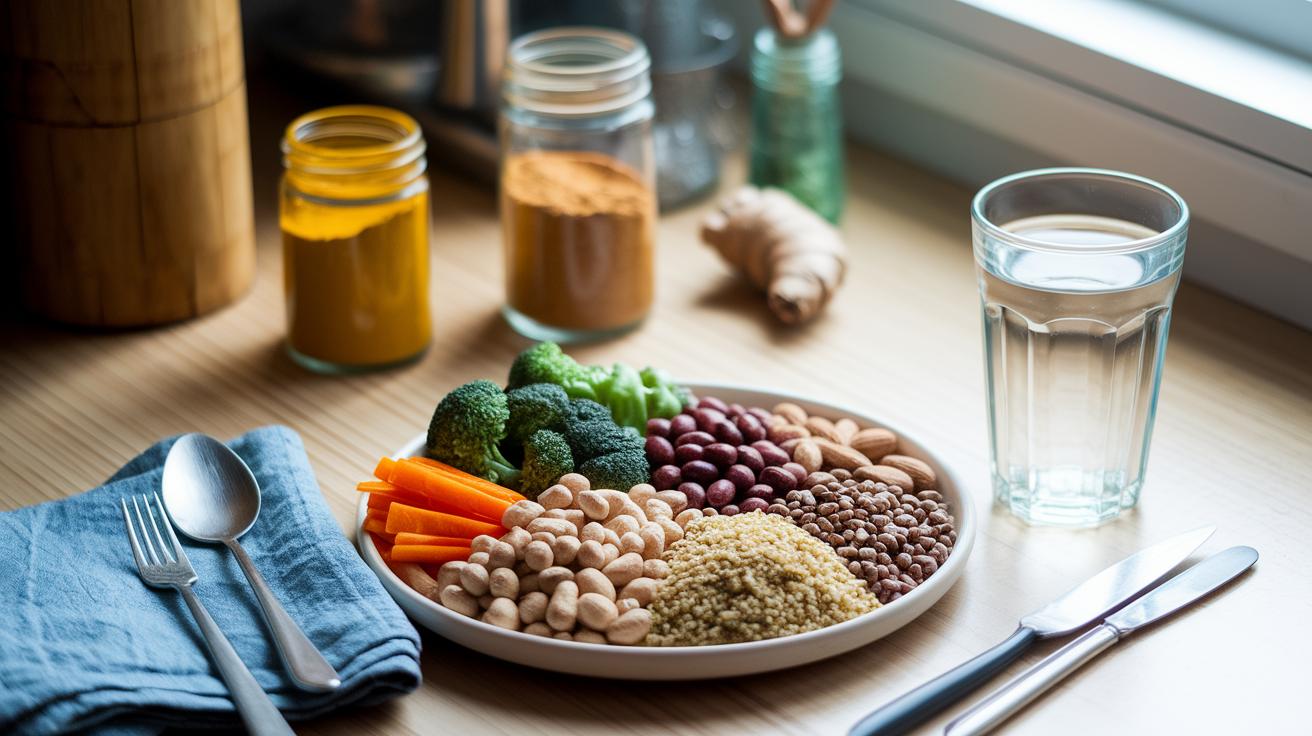
Meal planning is a simple way to set up balanced meals that naturally support your body. Using whole foods like fresh vegetables, legumes, and whole grains can boost your fiber and help your body handle inflammation better. Add healthy fats from nuts, seeds, or fatty fish, and bring in anti-inflammatory spices such as turmeric, ginger, and cinnamon for extra flavor and support.
A daily meal plan with clear timing and portion control might help keep inflammation in check while boosting your overall wellbeing. Use this sample schedule as a starting point to build your own inflammation-relief routine.
| Meal | Example Ingredients | Key Benefits |
|---|---|---|
| Breakfast | Oatmeal with berries, flaxseeds, and a dash of cinnamon | Gives antioxidants, fiber, and steady energy |
| Lunch | Quinoa salad with mixed greens, chickpeas, avocado, and a lemon-tahini drizzle | Boosts fiber, offers healthy fats, and is full of vitamins |
| Dinner | Grilled salmon with steamed broccoli and brown rice, finished with turmeric and black pepper | Delivers omega-3 fats, anti-inflammatory nutrients, and lasting energy |
| Snack | Apple slices with almond butter and a hint of ginger | Quick energy with natural compounds that fight inflammation |
Using spices like turmeric, ginger, and cinnamon not only lifts the taste but also ramps up the anti-inflammatory benefits. Drinking plenty of water or herbal teas helps move nutrients through your body easily. Keeping portions in check can also help manage blood sugar and inflammation. Try this plan as a simple step toward a balanced, energized, and inflammation-controlled life.
Whole Food Recipes for Inflammation Control
Anti-Inflammatory Berry Smoothie
Start your day with a bright, antioxidant-rich blend. In a blender, combine 1 cup of mixed berries (blueberries, strawberries, raspberries), a handful of leafy greens (spinach or kale), 1 tablespoon of flaxseeds, and 1 cup of water or unsweetened almond milk. Blend until smooth. This simple drink gives you a natural boost to help ease inflammation.
Leafy Greens and Nut Salad
Mix together 2 cups of your favorite leafy greens (such as arugula, spinach, and romaine) with 1/2 an avocado, sliced, and 1/4 cup of walnuts. Toss everything with a citrus vinaigrette made from the juice of half a lemon, a small drizzle of olive oil, and a pinch of salt and pepper. This salad is light, refreshing, and packed with nutrients that support a healthy inflammatory response.
Turmeric Salmon with Roasted Vegetables
For a hearty, balanced meal, season one salmon fillet with 1/2 teaspoon of turmeric (a spice known for its anti-inflammatory properties) and a pinch of black pepper (which helps absorb the turmeric). Bake at 400°F (200°C) for 12–15 minutes until the salmon is cooked through. Serve your salmon with a generous side of roasted vegetables like broccoli, carrots, and bell peppers, lightly drizzled with extra virgin olive oil. This dish is designed to support heart health and manage inflammation in a tasty, satisfying way.
Scientific Evidence for a Whole Foods Anti-Inflammatory Diet
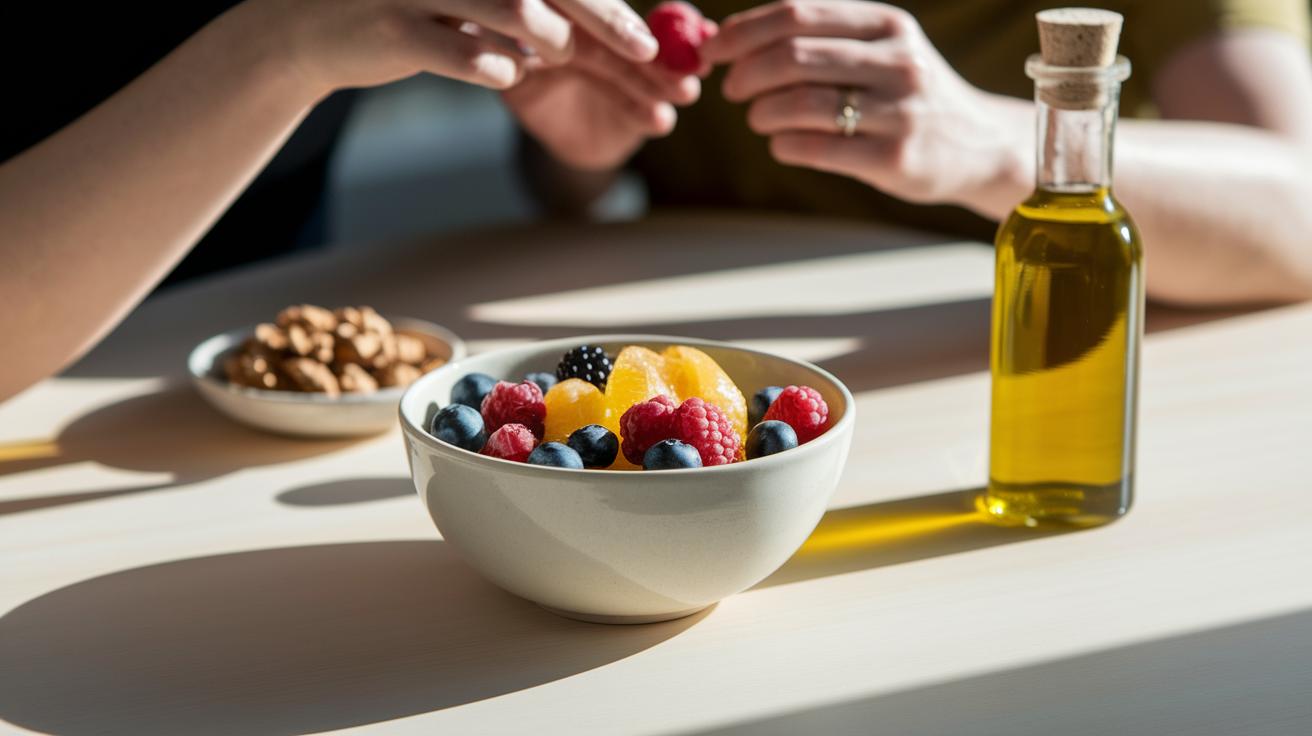
Switching to a whole foods diet might help reduce inflammation in just 2 to 3 weeks. Research like the Flavonoid Study (Journal of Nutrition) shows that nutrient-rich foods such as black tea, berries, citrus fruits, and apples boost physical and mental health while keeping inflammation in check. For example, try replacing a sugary snack with a bowl of mixed berries at breakfast to get antioxidants that help calm your body.
Whole foods also bring healthy fats into your diet. Omega-3 fatty acids from fish, flaxseeds, and walnuts (fats known to fight inflammation) are linked with lower risks of heart disease, diabetes, liver issues, and some cancers. This powerful combination from whole foods is something you just can’t match with supplements alone.
Maintaining a Long-Term Whole Foods Anti-Inflammatory Lifestyle
Plan your grocery trips around nutrient-rich whole foods and seasonal produce. Try exploring what each season has to offer, fresh summer berries, crisp autumn apples, or hearty winter greens. This small change helps your body gain a range of antioxidants and vital nutrients throughout the year.
Slow down and really enjoy each bite when you eat. Focus on the flavors and textures, and notice how different foods make you feel. This simple practice may help curb cravings, boost your gut health, and keep your energy steady, making healthy eating feel natural and enjoyable.
Instead of trying to change everything at once, take small steps that add up over time. Swap one meal at a time or add one extra glass of water daily. Even a mindful snack can help you ease into a lasting, anti-inflammatory diet, even when life gets busy.
Final Words
In the action, we reviewed key strategies for a whole foods anti inflammatory diet. We looked at incorporating fruits, vegetables, whole grains, and healthy fats while ditching foods that spike inflammation. You saw how guided meal planning, easy recipes, and science-backed evidence combine to support lasting habits. Small, steady changes make a big impact on your well-being. Keep these simple steps in mind and enjoy a healthier, balanced lifestyle each day.
FAQ
Q: What is a 21 day anti inflammatory diet?
A: The 21 day anti inflammatory diet focuses on whole, unprocessed foods that naturally lower inflammation. It often includes a detailed PDF guide to help you plan meals and track improvements over a short period.
Q: What are anti inflammatory foods?
A: Anti inflammatory foods are natural items like fruits, vegetables, fatty fish, and whole grains that help calm inflammation. They offer antioxidants and nutrients that support a healthier immune response.
Q: What is the #1 most anti-inflammatory food?
A: The most anti-inflammatory food is often extra virgin olive oil due to its high level of healthy fats and antioxidants. It naturally reduces inflammation and supports heart health.
Q: Does eating whole foods help with inflammation?
A: Eating whole foods helps with inflammation by providing clean, nutrient-rich ingredients that reduce oxidative stress. This balanced approach can lower chronic inflammation and promote overall well-being.
Q: What is a good grocery list to reduce inflammation?
A: A good list includes colorful fruits, leafy vegetables, fatty fish, nuts, whole grains, and extra virgin olive oil. These items are packed with antioxidants and healthy fats that support an inflammation-lowering diet.
Q: What is the best diet to get rid of inflammation in the body?
A: The best diet focuses on whole, unprocessed foods similar to the Mediterranean or DASH diets. It helps reduce inflammation naturally by emphasizing nutrient-dense fruits, vegetables, lean proteins, and healthy fats.
Q: What are anti inflammatory meals?
A: Anti inflammatory meals combine ingredients like leafy greens, berries, whole grains, and lean proteins with spices such as turmeric and ginger. These meals work together to reduce inflammation while offering balanced nutrition.
Q: How does the Mediterranean anti inflammatory diet work?
A: The Mediterranean anti inflammatory diet works by emphasizing fruits, vegetables, healthy fats, and lean proteins. Its focus on antioxidants and balanced nutrients helps lower inflammation and improves overall health.