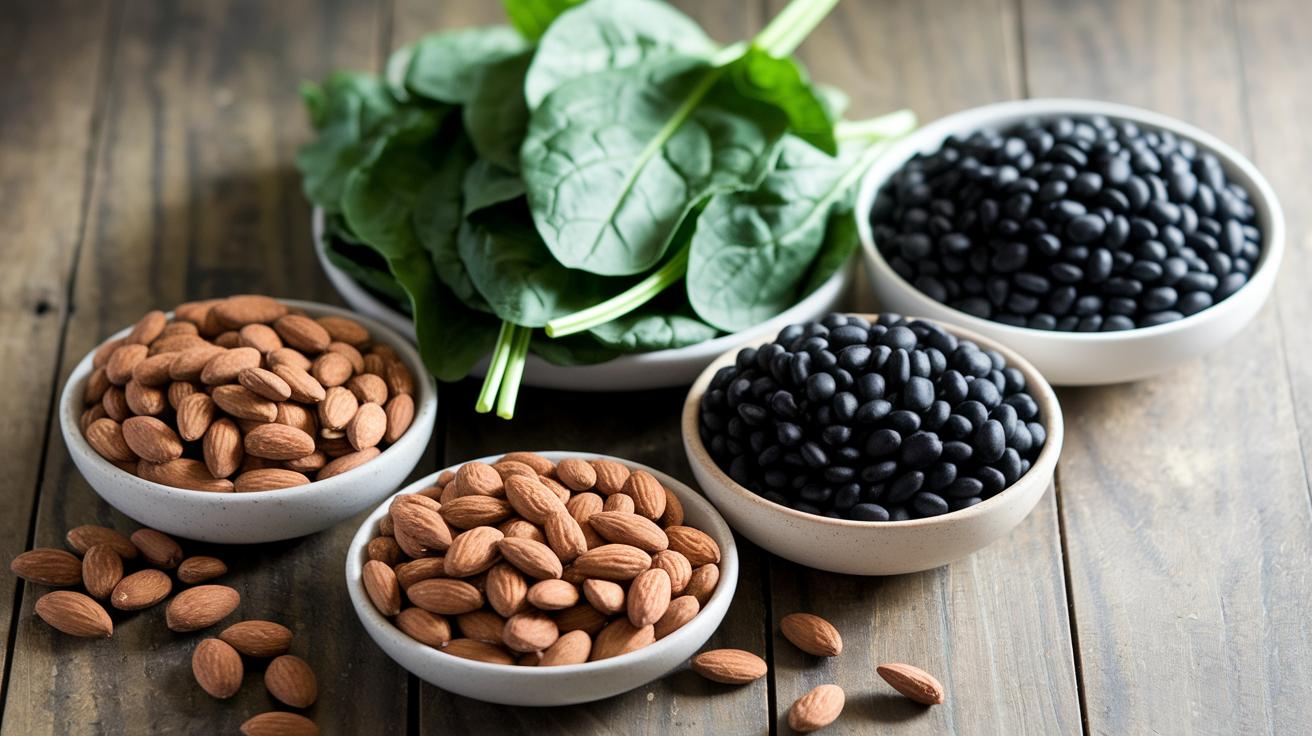
Ever wonder why you sometimes still feel tired even when you eat well? Often, it comes down to missing one key nutrient: magnesium. This important mineral helps over 300 body functions, from making energy to keeping your cells in balance. When you eat whole, plant-based foods, you also gain extra nutrients that boost magnesium’s benefits. In this post, we’re sharing tasty, easy-to-find sources of magnesium so you can feel more energized and balanced every day.
Top Whole Food Sources of Magnesium
Magnesium plays a key role in over 300 body processes. It helps with energy, builds DNA, and keeps cells working well. When you choose whole, plant-based foods, you get magnesium along with other nutrients that boost its absorption. Foods like leafy greens, nuts, seeds, legumes, and whole grains also add potassium and calcium, which can help maintain healthy blood pressure, as seen in studies like the DASH trial.
Leafy greens such as spinach and Swiss chard are great sources of magnesium and also provide antioxidants and vitamins that support heart and overall health. Nuts like almonds and cashews make for a tasty snack while supplying healthy fats and protein. Pumpkin seeds pack a powerful magnesium punch along with other minerals. Legumes such as black beans offer fiber and the steady energy you need during the day. Meanwhile, foods like quinoa and avocado deliver balanced nutrition to help you meet your daily magnesium needs.
| Food | Category | Magnesium per Serving (mg) | Serving Size |
|---|---|---|---|
| Spinach | Leafy Green | 79 | 1 cup cooked (180 g) |
| Swiss Chard | Leafy Green | 150 | 1 cup cooked (175 g) |
| Almonds | Nut | 80 | 1 oz (28 g) |
| Cashews | Nut | 74 | 1 oz (28 g) |
| Pumpkin Seeds | Seed | 150 | 1 oz (28 g) |
| Black Beans | Legume | 60 | 1/2 cup cooked (86 g) |
| Quinoa | Whole Grain | 60 | 1 cup cooked (185 g) |
| Avocado | Fruit | 58 | 1 medium (150 g) |
Key Health Functions of Magnesium from Whole Foods

Magnesium is essential for your body. It helps support over 300 chemical reactions every day. For example, it works with enzymes (helpers in your body) to create energy and build your DNA, keeping you active and strong. It also helps muscles relax by balancing calcium (which makes muscles contract), so you’re less likely to get cramps.
Magnesium is also important for nerve function. It keeps electrical signals steady and helps release neurotransmitters, which can keep your mood calm and balanced. Eating whole foods rich in magnesium, like leafy greens, nuts, and legumes, helps your body work naturally without relying only on supplements.
It doesn’t stop there. Magnesium supports your heart, too. It helps maintain a steady heartbeat and keeps your blood vessels flexible for smooth blood flow. Studies, like the DASH study, show that getting magnesium along with potassium and calcium from whole foods can help keep blood pressure in check. By choosing foods full of magnesium, you give your heart the balanced nutrients it needs for lasting strength and overall well-being.
How to Maximize Dietary Absorption of Magnesium
Whole foods boost magnesium uptake by supplying natural partners that help transfer it into your cells. Magnesium in food comes with enzymes and other nutrients that speed up its use, unlike many supplements that use forms your body may not absorb as well. For example, leafy greens bring magnesium along with enzymes that convert it to its active form, while some supplements might pass through your system with less benefit.
Plan your meals so that magnesium-rich foods are paired with other ingredients that help absorption. Mix spinach with pumpkin seeds for a simple, effective boost. A quick tip: a salad with leafy greens and nuts not only gives you magnesium but also adds fiber. This fiber slows digestion, which helps your body absorb nutrients better. Foods high in fiber and natural acids help dissolve magnesium and lower the chance that unwanted compounds like phytates interfere with its uptake.
When you compare whole foods and supplements, whole foods deliver a range of phytonutrients that aid in nutrient transport. Supplements may offer a concentrated dose, but they lack the natural mix of helpers found in plants. Fresh, plant-based sources work with your body's natural processes to get the most out of magnesium.
| Meal Tip | Benefit |
|---|---|
| Spinach Salad with Nuts | Supplies magnesium, fiber, and phytonutrients |
| Legume Stir-Fry with Leafy Greens | Boosts enzyme activity to support mineral absorption |
Recommended Magnesium Intake and Recognizing Deficiency

Many people don't get enough magnesium, especially when their diet relies heavily on processed foods. For most adult men, aiming for 400–420 mg a day is a good target, while adult women should look for 310–320 mg each day. Magnesium is essential, it supports over 300 key reactions in your body, from creating energy to sending clear nerve signals. Without enough of it, things like muscle relaxation and even DNA repair might not work as well.
Watch out for clues that you might need more magnesium. You could notice muscle cramps or twitches, feel unusually tired, or experience an irregular heartbeat. Sometimes, you might even feel more irritable or anxious. These signs can be early hints that your meals might be short on this important mineral.
To naturally boost your magnesium intake, try adding magnesium-rich whole foods into your daily routine. Leafy greens, nuts, and legumes are great choices that help your body work its best. Paying attention to these hints and choosing balanced foods can help you stay energized and feel more vibrant every day.
Simple Meal Ideas to Boost Whole Food Magnesium Intake
These ideas make it easy to load your plate with magnesium along with fiber, protein, and other nutrients. Use fresh ingredients to create meals that are both tasty and good for you. For example, mix tender spinach leaves with cooked quinoa and sprinkle crunchy pumpkin seeds on top. A squeeze of lemon in your dressing brightens the flavors and helps your body absorb the nutrients, much like what the DASH study suggests.
Another tasty option is a black-bean and avocado burrito bowl. Black beans offer protein and fiber, while creamy avocado brings healthy fats and a smooth texture. Add in a handful of leafy greens and a dollop of Greek yogurt to round out the meal.
If you love Italian flavors, try an almond-pesto pasta. Blend almonds into a bright, zesty pesto, toss this with whole-grain pasta, and mix in some steamed broccoli for crunch and color. This dish gives you protein, fiber, and key minerals with each bite.
These meal ideas are a simple, delicious way to naturally boost your magnesium intake. Try adding them to your weekly menu, and tweak with your favorite spices and citrus for extra flavor today.
Final Words
In the action, the blog post broke down where to find magnesium naturally. It covered a clear list of foods, explained how these nutrients power over 300 body functions, and shared tips to boost absorption, like pairing them with potassium-rich foods. You learned simple ideas for meals that make meeting magnesium needs easier and more enjoyable. Relying on whole food sources of magnesium can help support everything from muscle relaxation to heart health. Keep trying these small changes every day, you’re on a true path to better wellbeing!
FAQ
What food is highest in magnesium?
The foods highest in magnesium are often found among nuts, seeds, and leafy greens, such as pumpkin seeds and spinach, which pack a nutrient-dense magnesium punch into your meals.
What does a magnesium-rich foods chart show?
A magnesium-rich foods chart organizes items like spinach, almonds, cashews, and pumpkin seeds with their magnesium content per serving, making it easier to plan meals that boost your daily intake.
How much magnesium per day should I have?
Daily recommendations suggest about 400–420 mg for adult men and 310–320 mg for adult women to support over 300 enzyme reactions and maintain overall health.
What drinks are high in magnesium?
Drinks high in magnesium include mineral water and smoothies made with magnesium-rich ingredients like spinach or almond milk, offering an easy and refreshing way to increase your intake.
Which foods are high in both magnesium and potassium?
Foods high in both magnesium and potassium include leafy greens, nuts, and legumes, which help support muscle function, nerve signaling, and blood pressure maintenance.
What are typical magnesium values per 100g in foods?
Many foods provide over 100 mg of magnesium per 100g, with examples like almonds, spinach, and pumpkin seeds; checking nutritional labels can guide you in meeting your daily needs.
How does dark chocolate contribute to magnesium intake?
Dark chocolate supplies a tasty source of magnesium, with quality varieties offering roughly 65 mg per 1-ounce (28g) serving while also satisfying your sweet tooth.
Can magnesium cause an itchy rash?
While magnesium itself rarely triggers an itchy rash, some people may experience skin irritation from topical magnesium applications or sensitivities in specific formulations.
How can I get 300 mg of magnesium a day from food?
Achieving 300 mg of magnesium daily can be done by including a variety of whole foods like leafy greens, nuts, seeds, and legumes throughout your meals.
What magnesium type is best for pregnancy?
Magnesium citrate and magnesium glycinate are often suggested during pregnancy for their gentle absorption, yet consulting your doctor is key for personalized advice.
| Food | Category | Magnesium per Serving (mg) | Serving Size |
|---|---|---|---|
| Spinach | Leafy Green | 78 | 1 cup (30 g) |
| Swiss Chard | Leafy Green | 75 | 1 cup (36 g) |
| Almonds | Nuts | 80 | 1 oz (28 g) |
| Cashews | Nuts | 74 | 1 oz (28 g) |
| Pumpkin Seeds | Seeds | 150 | 1 oz (28 g) |
| Black Beans | Legume | 60 | ½ cup (86 g) |
| Quinoa | Whole Grain | 59 | 1 cup (185 g) |
| Avocado | Fruit | 58 | ½ fruit (100g) |