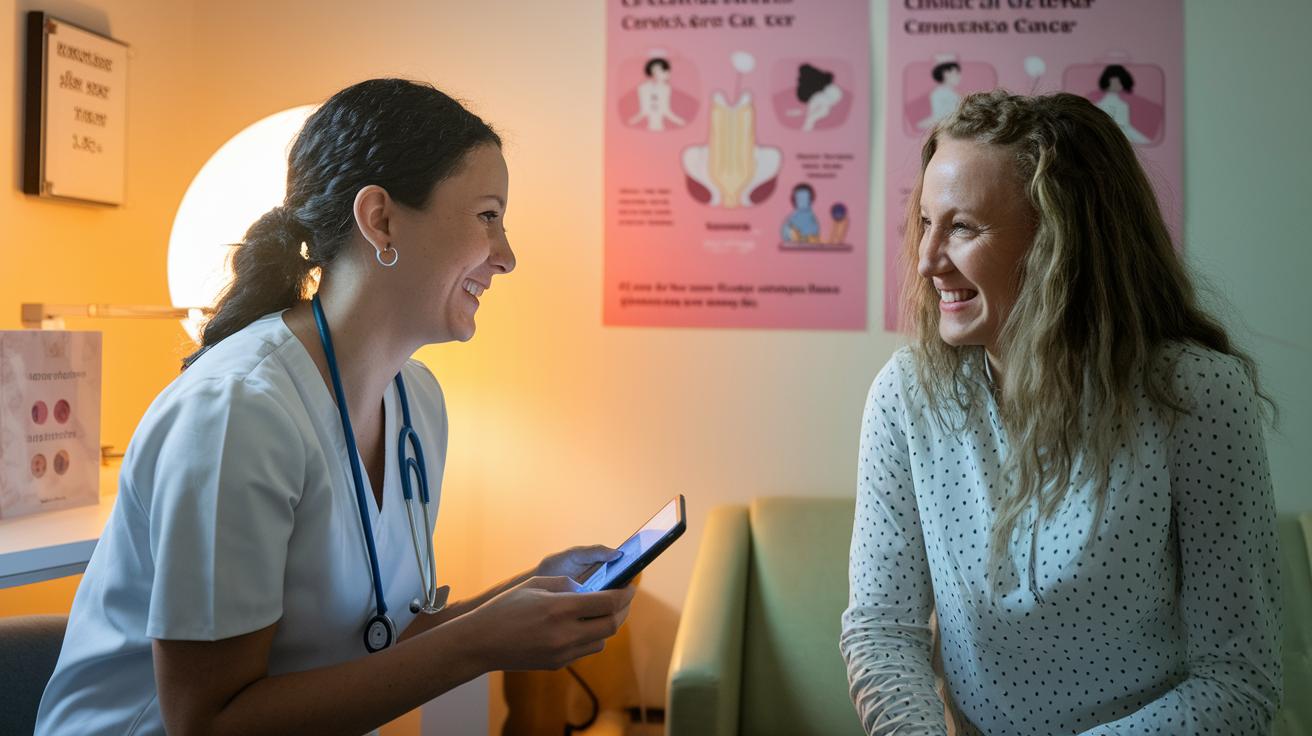
Ever wonder if one simple test could change your future? Early screening for cervical cancer brings hope to many communities. Regular check-ups catch changes before they become serious. With tests like the Pap smear and HPV test (which looks for the virus that can cause cancer), women can take control of their health. This article explains how these tests work and why sticking to your check-up schedule can help you stay healthy. Try learning a little more today, it might just save your life.
Overview of cervical cancer early detection methods
Catching cervical cancer early can truly save lives. Routine screening tests help find cell changes before they become serious. When you know your options, you can take small steps today that may lead to better outcomes tomorrow. Since 1999, three main tests have been used as a national standard to make sure everyone gets the care they need. By keeping up with the latest screening guidelines, healthcare providers offer top-notch care to everyone, helping reduce differences in health outcomes across communities.
| Test | Frequency | Primary Purpose |
|---|---|---|
| Pap smear | Every 3 years (ages 21–29) | Spot cell changes early on |
| HPV test | Every 5 years (ages 25–65) | Find high-risk HPV DNA (the virus linked to cervical cancer) |
| Co-testing | Every 5 years (ages 30–65) | Combine Pap smear and HPV test for better accuracy |
Regular screening not only helps detect cervical cancer at an early stage but also lowers the risk of dying from it. The more women who follow the recommended check-up schedule, the more we can reduce severe disease and even out health differences in our communities. Taking a few moments to schedule the right test at the right time can make a big difference in protecting your health.
Pap smear best practices for early cervical detection
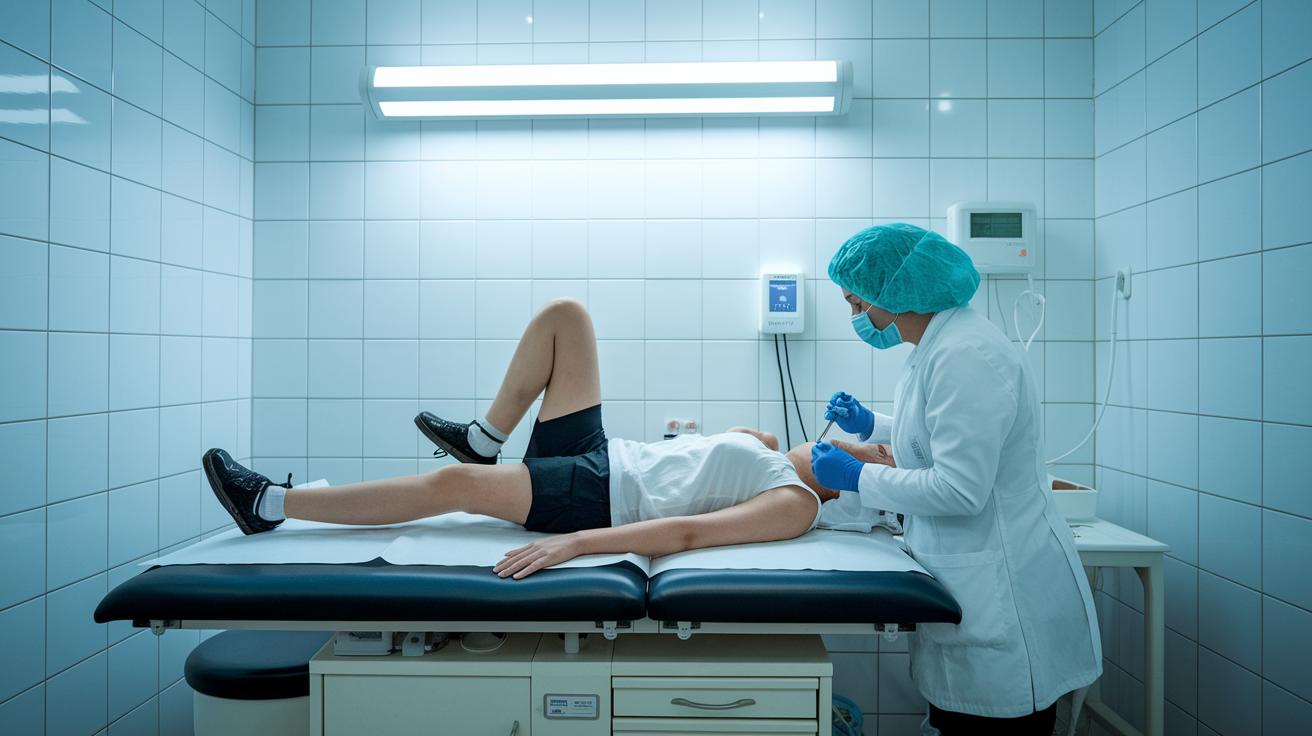
Before your Pap smear, avoid intercourse and douching for 48 hours to help keep your sample accurate. Lying on your back with your legs in stirrups gives your provider a clear view of your cervix. Knowing these simple steps can really improve the quality of your test.
During the exam, your provider uses a special brush and spatula to collect cells with careful, measured movements. Right after the cells are collected, the slides are fixed to preserve them and must reach the lab within 24 hours. This careful handling helps keep the cells intact for accurate results.
Labs also work hard to make sure tests stay reliable. They track unsatisfactory sample rates to keep them under 2% and regularly test their staff while meeting strict accreditation standards. With these updated Pap protocols (as of January 2026), healthcare teams can catch potential issues early and improve care outcomes.
HPV test procedures in cervical cancer early detection
HPV testing is a key tool in spotting cervical cancer early. First, a sample is collected from the cervix or vagina. A healthcare provider can do this during a pelvic exam, or you can use an approved self-collection kit. Both methods gather the cells needed for testing.
In the lab, the first step is to extract DNA from the collected cells. Next, technicians use a PCR test (a method that copies DNA to make it easier to detect) to check for high-risk HPV types, especially HPV-16 and HPV-18. After that, the process moves to genotyping, which identifies exactly which types of HPV are present. Strict quality controls are used at every step, ensuring that the test detects over 90% of significant lesions and minimizes false alarms with about 95% specificity.
Sometimes, doctors will combine the HPV test with a Pap smear (a test that looks for abnormal cells) to boost accuracy and guide clinical decisions. Updated guidelines set for 2026 require that only validated testing platforms are used and that results come back within 14 days. These detailed lab procedures and clinical rules give both patients and healthcare providers confidence for early detection and timely treatment decisions.
At-home and self-sampling innovations in cervical cancer early detection

FDA-approved self-sampling kits come with everything you need: a swab, a vial with a transport fluid, and clear instructions. You use the kit to collect cervical or vaginal cells right at home. Picture it like this: you open the kit, gently swab, and seal your sample without having to visit a clinic.
Studies have found these self-sampling methods pick up cervical issues about 80–90% of the time, almost as well as samples taken by a doctor. Plus, when women who rarely get screened have the option to use these kits, they are 15–20% more likely to complete a test. This shows how a simple test you can do at home may lead to better care.
After you take your sample, just mail it to an approved lab using the preaddressed envelope in the kit. There, trained professionals handle and test your sample under strict controls. In a few weeks, you'll get your results, making it a straightforward way to keep track of your cervical health.
Cervical cancer early detection: Sparks Hope
Recent updates in January 2026 give clear advice on when to start screening and how often to get tested. Sticking with these guidelines means any changes in your cervix are likely to be caught early, which can really help in preventing serious health issues. These steps are all about providing quality care for every woman while helping to reduce health gaps.
Age-Based Screening Guidelines
For screening to work best, the timing and type of test should match your age and how at-risk you might be. For example, the Pap smear is usually started at age 21. Women between 21 and 29 should have a Pap smear every 3 years. If you’re between 25 and 65, getting a primary HPV test every 5 years is advised. And if you prefer co-testing (both the Pap smear and HPV test together), the recommendation is to begin at 30 and then repeat every 5 years until 65. This step-by-step plan helps ensure your screening matches your needs as you get older.
Follow-Up for Abnormal Results
If a test shows something unusual, the plan is clear. For results that indicate high-grade changes, like high-grade squamous intraepithelial lesions (HSIL) or atypical squamous cells where a high-grade lesion can’t be ruled out (ASC-H), a colposcopy (a detailed exam of the cervix) is recommended. When tests find atypical squamous cells of undetermined significance (ASC-US) together with a positive HPV result, the advice is to test again in 12 months. These guidelines, based on trusted ASCCP recommendations, are set up to catch any issues quickly and guide you to the right treatment. They also allow room to adjust the schedule based on factors like a weakened immune system, making sure the care fits your personal health needs.
Emerging detection technologies in cervical cancer early detection

Artificial intelligence is changing the game in detecting cervical cancer early. New digital cytology tools use AI to examine cell slides with great accuracy and speed. They can spot tiny changes in cells that might be missed by manual checks, boosting detection by about 5–10% and saving valuable time. For instance, AI-assisted cytology quickly reviews hundreds of slides and flags those that need more attention, helping doctors decide faster.
| Technology | Key Advantage |
|---|---|
| AI-assisted cytology | Automated image analysis, +8% sensitivity |
| p16/Ki-67 dual stain | High predictive value for CIN 2+ |
| HPV DNA methylation assay | Improved specificity, reduced false positives |
Using these advanced tools in everyday practice can really improve early detection of cervical cancer. By mixing digital cytology with newer tests like the p16/Ki-67 dual stain and HPV DNA methylation assays, doctors can get more accurate and consistent results. This upgrade to standard screenings leads to quicker, more reliable treatments. Embracing such technologies not only makes care more personal but also helps lower death rates and reduce health disparities.
Expanding access through mobile and community-based cervical cancer early detection
Since 2010, mobile health vans have been helping rural and underserved communities get the cancer screening they need. These vans come equipped to perform Pap smears and HPV tests, and they travel to areas where healthcare is hard to reach. In many places, these mobile clinics have boosted screening rates by as much as 20%. This means more women can get essential exams without having to travel long distances.
Community outreach programs also help break down barriers to early detection. Local groups, including NGOs and clinics, work together to host free Pap smear and HPV testing events. These events make sure that cost or travel issues don't stop women from getting screened. Organizers design these initiatives with cultural respect in mind, and they train outreach workers to connect well with the community.
Local health departments join the effort by keeping programs up to standard and offering extra support. By mixing mobile clinics with community outreach, these projects help reduce gaps in screening and bring life-saving care right where it's needed.
Patient education and follow-up in cervical cancer early detection

Quick take: Being prepared for your screening and knowing the steps can give you peace of mind. Start by using easy-to-read checklists and short videos that tell you how to prepare, including which activities to avoid before the exam. These tools also explain that you should expect your results in about 14 days.
After your test, clear communication is a must. Within 7 days, a nurse will call you to share your results and schedule any needed follow-up visits. This quick response helps make sure that if there are any signs of worry, you get a fast referral for a closer examination (colposcopy).
Your care team also works with social workers to offer emotional support. They help answer your questions and ease any concerns. By keeping you informed and supported, your healthcare team builds trust and helps you feel confident in managing your cervical health.
Final Words
In the action, we covered key screening methods like Pap smears, HPV tests, and co-testing to clip cervical cancer early detection challenges. We looked at precise testing procedures, self-sampling innovations, and how mobile units expand access to critical care. The post also explored quality assurance practices and patient education tips that foster clear follow-up systems. Every concise step can build a healthier tomorrow. Keep the momentum, stay informed, and remember that small, informed actions make a big difference in cervical cancer early detection.
FAQ
Early detection of cervical cancer survival rate
The early detection of cervical cancer is linked with high survival rates, often exceeding 90% when the cancer is found at an early stage.
Breast and Cervical Cancer Early Detection Program
The Breast and Cervical Cancer Early Detection Program provides free or low-cost screening services, aiming to detect these cancers early and facilitate timely treatment.
How to detect cervical cancer at home
The idea of detecting cervical cancer at home usually refers to self-sampling HPV kits, which help improve screening rates, but a clinical follow-up is needed for an accurate diagnosis.
National breast and cervical cancer Early Detection Program funding
Funding for the National Breast and Cervical Cancer Early Detection Program comes from federal and state sources to support screening and diagnostic services for vulnerable populations.
Cervical cancer early detection diagnosis and staging
Early detection, diagnosis, and staging of cervical cancer use tests like Pap smears, HPV assays, and colposcopy to assess the cancer’s stage and guide treatment decisions.
Florida breast and cervical cancer Early Detection Program
Florida’s program offers free or low-cost screenings and education to eligible women, increasing access to early detection services for breast and cervical cancers.
CDC’s National Breast and Cervical Cancer Early Detection Program
The CDC’s program provides standardized screening services nationwide, aiming to reduce disparities by reaching low-income and underinsured women.
What are the 5 cervical cancer screening methods
The five screening methods include Pap smear, HPV test, co-testing (Pap and HPV together), visual inspection with acetic acid, and digital cytology methods, each aiding early detection.
What is the survival rate for Stage 1 cervical cancer?
The survival rate for Stage 1 cervical cancer is generally high, often above 90%, if the cancer is detected and treated promptly.
How early can cervical cancer be detected?
Cervical cancer can be detected early through regular screenings starting at age 21, even before symptoms occur, using tests like the Pap smear and HPV test.
What are the early signs of cervical cancer?
Early signs of cervical cancer can include abnormal vaginal bleeding, unusual discharge, and pelvic pain, though many early cases do not show noticeable symptoms.
Can cervical cancer develop in 2 years?
Cervical cancer typically develops slowly over several years, but in rare cases, pre-cancerous changes may progress faster, though a full cancer diagnosis in just 2 years is uncommon.