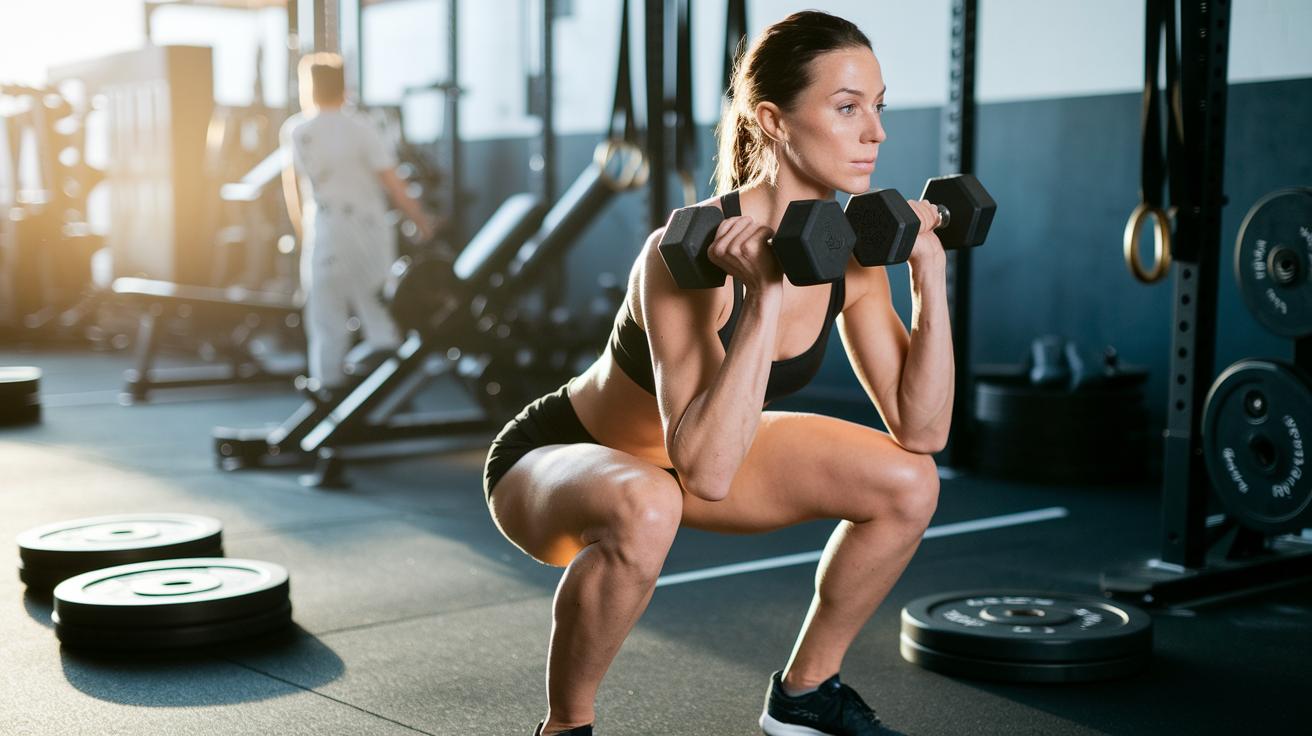
Ever wonder if adding weights to your HIIT routine might boost your results? Picture a workout that burns calories fast during each burst and keeps your metabolism working hard long after you finish. Weighted HIIT blends short, intense efforts with quick rests, building strength and saving you time. This approach works several muscle groups at once while giving your heart a good challenge. In this post, we'll share simple, safe steps to add weights to your HIIT routine and spark your fitness journey.
Understanding Weighted HIIT Sessions
Weighted HIIT mixes quick bursts of hard work with brief resting periods to help you burn calories and build strength fast. In a typical session, you work hard for 45 seconds and then rest for 30 seconds. If you’re more experienced, you can try equal parts work and rest or even work a bit longer than you rest to challenge yourself further.
You can use different weights like dumbbells, kettlebells, or weight plates. Choose a weight that lets you keep good form every time you move. Imagine standing tall with your back straight and your knees lined up correctly as your muscles work together. Start with lighter weights to master the moves, then slowly increase the weight as you grow more confident.
Remember, keeping proper form is key. Avoid swinging your weights and focus on slow, controlled movements. As one trainer said, "Focus on form first so you lose weight safely." Using a heart rate monitor can also help you make sure you're working in the right zone.
This guidance was updated on February 29, 2024, so you can trust that you’re getting safe and up-to-date advice for a balanced mix of cardio and strength in your workout.
hiit workouts with weights: Ignite Your Fitness
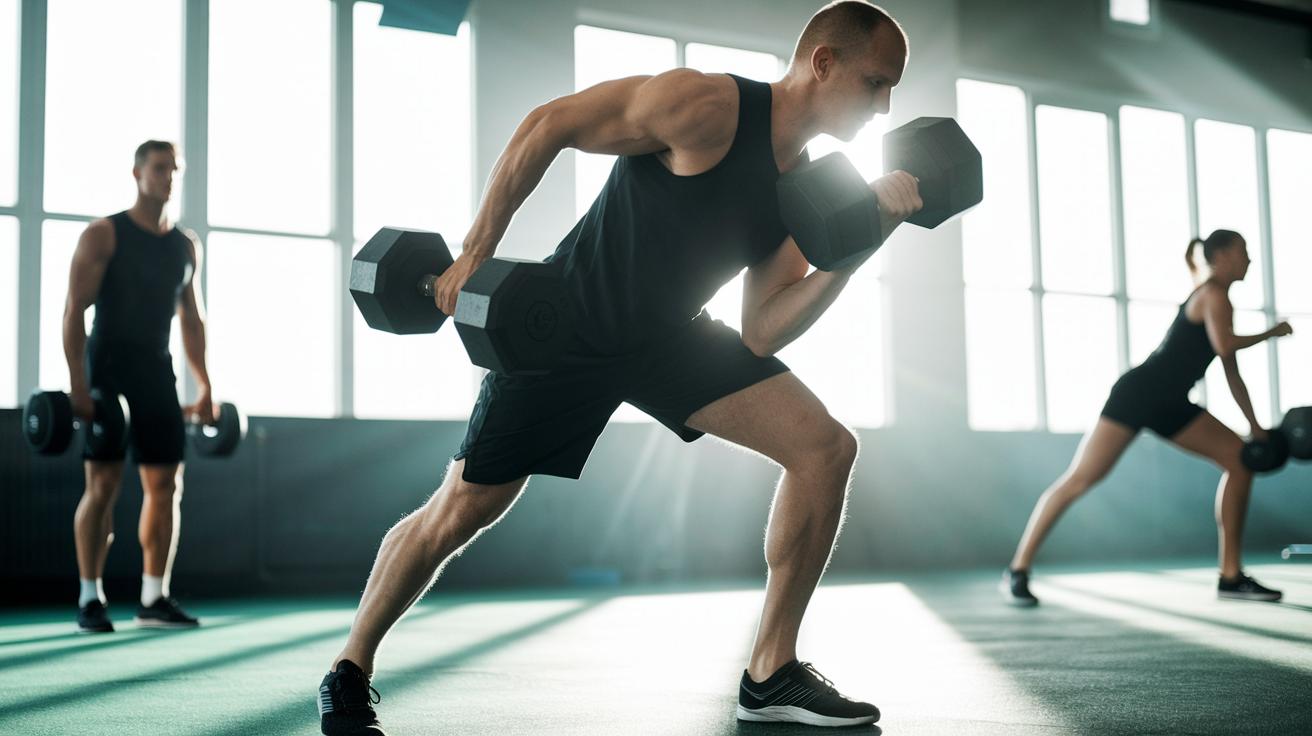
Weighted HIIT workouts mix short bursts of intense movement with strength exercises to burn calories and build endurance. These workouts work in two key ways: they save you time and boost your metabolism. When you alternate high-energy moves with short rests, you challenge your heart and muscles all at once. For example, moves like dumbbell squats or push-up burpees work several muscle groups, much like a quick boot camp, while also helping improve your balance and core strength.
This approach works faster than steady-state cardio, which burns calories more slowly. With weighted HIIT, every set of quick intervals keeps your metabolism revved up even after you finish. You can do this workout at home or in a gym using free weights, kettlebells, or just your body weight for variety. Every rep becomes a step toward better fitness, challenging your body and sparking steady progress.
Sample HIIT Routines with Weights for Every Fitness Level
Pick a routine that fits your current ability and goals. These three workouts are designed to help you build strength and boost endurance, with each plan carefully matching work intervals with recommended weights. Whether you’re just starting or ready for a challenge, there’s a plan for you.
The beginner workout lasts 20 minutes. Work hard for 30 seconds, then take a 30-second rest. Use 5–10 lb dumbbells to do moves like alternating curtsy lunges and dumbbell squats. This routine slowly builds strength and improves coordination without putting too much strain on your joints. For example, try stepping back slowly in each curtsy lunge to really feel the muscle work.
The intermediate plan steps up the challenge with a 30-minute circuit. Work for 45 seconds and rest for 30 seconds. Grab a pair of 15–25 lb dumbbells, then move through exercises such as a push-up burpee with an overhead press or mix a back row with a bicep curl. This workout is great for improving muscle endurance while keeping your heart rate up.
If you’re ready for more intensity, the advanced session is a 25-minute workout that uses equal work and rest time. Use heavier weights as you perform exercises like a runner lunge and a chest fly combined with a reverse grip front raise. Even when you feel tired, keep a close eye on your form so every move works effectively.
| Routine | Duration | Interval | Weight Range |
|---|---|---|---|
| Beginner | 20 minutes | 30 sec ON / 30 sec OFF | 5–10 lb |
| Intermediate | 30 minutes | 45 sec ON / 30 sec OFF | 15–25 lb |
| Advanced | 25 minutes | 1:1 ratio | Heavier load |
Mix up these routines as you grow stronger. Adjust the weights or the intervals as needed to keep your progress moving forward.
Exercise Breakdown: Key Weighted HIIT Moves

Alternating Curtsy Lunge
Stand with your feet about as wide as your hips. Hold a dumbbell in each hand. Step one leg diagonally behind you, as if doing a curtsy, while keeping your chest lifted and your knee lined up above your ankle. Lower your hips until you feel a stretch in your glutes and quads. Then, press through your front heel to stand up. Keep your movements slow and steady so the weights do not swing. Imagine you’re drawing clean lines with each step to stay balanced.
Dumbbell Squat to Press
Keep your feet firmly planted and hold the dumbbells at shoulder level. Begin by bending your knees and pushing your hips back into a squat while keeping your back straight. As you rise, press the dumbbells overhead in one smooth movement. Inhale as you lower into the squat and exhale when you press upward. Focus on keeping your knees in line and your motions smooth throughout the exercise.
Push-Up Burpee with Overhead Press
Start in a push-up position with a dumbbell in each hand. Lower yourself into a standard push-up and then push up again. Next, jump your feet forward so they come close to your hands. Land softly, stand up, and press the dumbbells overhead. Move deliberately through each phase: the push-up, the jump, and the press. Breathe in as you lower and exhale as you push up. Keep your core tight to support your chest, shoulders, core, and legs all at once.
Runner Lunge
Stand tall and take a big step forward into a deep lunge. Make sure your front knee stays behind your toes and keep your back straight. If you like, hold dumbbells at your sides for extra resistance. As you exhale, push through your front heel to return to standing. Then switch legs and repeat. Keep your movements cautious and controlled so the weights do not swing.
Safety and Weight Selection for HIIT Workouts with Weights
When you start a HIIT session with weights, begin with a light load, around 5–10 lbs (2-5 kg), to nail down each movement. This helps you build solid form before you move up to medium weights like 15–25 lbs (7-11 kg). Take about 5 minutes for a dynamic warm-up that includes light cardio and simple mobility exercises. Try leg swings, arm circles, and gentle stretches to get your muscles moving and ready.
Focus on keeping your back straight and your movements controlled. Breathe steadily and move through a full range of motion. It’s best to avoid quick, jerky actions that might strain your shoulders or back. Always check that your knees stay aligned over your toes and your core stays engaged.
Keep an eye on your heart rate as you work out. If you have a monitor, use it to see when you’re pushing too hard. Pausing to let your heart rate settle can help you stick to a safe and effective exercise zone.
- Warm up with light cardio and dynamic stretches.
- Start with lighter weights to perfect your form.
- Keep your back straight and your movements controlled.
- Monitor your heart rate and take short rests when needed.
- Cool down with stretching and plenty of water afterward.
How to Progress and Recover from HIIT Workouts with Weights
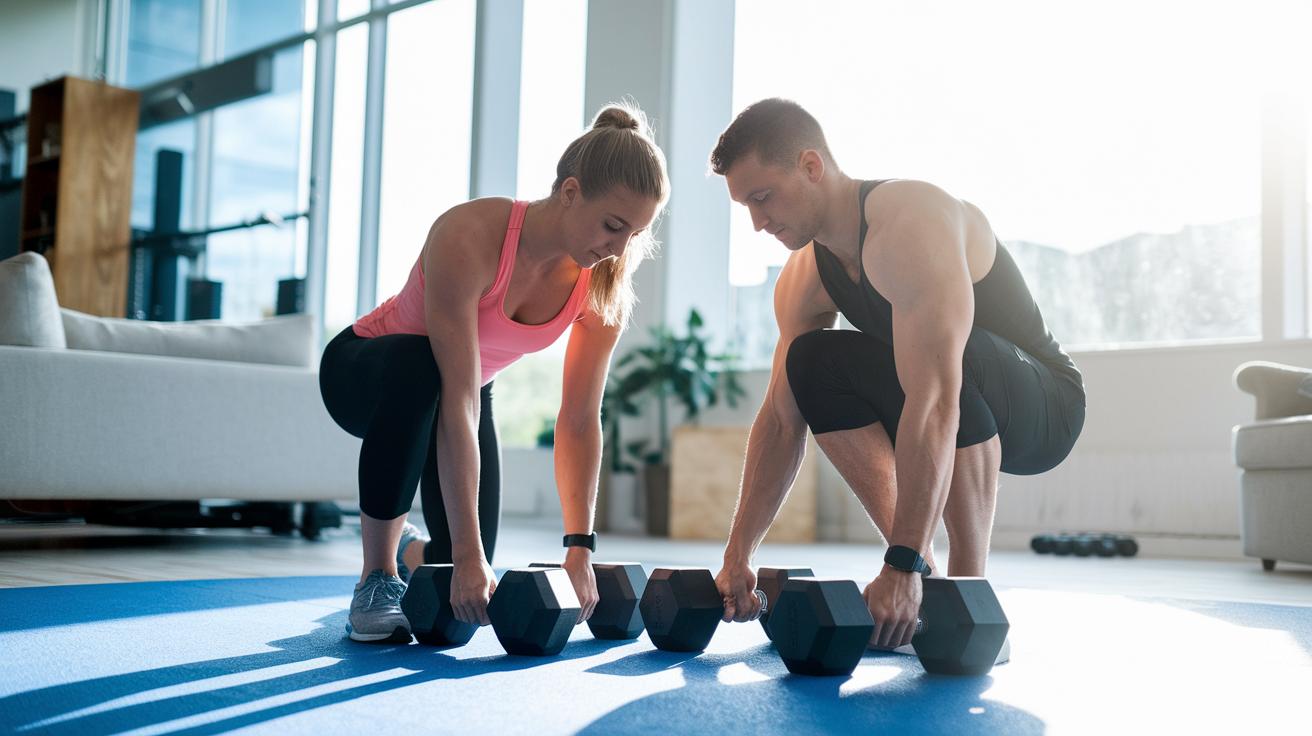
When you're working on getting stronger with HIIT, start by slowly changing your work and rest times. As your endurance improves, try balancing your work and rest periods more evenly. For example, if you do 45 seconds of exercise followed by 90 seconds of rest, gradually shorten your rest so you spend equal time working and recovering. This slow shift helps your body adapt safely.
Every one to two weeks, consider increasing your dumbbell weight by 2–5 lbs (about 1–2 kg). These small steps build strength while lowering your risk of injury. Stick with three weighted HIIT sessions each week and give yourself active recovery days in between so your muscles stay fresh.
Recovery is as crucial as the workout itself. After your power intervals, try these easy recovery tips:
- Foam roll to ease muscle tightness.
- Take a brisk 10-minute walk to keep your body moving.
- Do targeted stretches to improve your mobility.
Using these simple workout tweaks and recovery techniques helps your muscles repair and grow while keeping your progress safe and steady.
Final Words
In the action from the start, this post broke down the basics of weighted HIIT sessions, sample routines, key movement tips, and safety tricks. It also explained how to safely progress and recover while mixing strength and endurance. The piece delivers practical, step-by-step suggestions to boost your work capacity and keep you moving confidently. With small, steady changes, hiit workouts with weights can help build both your strength and stamina. Stay motivated, keep refining your routine, and enjoy the boost in your daily energy.
FAQ
Can you do HIIT workouts with weights?
Yes, HIIT workouts with weights mix intense exercise bursts with recovery periods using resistance. They boost strength, endurance, and calorie burn while keeping your routine fresh.
What is the 3 3 3 rule for weight lifting?
The 3 3 3 rule for weight lifting usually means performing three sets of three exercises. This guides you to balance movements and sets for a structured strength workout.
Is 20 minutes of HIIT per day enough?
Twenty minutes of HIIT per day can be sufficient for improving heart health and burning calories, provided the session is intense and well-structured to meet your fitness goals.
What is one common mistake people make in HIIT?
One common mistake in HIIT is sacrificing proper form by using weights that are too heavy, which can lead to injury and reduce the effectiveness of the workout.
What HIIT workouts with weights are good for beginners?
For beginners, weighted HIIT sessions using lighter loads, like 5–10 lb dumbbells with equal work and rest intervals, help build strength and endurance safely while learning proper form.
How do HIIT workouts with weights benefit women?
HIIT workouts with weights help women tone muscles, burn calories, and improve overall strength. They can adjust weight and intensity to match their fitness levels and progress.
Where can I find HIIT workouts with weights videos?
HIIT workouts with weights videos offer guided routines demonstrating proper form and pace. They are handy resources for visual learning and for switching up your exercise routine.
Are there varied HIIT routines with weights for different fitness levels?
Yes, weighted HIIT routines come in different durations, intensities, and weight recommendations, making it easy to find options that suit beginners, intermediates, and advanced athletes.