
Ever wonder why you still feel restless at night even when you try your best? Our deep sleep, the stage when our body repairs and resets, can be thrown off by stress, too much caffeine later in the day, or an irregular schedule. Think of your body as a workshop that needs quiet time to fix worn-out parts; without enough deep sleep, everything can suffer. In this post, we break down some common reasons for poor sleep and share simple tips to help you enjoy a night of truly refreshing rest.
Primary Causes of Lack of Deep Sleep
Deep sleep is the time when your brain slows down and your body relaxes completely. During this phase, known as slow-wave sleep (NREM Stage 3), your brain makes slow delta waves, your muscles loosen up, and both your heart rate and breathing slow. This stage is essential for physical repair, helping your body recover and prepare for the next day. Without enough deep sleep, you can end up feeling groggy, tired, and unfocused.
In this phase, your body works hard to repair tissues, boost your immune system, and keep your metabolism in balance. Most adults spend about 13% to 23% of their sleep in deep sleep, which means around 1 to 2 hours each night. When you often miss this important stage, you may notice signs like irritability, increased hunger, and a shorter temper.
- Too much stress can raise your nighttime cortisol (a stress hormone), which disrupts deep sleep.
- Irregular sleep schedules confuse your body's natural clock.
- Having caffeine later in the day can keep you wired since caffeine stays in your system for hours.
- Drinking alcohol in the evening might make you drowsy at first, but it can break up your sleep later.
- Conditions like sleep apnea (a disorder where breathing stops briefly) or restless legs can repeatedly disturb deep sleep.
- Poor sleep habits, like having no regular bedtime or sleeping in a loud, uncomfortable room, can hurt your sleep quality.
- Low physical activity or using too many stimulants can interfere with your normal sleep patterns.
Taking small steps to fix these issues can help ensure you get enough deep sleep. Better deep sleep means your body recovers well, and you'll have more energy and focus each day.
Lifestyle Influences on Lack of Deep Sleep: Fresh Insights
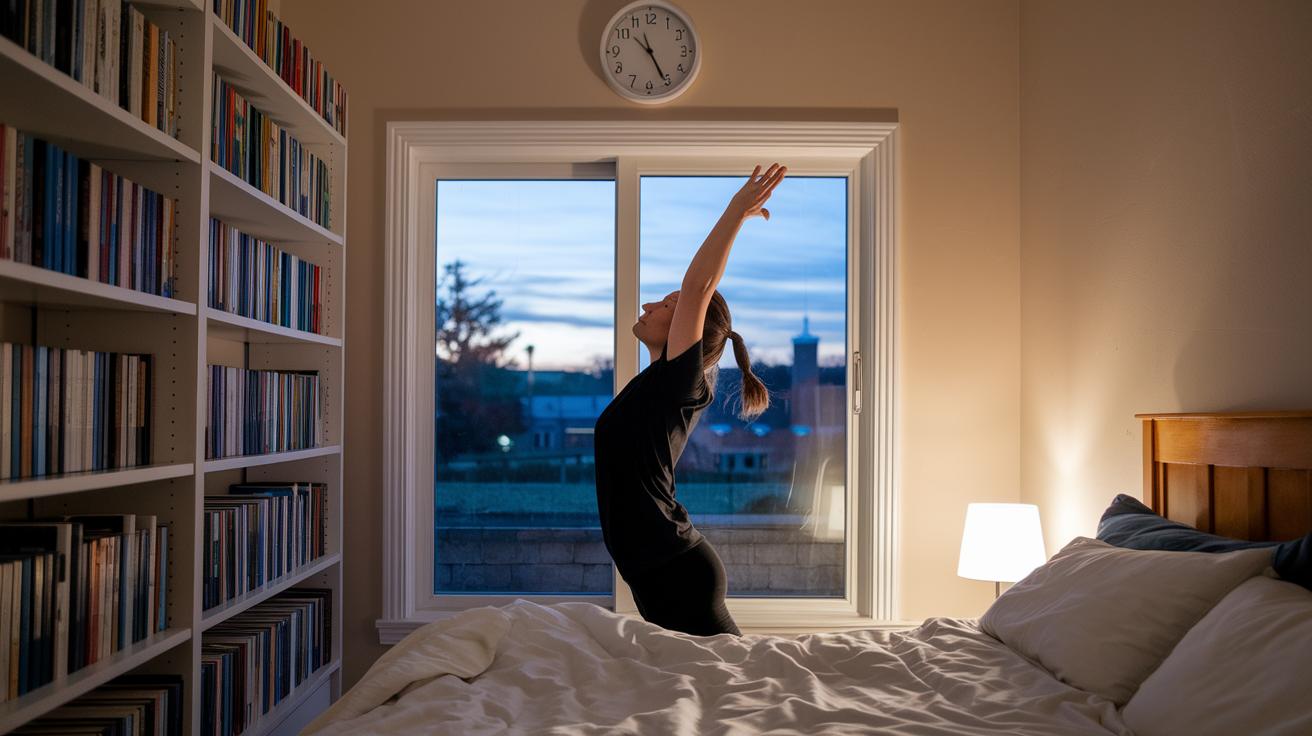
Our daily habits can really shape how well you sleep. For example, having coffee or other caffeinated drinks late in the day can keep you from getting into a deep sleep that repairs your body. Even if a nightcap helps you fall asleep faster, alcohol can break up your sleep stages and leave you feeling less refreshed the next day.
Getting moving with regular exercise can boost your sleep, but try to finish your workout at least 2 hours before bedtime. Eating a steady diet filled with fruits, vegetables, and whole grains helps keep your blood sugar balanced overnight, which may lead to better deep sleep. However, late workouts or unpredictable routines might actually upset your natural sleep cycle.
| Lifestyle Factor | Impact on Deep Sleep | Easy Change to Try |
|---|---|---|
| Caffeine | Can interfere with deep sleep if taken too late | Stick to caffeine in the morning |
| Alcohol | Breaks up sleep stages, reducing deep sleep | Enjoy alcohol only early in the evening |
| Exercise Timing | Helps set your natural sleep rhythm when timed right | Finish workouts at least 2 hours before bed |
| High-Fiber Diet | Helps keep blood sugar even, supporting smooth sleep | Add fruits, veggies, and whole grains daily |
Environmental Factors Disrupting Deep Sleep
Sometimes, noises from outside or even within your home can jolt your brain, causing brief awakenings that disrupt your deep sleep. These tiny interruptions may not fully wake you, but they can break the smooth flow of your slow-wave sleep. Try using a white noise machine or soothing nature sounds like rainfall or forest birds to mask sudden disturbances.
A cool and comfortable bedroom is essential for a good night's sleep. Keeping your room between 60°F and 67°F (15°C to 19°C) can help your body settle into rest. Simple changes like lowering the thermostat or setting up a fan can create a sleep-friendly environment.
Light also plays a big role. Even soft ambient light or blue light from screens can reduce melatonin (a hormone that helps you sleep) and keep you in a lighter stage of sleep. Minimizing light exposure in the evening with blackout curtains or switching to dim, red-spectrum lights can signal your body that it's time to wind down.
Making just a few small adjustments to control noise, temperature, and light in your room can lead to deeper, uninterrupted sleep, leaving you more refreshed each day.
Medical Conditions and Physiological Causes of Reduced Deep Sleep

Deep sleep is vital for your body to repair and refresh itself. Various health issues can limit the time you spend in this crucial sleep stage. For example, obstructive sleep apnea causes your breathing to pause repeatedly during the night. These short stops in breathing lower your oxygen levels and break your sleep, making it hard for you to stay in deep sleep long enough for proper recovery.
Restless leg syndrome is another condition that can disturb deep sleep. When your legs move involuntarily later at night, it can wake you up or shift you into lighter sleep stages, cutting short the restorative effects of deep sleep.
High levels of cortisol at night, often from ongoing stress or conditions like Cushing’s syndrome, can also reduce deep sleep. Cortisol hampers the production of melatonin, the hormone that tells your body it’s time to wind down. Aging or issues with the pineal gland can lower melatonin, making it tougher for your brain to settle into deep sleep.
Additionally, chronic conditions such as persistent pain, thyroid problems, obesity, and certain neurological diseases can further disrupt your sleep cycle. Pain keeps your body on alert, thyroid imbalances can alter your energy use, and obesity or neurological disorders may block the natural flow of sleep stages.
Some medications used to treat high blood pressure or depression might even interfere with your natural sleep pattern. They can affect the balance of brain chemicals and hormones needed for deep, restorative sleep, leaving you with less of the quality rest you need.
Psychological Stress, Anxiety, and Their Effects on Deep Sleep
When you’re under stress during the day, your body can release extra cortisol at night. This extra cortisol cuts into the time your body spends in deep, restorative sleep (NREM Stage 3). Anxiety also makes it tough for your brain to settle into sleep stages that help refresh you. You might find yourself tossing and turning or waking up several times if your mind stays active. Even if you get enough hours in bed, poor quality sleep can leave you unprepared for the day.
Try these simple relaxation techniques before bed to help calm your mind and boost deep sleep:
- Practice deep breathing exercises: Breathe in slowly, hold for a moment, and then exhale, helping your mind quiet down. For more details, see this guide: deep breathing exercises for stress relief.
- Use guided imagery: Picture a peaceful place that eases your worries.
- Try progressive muscle relaxation: Tense and then relax each muscle group one at a time to help reduce overall tension.
Adding these steps to your nighttime routine may lower anxiety and lead to a smoother transition into deep, restorative sleep.
Environmental and Technological Factors Disrupting Deep Sleep
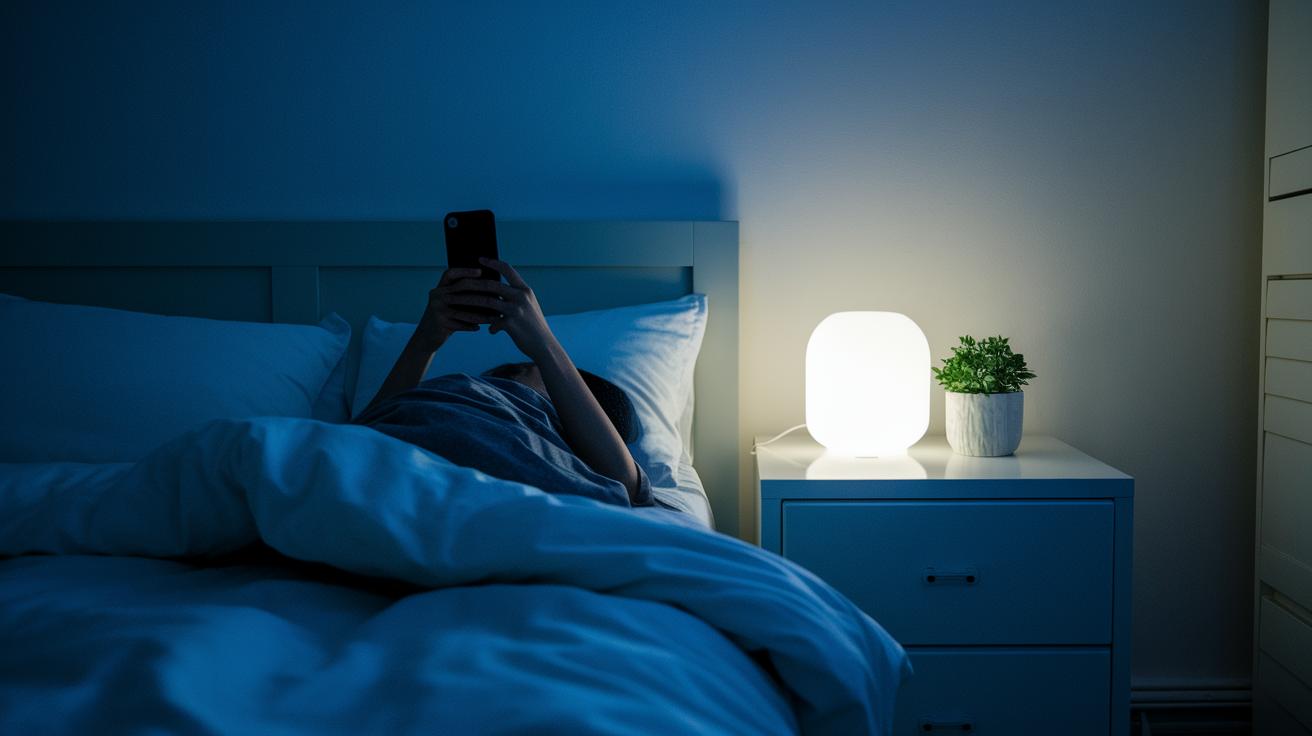
Your sleep can be disturbed by your surroundings and the way you use devices. Blue light from screens holds back melatonin (the hormone that tells your body it's time to sleep), so you might struggle to fall into deep, restful sleep. Using devices like smartphones and tablets late at night not only fragments your sleep but also reduces the time spent in your most healing sleep stages.
Late-night screen use can throw off your internal clock. Think of your body like a finely tuned instrument, small changes in lighting can disrupt its natural rhythm.
Try these simple steps to support better sleep:
- Set a digital curfew. Turn off screens one hour before bed.
- Switch to soft, red-spectrum lighting in the evening instead of harsh blue light.
- Trade screen time for calming activities like reading a book or gentle stretching.
For instance, turn off your smartphone one hour before bed and enjoy a quiet reading session.
Diagnostic Approaches and Sleep Monitoring for Deep Sleep Assessment
A sleep study, known as polysomnography, is a test done in a lab where your brain activity (EEG), breathing, and movement are recorded. This test gives a clear look at your sleep stages and tells you how much deep sleep you get, even spotting problems that might otherwise go unnoticed.
Wearable devices, like an Apple Watch or Garmin, use your heart rate and movements to estimate slow-wave sleep. They are easy to use, but their accuracy can vary and they mainly give you an estimate compared to the detailed results from a sleep study.
Watching your sleep patterns over a few nights is very useful. Most adults spend about 13% to 23% of their sleep in the deep stage. Here’s how you can make the most of your sleep tracking:
- Record your nightly trends using a wearable device.
- Compare your results with a clinical sleep study if you have concerns.
- Change your routine if your deep sleep percentage is different from the usual range.
Using these methods can help you understand your sleep better and may guide changes in your lifestyle or discussions with your healthcare provider.
Natural Remedies, Supplements, and Behavioral Strategies to Improve Deep Sleep
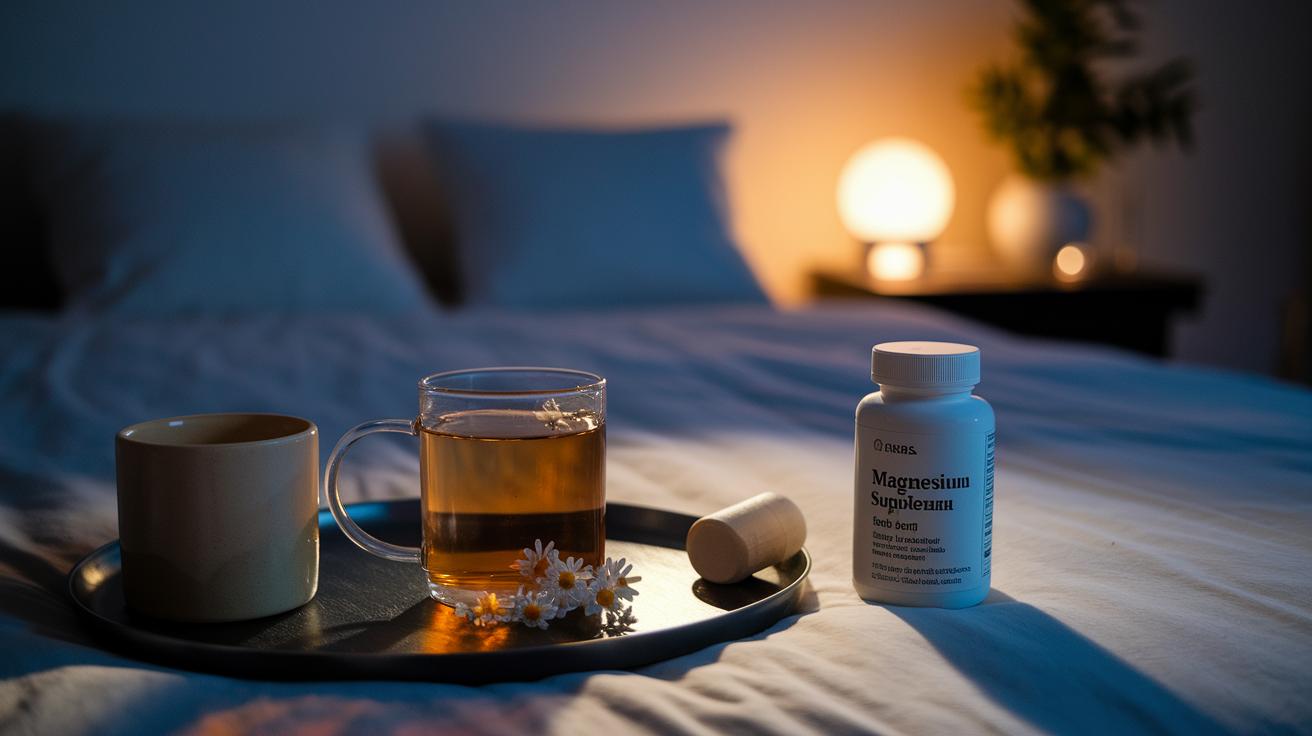
Melatonin may help you fall asleep faster, but its effect on deep sleep is not clear-cut. Instead of relying only on melatonin, you might try adding other natural options. For example, take magnesium about 1–2 hours before bed to calm your nervous system. Research shows that magnesium can help many adults achieve the deep, restorative sleep needed for repair.
You can also consider a warm herbal drink. Chamomile tea, valerian root, or passionflower offer mild calming effects that ease your body into sleep. For instance, some people find that sipping chamomile tea before bed improves sleep continuity. These herbs work gently to quiet your mind and make it easier to enter deep sleep.
Another simple tip is to set up a regular pre-sleep routine. Try light reading, meditation, or gentle yoga to help reset your internal clock. A structured bedtime routine tells your brain it’s time to wind down and encourages deeper sleep. For more ideas, explore this bedtime routine for sleep reset.
Consider blending these natural strategies into your nightly habits. They are based on evidence that supports better sleep quality and longer deep sleep, which is essential for physical recovery.
Age, Chronological Factors, and Restorative Deep Sleep Changes
Your sleep patterns change as you grow. Babies and young children spend a larger part of their sleep in slow-wave stages that help with fast growth and brain development. As you get older, your body spends less time in these deep, refreshing sleep phases. Many older adults get under 13% of their total sleep as deep sleep, even with consistent sleep habits. This is a normal part of aging and shows that our sleep needs evolve over time.
Sleep recommendations differ by age. Newborns often need 14 to 17 hours of sleep each day to support rapid growth, while most adults should aim for 7 to 9 hours each night. With these changes, the balance of sleep cycles shifts, meaning deep sleep naturally declines. Knowing this can help you set realistic expectations and adjust your sleep habits to fit your current stage of life.
Final Words
In the action of exploring deep sleep, we broke down its role and uncovered how lifestyle choices, environment, medical issues, stress, screen use, and even age affect our rest. We also looked at natural ways to support slow-wave sleep through small, daily habits.
Every factor, from limiting late caffeine to setting a calm bedtime routine, plays a part in our rest. Research has shown what causes lack of deep sleep, and small changes can pave the way for more restorative nights.
FAQ
How to increase deep sleep naturally?
Increasing deep sleep naturally means setting a regular sleep schedule, avoiding late caffeine or alcohol, and creating a cool, dark, quiet room. Relaxation techniques before bed can also help support restorative sleep.
Too much deep sleep causes
Too much deep sleep is uncommon but can be linked to conditions like hypersomnolence or depression. Excessive deep sleep may disrupt the overall sleep cycle and signal underlying issues that warrant a professional evaluation.
What are the 5 types of sleep disorders?
The five common sleep disorders include insomnia (difficulty falling or staying asleep), sleep apnea (breathing interruptions), restless legs syndrome (involuntary movements), narcolepsy, and circadian rhythm disorders, all impacting sleep quality.
Is deep sleep dangerous?
Deep sleep is generally restorative and beneficial for the body. However, unusual patterns in deep sleep might indicate sleep disorders or other health issues that should be discussed with a healthcare provider.
How much deep sleep is too much?
While adults typically get 13–23% of sleep as deep sleep, consistently exceeding this range might indicate underlying health or sleep issues. If you experience unusual sleep patterns, consult a doctor for advice.
What are deep sleep disorder symptoms?
Deep sleep disorder symptoms can include waking up groggy, feeling fatigued during the day, irritability, difficulty concentrating, and fragmented sleep cycles. These signs suggest a lack of restorative deep sleep.
How to reduce deep sleep?
Reducing deep sleep is rarely a goal; however, if it appears excessive, you might adjust your sleep schedule, improve sleep hygiene, or address underlying sleep disorders with professional guidance.
What is light sleep?
Light sleep is a transitional stage between wakefulness and deeper sleep. During this phase, brain activity is higher, and you can be easily disturbed by sounds or movements compared to restorative deep sleep.
How to get better deep sleep?
Improving deep sleep involves sticking to a regular bedtime, minimizing caffeine intake in the afternoon, keeping your room cool and dark, and practicing calming routines like meditation or light stretching before sleeping.
How many hours of deep sleep do you need a night?
Most adults require about 1–2 hours of deep sleep per night, which constitutes roughly 13–23% of total sleep time. This period is crucial for physical restoration and memory consolidation.
Why am I only getting 4% deep sleep?
Only getting 4% deep sleep might result from stress, irregular sleep habits, or potential sleep disorders. Reviewing your sleep environment and schedule and consulting a professional can help identify the issue.
What are the symptoms of sleep fragmentation?
Sleep fragmentation symptoms include frequent awakenings, restless sleep, daytime fatigue, poor concentration, and irritability. These signs indicate disrupted sleep continuity that can lower the overall quality of your rest.

