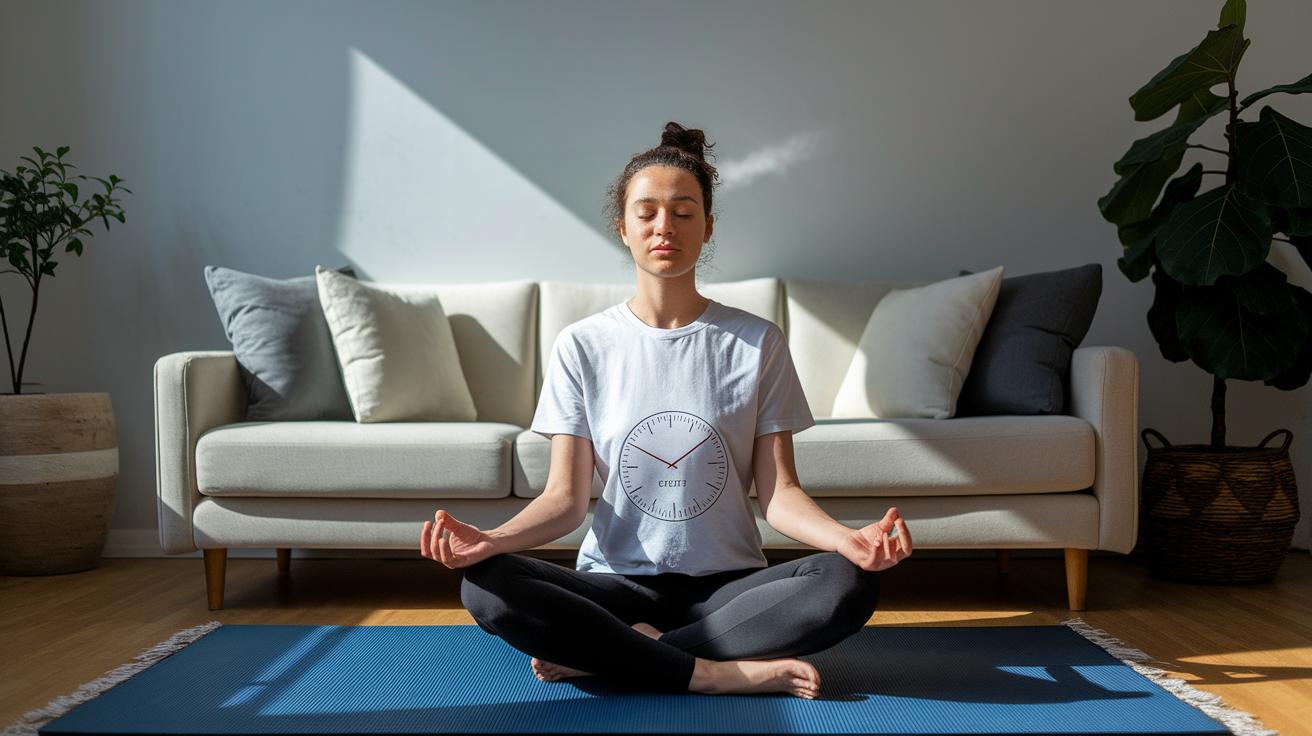
Ever feel so overwhelmed by stress that you wonder if relief can come in just minutes? Quick Calm is here to help. Try a couple of simple moves like belly breathing (taking slow, deep breaths that expand your stomach) and grounding (focusing on your surroundings) to ease anxiety fast.
These small actions don't just calm you now, they also begin to build habits that help you handle stress better over time. We’ve gathered easy, science-backed tips to help you feel more at ease today and for the long run.
Real-Time Anxiety Reduction Strategies Overview
Anxiety is your body's natural way of getting ready when you face stress. It can make your heart beat faster and your breathing feel shallow when situations get tough.
Mixing quick fixes with longer-term habits can help you feel better both now and later. Here are some practical steps you can try:
- Belly breathing: Take slow, deep breaths into your belly and exhale fully. This helps signal your body to relax.
- 5-4-3-2-1 Grounding: Look around and name five things you see, four things you can touch, three sounds you hear, two smells, and one taste. This brings your focus back to the present.
- Progressive Muscle Relaxation: Tighten a group of muscles for a few seconds, then slowly relax. Repeat with different muscle groups to reduce tension.
- Intense Physical Movement: Try a brisk walk, jumping jacks, or a quick dance. Moving your body can help burn off stress hormones.
- On-the-go Aromatherapy or Cold Therapy: Use a soothing scent or splash some cold water on your face to gently break the cycle of anxious feelings.
These science-backed tools give you fast relief and help build a strong foundation for managing stress over time. By adding small lifestyle changes along with these quick techniques, you can improve your overall calm and resilience.
Controlled Breathing & Mindful Awareness for Anxiety Relief
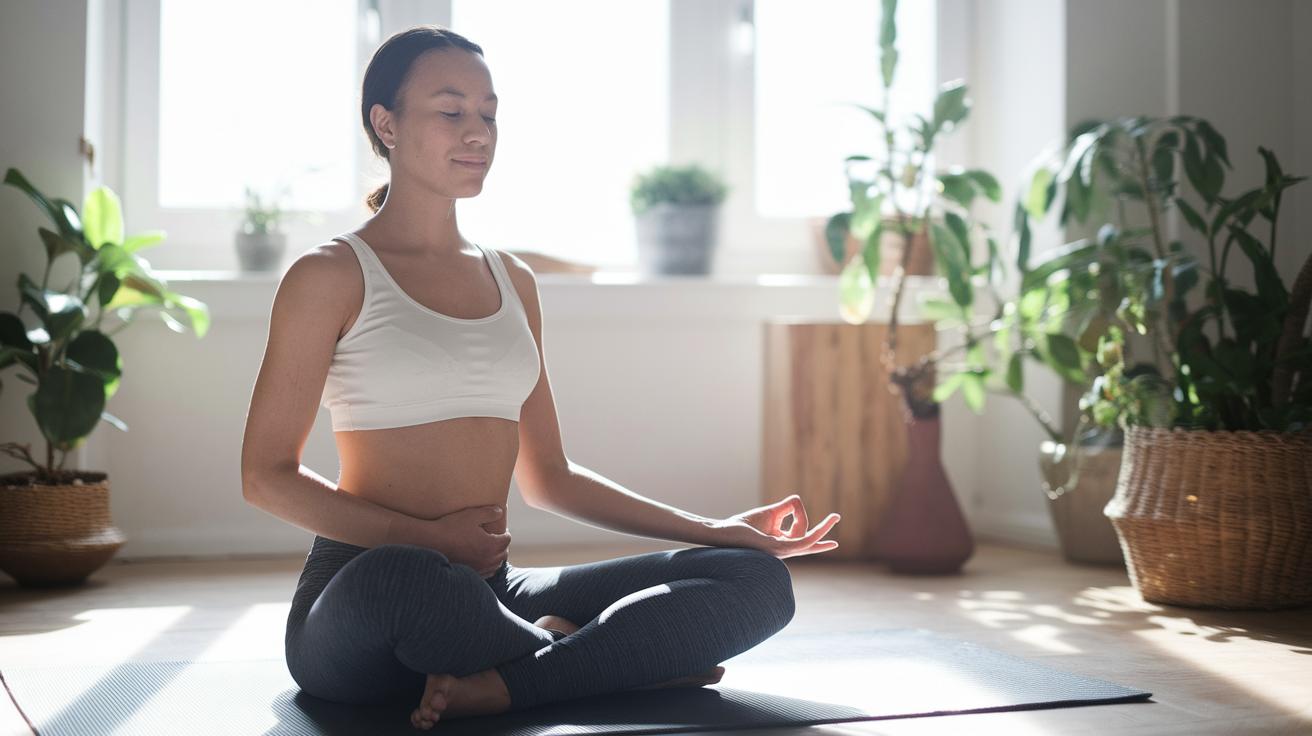
When anxiety hits hard, try using deep, belly-based breathing. This simple method helps switch on your body's natural calm system (the part that relaxes you) and brings your thoughts back to the now.
- Sit in a comfy spot with your back straight.
- Close your eyes and gently rest one hand on your belly.
- Breathe in slowly through your nose for 4 seconds, noticing your belly rise.
- Hold your breath for 7 seconds.
- Exhale slowly through your mouth for 8 seconds, feeling your belly fall.
- Repeat these steps 4 to 6 times or until you notice a shift toward calm.
To enhance the calming effect, add a bit of visualization. Picture a quiet beach or a favorite park. Focus on the sensory details, imagine the soft sand under your feet or the sound of rustling leaves. Combining this visualization with a short meditation can help quiet racing thoughts.
For extra guidance, you might explore methods like "deep breathing for anxiety attacks" (https://bezenn.com?p=599) or "mindful breathing for anxiety" (https://spiritushealingarts.com?p=210).
Try setting aside 5 to 10 minutes each morning for these breathing exercises. A daily routine like this can help you manage anxiety right away and build a lasting sense of calm over time.
Grounding & Progressive Muscle Relaxation for Anxiety Control
The 5-4-3-2-1 grounding method brings your attention back to the here and now by using your senses. Start by naming five things you can see, maybe a picture or a plant. Then, touch four objects nearby, like the fabric of your shirt or a smooth table. Next, listen for three different sounds, such as a gentle fan or distant traffic. Follow by noticing two distinct smells, perhaps freshly brewed coffee or cool air, and finish with one taste, like a sip of water or a hint of mint. This simple exercise shifts your focus from overwhelming thoughts to the small details around you.
Progressive Muscle Relaxation (PMR) offers another way to ease anxiety. Begin with a large muscle group, like your feet. Squeeze them for 5 to 10 seconds, as if gripping a doorknob, and then slowly let go. Continue with your calves, thighs, hands, arms, and even your facial muscles. Each time, the act of tensing and then releasing helps your body learn to unwind.
Both techniques are quick self-soothing strategies. Whether you use the grounding method or PMR, each helps calm your body and mind by focusing on real, physical sensations. Try one of these steps next time anxiety starts to creep in.
Physical Activity Benefits for Immediate & Ongoing Anxiety Relief
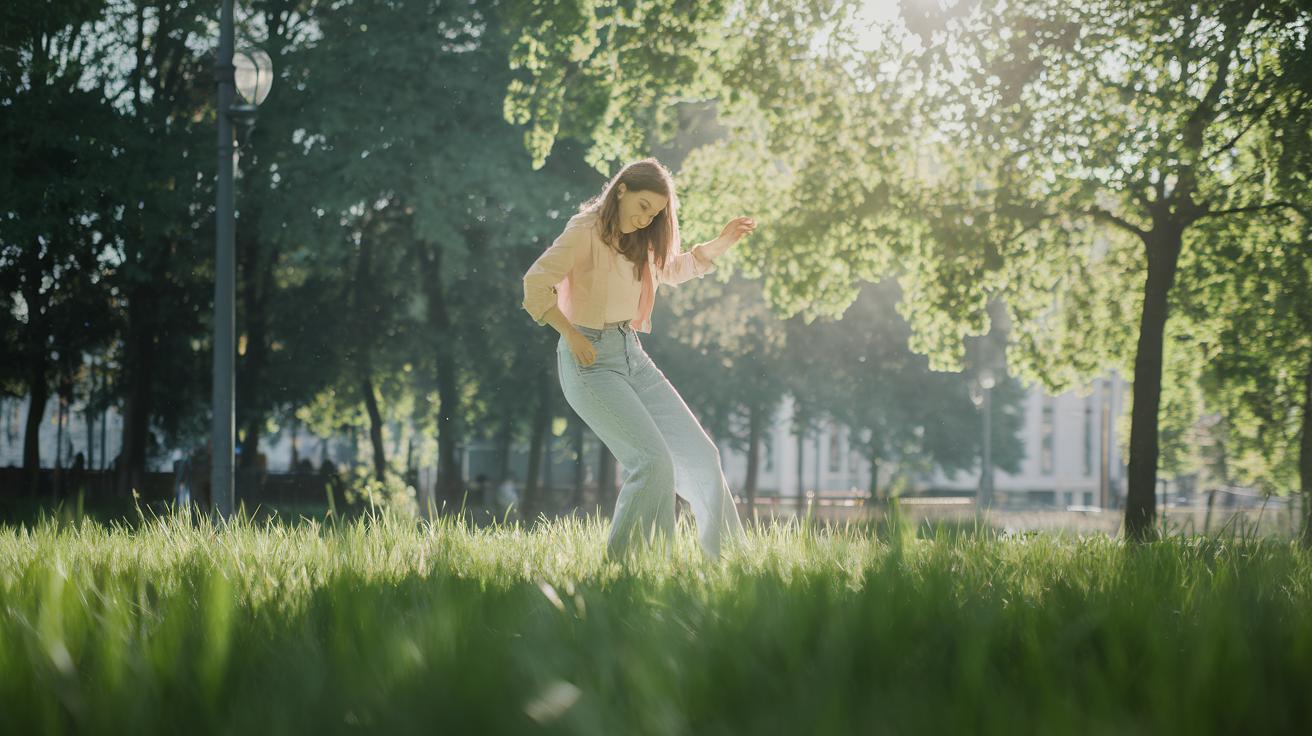
Moving your body, like taking a brisk walk, doing jumping jacks, or having a quick dance session, can help your body clear stress hormones such as adrenaline and cortisol. It also releases endorphins, which are natural mood lifters. Try a one-minute burst of dancing; you might feel a noticeable shift in your mood right away.
Mixing these quick moves with regular outdoor activity can build your long-term resilience too. A short walk in your local park or a varied routine with rhythmic movement not only eases stress in the moment, but also helps keep your mood balanced over time.
Lifestyle Adjustments for Long-Term Anxiety Management
Quick take: Small changes in your everyday routine can help you feel calmer and more in control over time. When you build a steady routine that includes good sleep, nourishing food, regular movement, and time to reflect, you give yourself a strong boost against anxiety.
Think of these habits like small steps on a path. Stick to a regular bedtime and keep screens away before sleep. Enjoy balanced meals and stay hydrated throughout the day. Get some exercise, maybe a brisk walk around the block or a simple home workout. Take a few moments to jot down your thoughts or chat with someone you trust. Each of these steps can help lower anxiety gradually and build lasting strength.
| Strategy | Description | Frequency |
|---|---|---|
| Sleep Hygiene | Set a regular bedtime and reduce screen time at night for better sleep. | Daily |
| Balanced Nutrition | Eat whole, nutrient-rich foods (like omega-3 sources) to support a steady mood. | Everyday |
| Hydration | Drink water often to keep your body running smoothly and your mind clear. | Throughout the Day |
| Regular Exercise | Move your body, try a quick walk or a home routine to relieve stress. | Several Times Weekly |
| Reflective Journaling | Write down your thoughts to help process emotions and notice progress. | Daily or When Needed |
| Social Support | Connect with family or friends to share your ups and downs. | Regularly |
Stick with these habits every day and you’ll start to feel more grounded. Good sleep builds a strong base for the day, balanced meals and proper hydration help keep your mood steady, and regular exercise can ease stress. Journaling gives you a quiet moment to process your feelings, and talking with someone supportive may boost your confidence along the way.
If you’re looking for more ideas, you might explore different stress management techniques for anxiety (https://bezenn.com?p=571) or try incorporating exercise for stress relief (https://spiritushealingarts.com?p=438). Remember, every small change is a step toward a calmer, more balanced life.
Professional Counseling & Digital Tools for Sustained Anxiety Support
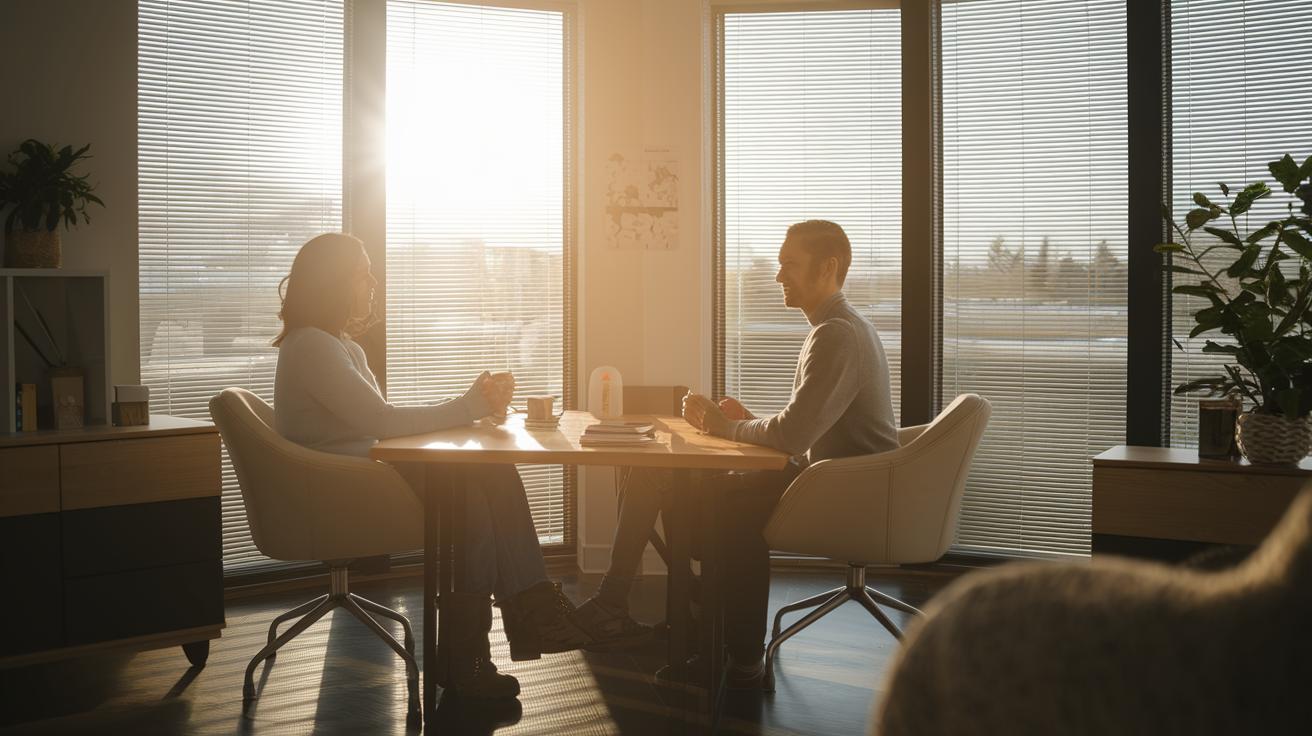
When anxiety feels overwhelming or persistent, meeting with a professional in person can be a great first step. Therapies like cognitive behavioral therapy (CBT), dialectical behavioral therapy (DBT), or acceptance and commitment therapy (ACT) offer clear methods to change anxious thoughts and reactions. Sitting with a licensed therapist face-to-face creates a warm, personal space where you can learn and practice coping skills in a safe setting.
Online therapy, such as teletherapy or video sessions, is also a flexible option. Many find it easier to fit sessions into a busy schedule using secure video calls or messaging. This method cuts down on travel time and gives you fast access to expert advice when you need it.
Additionally, smartphone apps and digital mindfulness tools are on the rise. They offer guided meditation, mood tracking, and quick relaxation tips right at your fingertips. These resources can easily complement traditional therapy, helping you stay grounded with brief, regular check-ins throughout your day.
Final Words
In the action, you’ve learned how simple, science-backed methods can ease anxiety fast and set the stage for lasting calm. We covered tools like belly breathing, grounding techniques, and quick intense movement, along with ideas for healthier sleep, nutrition, and professional support. These anxiety reduction strategies (quick + long-term) mix immediate relief with habits that build resilience. Small, steady steps can pave the way to feeling better every day. Keep moving forward one step at a time and enjoy the positive changes along the way.
FAQ
How do you reduce anxiety immediately at home?
Reducing anxiety immediately involves using quick tools such as deep breathing, brisk movement, or aromatherapy to shift your focus away from anxious thoughts and ease your stress right away.
What foods help reduce anxiety fast?
Foods that help reduce anxiety fast are rich in omega-3 fatty acids, magnesium, and antioxidants. They support brain function and help balance stress hormones, offering a quick nutrient boost to calm the body.
How do you handle anxiety when you’re alone and stop anxious thoughts?
Handling anxiety when alone can involve grounding techniques, mindful breathing, and journaling. These actions shift attention from spiraling thoughts and create a practical way to regain calm and control.
What are quick ways to calm an anxiety attack and deal with anxiety in simple steps?
Quick ways to calm an anxiety attack include controlled deep breathing, sensory grounding techniques, and brief physical movement. Following a simple, step-by-step routine can help interrupt escalating anxiety and restore calm.
How do you reduce anxiety long term and adopt supportive lifestyle changes?
Reducing long-term anxiety means building healthy habits like regular exercise, balanced nutrition, journaling, and consistent sleep routines. These lifestyle changes gradually lower stress levels and build lasting resilience.
What is the 3-3-3 rule for anxiety?
The 3-3-3 rule for anxiety directs you to name three things you see, three things you can touch, and three things you hear. This sensory exercise grounds you in the present moment and eases anxiety.
What is the worst habit for increasing anxiety?
The worst habit for increasing anxiety is consuming too much caffeine, as it overstimulates the nervous system and can intensify feelings of jitteriness and anxious thoughts.