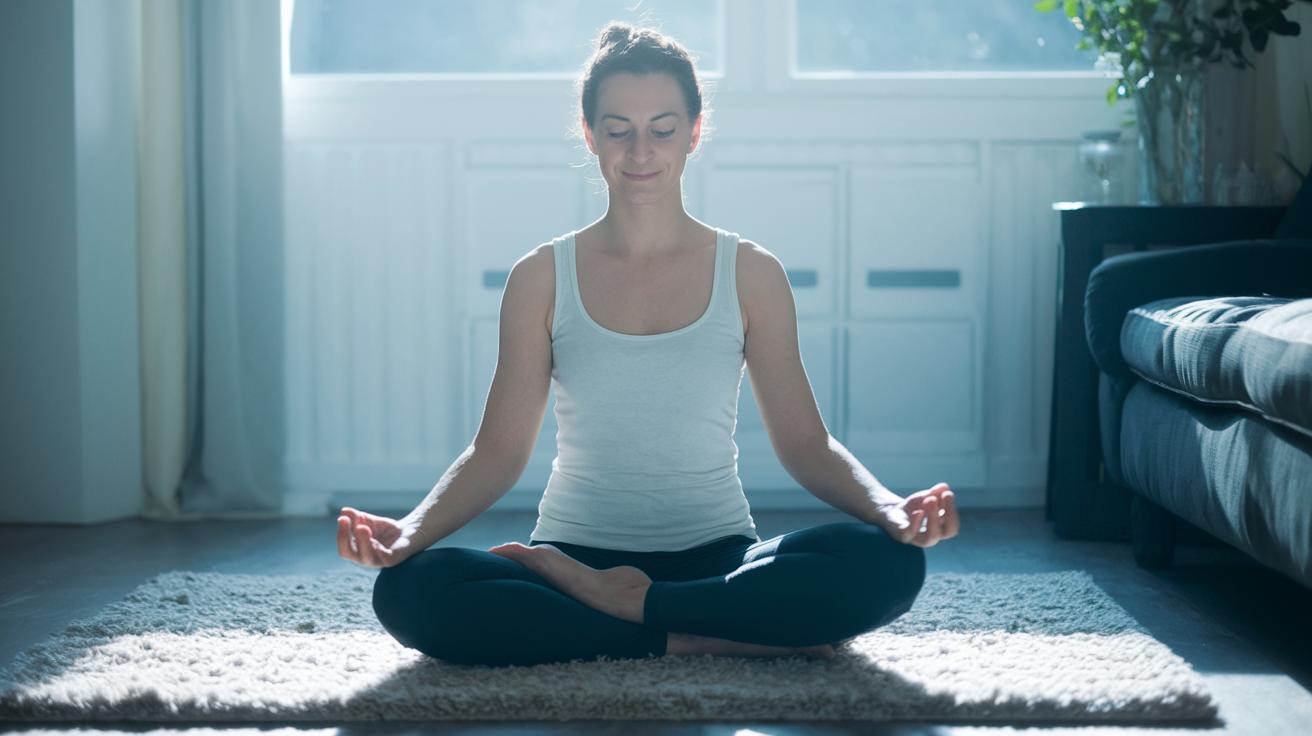
Ever thought a quiet beach image could ease your worries? When stress hits, try picturing peaceful scenes, like a gentle stream or a soft sunset, to tell your brain it's time to chill out. Pair these calming images with deep breaths and a simple muscle-relaxing move. These easy steps can help turn anxious moments into peaceful breaks. Try it out today!
How visualization techniques for anxiety reduction work
Visualization helps steer your mind from stress to calm by filling it with peaceful images. When you picture a quiet beach or a gentle stream, your body gets the signal to relax. This simple trick works best when paired with deep breathing or muscle relaxation exercises, since it's hard for anxiety and calm to mix.
Combining visualizations with deep breaths, progressive muscle relaxation (loosening tight muscles), and self-kindness builds a strong mind-body connection. These methods guide you to focus on positive outcomes and self-care. Research shows that these practices can help improve your mood and foster a calmer state.
- It redirects your focus from worry to peaceful images.
- It stops negative thoughts by showing intrusive worries as temporary.
- It boosts relaxation by matching calming images with deep breaths and releasing tension.
Try setting aside a few minutes each day to picture a soothing scene, like a tranquil river, while you take a few slow, deep breaths. With regular practice, your body begins to relax naturally, making it easier to manage anxiety when it appears.
Guided imagery exercises for anxiety relief

Guided imagery gives you a quick mental break to shift from anxiety to calm. Picture a quiet retreat or a favorite peaceful spot when stress builds up. Using a clear mental image can help block out racing thoughts and bring you back to a state of calm.
Here are some simple exercises to turn worry into a moment of creativity and ease:
| Technique | Focus | Duration |
|---|---|---|
| Peaceful scene | Imagine a quiet nature setting like a forest or beach | 3-5 minutes |
| Happy place | Visualize your personal oasis filled with joyful memories | 3-5 minutes |
| Ball of yarn | Picture a soft, light yarn ball that helps you let go of tension | 3-5 minutes |
| Cloud technique | See a drifting cloud that carries away anxious thoughts | 3-5 minutes |
When picking an exercise, think about what fits your mood and routine. For example, if imagining drifting clouds makes you feel light, try the cloud technique. Or, if revisiting a warm memory brings you comfort, choose the happy place visualization. Experiment with these ideas until you find the one that feels just right in the moment.
Performance and outcome visualization for stress control
Outcome visualization is a simple yet powerful tool to help calm your nerves during high-pressure moments like exams or games. Picture yourself acing a tough test or scoring the winning goal. This clear mental picture shifts your focus away from worry and builds confidence from within.
Process visualization helps break big tasks into small, manageable actions. Instead of feeling swamped by one large challenge, you can focus on each step. For example, if you’re preparing for a presentation, imagine opening your slides, speaking clearly, and engaging your audience one step at a time. Research shows that when you rehearse tasks in your mind, it can help lower stress and improve performance.
Integrating visualization with breathing and relaxation for anxiety control
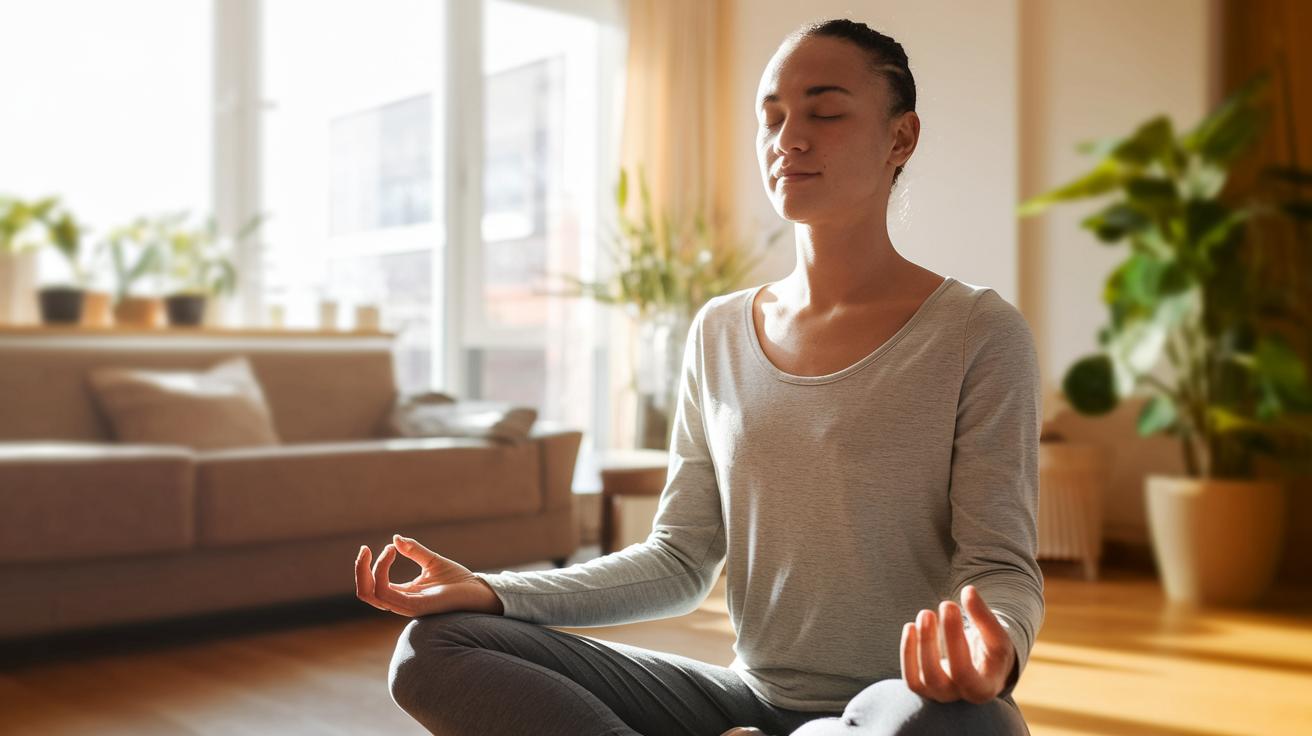
Combine visualization with deep breathing and muscle relaxation to turn tension into calm. Close your eyes, take slow breaths, and imagine a soothing flow taking stress away. If you want more guidance, try mindful breathing for anxiety: https://spiritushealingarts.com?p=210.
Start by scanning your body from your head down to your toes. With every slow breath, picture tight spots easing, your forehead, jaw, and shoulders begin to relax. As you breathe out, let go of stress and fill your body with gentle warmth. Picture it like watching stress melt away, just like ice under the sun.
Now, try progressive muscle relaxation. Tense a specific muscle group for a few seconds, then let it go while picturing the tension leaving your body. Imagine taking off a heavy coat on a warm day. With regular practice, you can turn everyday stress into moments of calm.
Crafting personalized visualization routines for daily anxiety management
Start by picturing a scene that feels personal to you, maybe a peaceful sunrise over a still lake or the cozy vibe of your favorite reading nook. This simple choice makes the practice more engaging and effective.
Set aside a few minutes each day, either in the morning or at night, to build your meditation habit. Pick a quiet spot, a comfy chair or a small corner in your home, and try to stick with it. You can set a timer or pair this time with a daily routine, like right after breakfast.
During your practice, focus on creating a clear, calming image. Picture gentle waves rolling onto the shore, each one washing away a bit of your stress. Let your mind settle on this peaceful scene while your environment stays quiet and undisturbed.
By making visualization a small, regular part of your day, you can slowly shift from anxiety toward a calmer state. Tying this practice to everyday habits, such as after a morning meal or before bed, can turn it into a comforting self-care ritual.
Precautions and tips for effective visualization in anxiety reduction

Visualization is a simple tool to help shift your mind from worry to calm. It can offer a peaceful break, though everyone experiences it in their own way. Remember, it’s just one piece of the anxiety puzzle and isn’t a replacement for professional support when stress is very high.
Start with a short session of 2–3 minutes in a quiet spot where nothing interrupts you. Pick images that bring you comfort, picture a gentle stream or soft light melting away tension. Notice your feelings while you visualize. If the practice starts to feel tiring, don’t push for more time or force any images. Also, avoid busy or noisy places because they can interfere with the calming effect. For instance, a quick, soothing break right after a busy moment can help you reset.
After each session, check in with yourself. If visualization seems to raise your stress or if anxiety still lingers, consider reaching out to a healthcare professional for personalized advice.
Resources and further guidance for visualization techniques
If you want to try visualization techniques, there are plenty of free online tools to help you get started. You can find audio-guided sessions and scripts that walk you through self-led visualizations step by step. Many therapists also use simple imagery exercises and structured guides to replace negative images with calmer, more balanced ones.
You can also use apps and websites with ready-made visualization exercises. These tools help you track your progress and adjust your sessions based on what works best for you.
For more detailed directions and scripts, check out our internal resource, stress management techniques for anxiety. It provides a broader look at managing stress. You might also explore the external site, techniques for stress relief, where you’ll discover more guided imagery sessions and creative tips to deepen your practice.
Final Words
In the action, this article explored quick ways to use visualization techniques for anxiety reduction. It reviewed how calming images shift your focus, interrupt intrusive thoughts, and work with deep breathing to relieve stress.
• Shifts focus toward peaceful imagery
• Interrupts persistent, negative thoughts
• Supports deep breathing and muscle relief
By fitting these simple steps into your daily routine, you can boost your calm and feel more in control every day. Keep trying these techniques, and enjoy the positive impact on your wellbeing.
FAQ
What are guided visualization techniques for anxiety reduction?
Are there free visualization techniques available for anxiety reduction?
Where can I find visualization exercises in PDF format?
What are the best visualization techniques for anxiety reduction?