
Millions of Americans face the risk of losing their sight from a condition that shows few clear warning signs. Glaucoma works quietly, damaging your optic nerve before you even notice a problem. Imagine it like a tiny leak that, if ignored, can flood your home. In this guide, you’ll find three simple tips to help you spot early changes and protect your vision. Think of these steps as a quick eye checkup, small actions today can stop bigger issues tomorrow.
How Early Detection of Glaucoma Protects Your Vision
Glaucoma is a sneaky condition that harms the optic nerve before you even notice something is wrong. It affects about 4 million Americans, and many don't learn about it until significant damage has already occurred. Catching it early gives your doctor a chance to start treatments before the nerve fibers are lost.
A simple eye exam can make a big difference. During a check-up, your doctor will test your eye pressure and side (peripheral) vision, both key to spotting early glaucoma. Think of it like a car’s routine maintenance; catching an issue early can prevent bigger problems later on.
When glaucoma is found early, treatments like prescription eye drops, laser therapy, or surgery can be started to help protect your sight. By taking this proactive step, you can help keep your vision healthier and your optic nerve in better shape for the long term.
Recognizing Warning Signs and Risk Factors for Early Glaucoma Detection
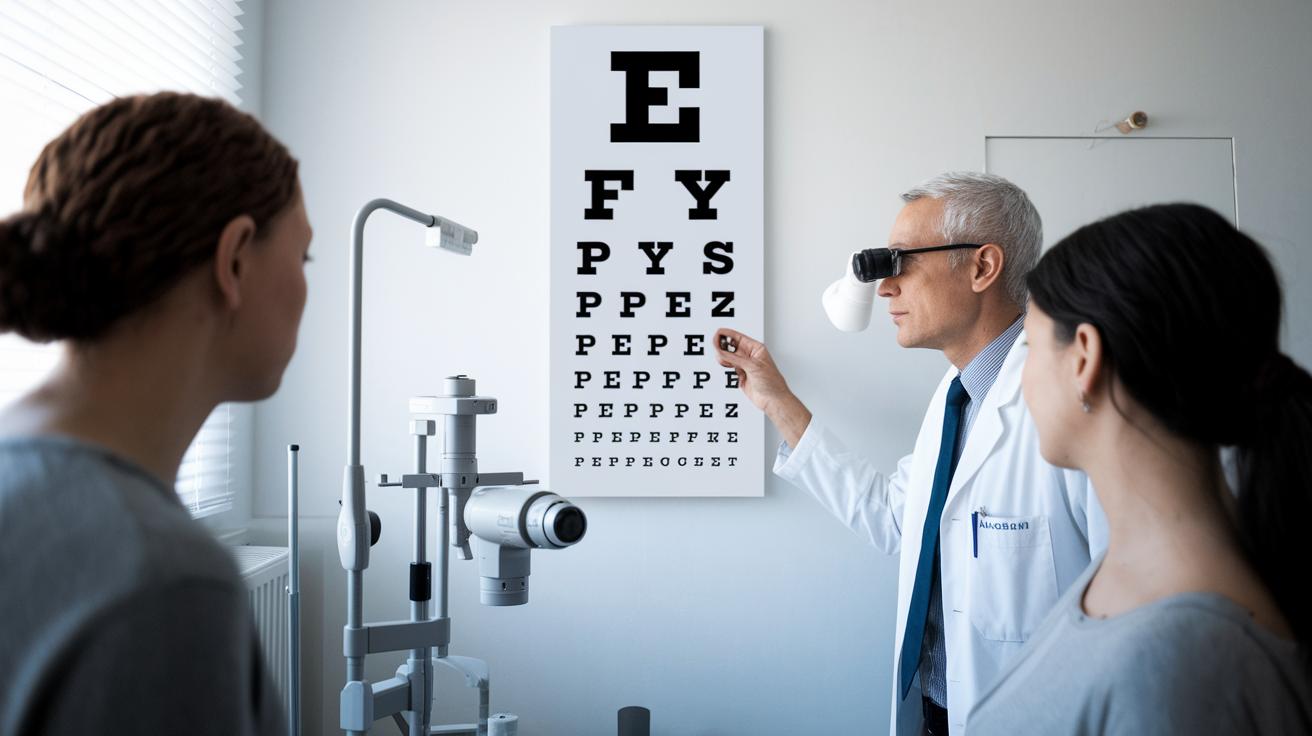
Glaucoma can sneak up on you without any obvious symptoms. You might not feel anything is wrong until significant damage has already happened. That’s why it’s important to get your eyes checked regularly. Even if you feel fine, a simple test can catch tiny changes in your side vision that might be early signs.
Keep an eye on your risk factors. For example, if someone in your family has glaucoma, you should be extra careful. People over 60, those with high myopia (severe nearsightedness), and anyone who has used steroids for a long time also need to be on guard. Some ethnic groups are more likely to develop glaucoma, which makes regular exams even more important.
Try these three quick tips to protect your vision:
- Notice any small changes in your side vision. A slight blur or shadow might be a warning sign.
- Remember your family’s eye health history. If glaucoma runs in your family, ask your doctor about more frequent check-ups.
- If you are over 60 or have high myopia, schedule a complete eye exam regularly to catch early nerve damage.
Staying alert and talking with your doctor can help you catch glaucoma early and prevent further vision loss.
Measuring Eye Pressure and Diagnostic Methods for Early Glaucoma
Checking your eye pressure is often the first step in spotting signs of glaucoma. Doctors use a tool called a tonometer to measure pressure in your eyes, noted in mmHg (millimeters of mercury). The classic method, Goldmann tonometry, gently flattens a tiny part of your cornea for an accurate reading. Some people prefer non-contact tonometry, which uses a quick puff of air and is usually more comfortable. In fact, a short, 5-minute test using non-contact tonometry can detect pressure changes that might indicate early glaucoma, even if you feel fine.
Next, your side vision is checked through a visual field test. This simple test maps your peripheral vision to see if you're missing any details that could signal early optic nerve damage. Even a small gap may suggest that more tests are needed.
Another helpful exam is optical coherence tomography (OCT). This safe, non-invasive test uses light waves to take detailed, cross-sectional images of your retina and gauge the thickness of the nerve fiber layer. If this layer shows signs of thinning, it could be an early sign of nerve damage. Think of OCT as a high-resolution camera for your eye, it captures clear images that can reveal trouble at the very start.
When these tests, tonometry, visual field analysis, and OCT, are combined, they offer a well-rounded picture of your eye health. Working together, they can catch subtle changes like a slight pressure increase or a tiny blind spot, which might make a big difference in protecting your sight. Each test plays its part, and together they help your doctor design a treatment plan that is personalized just for you.
Innovations in Early Glaucoma Screening Tools

New digital tools are making it easier for us to keep an eye on our vision. Now, portable hand-held devices measure your eye pressure right at home, giving you a snapshot in mmHg (a standard unit for pressure) that might show a problem before you feel any symptoms.
Advanced imaging tools are also improving. For instance, optical coherence tomography (OCT), a scan that creates cross-sectional images of your eye, now works with enhanced digital processing. High-resolution scans catch small changes in your nerve fibers and give a detailed look at your optic nerve. To make things even better, smart computer algorithms check these images for early signs of nerve damage, acting like a helpful second opinion.
New smartphone apps let you take quick vision tests by guiding you through simple tasks on your device. In addition, wearable sensors in development are set to monitor your eye pressure around the clock, catching changes that a single clinic visit might miss.
All these advances make early glaucoma screening more accurate, convenient, and personalized, helping to protect your sight every day.
Lifestyle and Preventative Strategies for Early Detection of Glaucoma
Keeping your eye pressure low is easier than you might think. Simple, daily changes can support your optic nerve and even lower eye pressure by 2–3 mmHg as you wait for your next eye exam. These tips work alongside medical screenings to give your eyes a natural boost.
Try these three straightforward steps to protect your vision:
-
Eat a nutrient-rich diet. Choose foods high in vitamins A, C, and E and add omega-3 sources like salmon and flaxseed. For instance, a colorful salad with spinach, carrots, berries, and walnuts can help nourish your optic nerve.
-
Stay active with regular aerobic exercise. A brisk 10-minute walk (about 6.2 miles per hour or 10 km/h) or some cycling can gently lower your eye pressure, a simple tune-up for your eyes.
-
Manage stress and support overall health. Reduce stress with a short breathing exercise, quit smoking, and keep your blood pressure in check. Just 5 minutes of guided breathing in the morning could ease sudden pressure spikes.
Incorporate these easy actions into your daily routine to help protect your vision and enhance the benefits of early glaucoma detection.
Scheduling Regular Eye Exams for Early Glaucoma Detection

Regular check-ups help catch signs of glaucoma before they worsen. Most adults should get a full eye exam every 1–2 years. If you're over 60, have high myopia (severe nearsightedness), or a family history of glaucoma, try to see an eye doctor every year.
Many insurance plans include tests like measuring eye pressure and checking your visual fields. Give your insurance provider a call to understand what’s covered and if you need pre-authorization.
Affordable screening is also available at community health fairs and mobile clinics, especially in underserved areas.
- Review your insurance details before your exam.
- Ask your doctor which tests are part of your coverage.
- Explore local programs offering low-cost eye screenings.
Final Words
In the action, early detection of glaucoma drives real results in protecting your vision. The post explained how identifying risk factors, using accurate tests, and following everyday strategies can keep your eyes healthier. It showed the benefits of simple lifestyle updates and routine eye exams. Each step, from measuring eye pressure to tracking subtle changes, adds practical value. Small, daily actions build a stronger foundation for your sight tomorrow. Keep moving forward with confidence and celebrate every little improvement in your eye care routine.
FAQ
What causes glaucoma?
The cause of glaucoma is increased eye pressure that damages the optic nerve, leading to gradual loss of vision without early noticeable symptoms.
What does glaucoma treatment involve?
Glaucoma treatment involves eye drops, medications, laser therapy, or surgery to lower eye pressure and slow optic nerve damage, preserving your vision.
Is glaucoma hereditary?
The risk of developing glaucoma is higher if it runs in your family, so having a family history of the disease means you should get regular eye exams for early detection.
How can you prevent glaucoma?
Preventing glaucoma includes regular eye exams, maintaining a healthy lifestyle with proper diet and exercise, and managing blood pressure to help keep eye pressure in a safe range.
Is glaucoma curable?
Glaucoma is not curable, but its progression can be managed effectively with early treatment and regular monitoring to slow down further vision loss.
What tests are used to detect glaucoma?
Glaucoma tests include measuring eye pressure (tonometry), assessing peripheral vision (visual field tests), and imaging the optic nerve (like optical coherence tomography) to spot early damage.
What are the types of glaucoma?
The common types of glaucoma are primary open-angle, angle-closure, normal-tension, and secondary glaucoma, each with different causes and treatment approaches.
Can glaucoma be stopped if detected early?
Detecting glaucoma early can allow treatments to slow its progression, reducing the risk of further optic nerve damage and irreversible vision loss.
What are the first signs that glaucoma is developing?
Early glaucoma usually presents no clear symptoms; minor peripheral vision loss may be detected only through specialized tests rather than your everyday vision.
What is considered early detection of glaucoma?
Early detection means diagnosing glaucoma before substantial optic nerve damage occurs by using tests like tonometry, visual field evaluation, and nerve imaging.
What does the rule of 5 for glaucoma mean?
The rule of 5 in glaucoma care sometimes refers to a 5 mm Hg change in eye pressure considered significant for treatment response; however, exact guidelines can vary, so consult your eye care provider.

