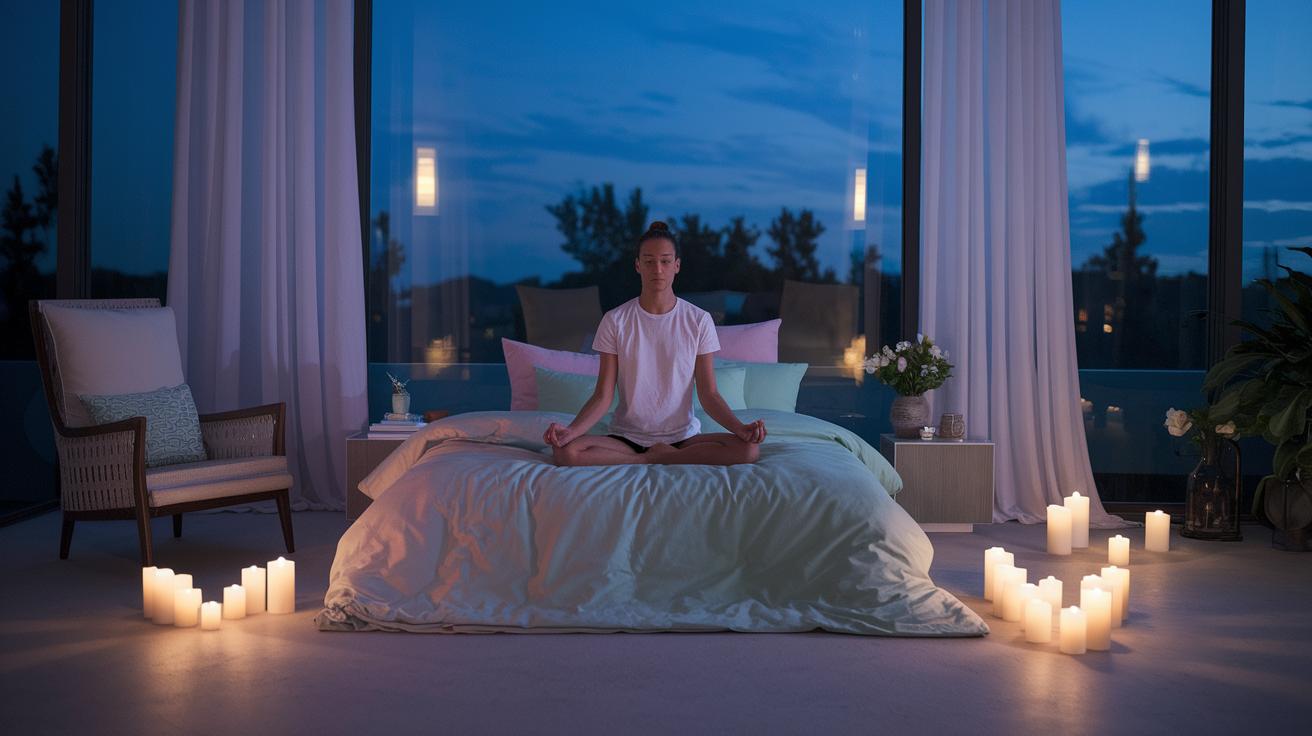
If you often lie awake, tapping your feet while sleep feels far away, you’re not alone. Try yoga nidra, a gentle way to quiet your mind and soothe your body for a deeper, more refreshing sleep. Imagine settling down comfortably as soft, calming words guide you to relax and let go of the day’s tension. Even a short session can help lower stress hormones (chemicals that fuel stress) and create space for the peaceful rest your body needs. This simple practice is a natural remedy for sleep troubles, offering extra support on those restless nights.
Yoga nidra for deep sleep: Calm Rejuvenation
Yoga nidra, also known as yogic sleep, helps guide your body into a soothing, relaxed state. This gentle practice eases your body and mind into deep rest, offering calm physical relief, clearer thoughts, and better sleep. With many U.S. adults facing sleep troubles at least once a month, yoga nidra serves as a natural way to improve your sleep.
During a session, you lie down comfortably and listen to soft, clear guidance. The instructions encourage you to notice your breath and different parts of your body. As you follow along, your heart rate slows and your mind calms. Try a quick 10-minute session, it might lower stress hormones and pave the way for more refreshing sleep.
By inviting your body's natural relaxation response, yoga nidra helps you slip into a deep, healing rest. This simple practice offers a much-needed break from daily stress and sets the stage for a restorative night.
Science of Yoga Nidra’s Impact on Sleep Quality
Recent studies show that yoga nidra can lower stress chemicals and improve sleep structure. In one 8-week study, regular practice helped participants see a 45% drop in insomnia symptoms. Even 10-minute sessions can slow brain waves and reduce cortisol (a stress hormone), helping your body reset its natural sleep cycle.
Another study using brain scans found that yoga nidra activates your body's relaxation response (called the parasympathetic nervous system). This helps lower your heart rate and improves sleep. In short, both your mind and body gain from this gentle, restorative meditation.
| Study/Year | Participants | Key Findings |
|---|---|---|
| 8-Week Study, 2021 | 100 adults | 45% drop in insomnia symptoms |
| Neuroimaging Trial, 2020 | 50 adults | Lower cortisol and slowed brain waves after brief sessions |
| Clinical Trial, 2019 | 75 adults | Improved sleep structure through parasympathetic activation |
Regular yoga nidra not only clears your mind but also brings beneficial physical changes that support deeper sleep. With reduced stress and a calmer body, this practice can help improve your sleep quality and overall well-being.
Step-by-Step Yoga Nidra Routine for Deep Sleep
Find a quiet, comfortable spot where you can lie down without distractions. This routine uses a classic nine-step method by Swami Satyananda to help calm your mind and prepare your body for deep, restful sleep in about 30 minutes.
- Savasana – Lie on your back with support, such as cushions or a blanket. Let your body sink into the surface and feel each muscle relax.
- Full-Body Scan – Slowly focus on each part of your body. As you do this, imagine any tension melting away.
- Set Your Intention (Sankalpa) – Quietly say a positive phrase three times, for example, "I am calm and capable." This helps you focus on a good thought.
- Rotate Your Awareness – Mentally move through your body part by part, like shining a light on each area. This brings warm, relaxed feelings to every spot.
- Focus on Your Breath – Place your attention on your belly button and notice the gentle rise and fall with each breath. This simple focus helps keep you grounded.
- Experience Paired Sensations – Notice two opposing feelings, like warmth and coolness, to help your body balance and relax.
- Visualize Calming Images – Picture relaxing scenes such as gentle waves, twinkling stars, or a soothing full moon. Let these images bring you a deeper sense of calm.
- Repeat Your Intention – Once more, recite your positive phrase three times, reinforcing your calm state.
- Gradually Return – Slowly move your fingers and toes as you bring your awareness back to your surroundings, preparing your body to wake gently.
Try practicing this routine in a dimly lit room with a comfortable surface to help your body and mind ease into deep sleep.
Recommended Guided Yoga Nidra Resources for Deep Sleep

If you’re looking to calm your mind and ease into a deep sleep, guided audio meditations are a great option. Many programs offer both quick, 10-minute sessions and longer, more in-depth practices so you can choose what fits your day.
Picture a simple 10-minute session with natural forest sounds and birdsong. This calming audio can slow your brain waves, helping you relax deeply. It even uses a gentle breathing technique that scientific studies suggest can help ease your nervous system.
You can find many guided practices online. Popular platforms like YouTube, Insight Timer, and various online studios offer sessions that have already helped thousands, even millions, of meditators. These resources make it easy to fit calming audio or video sessions into your busy days or use them to wind down before bed.
For a deeper dive, you might consider structured training programs. Options range from a 100-hour Yoga Nidra certification to more extensive courses, like a 200-hour Embodied Wisdom program or a 70-hour Restorative Teacher Training. These programs offer professional guidance, plenty of practice, and a community of people working toward the same goal: better, deeper sleep.
Integrating Yoga Nidra into a Nightly Sleep Ritual
Set aside 20-30 minutes each evening for yoga nidra to help calm your body and mind before bed. This practice can lower stress hormones (like cortisol) and slow your brain activity so you can relax deeply. Start by creating a sleep-friendly space, a cool, dim room free of distractions with comfy bedding and soft lighting that gently signals bedtime.
Choose a quiet corner where you can lie down comfortably. You might use a blanket or cushion for extra support. Over time, your body will learn to associate this routine with sleep. If 20 minutes feels too long at first, begin with just 10-15 minutes and gradually increase the time as you feel ready.
Consider pairing yoga nidra with another relaxing activity, such as reading a book or listening to soft music. For a full routine guide, check out the bedtime routine for a sleep reset at bedtime routine for sleep reset.
Safety Tips and Adaptations for Beginner Yoga Nidra Practitioners
Practice Environment
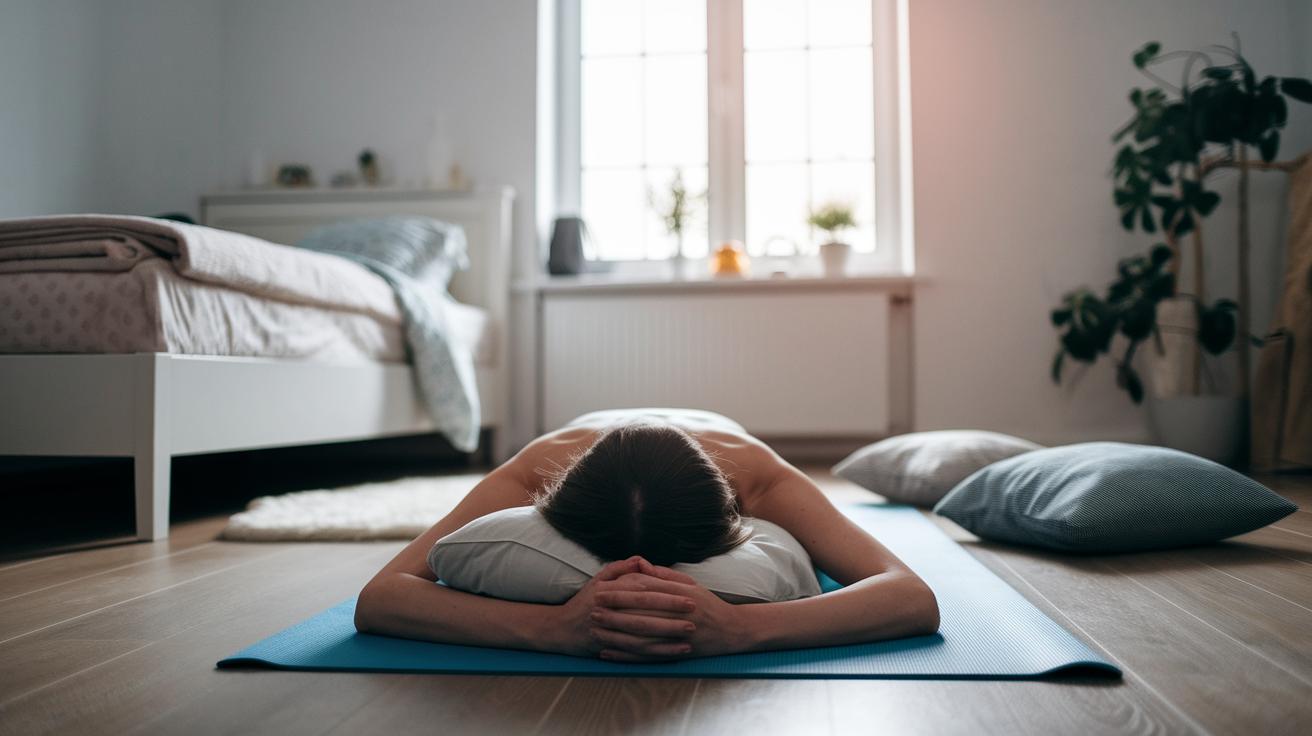
Find a quiet spot where you can relax without interruptions. Choose a room with soft, low lighting that tells your body it's time to wind down. Make sure the temperature feels just right, neither too hot nor too cold. You can also play soft background sounds, like gentle music or white noise, to keep the calm going. Setting up your space this way helps your body ease into a soothing yoga sleep routine.
Posture and Props
Lie on a firm surface like a yoga mat or a bed that gives you solid support. Use blankets or bolsters to cushion your joints and make yourself comfortable. Make sure you’re in a safe area, away from hazards like stairs. To help you focus, try slow, steady breathing. For more guidance, you might check out a simple deep breathing routine for anxiety. These adjustments keep you relaxed and help you enjoy yoga nidra safely as you build your practice.
Common Questions About Yoga Nidra for Deep Sleep
Ever wonder how long a yoga nidra session should be? Most sessions run between 10 and 45 minutes, with many people finding 30 minutes just right. That time helps your body relax deeply, which can boost both your sleep and ease stress.
You might be curious about when improvements show up. With daily practice, you often start seeing benefits in 4 to 6 weeks. At first, you may fall asleep faster and feel less stressed. It’s not a magic fix, but a gradual change that builds over time.
Many also ask if anyone can try yoga nidra. The good news is that nearly all adults can benefit from it, even if you’re not very flexible. However, if you’re very sleep-deprived or need to stay alert for tasks like driving, it’s best to skip a session until you can safely relax.
If you’re new to the practice, know that yoga nidra is guided and suitable for both beginners and seasoned practitioners. It’s a simple way to help improve your sleep and lower stress.
Final Words
In the action, we've explored how yoga nidra for deep sleep calms your body and mind. The post showed you the science behind calm nervous systems and reduced stress hormones. We walked through the step-by-step routine and highlighted trusted resources for guided sessions. Simple adjustments like a quiet room and comfortable props can enhance your nightly habit. Keep trying these steps regularly, and enjoy the restful benefits in your everyday life. Small changes today can lead to a night of truly restorative sleep.
FAQ
How does yoga nidra support deep sleep and healing?
Yoga nidra supports deep sleep and healing by calming your nervous system and reducing stress. A guided practice brings physical relaxation and mental clarity that can boost overall well-being.
How does yoga nidra help with sleep and anxiety, and what are some recommended approaches?
Yoga nidra eases anxiety and promotes better sleep by lowering stress and activating deep relaxation. Many guided sessions, including those shared by experts like Ally Boothroyd, offer effective techniques to calm the mind and body.
How can yoga nidra address sleep problems?
Yoga nidra can address sleep problems by reducing stress hormones and encouraging a deep state of relaxation. Regular sessions may help restore your natural sleep rhythm and improve sleep quality.
What benefits does a 15-minute yoga nidra session offer for sleep?
A 15-minute session offers a quick relaxation break that calms the mind and body, helping signal your system to prepare for restful sleep when done consistently.
How does a 30-minute yoga nidra session improve sleep quality?
A 30-minute session provides extended time to fully relax and release tension, slowing your heart rate and priming your body for deeper, more restorative sleep.
Are there free yoga nidra sessions available for better sleep?
Free yoga nidra sessions are available online and can guide you through a relaxation practice designed to reduce stress and improve sleep without any cost.
Does yoga nidra actually help with deep sleep?
Yoga nidra helps with deep sleep by activating the parasympathetic system, which calms the body and mind, reduces stress, and contributes to higher-quality sleep.
What is 30 minutes of yoga nidra equivalent to in terms of relaxation?
Thirty minutes of yoga nidra is similar to engaging in a mindful rest that deeply relaxes your body, mimicking the stress-relieving effects of a longer nap through guided meditation.
Can practicing yoga nidra lower blood pressure?
Yoga nidra may lower blood pressure by reducing stress hormones and calming the nervous system. Regular practice can create a more relaxed state beneficial for heart health.
When should you avoid practicing yoga nidra?
You should avoid yoga nidra when you need to stay alert, such as before driving, or if you are extremely sleep-deprived, as it might worsen fatigue rather than provide restorative benefits.