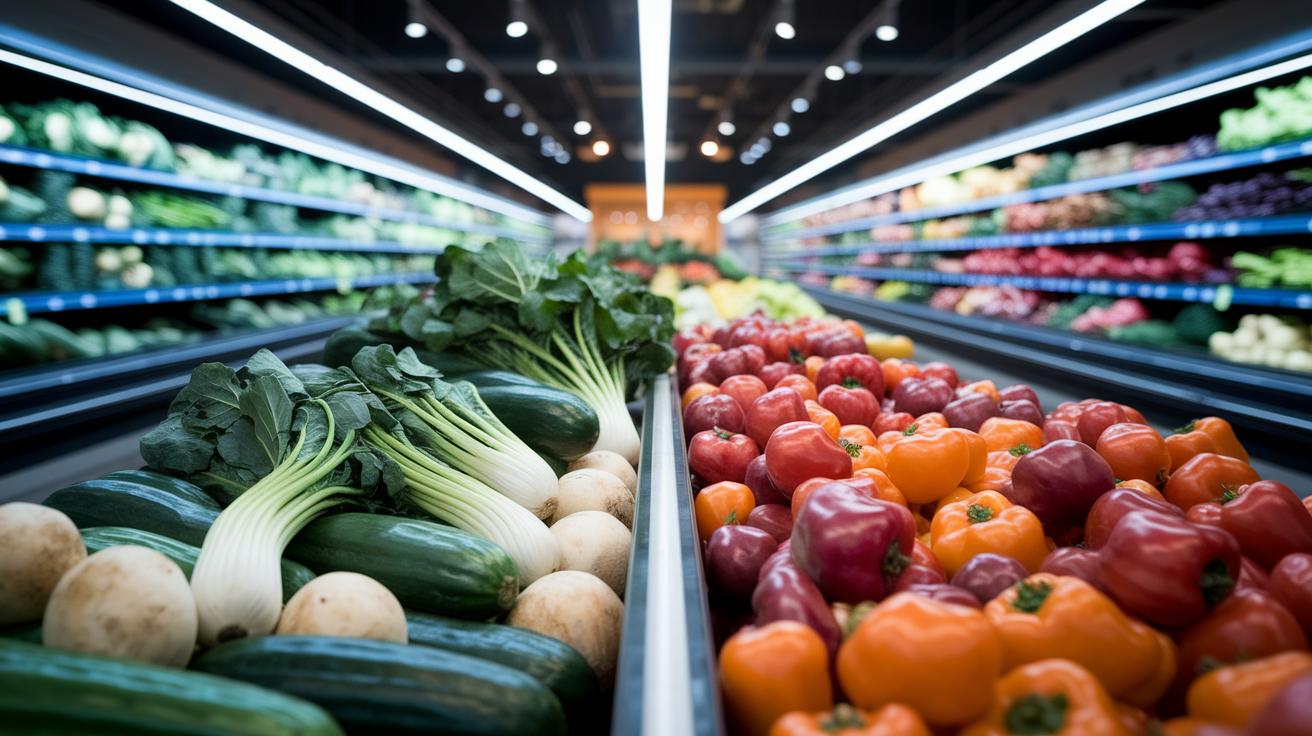
Ever wonder if spending more for organic food really matters? Research shows that organic and regular produce have similar nutrient levels. Organic options do tend to have fewer pesticides, but both types usually fall within safe limits.
This article lays out the facts on nutrition, pesticide exposure, and cost so you can choose what works best for you. Whether you lean toward the peace of mind from lower pesticide levels or need to manage your grocery bill, read on to decide if organic foods are worth the extra cost.
Organic Whole Foods vs Conventional: Major Insights on Nutrition, Pesticides & Cost
Research shows that the vitamin and mineral differences between organic and conventional fruits and vegetables are very small. While organic foods might have a tiny edge in nutrient content, this boost probably doesn't change your overall diet in a big way. One study even found that organic produce had about 30% less pesticide residue than conventional options. That said, the pesticide levels in conventional produce are well within the safe limits set by government guidelines.
At the end of the day, choosing between organic and conventional comes down to what matters most to you and your budget. Organic options can cost more because they require stricter farming methods, extra labor, and certification fees. If you’re spending a little extra, you might also consider buying locally grown produce. Local items can be extra fresh, may even offer a small nutrient boost, and they help reduce long-distance transportation.
Along with the price, think about the environmental impact. Choosing organic can help reduce exposure to chemicals. At the same time, conventional foods remain a safe and more affordable choice if you’re keeping an eye on your budget. Your decision should reflect what you value most, whether it’s cutting back on pesticides, supporting local farmers, or staying within your financial comfort zone.
Nutrient Density Evaluation: Organic Whole Foods vs Conventional

New research shows that while organic and conventional produce are pretty similar overall, some growing conditions can give organic crops a little boost in nutrients. Studies have found that under certain conditions, organic farming may lead to slightly higher levels of vitamin C and natural antioxidants.
For example, one trial revealed that organic spinach had about 5% more iron than conventional spinach. This finding shows how factors like soil quality and local weather can nudge nutrient levels higher in some cases.
Key insights:
- Local soil and climate can subtly enhance nutrient content.
- Some organic crops may outperform their conventional counterparts in certain vitamins and antioxidants.
- These differences are small, so consider flavor, cost, and your personal preference when choosing produce.
Pesticide Residue Insights: Organic Whole Foods vs Conventional
Organic fruits and vegetables tend to have about 30% less pesticide residue. Even though conventional produce usually meets government safety limits, the tiny amounts that build up over time might raise health concerns. Studies suggest that long-term exposure can contribute to problems like birth defects, nerve damage, certain cancers, and water pollution. Choosing organic can be a practical step if you want to cut down on these chemicals.
Consumer guides can be really useful when you're grocery shopping. For example, the Dirty Dozen list points out fruits and veggies with higher pesticide levels, here, buying organic could be a smart move. Meanwhile, you can feel comfortable buying items from the Clean 15 list as regular produce.
Key points:
- Organic produce roughly has 30% lower pesticide residue.
- Conventional produce is safe by current standards but may add up over time.
- Long-term use of pesticides is linked to significant health risks.
- Guides like Dirty Dozen and Clean 15 help you pick the best options for your budget and health.
By keeping these ideas in mind, you can make choices that work for both your wallet and your wellbeing.
Environmental Impact Comparison: Organic vs Conventional Whole Foods

Organic farming relies on natural methods to manage pests. This approach reduces the risk of groundwater contamination and prevents soil erosion so that fields stay healthy and productive. For example, one small study found that organic farms had soil that was looser and richer in life compared to farms using man-made chemicals. Buying locally grown organic produce can also cut transport distances, which in turn lowers carbon emissions.
Conventional farming tends to use synthetic fertilizers and pesticides. These man-made inputs can hurt local wildlife, including beneficial insects and soil bacteria. They sometimes seep into nearby waterways, affecting both aquatic life and the quality of our drinking water. While conventional produce generally meets safety standards, the overall environmental effects raise real concerns.
Key sustainability measures include soil health, water quality, and carbon output. Although organic fields may yield less produce per acre, potentially requiring more space, the benefits of robust soil and reduced pollution are significant. Healthy soil naturally stores carbon, which can help lower the amount of greenhouse gases in the air.
- Lower risk of groundwater contamination through natural pest control
- Less chemical runoff helps keep waterways cleaner
- Healthier soil that captures and stores carbon
These points show that organic farming, despite needing more land in some cases, plays an important role in protecting our soil, water, and biodiversity, while also reducing long-distance transport emissions.
Expense Differential Assessment: Cost of Organic Whole Foods vs Conventional
Organic produce usually costs about 20–50% more because it takes extra work, has certification fees, and is made in smaller batches. Regional and seasonal changes can lower prices sometimes, especially during local harvests. One shopper shared that when they switched to nearby organic leafy greens during peak season, they noticed the extra cost went down.
You can manage your food budget by choosing organic for fruits and greens known for higher pesticide levels, and opting for regular produce when levels are naturally lower. This way, you still enjoy organic benefits without overspending. Plus, local seasonal deals offer a smart way to save money while supporting community farms.
| Cost Factor | Explanation |
|---|---|
| Price Premium | Organic items can cost 20–50% more. |
| Seasonal Changes | Regional and seasonal shifts may lower prices. |
| High-Residue Produce | Choose organic for fruits and greens with more pesticides. |
| Local Deals | Local, seasonal bargains help keep costs down and support farms. |
Patron Preference Insights: Organic Whole Foods vs Conventional in Consumer Decisions

Many people choose organic because it can mean fewer chemicals, a healthier environment, and a promise of fresher food. One shopper shared, "I trust organic labels because they guarantee a genuine, natural product." Taste tests show that organic produce often has a bolder flavor, making meals feel more special.
Certification labels give buyers confidence that the food was produced with care. When you shop at local farms, you also know your food is fresh and grown nearby, adding another layer of trust.
Key reasons people pick organic include:
| Reason | What It Means |
|---|---|
| No Synthetic Chemicals | Staying clear of man-made pesticides. |
| Support for the Environment | Backing farming practices that care for nature. |
| Enhanced Flavor | Enjoying richer, more vibrant tastes. |
Shopping at local markets also builds community and supports nearby growers. Beyond the nutritional benefits, trust, taste, and local connections all play a big part in choosing organic over conventional options.
Compliance Standards and Expert Opinions on Organic Whole Foods vs Conventional
Organic certification sets rules that limit the use of synthetic fertilizers, GMOs (genetically modified organisms), hormones, and some pesticides. Experts believe these standards clearly define what organic means. One agronomist mentioned that while strict rules may lower exposure to certain chemicals, they might simply change where risks occur. This leaves us asking: is the extra safety really substantial?
Many professionals recommend taking a closer look at both organic and conventional farming methods. Modern conventional practices now use techniques like precision agriculture (using technology to adjust and improve farming processes) to boost crop yields and lessen environmental impact. This progress challenges the idea that organic farming is always the safer or better choice.
Key points include:
- Organic certification restricts many synthetic inputs.
- Some experts feel that these limits might just move potential risks around.
- New conventional methods use smart, sustainable practices to improve efficiency.
By comparing these approaches, you can better decide which system fits your personal values and budget. One expert summed it up well: looking at organic and precision agriculture side by side shows you the trade-offs that each method brings.
Final Words
In the action, we examined key comparisons in nutrition, pesticide residues, environmental impact, cost factors, and consumer choices. Each section showed you that both organic and conventional options have pros and cons.
The discussion on organic whole foods vs conventional (is it worth it) highlights that your choice should depend on personal priorities and budget. Keep this guide handy as you make small changes that boost daily wellbeing.
FAQ
Is organic food healthier than conventional food?
Research shows organic food generally has slightly fewer pesticide residues and minor nutrient differences. Both can support a healthy diet, so choose based on your personal values and priorities.
What are the pros and cons of organic food?
Organic foods offer benefits like reduced pesticide exposure and environmental support, but they also tend to cost more and may not show significant nutrient differences compared to conventional options.
Why is organic food more expensive and is it worth the extra money?
Organic products are pricier due to labor-intensive practices and certification fees. Deciding if they’re worth it depends on whether lower pesticide levels and sustainable methods align with your values.
How do organic and conventional pesticides compare?
Organic produce generally contains about 30% less pesticide residue than conventional items, even though both remain under government safety guidelines. The difference reflects distinct farming practices.
What happens to your body when you start eating organic?
Eating organic may lower your exposure to pesticides and encourage a diet rich in whole, fresh foods, which could support overall well-being, though individual results vary with overall diet quality.