Have you ever thought that a routine screening might actually save your life? Colorectal cancer is a serious threat, it ranks as the second leading cause of cancer deaths. Starting screening at age 45 can catch small polyps before they become dangerous. Think of it like getting your car serviced to avoid a breakdown. Simple tests like stool checks and colonoscopies help keep you on the road to good health. Read on for clear, easy steps that show you how early detection can be a powerful tool in the fight against colorectal cancer.
Essential Screening Guidelines for Colorectal Cancer Early Detection
Detecting colorectal cancer early can truly save lives. It’s the second leading cause of cancer deaths in the United States, so health experts now advise that everyone start screening at age 45. Studies show that more than 1.4 million people have seen better outcomes because they stayed on top of routine tests and treatment.
Colorectal cancer can be tricky, it often shows no symptoms until it has progressed, which is why regular testing is so important. In fact, the American Cancer Society estimates there will be around 154,000 new cases in the USA by 2025. By catching and removing abnormal growths called polyps before they turn into cancer, the chances of recovery greatly improve.
Regular tests like stool checks and colonoscopies help catch problems early. These tests allow doctors to remove polyps before they develop into serious issues, boosting the chance for successful treatment and reducing the risk of death. Following these screening guidelines gives you the best shot at staying healthy by finding issues while they’re still manageable.
So, here’s the simple plan: start screening at 45, stay informed, and use early detection as your tool for a healthier future.
Comparison of Screening Tests for Colorectal Cancer Early Detection
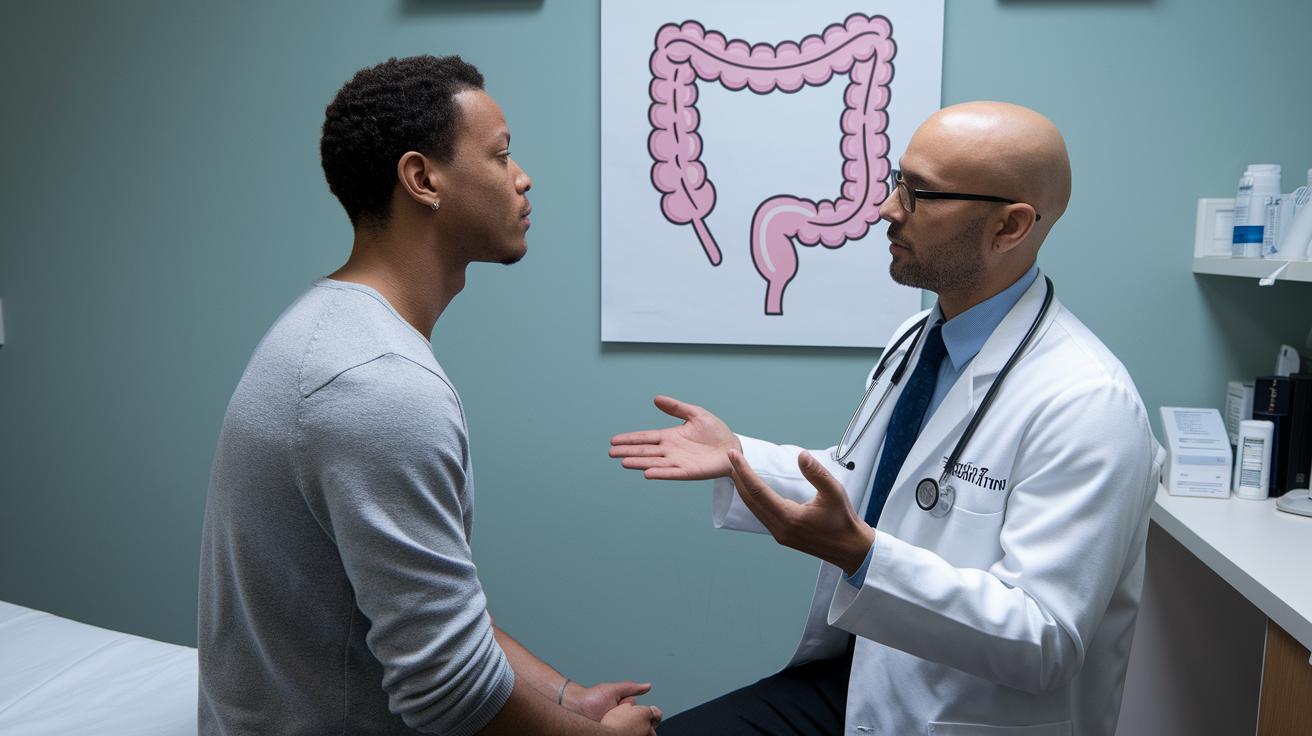
Noninvasive tests like the fecal occult blood test (FOBT, which checks for hidden blood in your stool), the fecal immunochemical test (FIT, a simple test to spot tiny traces of blood), and stool DNA tests (which look for small genetic changes) let you check for early cancer signs at home, comfortably and easily.
Colonoscopy is still the best test because it allows your doctor to examine your entire colon and even remove polyps during the same visit. This makes it a strong tool for catching issues early. On the other hand, flexible sigmoidoscopy only looks at the lower part of your colon, so it might miss problems in the upper sections.
Using a combination of at-home stool tests along with follow-up procedures like colonoscopy can boost the chances of early detection. New methods are also coming along, CT colonography, often called a virtual colonoscopy, creates detailed 3D images of the colon without using traditional instruments, and blood tests that measure tumor markers show promise. Mixing different tests helps customize screening to your needs and increases the likelihood of early diagnosis.
Risk Factors and Early Symptom Analysis for Colorectal Cancer Early Detection
Knowing your risks can help a lot. Being over 45, using tobacco, or drinking too much alcohol can raise your chance of developing colorectal cancer. Your diet matters too. Eating lots of red or processed meat might increase your risk. Also, having a history of colorectal polyps or conditions like ulcerative colitis or Crohn’s disease can put you at higher risk.
It’s important to notice early warning signs. Look out for constant rectal bleeding, changes in your stool (like diarrhea or constipation), or a tummy that feels painful or bloated. Unexplained weight loss or feeling very tired can also be early signs.
Sometimes, these signs may be caused by less serious issues, such as hemorrhoids or irritable bowel syndrome. That’s why keeping track of your symptoms is key. If they last for a few weeks or start to get worse, it’s a good idea to see your doctor.
Women should be mindful too. Some symptoms might seem like normal menstrual discomfort, so pay close attention if anything feels unusual.
If you’re worried about your risks, check out more tips on reducing colon cancer risk here: colon cancer risk reduction (https://bezenn.com?p=652).
Taking note of your risk factors and early signs is a simple step that can make a big difference.
High-Risk Protocols and Guidelines for Colorectal Cancer Early Detection

If you are an average-risk adult, start screening at age 45. This advice by the US Preventive Services Task Force (USPSTF) helps catch issues early, before they become serious. If you have a close family member with colorectal cancer or live with inflammatory bowel disease (a condition where your digestive tract is swollen), talk with your doctor about starting tests sooner.
For those at higher risk, doctors usually recommend a colonoscopy every 5 years. Still, your screening plan might change based on personal factors like family history or the type of polyps found. Following guidelines from groups like the American College of Gastroenterology (ACG) means your tests will match your needs.
Good news, Medicare and many private insurers cover these tests. This makes getting the right screening easier and more affordable.
Tips to remember:
- Start screening at 45 if you are at average risk.
- If you are high risk, consider beginning sooner and testing more frequently.
- Talk with your doctor to set up the best plan for you.
Staying on top of these steps can help you keep a close eye on your health and catch any problems early.
Advances and Innovative Technologies in Colorectal Cancer Early Detection
Next-generation stool DNA tests now catch tiny genetic changes early on. They pick up signals that older fecal tests (FIT) might miss, imagine moving from a basic black-and-white picture to high-definition clarity when checking for early issues.
New blood tests are showing promise too. They look for small pieces of tumor DNA and proteins in your blood, making the process noninvasive and more comfortable. This real-time precision means changes can be spotted sooner, boosting early detection efforts.
CT colonography offers a detailed 3D look at your colon without using invasive tools. This clear imaging helps doctors find precancerous polyps while keeping you at ease. Meanwhile, research into diagnostic biomarkers, like circulating tumor cells and methylated DNA (modified DNA signals), aims to refine these tests even further.
Recent FDA approvals back these new techniques, giving patients safer alternatives to conventional colonoscopy. Step by step, these advances in research and technology are transforming how we screen and monitor colorectal health, aiming for treatments that are earlier, simpler, and more effective.
Final Words
In the action, you explored essential screening guidelines, compared test options, and broke down risk factors with clear advice on when to seek professional help. You also uncovered high-risk protocols and innovative techniques that support colorectal cancer early detection.
Each section aimed to simplify complex details and highlight practical steps. Small changes, like staying alert to symptoms and knowing screening choices, can make a big difference. Stay motivated, every step counts toward a healthier tomorrow.
FAQ
How does early detection affect colon cancer survival rate?
The early detection of colon cancer boosts survival rates by spotting the disease before it spreads. Early treatment means higher cure rates and better overall outcomes.
What are Stage 1 colon cancer symptoms?
The early signs of Stage 1 colon cancer are often subtle, like minor changes in bowel habits or slight rectal bleeding. These mild symptoms highlight why routine screening is key.
What are Stage 2 colon cancer symptoms?
The symptoms of Stage 2 colon cancer can include more noticeable bowel changes, intermittent rectal bleeding, abdominal pain, and unintentional weight loss, often indicating a progression from earlier stages.
What are colorectal cancer screening guidelines?
The screening guidelines recommend that average-risk adults begin at age 45 with methods such as colonoscopy, stool tests, or CT colonography. Those at higher risk should start earlier based on medical advice.
How does colorectal cancer typically present?
Colorectal cancer often presents with few symptoms until advanced stages, but it may cause rectal bleeding, changes in bowel habits, abdominal discomfort, and unexplained weight loss when it does show signs.
Is colorectal cancer curable?
The curability of colorectal cancer largely depends on the stage at diagnosis. When detected early, treatment is generally very effective, leading to remission and improved survival chances.
How does family history influence colon cancer screening?
A family history of colon cancer means increased risk, so screening should start earlier and occur more often, often with colonoscopies every five years, as recommended by a healthcare provider.
What causes colorectal cancer?
Colorectal cancer can be caused by lifestyle factors like poor diet, tobacco use, high alcohol intake, and a history of polyps, along with genetic factors and chronic inflammatory bowel diseases.
Can colorectal cancer be detected early?
Yes, colorectal cancer can be detected early using routine screenings such as colonoscopy, stool tests, and emerging blood-based assays, which significantly improve treatment outcomes.
What is Stage 1 colorectal cancer?
Stage 1 colorectal cancer is when the disease is confined to the inner layers of the colon, presenting minimal symptoms. Early detection at this stage usually results in very high cure rates.
What are the 7 early warning signs of colon cancer?
The early warning signs include persistent rectal bleeding, changes in stool consistency, unexplained weight loss, ongoing fatigue, abdominal pain, changes in bowel habits, and consistent bloating. Consult your doctor if these signs persist.
Is colon cancer treatable if detected early?
Colon cancer is highly treatable when detected early. Early-stage diagnosis usually enables simpler treatments, leading to higher survival rates and more effective recovery.