Ever wonder why you feel tired in the morning even after plenty of sleep? Studies tell us that deep sleep is when your body does the heavy lifting of repair and energy restoration.
Try these simple tips: make your bedroom quiet and cool (around 65°F or 18°C works well) and consider swapping that afternoon coffee for a gentler drink. These small changes might boost your deep sleep and help you wake up feeling refreshed.
Why not try one change tonight for a better rest tomorrow?
How to Get More Deep Sleep: Top Science-Backed Strategies
Deep sleep is the part of your night when your body repairs itself and your brain locks in memories. Here are eight simple tips to help you get more deep sleep tonight.
- Exercise regularly. Aim for a 30-minute cardio or strength workout and finish at least 3 hours before you plan to sleep.
- Eat a high-fiber diet. Beans, fruits, and vegetables work hard to keep your blood sugar steady all night.
- Cut back on caffeine. Try to stop drinking coffee or tea by early afternoon.
- Stick to a regular bedtime. Go to bed at the same time each night so your body knows when it’s time to wind down.
- Use soothing background sounds. A white noise machine or calming music can block out disruptive sounds.
- Practice relaxation before bed. Spend a few minutes on simple exercises like progressive muscle relaxation or guided imagery.
- Manage your stress. Try meditation or yoga to lower stress hormones (cortisol) and promote calm.
- Create a sleep-friendly environment. Keep your room cool (60–67°F or 15.5–19°C), dark, and quiet to support deep sleep.
Every little habit adds up. You might swap your screen time for a gentle yoga session or a quiet reading ritual before bed. Try one or two changes tonight and see how much better you feel in the morning.
Understanding Deep Sleep and Sleep Cycle Phases
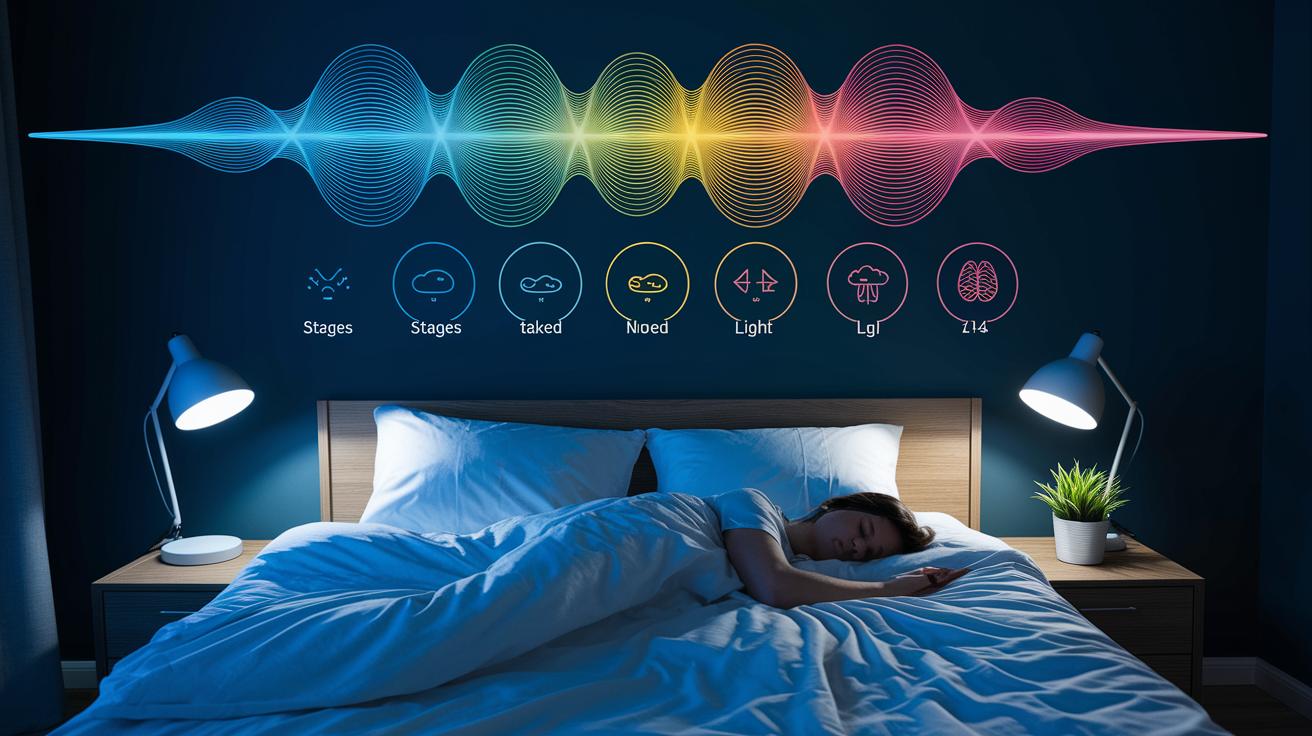
Sleep works in a series of steps that help your body and brain feel their best. First, when you're drifting off, you enter Stage 1, which lasts about 5 to 10 minutes. Next is Stage 2, taking up nearly half of your sleep. Here, your brain gives off quick bursts of activity called sleep spindles, which help store memories.
Then you slip into deep sleep during Stages 3 and 4. In these phases, slow delta waves fill your brain while your blood pressure drops, breathing slows, and muscles completely relax. This stage is important for repairing your body, balancing hormones, controlling blood sugar, and calming inflammation.
After deep sleep, you enter REM sleep about 90 minutes after falling asleep, and it repeats roughly every 90 minutes through the night. REM sleep is known for rapid eye movements, a faster heartbeat, and active dreaming, all of which play a key role in how you process emotions and think.
Understanding these sleep phases might help you change your habits to get more restorative deep sleep. This extra rest can boost both your physical recovery and mental clarity each day.
Perfecting Your Bedtime Routine for Enhanced Deep Sleep
Stick to a steady sleep schedule. Choose a set time to go to bed and to wake up every day, even on weekends. This helps your body set its internal clock for deep rest.
Before bed, pick calming activities. A hot shower or some gentle stretches can help relax your muscles. Reading by dim light also tells your brain it’s time for sleep. Try to turn off screens at least 1 hour before bed to avoid blue light (the kind of light that can keep you awake). If you must use your phone or tablet, blue light–blocking glasses can help protect your sleep cycle.
If your sleep routine slips, try a one-night reset. Stick to your planned sleep and wake times even if it feels a bit tough. This short challenge can help nudge your schedule back on track.
Keep these simple, low-key rituals in your nightly routine. Over time, they train your brain to unwind, giving you a deep, refreshing sleep every night.
Optimizing Your Bedroom Environment for Deep Sleep
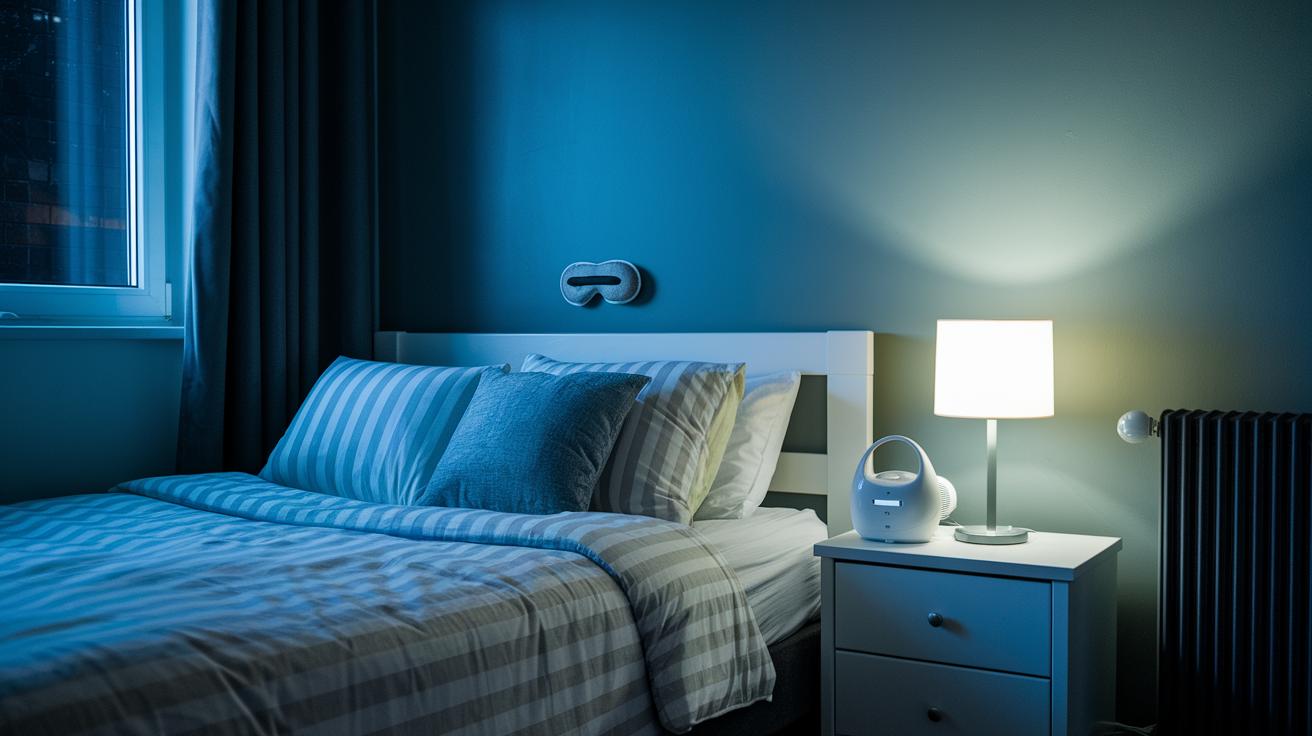
Your sleep space is a big part of getting the deep, refreshing rest you need. Keeping your room cooler at around 60–67°F (15.5–19°C) helps your body wind down naturally.
Darkness is key. Try blackout curtains or use an eye mask to block out any stray light. About an hour before bed, dim your lights to set the mood, just like lowering the house lights before a movie starts.
A steady background sound can work wonders. Using a white noise machine or earplugs can keep sudden noises from stirring you awake.
Steer clear of screens and bright gadgets near bedtime. Electronic devices give off blue light that keeps your brain feeling alert when you really need it to relax.
Finally, a tidy, uncluttered room sends a clear message to your mind: it's time to rest.
Nutrition and Supplements to Support Deep Sleep
Try to skip caffeine after 2 pm and avoid heavy meals or alcohol within three hours of bedtime. This gives your body a better chance to settle into truly restful sleep. Instead, choose foods that calm the nerves. Foods high in magnesium (a mineral that helps relax muscles) like leafy greens, almonds, and bananas can help ease your body into deep sleep. For instance, swapping your usual afternoon snack for a small handful of almonds might really help.
Meal timing is important too. Having a lighter dinner can ease digestion so that your body can focus on repairing itself overnight. If you decide to try melatonin supplements, remember they may help you fall asleep faster. Their impact on deep sleep is not guaranteed, so if you use them, do so as a short-term help and talk with your doctor first.
Herbal options are another way to relax before bed. Chamomile and valerian tea can naturally calm you without needing medicine. For example, a cup of chamomile tea brewed about 30 minutes before bedtime can be a soothing part of your nightly routine.
| Food/Supplement | Benefit |
|---|---|
| Leafy greens | High in magnesium; helps with muscle relaxation |
| Almonds | Supports stable blood sugar levels and calm |
| Chamomile tea | Naturally helps relax the mind and body |
Exercise and Lifestyle Habits to Enhance Deep Sleep

Recent research shows that doing moderate aerobic exercise in the morning, like a brisk 30-minute walk (about 1/2 hour), can help extend your deep sleep phase and support better memory.
Morning sunlight also plays a key role. Spend 10-15 minutes outside soon after you wake up. This simple habit signals your body to release the right hormones, setting your internal clock like you would set your watch.
Evening tai chi can be a great way to wind down. A short, gentle sequence of movements may ease muscle tension and lower stress, helping calm your mind for sleep.
If you enjoy following a routine, you might try a home workout plan that mixes morning aerobic exercise with midday strength training. This balance can keep you active all day and promote deeper sleep.
- Try 30 minutes of morning aerobic exercise to boost deep sleep.
- Get 10-15 minutes of sunlight early in your day to reset your internal clock.
- Practice tai chi in the evening to relax your body and mind.
- Consider a routine that alternates between aerobic and strength exercises.
Managing Stress and Pre-Sleep Relaxation Techniques
Feeling stressed can disturb your deep sleep. High levels of cortisol (a stress hormone) break up the restful sleep your body needs. Try blending simple mind-body practices to ease your nerves before bed. You can mix meditation, deep breathing, muscle relaxation, and guided imagery into your nighttime routine.
For instance, try this deep breathing method: breathe in slowly for 4 seconds, hold for 7 seconds, and exhale gently for 8 seconds. This simple cycle helps melt away tension.
Spend a few quiet minutes writing in a journal to clear your head. A short note like, "I managed today’s challenges and now I’m ready to relax," can set a calm tone for sleep.
Also, cut back on screen time in the hour before bed. The light from screens keeps your brain alert. Instead, listen to soft music or soothing white noise.
- Set aside a few minutes for a brief meditation.
- Practice the 4-7-8 deep breathing method.
- Try progressive muscle relaxation by tightening and then relaxing each muscle group.
- Jot down a few thoughts to help clear your mind.
Using these steps together can help ease stress and lead to a deeper, more restorative sleep.
Tracking and Technology Tools for Deep Sleep Optimization
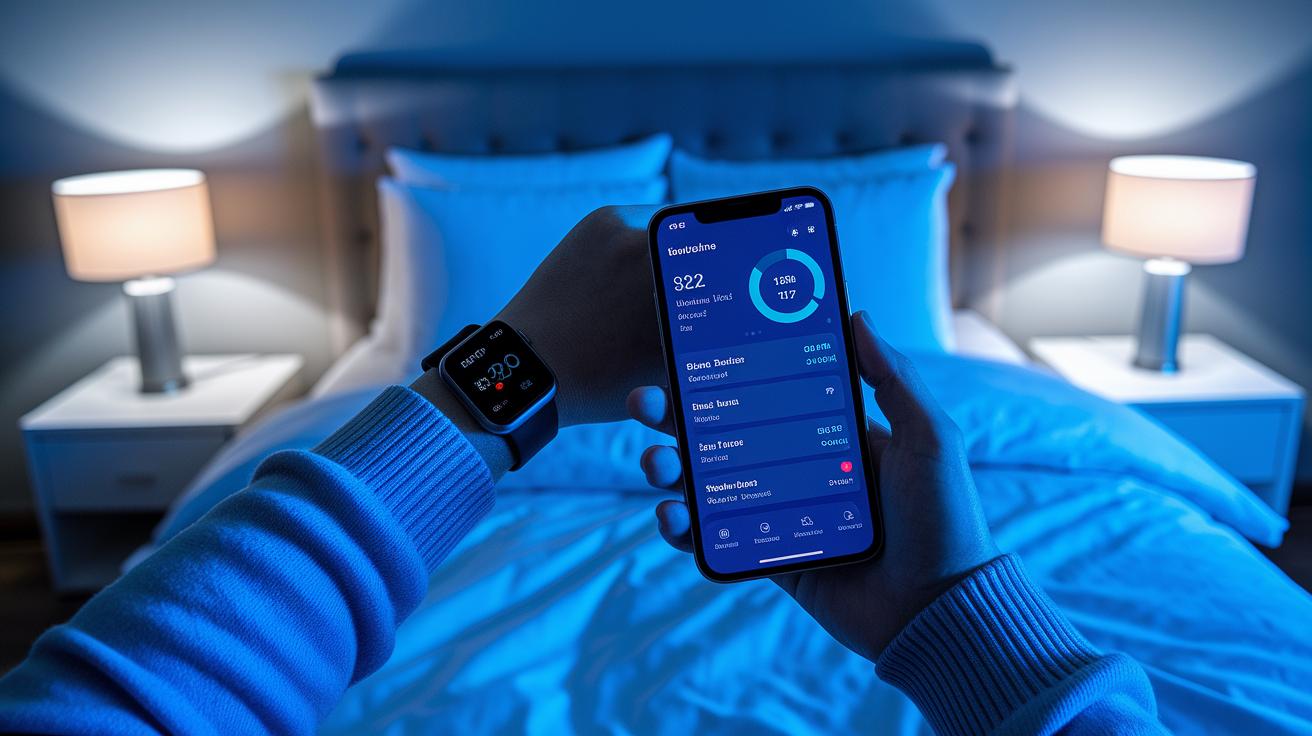
Modern tech like wearables and mobile apps monitor your sleep stages, heart rate, and movement throughout the night. They show you exactly how much deep sleep you're getting and help you see patterns you might otherwise miss. When you review your sleep scores and detailed phase data, you can spot trends over several nights, like getting less deep sleep on nights when your bedtime gets thrown off.
For example, a sleep tracker might reveal that going to bed at the same time increases the amount of your deep sleep. This real-world data can motivate you to stick to a regular sleep schedule and make small changes in your sleep setup.
Try these steps:
- Review your sleep stage breakdown to check your deep sleep amount.
- Watch for changes in your heart rate and movement that suggest restlessness.
- Tweak your bedtime routine and adjust your room’s settings, like temperature and noise.
Using these insights can help you gradually boost your deep-sleep duration so you wake up feeling refreshed and alert.
Final Words
in the action we explored proven steps to boost deep sleep. We broke down simple routines, ideal bedroom setups, nutrition tips, exercise habits, and stress-relief techniques you can use today. Each section offered clear, actionable advice to help you lengthen your slow-wave sleep. Adjusting little things in your daily routine may lead to remarkably better rest. Give these tips a try and see how to get more deep sleep for a more refreshed, energetic tomorrow.
FAQ
Supplements to increase deep sleep
The supplements to increase deep sleep include magnesium and melatonin. Magnesium helps relax muscles while melatonin aids sleep onset. Always consult a doctor before starting any new supplement.
How to get more deep sleep Apple Watch
Using an Apple Watch to boost deep sleep involves tracking sleep stages and reviewing patterns. Analyze the data to adjust your sleep schedule and create a consistent bedtime routine for better slow-wave sleep.
How to get more deep sleep reddit
Reddit advice to improve deep sleep suggests refining sleep routines. This includes reducing screen time, setting a regular bedtime, and adjusting the sleep environment to be calm, cool, and dark.
What causes lack of deep sleep
A lack of deep sleep can be caused by stress, an inconsistent sleep schedule, and an unsuitable sleep environment. Caffeine later in the day and screen exposure can also disrupt slow-wave sleep.
How to get deep sleep at night naturally
Getting deep sleep naturally involves creating a calm bedtime routine, ensuring a cool, dark, and quiet room, and engaging in relaxation techniques like deep breathing or gentle stretching before bed.
How to get more deep sleep Garmin
Garmin devices help improve deep sleep by tracking sleep phases and highlighting patterns. Use this feedback to establish consistent sleep routines and tailor your environment for more restorative sleep.
How to get deep sleep In 5 minutes
While deep sleep in five minutes is unlikely, you can quickly relax by practicing deep breathing or progressive muscle relaxation. These techniques may help signal your body to start winding down.
How to get more deep sleep pregnancy
To boost deep sleep during pregnancy, focus on a consistent sleep schedule, a cool and comfortable sleep environment, and gentle relaxation techniques. Pregnancy pillows may also help improve comfort for better sleep.
How do I increase my deep sleep?
Increasing deep sleep involves setting a regular bedtime, reducing evening stress, and refining your bedroom environment. Simple adjustments like cutting back on caffeine can help extend slow-wave sleep.
Why is my deep sleep so low?
Low deep sleep can result from poor sleep habits, environmental disturbances, or high stress levels. Reviewing your bedtime routine, room conditions, and limiting stimulating activities before bed may help improve your sleep quality.
What is the 10 3 2 1 0 rule for sleep?
The 10-3-2-1-0 rule means no strenuous activity 10 hours before bed, no caffeine 3 hours prior, no heavy meals or alcohol 2 hours before, no screens 1 hour before, and zero work-related thoughts to promote sound sleep.
Is 40 minutes of deep sleep a night enough?
Forty minutes of deep sleep might be enough for some, though most adults aim for 1.5 to 2 hours. Overall sleep quality, including light and REM sleep, plays a key role in feeling rested.