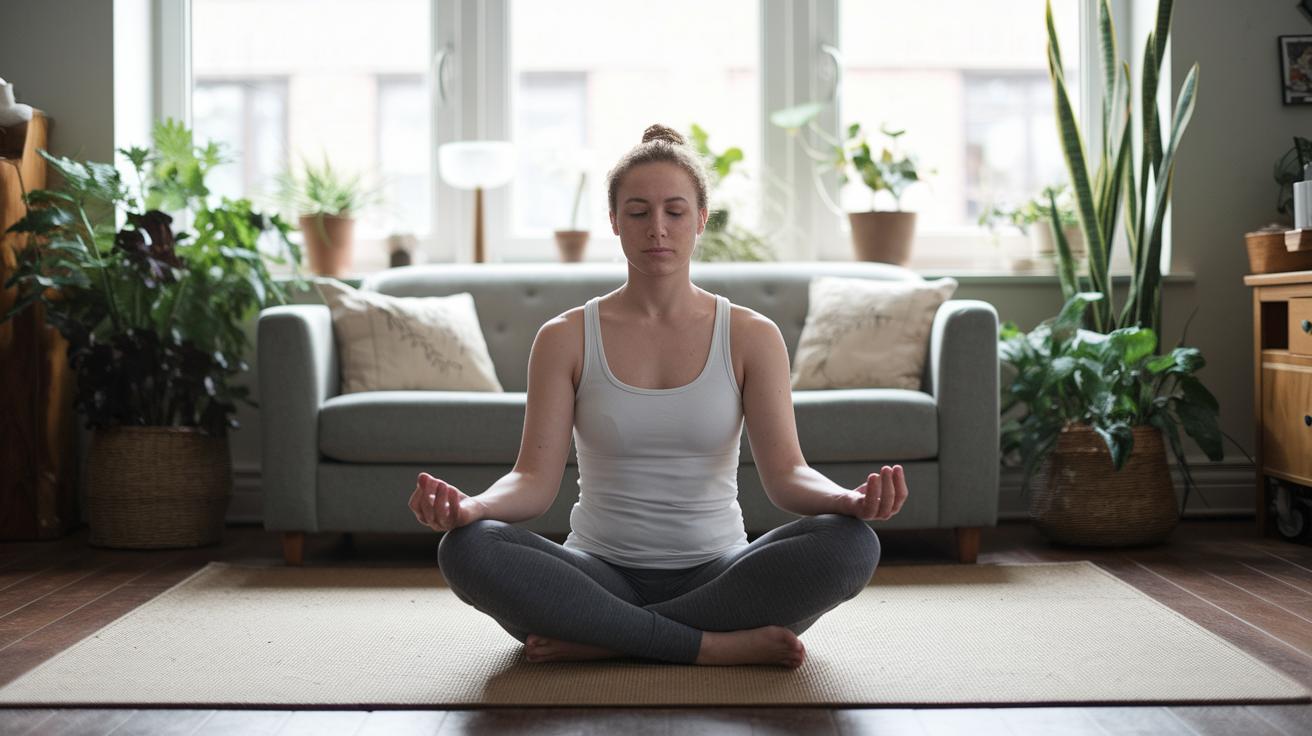
Ever notice how your mind can get loud when you're trying to enjoy a quiet moment? Stress can sneak up on you and make you feel anxious without warning. But simple steps like taking a deep breath, pausing for a quick mindfulness break, or using guided imagery can help calm those racing thoughts. In this post, you'll find easy, daily tips to lower stress and ease anxiety fast, so you can feel more balanced and ready to take on your day.
Core Stress Reduction Techniques for Anxiety
Stress can hit you out of nowhere, making you feel both physically tense and emotionally overwhelmed. This natural reaction is your body's way to protect you, but when it happens too often, it can build up into lasting stress. Over time, chronic stress may contribute to anxiety, sadness, heart issues, and even problems with digestion.
Using simple, hands-on techniques can help stop stress before it grows. By focusing on calming your body right away, you can manage your worry and build a toolkit of strategies that work when anxiety strikes. These methods can ease both body and mind quickly while setting the stage for a stronger, more balanced you over time.
Here are a few practical techniques:
- Mindfulness meditation: Spend a few minutes focusing on the present without judging your thoughts. This can help lower stress hormones.
- Deep breathing exercises: Try breathing techniques such as diaphragmatic breathing or box breathing to slow down your heart rate.
- Progressive muscle relaxation: Tighten and then relax different muscle groups to ease built-up tension.
- Guided imagery: Picture a calm, peaceful place to shift your mind away from anxious thoughts.
- Aerobic or noncompetitive exercise: A brisk walk (about 10 minutes) or similar activity can boost your mood and release feel-good endorphins.
Start simple. Begin your day with a short mindfulness or deep breathing session. Later, use muscle relaxation during a break or go for a quick walk. Mixing these practices throughout your day gives you multiple chances to ease stress and build resilience. If you're curious to learn more, check out additional Stress Management Techniques for Anxiety.
Mindfulness Meditation Techniques for Anxiety Relief
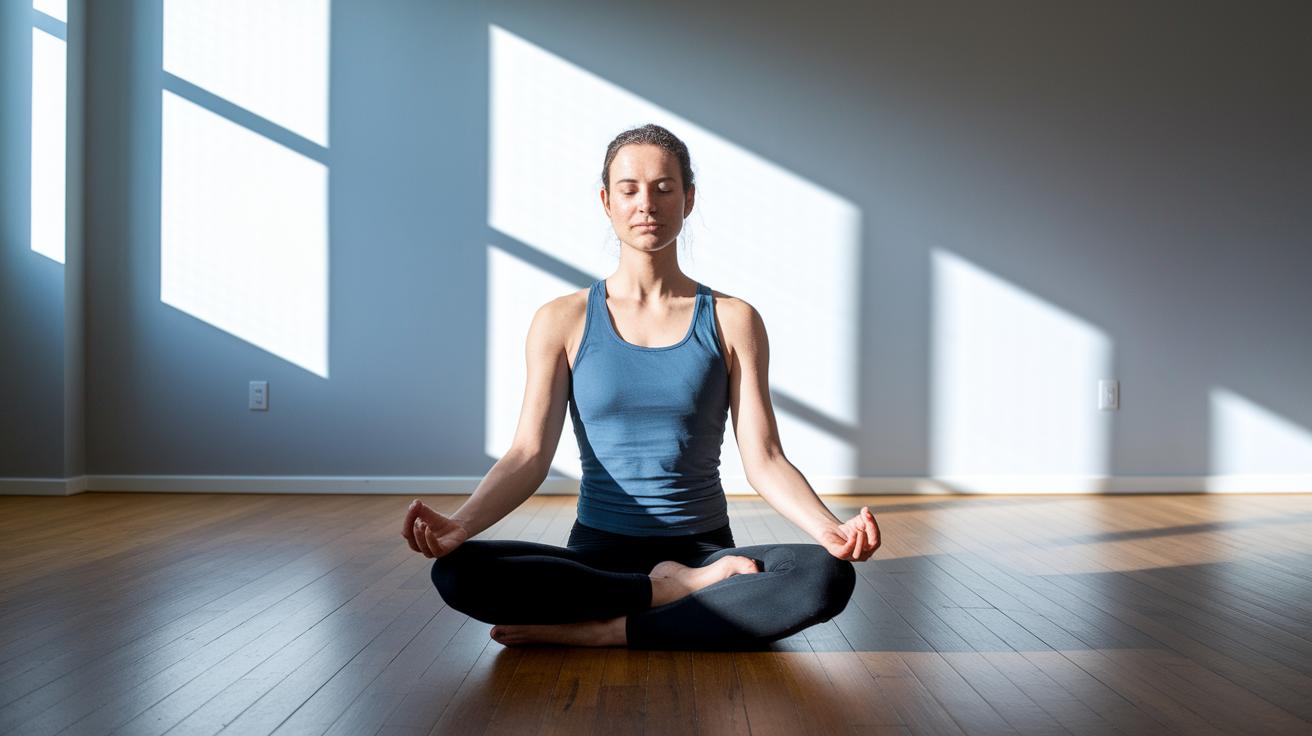
Mindfulness meditation helps you focus on the here and now without judging your thoughts. It can lower your stress hormone (cortisol) levels and help you manage your emotions, making it a simple way to ease anxious feelings. Just 10–20 minutes a day might clear your mind and bring calm to your busy life.
This practice includes focused breathing, which calms your nervous system. When you concentrate on your breath, try a mindful breathing exercise, you shift your focus away from worries and create room for peaceful reflection. Over time, this habit can not only reduce anxiety but also help you stay emotionally balanced.
- Find a quiet spot where you can sit comfortably without interruptions.
- Close your eyes and take slow, deep breaths to settle into the moment.
- Notice each breath as it comes in and goes out. If your mind wanders, gently bring it back to your breathing.
- Spend 10–20 minutes simply focusing on your breath and the sensations in your body.
Try adding this routine to your day, either first thing in the morning or right before bed. A regular moment of calm can support clearer thinking and steadier emotions.
Deep Breathing Methods to Ease Anxiety Symptoms
Slow, steady breathing helps your body relax naturally. When you pay attention to your breath, your brain gets a gentle reminder to calm down, which can lower stress hormones like cortisol. Studies suggest that spending 3–5 minutes on controlled breathing, three times a day, may improve your heart's rhythm and ease muscle tightness.
- Diaphragmatic Breathing: Sit comfortably. Place one hand on your chest and the other on your belly. Slowly inhale through your nose, letting your belly rise, then gently exhale.
- Box Breathing: Inhale for 4 seconds, hold your breath for 4 seconds, exhale for 4 seconds, and pause for another 4 seconds before repeating.
- 4-7-8 Technique: Inhale quietly through your nose for 4 seconds, hold the breath for 7 seconds, and exhale through your mouth for 8 seconds.
Try adding one of these exercises into your day, whether it's as you wake up, during a lunch break, or before bed. These simple steps can help reduce anxiety and bring a bit of calm when you need it most.
Progressive Muscle Relaxation Exercises for Anxiety Relief
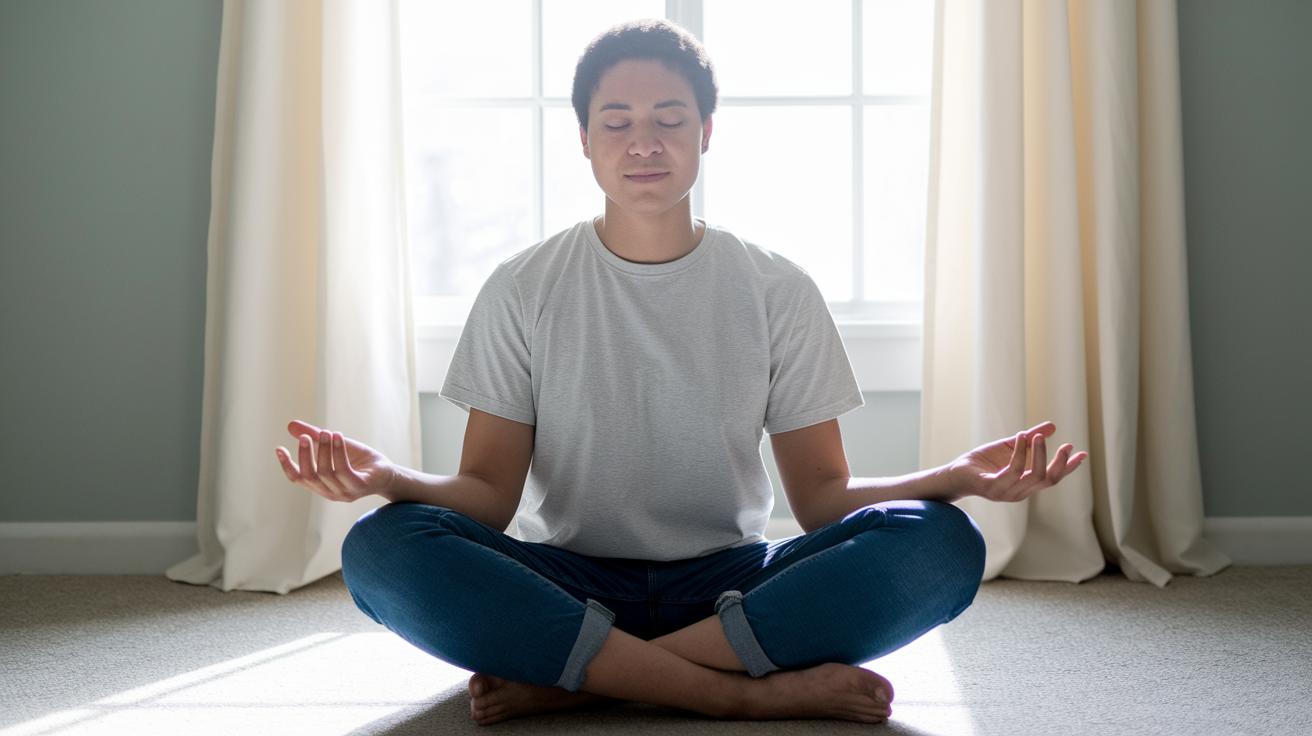
Progressive Muscle Relaxation (PMR) is a simple technique that helps you connect your body and mind. By tensing and then relaxing each muscle group, you signal your nervous system to slow down and find calm. In just about 15 minutes, a routine of 5 seconds of tensing followed by 10 seconds of releasing can ease aches and quiet anxious thoughts.
- Sit comfortably in a quiet spot.
- Start with your feet: squeeze the muscles for 5 seconds, then let them relax for 10 seconds.
- Move on to your calves by tightening the muscles firmly before releasing.
- Focus on your thighs next, tighten them and then slowly ease the tension away.
- Tighten your buttocks, hold for a brief moment, and then let go slowly.
- Squeeze your tummy muscles for 5 seconds, then relax them.
- Clench your hands into a fist and tense your arms, hold for a few seconds, and gradually release.
- Finally, tighten your shoulders and neck, hold for a moment, and then completely let go.
Pairing these PMR exercises with deep, slow breaths can boost your relaxation even more, helping you manage anxiety throughout your day.
Guided Imagery and Visualization for Anxiety Relief
Guided imagery lets you create clear mental pictures that help lower stress. When you picture a calm scene, your mind shifts away from worry and tension, giving you a bit of a break. Research shows that a quick 15-minute visualization session can lower cortisol (a stress hormone) and boost your mood. As you imagine this scene, focus on the colors, sounds, and textures around you to feel more relaxed and clear-headed.
- Beach Scene: Picture warm sand under your feet, gentle waves touching the shore, and a soft sun that warms your skin.
- Forest Retreat: Imagine being among tall trees, hearing leaves rustle in a mild breeze, and taking in the fresh, earthy air.
- Safe Space: Visualize a cozy room with soft light and comfortable textures where you feel safe and at ease.
Try recording your own script so you can guide yourself through these images. If you like, you can also use meditation apps with pre-recorded sessions. Both ways offer a simple way to find calm and ease anxiety during your day.
Cognitive Calming Exercises for Anxiety and Emotional Balance
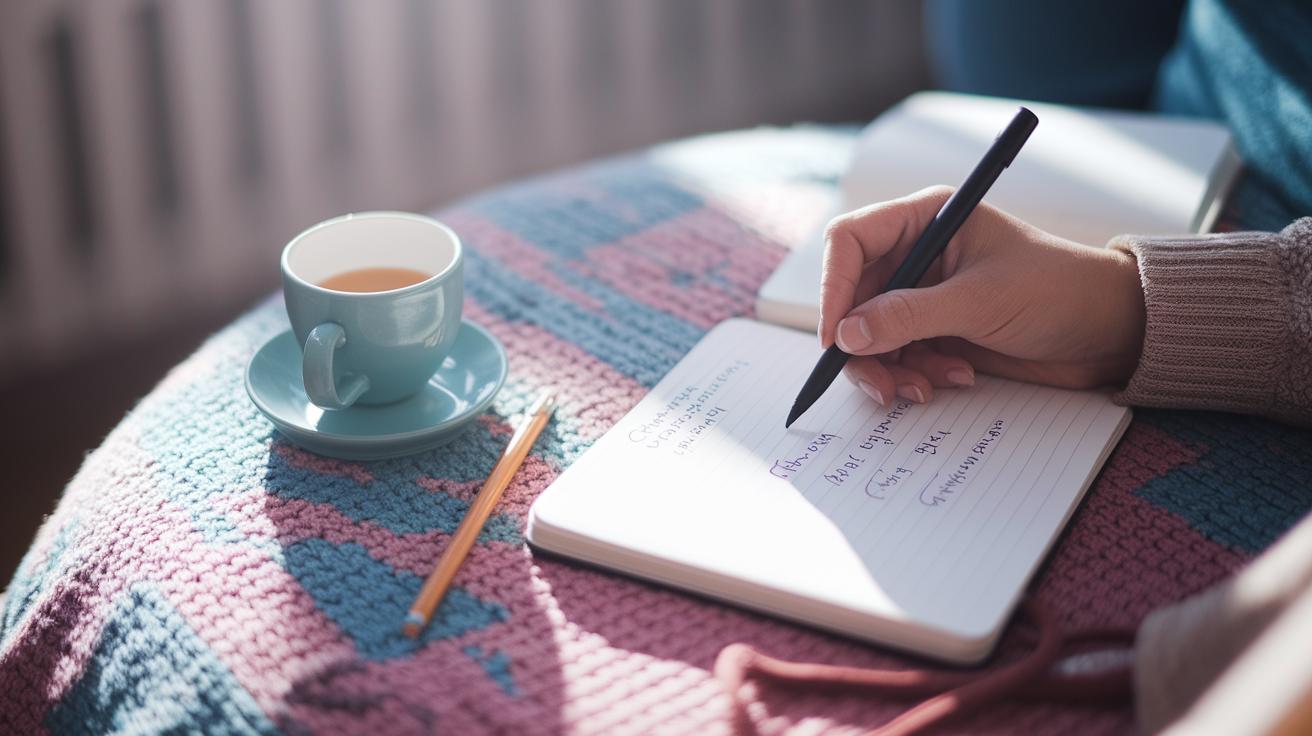
Sometimes your mind races with anxious thoughts that can upset your inner balance. When you notice these thoughts, try naming them. This simple step helps break the cycle and makes room for a calmer response.
- Label Your Thoughts – Pause and say what you're feeling (for example, "anxiety" or "worry").
- Reframe Negatives – Look at the facts and try to see things from a kinder, more positive angle.
- Create a Calming Mantra – Pick a short, soothing phrase and repeat it when stress builds.
- Identify Emotional Triggers – Notice the situations that tend to spark negative thoughts so you can be ready.
- Practice Perspective Shifts – Imagine speaking to a good friend in your situation and consider how they might see it differently.
Keeping a small journal to track your thoughts and progress can help you notice patterns. Over time, writing things down builds awareness and makes each day a bit easier to handle.
Quick In-the-Moment Anxiety Reduction Tactics
When anxiety hits hard, try these simple techniques to quickly shift your focus and calm your body. They guide you to use both your senses and movements to ease the tension.
- 5-4-3-2-1 Grounding: Look for 5 things around you, feel 4 items you can touch, listen for 3 sounds, notice 2 scents, and find 1 taste.
- Cold Water Face Splash: Splash cool water on your face to interrupt those anxious feelings.
- Tapping (EFT): Gently tap on spots on your arms or chest (acupressure points) to help ease muscle tension.
- Quick Deep Breathing: Breathe in slowly for 4 seconds, hold briefly, then breathe out for 4 seconds to lower your heartbeat.
- Sensory Focus: Grab an object with a clear texture and really concentrate on how it feels.
- Mini Stretch Break: Rotate your shoulders or stretch your arms to melt away built-up tightness.
Try mixing these steps to find what works best for you each day.
Lifestyle Adjustments for Stress Reduction and Anxiety Management

Daily habits are key in keeping anxiety under control. Even small changes can help reduce stress. Try a regular walk, get proper sleep, or enjoy some time outdoors. Whether you choose a yoga session, a lively 30-minute walk five times a week, or a few moments for journaling, each habit builds your natural resilience. Eating balanced meals with less caffeine and staying connected with friends or family also steadies your mood.
| Habit | Frequency | Benefit |
|---|---|---|
| Exercise | 30 min, 5 times/week | Boosts mood and reduces stress hormones |
| Sleep | 7–9 hours per night | Recharges your body and supports emotional balance |
| Nature Time | 20 min daily | Enhances calmness and clears the mind |
| Diet | Daily | Stabilizes energy with balanced nutrition and less caffeine |
| Social Connection | Regular interactions | Builds a supportive network and lifts your mood |
Building a consistent routine is important. Start with one or two habits that easily fit into your day. Once you notice a boost in your mood or a drop in your stress, add another small step. These gradual changes create a solid foundation for a calmer life. Adjust your schedule as needed and keep track of your progress, knowing that daily practices add up to lasting benefits for both your mind and body.
Building a Daily Relaxation Routine for Anxiety Relief
Every day, small rituals help you press pause and ease stress. Taking time to unwind can lift your mood and signal your mind and body that it's time to relax. With a regular routine, even ordinary moments become a series of calm checkpoints that make managing anxiety easier.
- Start your morning with 5 minutes of quiet meditation. Focus on your breath (slow, steady inhales and exhales) to set a peaceful tone for the day.
- Midday, take a 2-3 minute break for deep breathing. This short pause clears your mind and eases tension.
- In the evening, spend 10 minutes journaling your thoughts. Putting your ideas on paper can help you let go of the day's stress before bed.
- Once a week, try a gentle yoga session. It stretches your muscles and deepens your sense of calm while connecting you with your body.
Keep track of these habits and adjust them as needed until you find what fits your life best. Even small tweaks can make a big difference, so experiment with different timings or methods and notice how each change helps reduce your anxiety.
Final Words
In the action, this guide broke down practical steps to ease anxious moments. We walked through mindful practices, focused breathing, muscle relaxation, guided imagery, and thought-cooling exercises. Each section provided simple instructions and time-friendly methods.
These stress reduction techniques for anxiety can blend into your routine for daily ease. Try one small tip today, each step builds toward a calmer, more balanced life. Keep moving forward one step at a time.
FAQ
How can I relieve stress quickly and reduce anxiety immediately?
The process of quickly relieving stress involves using deep breathing, mindfulness, and grounding techniques. These methods help slow your heart rate and calm racing thoughts in moments of high anxiety.
What are the key stress management techniques including the 5 A’s?
The process of managing stress involves approaches like mindfulness, deep breathing, progressive muscle relaxation, guided imagery, and cognitive calming. These strategies provide easy steps to manage daily stress effectively.
How can women relieve stress effectively?
The process for relieving stress in women includes practical techniques such as mindful breathing, gentle exercise, and self-care routines. These methods help soothe anxious thoughts while fitting busy lifestyles.
How can I deal with extreme stress and anxiety?
The process for handling extreme stress involves using immediate tactics like deep breathing, grounding exercises, and brief meditation sessions. Seeking professional support is also a smart step if symptoms persist.
What are some relaxation techniques and stress reduction exercises?
The process of easing stress includes relaxation techniques such as short breathing exercises, mindfulness meditation, and progressive muscle relaxation. These practices help reset your mind and ease physical tension.
What is the 3-3-3 rule for anxiety?
The process behind the 3-3-3 rule is to look for three objects, listen for three sounds, and move three parts of your body. This grounding method quickly shifts focus away from anxious thoughts.