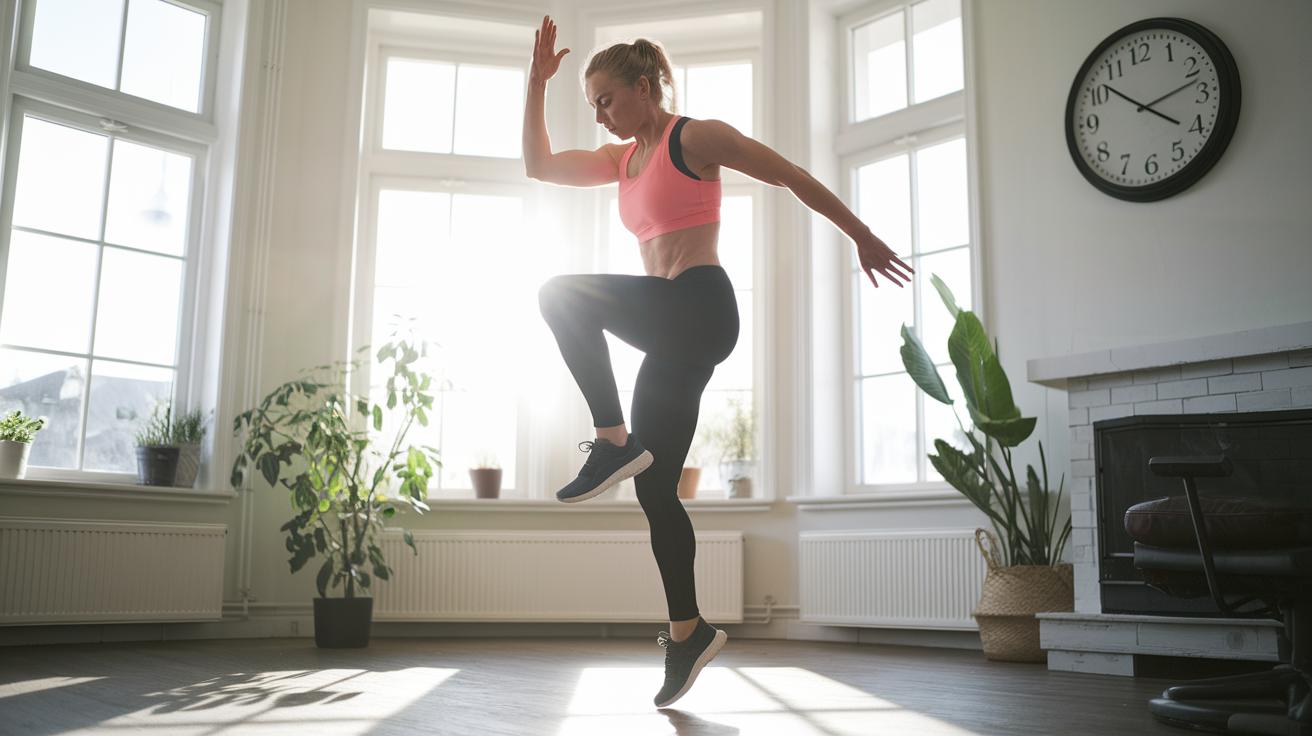
Ever wonder if you can boost your energy and health with just a few minutes at home? HIIT workouts use quick bursts of simple, bodyweight exercises that get your heart pumping and your metabolism working. You can fit these routines into even the busiest day, whether you have 5 or 15 minutes available. They offer a fast and effective way to move without spending money on gym equipment. Stick with us to learn how to adjust these workouts to your pace and fitness level, and discover how a little effort can really make a difference.
Quick and Effective Home HIIT Workout Routines
At home, short HIIT workouts that require no equipment are a smart way to get your heart pumping fast. These routines use simple bodyweight moves that boost your metabolism and improve your heart health in just a few minutes. For more bodyweight options, check out this link: https://spiritushealingarts.com?p=282.
If you’re pressed for time, try a 5-minute routine to lift your energy quickly. In this workout, you move through 5 exercises, each for 30 seconds with a quick 10-second break. It fits perfectly into a busy break or while you brew your favorite tea.
For a bit more challenge, a 7-minute session adds a couple of extra moves. This routine still uses 30-second work bursts and 10-second rests but gives you a full-body workout that fits easily into your day.
Looking for balance? A 10-minute workout divides the session between different muscle groups. Start with lower body moves and switch to upper-body exercises halfway through. It’s a smart way to get a balanced workout without overloading any one part of your body.
If you’re just starting out or want a thorough session, a 15-minute routine is a great choice. This longer workout covers all major muscle groups while keeping your heart racing. Choose the time that best fits your schedule and goals, and enjoy an effective workout every time.
Scaling and Modifying Home HIIT Sessions
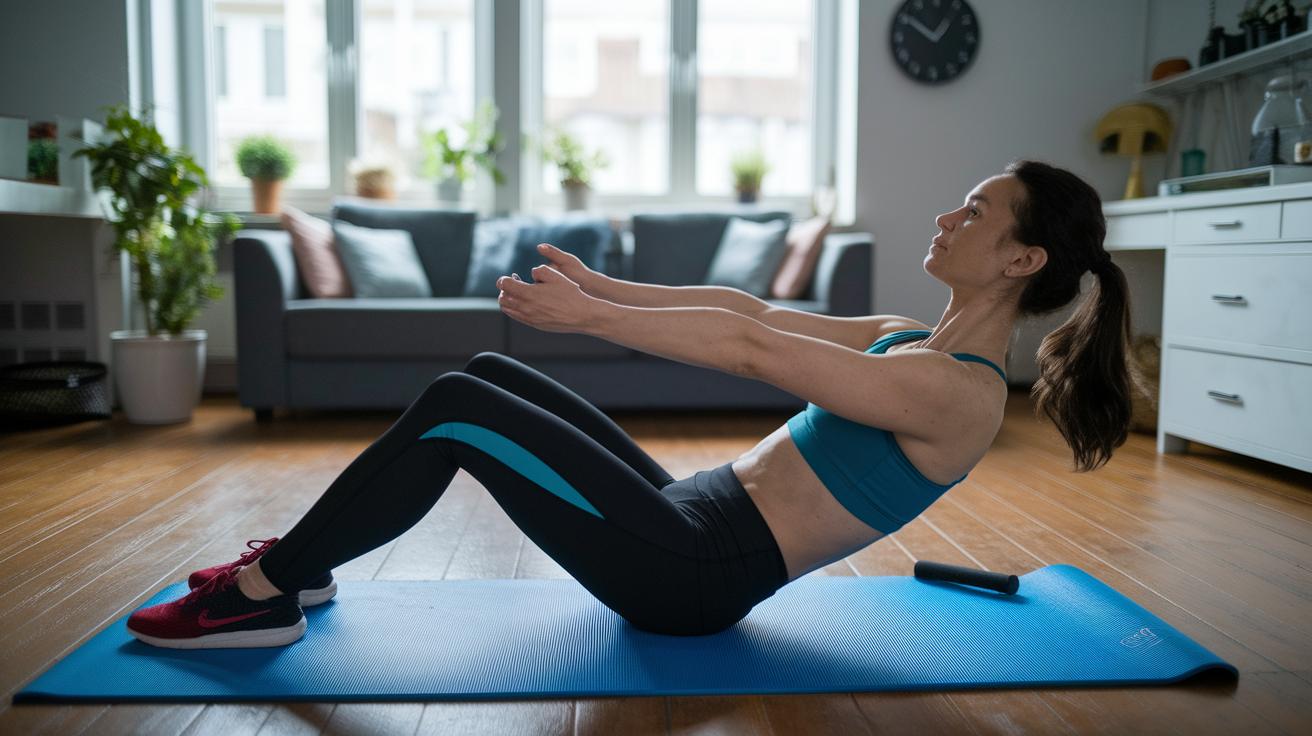
Tweaking your HIIT routine to match your fitness level makes your workout safer and more effective. When you adjust the exercises to suit your joint comfort and strength, you lower the risk of injury while steadily progressing.
Here are three ways to tailor your HIIT sessions:
- Lower Impact Moves: Replace high-intensity moves with gentler alternatives. For example, swap explosive jumps for controlled step-ups.
- Adjust Interval Ratios: Change how long you work versus rest. If 30 seconds of effort feels too challenging, try 20 seconds on and 15 seconds off.
- Alter Circuit Count: Start with just one or two rounds and build up as you gain strength and confidence.
Beginners might start with one session a week, intermediates could try two sessions weekly, and advanced exercisers may comfortably do two to three sessions each week.
Essential Bodyweight Moves for Home HIIT
Switching up your exercises helps work different muscles and keeps your HIIT session fun. Full-body moves boost your metabolism while building strength and endurance. Changing your routine spreads the work evenly and keeps things interesting.
- Push-ups: Work your chest, arms, and core. Keep your body straight from head to heels.
- Burpees: Do a squat, push-up, and jump all in one to get your whole body moving and raise your heart rate.
- Mountain Climbers: In a plank position, quickly drive your knees toward your chest. This move targets your core and shoulders.
- Plank Jacks: From a plank, jump your feet apart and back together to work your abs, legs, and stabilizing muscles.
- Russian Twists: Sit down, lift your legs slightly off the ground, and twist side to side to work your obliques and midsection.
- Jumping Jacks: Swing your arms and legs in a steady rhythm. This move warms up your whole body and boosts your endurance.
- Jump Squats: Start in a squat and then jump up quickly. This engages your legs and glutes while giving you a cardio burst.
- Jumping Lunges: Alternate lunging jumps to work your quads, hamstrings, and glutes in a dynamic way.
- High Knees: Run in place and lift your knees high, fast. This gets your heart pumping and strengthens your lower body.
- Skaters: Lunge from side to side like you’re skating. This move works your outer thighs, improves balance, and increases your pulse.
When setting up your HIIT session, try choosing 4 to 6 of these moves for balance. Pick exercises that challenge both your heart and building strength. Modify the pace or range of motion based on your fitness level. Experiment with different combinations to create a routine that fits your schedule and gets you moving fast.
Sample HIIT Circuit Durations for Home Workouts
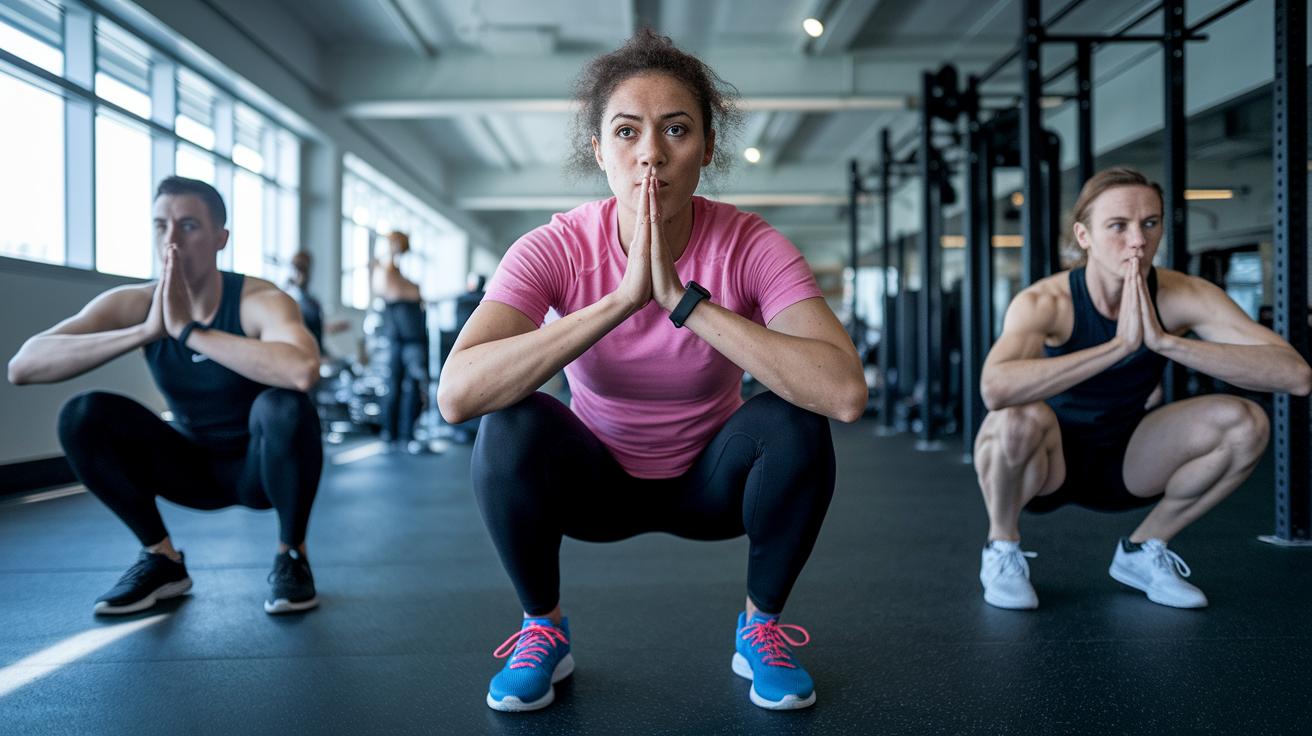
Pick a session length that fits your schedule and workout goal. Each routine works for 30 seconds with effort, then takes a 10-second break.
| Duration | Primary Focus | Structure |
|---|---|---|
| 5-Minute | Quick full-body | 5 exercises × (30 sec work/10 sec rest) |
| 7-Minute | Rapid full-body | 7 exercises × (30 sec work/10 sec rest) |
| 10-Minute | Lower/Upper split | 5 moves for lower, 5 moves for upper (30 sec work/10 sec rest) |
| 15-Minute | Beginner full-body | 10 exercises × (30 sec work/10 sec rest) |
- Feel free to mix up the exercises to suit what you need, whether it’s strength, cardio, or balance.
- For a 7-minute routine, consider adding something like burpees for an extra cardio kick.
- Think of it like making a quick cup of tea on a busy morning, simple, practical, and effective.
Staying Consistent with Home HIIT and Tracking Progress
Staying consistent with your home HIIT workouts can be tough when your schedule is packed. It might feel hard to find time or energy for a workout, and doing the same moves every time can make progress slow down. Switching up your exercises not only gives your workout a fresh feel, it can also help you move past plateaus. Many people find extra motivation by joining community challenges and exploring a wealth of resources, like over 600 app videos or programs such as NEW Athlete 25 and the 30 Day Ab Challenge, that add variety and structure to your routine.
Try these steps to keep your HIIT practice strong:
- Log your workouts: Track each session to see progress and learn what to improve.
- Schedule your sessions: Mark your workout times on your calendar like any other important meeting.
- Join community challenges: Engage with others through challenges or group programs for extra accountability and fun.
Celebrate every small win, whether it's adding one more round or simply feeling a bit stronger after a session. Each little success builds your habit and keeps you moving toward your fitness goals.
Nutrition and Recovery Strategies to Support Home HIIT

Eating a balanced meal powers your HIIT workout and helps your body bounce back afterward. A mix of protein (which builds and repairs muscles), healthy fats, and carbohydrates gives you the energy you need for intense bursts and supports muscle recovery. You can add variety to your routine with high-protein recipes, detox teas, and healthy snack ideas. For ideas on a well-balanced meal after your session, check out healthy meal ideas for dinner.
Cooldown stretch sequence
After your HIIT workout, spend a few minutes cooling down. Do gentle stretches targeting key muscle groups to ease tightness and gradually lower your heart rate. This simple practice can boost your flexibility and reduce soreness, so you feel ready for your next workout session.
Hydration and nutrient timing
Staying well-hydrated is essential for recovery and keeping up your performance. Make sure to drink water before, during, and after your workout to replace lost fluids. Also, try to have a small snack or meal that includes both protein and carbs within 30 to 60 minutes after exercising. This helps jump-start muscle repair and replenishes your energy. Remember, even light activities like a brisk walk or gentle yoga on your rest day can improve blood flow and support your progress.
Final Words
In the action, this article showed you doable home routines that work within busy schedules. We broke down quick workouts, from five to fifteen minutes, with simple bodyweight moves for effective, heart-pumping practice. You also learned how to scale sessions and support your routine with easy nutrition and recovery tips. Remember, hiit workouts at home offer a straightforward way to boost both physical and mental wellbeing. Try a quick session today and feel the difference as you build strength and confidence.
FAQ
What are HIIT workouts at home for beginners?
The hiit workouts at home for beginners provide simple, step-by-step bodyweight routines
that build fitness gradually. They include low-impact moves and modifications to safely boost
heart rate without requiring any equipment.
How do HIIT workouts at home support weight loss?
The hiit workouts at home for weight loss mix short bursts of high-intensity moves with brief rest
periods. This pattern boosts metabolism and burns calories, making it a practical workout for shedding pounds.
How effective are no-equipment HIIT workouts at home?
The hiit workouts at home no equipment use bodyweight moves that ramp up your heart rate and strength.
They are both accessible and effective, providing a quick and easy way to work out anywhere.
What is the best HIIT workout routine for 30 minutes at home?
The 30 minute hiit workouts at home typically follow a circuit format with 30 seconds of work and 10 seconds of rest.
This routine targets multiple muscle groups and maintains an elevated heart rate throughout.
Is 20 minutes of HIIT per day enough for a workout?
The hiit workouts at home with 20 minutes per day can be effective when performed intensely.
This duration boosts cardiovascular fitness and metabolism, offering a solid workout for busy schedules.
How can I access a HIIT workout plan in PDF format?
The hiit workout plan PDF offers a downloadable guide with detailed steps for bodyweight exercises.
It outlines clear instructions and timing, making it easy to follow along at home.
Which HIIT workout is best for full-body training at home?
The full body hiit workouts at home typically combine exercises like burpees, squats, and push-ups.
This combination engages major muscle groups while maintaining a swift pace and high intensity.
What is high-intensity interval training (HIIT)?
The hiit workouts at home focus on high-intensity interval training, which alternates short bursts of vigorous exercise
with recovery periods. This approach boosts cardiovascular health and burns calories efficiently.
How does circuit training relate to HIIT workouts at home?
The hiit workouts at home using circuit training involve a series of exercises performed back-to-back with minimal rest.
This method keeps your heart rate elevated while engaging different muscle groups during the workout.