
Ever wondered if you're really getting enough deep sleep? This stage is when your body repairs tissues, boosts your immune system, and sorts out your memories. Adults usually need 7 to 9 hours of sleep, with about 1.5 to 2 hours being deep sleep. Each sleep cycle offers 20 to 40 minutes of this crucial rest, helping you wake up feeling refreshed.
Let’s break down what normal deep sleep looks like and share a few simple tips to help you sleep more soundly tonight.
Typical Adult Deep Sleep Duration: How Much Is Normal?
Most adults need 7 to 9 hours of sleep each night. This usually includes about 1.5 to 2 hours of deep sleep (a stage called N3). Deep sleep helps your body recover, supports your immune system, and strengthens your memory.
We typically go through 4 to 6 sleep cycles a night, each lasting around 90 minutes. In each cycle, deep sleep usually lasts 20 to 40 minutes and is strongest in the early part of the night.
For example, if you sleep for 8 hours and pass through five cycles, you might get roughly 90 minutes to 2 hours of deep sleep. A famous actress once mentioned that improving her sleep cycle boosted her energy and clarity. This shows that deep sleep isn’t just about resting, it’s a vital part of recovery.
Instead of focusing only on total sleep hours, look at how your sleep is structured. Try winding down with relaxing activities before bed to help increase the deep sleep you get each night.
Understanding Deep Sleep Stages and Normal Slow-Wave Duration
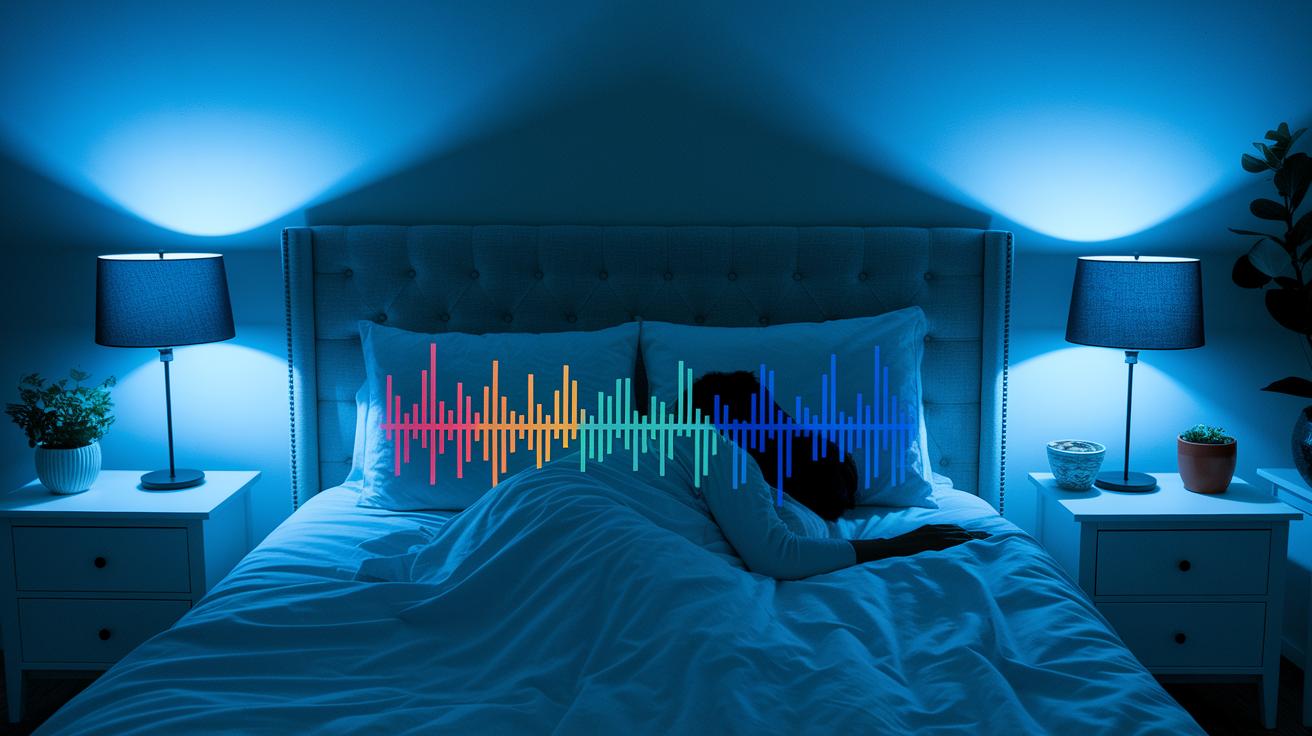
Sleep works in cycles that help keep your body and mind in balance. It starts with light sleep (called N1), where you drift off quickly. Then you move into N2, which makes up most of your sleep time and sets you up for a deeper rest later. The deep sleep phase, known as slow-wave or N3 sleep, is when your body repairs tissues, boosts your immune system, and helps your memories settle. Later on, REM sleep kicks in, which is when you often dream and work through emotions and thoughts from the day.
Deep sleep usually lasts about 20 to 40 minutes and happens mostly in the first half of the night. Knowing how these cycles work might help you see why missing deep sleep can affect your overall rest. For example, if you need more deep sleep, simply getting more overall sleep may naturally give you longer periods of N3 sleep.
| Stage | Stage Name | Approx. % of Total Sleep | Typical Duration |
|---|---|---|---|
| N1 | Light Sleep | ~5% | 1–7 minutes |
| N2 | Intermediate Sleep | ~45% | Varies across cycles |
| N3 | Deep/Slow-Wave Sleep | ~15–25% | 20–40 minutes |
| REM | Dream Sleep | ~20–25% | 10–30 minutes |
This overview shows how each sleep stage plays its part in helping you recover and feel rested.
Deep Sleep by Life Stage
Sleep needs change as you grow, and deep sleep is no different. During childhood, kids aged 6 to 12 usually get about 20–25% deep sleep during a night of 9–11 hours. This deep sleep is key for growth, learning, and physical recovery.
For young adults between 20 and 40 years old, deep sleep still makes up around 20–25% of a 7–9 hour sleep cycle. These deep sleep moments help repair the body and boost memory.
Adults between 40 and 64 years old tend to see a slight drop in deep sleep, which now makes up about 15–20% of their 7–9 hours of sleep. Because of this natural change, focusing on good sleep habits becomes even more important.
Seniors aged 65 and older usually get around 10–15% deep sleep during a 7–8 hour night. Although the percentage is lower, setting up a calm bedtime routine can help you get the best rest possible.
| Age Group | Deep Sleep % | Total Sleep (hours) |
|---|---|---|
| Children (6–12 yrs) | 20–25% | 9–11 |
| Young Adults (20–40 yrs) | 20–25% | 7–9 |
| Middle-aged (40–64 yrs) | 15–20% | 7–9 |
| Older Adults (65+ yrs) | 10–15% | 7–8 |
These benchmarks offer a practical guide if you are keeping track of your sleep or making lifestyle tweaks to boost your restorative rest.
Lifestyle and Environmental Factors Impacting Normal Deep Sleep
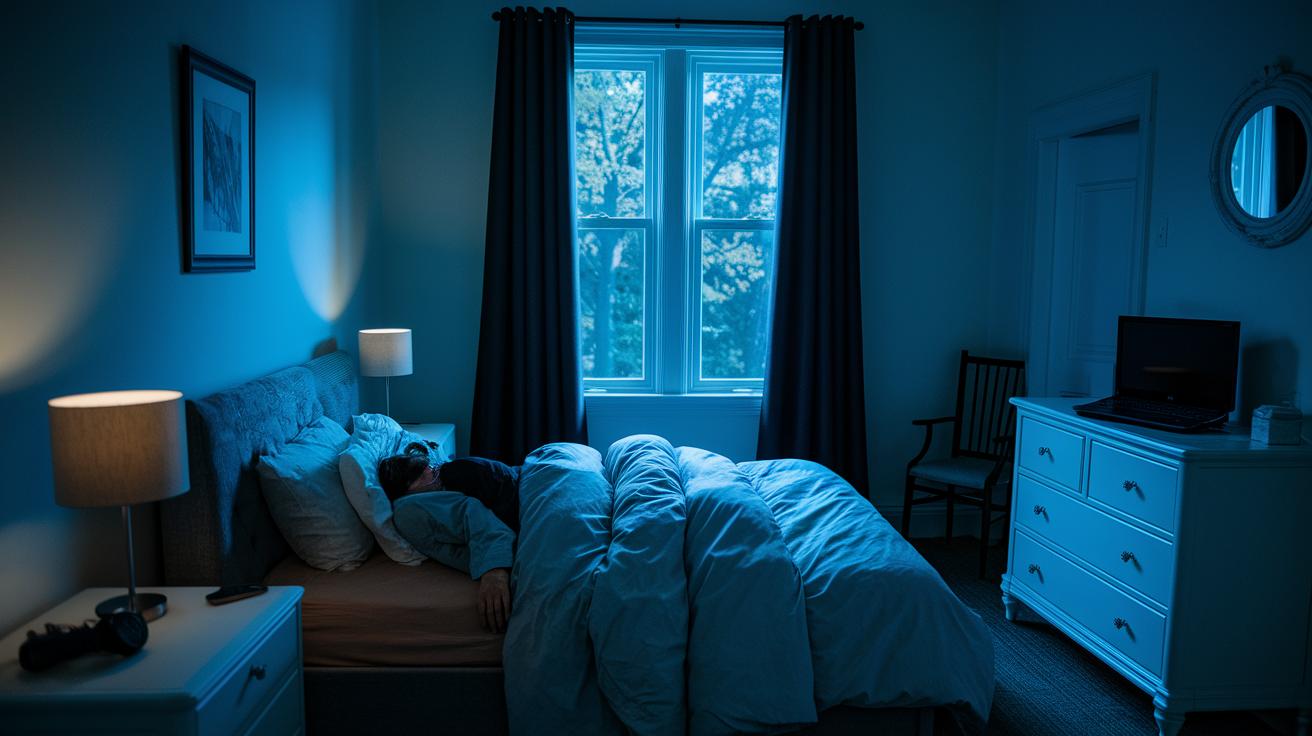
Deep sleep quality can be improved with a few small lifestyle tweaks. For example, keeping your bedroom cool, dark, and quiet sets the stage for deeper, more restorative sleep. On the flip side, too much light, loud sounds, or a warm room can disrupt your sleep cycle. Even using electronics right before bed might interrupt your natural wind-down routine.
Eating a big meal close to bedtime can make it harder for your body to relax and digest properly, keeping your mind alert when it should be winding down. Similarly, beverages containing caffeine, or even alcohol, near bedtime can interfere with that precious deep sleep. Try adjusting your routine by eating dinner a bit earlier and swapping your regular drink with a soothing herbal tea in the evening.
Stress and not moving enough during the day can also impact how well you sleep. Adding simple relaxation techniques like deep breathing for a few minutes before bed might help calm your mind. And remember, a bit of physical activity during the day can encourage your body to settle down more naturally at night.
By tweaking your surroundings, your diet, and your daily habits, you'll give your body a better chance to enjoy the deep sleep it needs to repair and refresh itself.
Sleep Peacefully
Sleep is essential. Here are some simple tips to help you enjoy deep, restorative sleep.
Sleep Basics
- Stick to a steady sleep routine by going to bed and waking up at the same time every day.
- Make your bedroom cool, dark, and quiet to create a calm space.
- Turn off screens at least 30 minutes before bedtime so your eyes can relax.
- Avoid heavy meals, caffeine, and alcohol within three hours of going to sleep.
Actionable Methods
- Begin a calming pre-sleep ritual like reading a book or listening to gentle music.
- Try a brief journaling session to clear your mind of daily worries.
- Do some gentle stretching or light yoga to relax your body and support deep sleep.
When Normal Deep Sleep Isn't Enough: Recognizing Issues and Seeking Evaluation

If you notice you’re not getting as much deep sleep even though you stick to a regular sleep routine, it might be a sign that something isn’t right. Not getting enough deep sleep over time can point to issues like sleep apnea (a condition that disrupts your breathing while you sleep) or restless legs (where you feel the urge to move your legs during the night). Deep sleep is important because it helps repair your body and sort out your memories.
Doctors often use tests at home or in a sleep lab (polysomnography) to check how much slow-wave sleep (deep sleep) you’re getting. These tests can uncover problems in your sleep pattern that you might not notice on your own.
If changing your habits and improving sleep hygiene don’t boost your deep sleep, it’s a good idea to consult a sleep expert. A professional review can show if a sleep disorder is affecting you, and they can offer advice based on clear diagnostic results rather than just guessing. Don’t ignore ongoing deep sleep issues, as they can affect how well your body recovers and keep you from feeling alert during the day.
Final Words
In the action, this post breaks down what your sleep cycles mean and guides you through practical steps to boost deep sleep. It covers the structure of sleep, lifestyle factors, and day-to-day changes you can try. The content offers clear benchmarks on how much deep sleep is normal and emphasizes that even small tweaks can pay off. Keep experimenting with adjustments that suit your routine, and remember that a better night’s sleep is a win for your overall wellbeing. Enjoy each step toward a healthier sleep habit!
FAQ
What percentage of core sleep is normal?
The term “core sleep” includes the essential deep and REM stages. In a healthy adult sleep cycle, these stages represent about 35–50% of your total sleep time.
How much REM sleep do you need?
Your body typically needs about 20–25% of total sleep from REM. For 7–9 hours of sleep, that’s roughly 1.5–2.25 hours of REM sleep each night.
How much light sleep is normal?
Light sleep usually makes up about 45–55% of total sleep in most adults, playing an important role in memory processing and overall sleep quality.
How much deep sleep is too much?
Although deep sleep is essential for recovery, consistently exceeding 25–30% of your total sleep in deep sleep stages is uncommon and might signal an imbalance.
How much deep sleep do you need by age?
Deep sleep requirements change with age. Young adults often get 20–25%, middle-aged adults about 15–20%, and older adults approximately 10–15% of their total sleep as deep sleep.
How much core sleep do you need?
Core sleep, which is the combination of deep and REM stages, should ideally make up around 40–50% of your total sleep time to support effective recovery and brain function.
Too much deep sleep causes?
While excess deep sleep is rare, consistently having too much may indicate a disrupted sleep cycle or underlying health issues that could adversely affect overall sleep quality.
Core sleep vs deep sleep?
Core sleep refers to the combined restorative phases including deep (N3) and REM sleep, while deep sleep specifically is the N3 stage that focuses on physical repair and memory consolidation.
How do I increase my deep sleep?
To boost deep sleep, stick to a regular sleep schedule, keep your bedroom cool and dark, limit screen use before bed, and try relaxation techniques like gentle stretching.
How much deep sleep is normal by age?
Normal deep sleep percentages vary with age: young adults typically achieve 20–25%, middle-aged adults around 15–20%, and older adults usually get 10–15% of their sleep as deep sleep.
Why do I have very little deep sleep?
Very little deep sleep may result from high stress, inconsistent sleep habits, disruptive environmental conditions, or possible sleep disorders that lower deep sleep duration.
Is 40 minutes of deep sleep a night enough?
While 40 minutes can be sufficient on occasion, most adults ideally benefit from 1.5–2 hours of deep sleep spread over several cycles to ensure proper recovery.