
Are natural anxiety supplements just a passing trend, or can they really help? Almost 40 million people in the U.S. live with anxiety, and many are choosing natural options because they tend to have fewer side effects. Research suggests that ingredients like amino acids (the building blocks of protein) and herbal extracts may help lower stress and lift your mood. Today, we break down the facts and safety tips so you can see the clear benefits, and limits, of these products. Ready to find out if these natural aids might be the extra support you need?
Evidence and Safety of Anxiety Reduction Supplements in Focus
Anxiety disorders affect about 40 million U.S. adults, almost 1 in 5 people. With so many experiencing anxiety, more are looking for ways to feel better without the extra side effects that some medications can bring. Natural supplements are a popular choice when managing mild to moderate anxiety.
Research on these supplements is solid. Recent studies, including 31 peer-reviewed sources as recent as June 6, 2025, have examined them closely. Controlled trials and comparisons with placebos show that ingredients like amino acids (the building blocks of proteins), herbal extracts, and essential nutrients may help lift mood, ease stress, and balance overall mental health. For example, one study found that 4 out of 100 participants experienced noticeable improvements in handling daily stress.
These natural supplements are generally used for milder forms of anxiety and are not the main treatment when compared to medications like benzodiazepines, antidepressants, beta-blockers, or psychotherapy. They can be a helpful addition, but if your anxiety is severe or does not improve within two weeks, it’s important to consult a healthcare provider. A full approach to mental well-being usually means getting professional guidance.
Clinical Evidence on Natural Anxiety Reduction Supplements
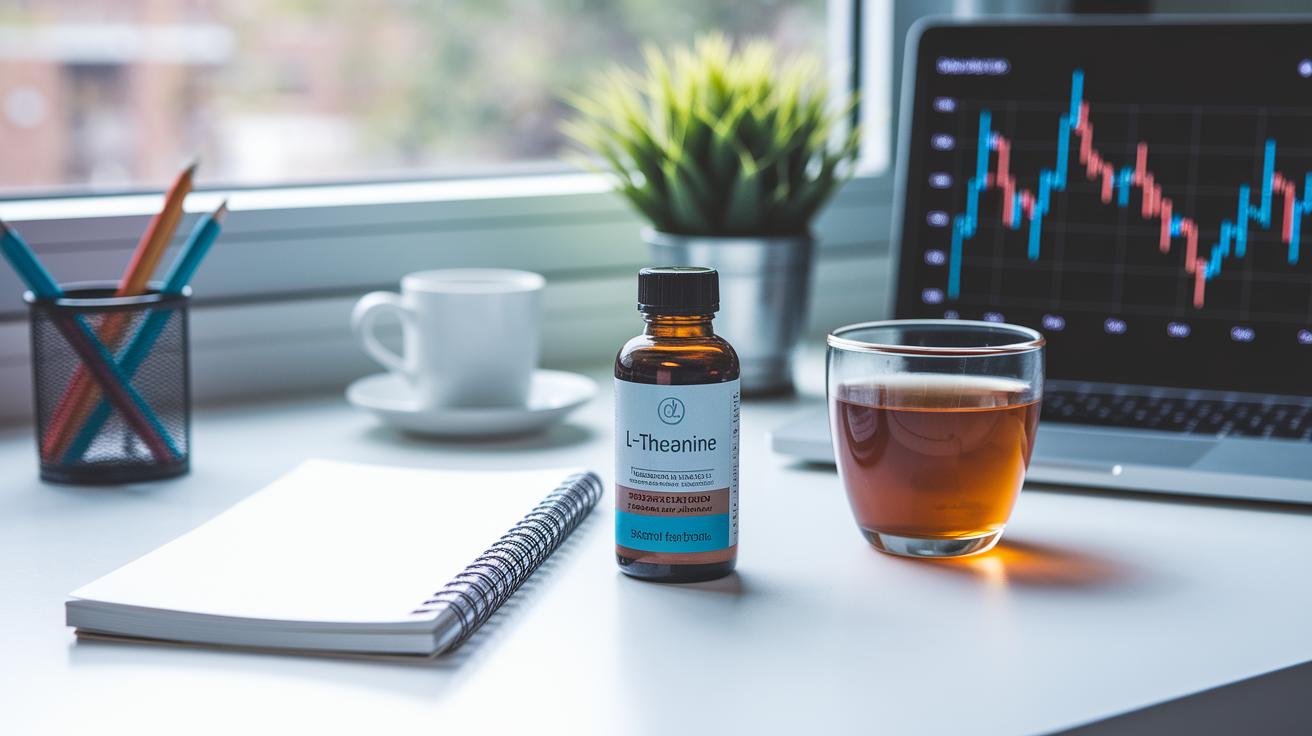
High-quality studies have tested these natural supplements in careful, placebo-controlled trials. Experts used clear methods to look at how each supplement affects mood, sleep, and stress. They measured changes in brain chemicals, enzyme activities, and inflammation in the body to explain how the ingredients work.
| Supplement | Mechanism of Action | Key Clinical Finding |
|---|---|---|
| L-Theanine | Boosts levels of GABA, dopamine, and serotonin | Helped improve mood and lower stress |
| Chamomile | Works as a gentle sedative to relax the nervous system | Improved sleep quality and provided calming effects |
| Magnesium | Supports over 300 enzyme systems important for nerves and muscles | Reduced tension and helped manage stress |
| Passionflower | Raises GABA production to ease brain activity | Reduced mild anxiety symptoms |
| Rhodiola | Helps balance stress hormones with its adaptogenic properties | Lessened anxiety and relieved mild depressive symptoms |
| Curcumin | Fights inflammation and provides antioxidant support | Improved mood and lowered anxiety markers |
| Kava | Enhances GABA receptor activity for a calming effect | Showed a clear reduction in anxiety in trials |
| Multivitamin Supplements | Provides steady nutrient support for brain function | Helped stabilize mood and support overall mental wellness |
| Omega-3 Fatty Acids | Maintains cell membranes and reduces inflammation | Improved mood and lowered triglyceride levels |
| Cannabidiol (CBD) | Influences neurotransmitters by working on the endocannabinoid system | Reported lower anxiety in placebo-controlled tests |
| Lemon Balm | Soothes nerves by calming overactive signals | Produced a modest drop in anxiety symptoms |
While many supplements show promise, how well they work can differ from person to person. Most studies report positive results, but a few had small groups or short test periods. More research with larger groups and longer study times could help confirm these benefits.
Adaptogens and Amino Acids: L-Theanine & Ashwagandha Evidence
L-Theanine is an amino acid found naturally in green tea. It helps boost brain chemicals like GABA, dopamine, and serotonin, which can make you feel calmer and more balanced. Studies have shown that when you take L-Theanine regularly, it can help improve your relaxation and even support better sleep quality. People in one study noted they felt more rested and emotionally steady after using it consistently.
Ashwagandha is an herb known for its ability to lower stress hormones like cortisol. Newer clinical research shows that daily use of Ashwagandha may help reduce the body’s stress response. Many who use Ashwagandha say they feel less tense and more capable of handling everyday challenges. This makes it a promising option if you’re looking to naturally manage stress and support a calmer mood.
Safety Profiles & Potential Risks of Botanical Calm Agents

Using supplements may help ease mild anxiety and bring a sense of calm, but they aren’t a replacement for prescription medications. Botanical calm agents work by affecting brain chemicals or easing inflammation. However, they often don’t have enough strong evidence to treat serious anxiety.
These supplements might interact with medications like antidepressants or beta-blockers. Mixing them with other treatments could change how those drugs work. While many people report feeling less tense and in a better mood, these products should not be the only treatment for serious anxiety issues. Always be cautious if you combine them with other therapies to avoid extra side effects or unexpected interactions.
If your symptoms last more than 2 weeks or you notice a drop in your mood, changes in sleep, or more physical discomfort, it’s time to seek professional advice. Long-lasting anxiety might be a sign of a more complicated issue and could eventually lead to depression. Relying only on botanical supplements in these cases might delay needed medical care.
Make sure to keep track of any new side effects or unusual reactions when you add a new supplement to your routine. And remember, if your symptoms get worse or don’t improve, talk with your healthcare provider for personalized guidance.
Quality Assurance, Regulatory Standards & Label Transparency
Supplements are not held to the same rules as medicines. Unlike pharmaceutical drugs that go through tough clinical trials and FDA approval, supplements rely on manufacturers to stick to evidence-based guidelines. There are strict sourcing rules in place, supported by 31 peer-reviewed studies from trusted academic and medical groups, which means it pays to be careful when picking a supplement.
Here are some key markers to look for:
When a supplement meets these standards, it shows the makers care about quality and safety. Reading labels carefully not only gives you a full list of ingredients but also shows you how the product was made. In a market where rules can differ a lot, checking the label and choosing products that follow these best practices helps you make a safer, well-informed decision.
Integrating Anxiety Supplements into a Holistic Management Plan

Mindful breathing can help your natural anxiety supplements work even better. Try spending a few minutes each day focusing on your breath. This simple action can slow your heart rate and ease your mind. For ideas, check out mindful breathing for anxiety.
Adding light exercise to your routine can also help balance your mood. Whether it’s a brisk walk or a few easy stretches, moving your body can release feel-good endorphins and create a sense of calm. For more tips, visit exercise for stress relief. Together with your supplements, these small activities support both physical strength and emotional well-being.
Remember to check with your healthcare provider to keep your plan safe. Regular check-ins not only help tailor your routine to your needs but also make sure you’re on the right track. Combining healthy eating, mindful breathing, and exercise with your supplements gives you a complete strategy for managing stress. If you need more ideas, see stress management techniques for anxiety.
Final Words
Jumping straight into action, this guide reviewed national facts and backed anxiety reduction supplements (evidence and safety) claims. It explained how natural supplements, like L-Theanine and Ashwagandha, work with mild to moderate anxiety and emphasized the need for proper oversight. Safety profiles, quality standards, and integrating supplements into everyday routines were also covered. Small adjustments in your daily habits can boost overall wellbeing. Keep moving forward confidently and enjoy a calmer day ahead.
FAQ
Frequently Asked Questions
What are the best natural supplements for stress and anxiety?
The best natural supplements for stress and anxiety include L-Theanine, magnesium, and omega-3 fatty acids. These supplements may help ease mild symptoms when combined with a healthy lifestyle and proper medical guidance.
What is the strongest natural supplement for anxiety?
The search for the strongest natural supplement for anxiety points to options like L-Theanine and Ashwagandha, which have shown promise in lowering stress hormones. However, individual responses vary, so consultation with a healthcare provider is key.
What supplements can support stress, anxiety, and depression?
Supplements such as chamomile, magnesium, omega-3 fatty acids, and B vitamins can support stress, anxiety, and depression by promoting a calmer mood. They work best as part of an overall wellness plan under professional advice.
What vitamins are helpful for anxiety and panic attacks?
Vitamins like the B-complex and magnesium are often used to support the nervous system and may help alleviate symptoms of anxiety and panic attacks. They are most effective when integrated with other treatments recommended by a doctor.
What is the best herbal remedy for anxiety and depression?
Herbal remedies, including chamomile and lemon balm, are popular choices for anxiety and depression due to their soothing qualities. They can be effective for mild symptoms but should be used under professional supervision for consistent issues.
Are natural supplements and medications for anxiety safe?
Natural supplements and prescribed medications can be safe when used as directed. Both require proper medical guidance to avoid interactions, and neither should replace professional treatment for persistent or severe anxiety symptoms.
What treatments are scientifically proven to reduce anxiety?
Treatments such as cognitive-behavioral therapy and medications like SSRIs and benzodiazepines are backed by strong scientific evidence. While some natural supplements show promise for mild anxiety, they are not substitutes for these evidence-based therapies.

