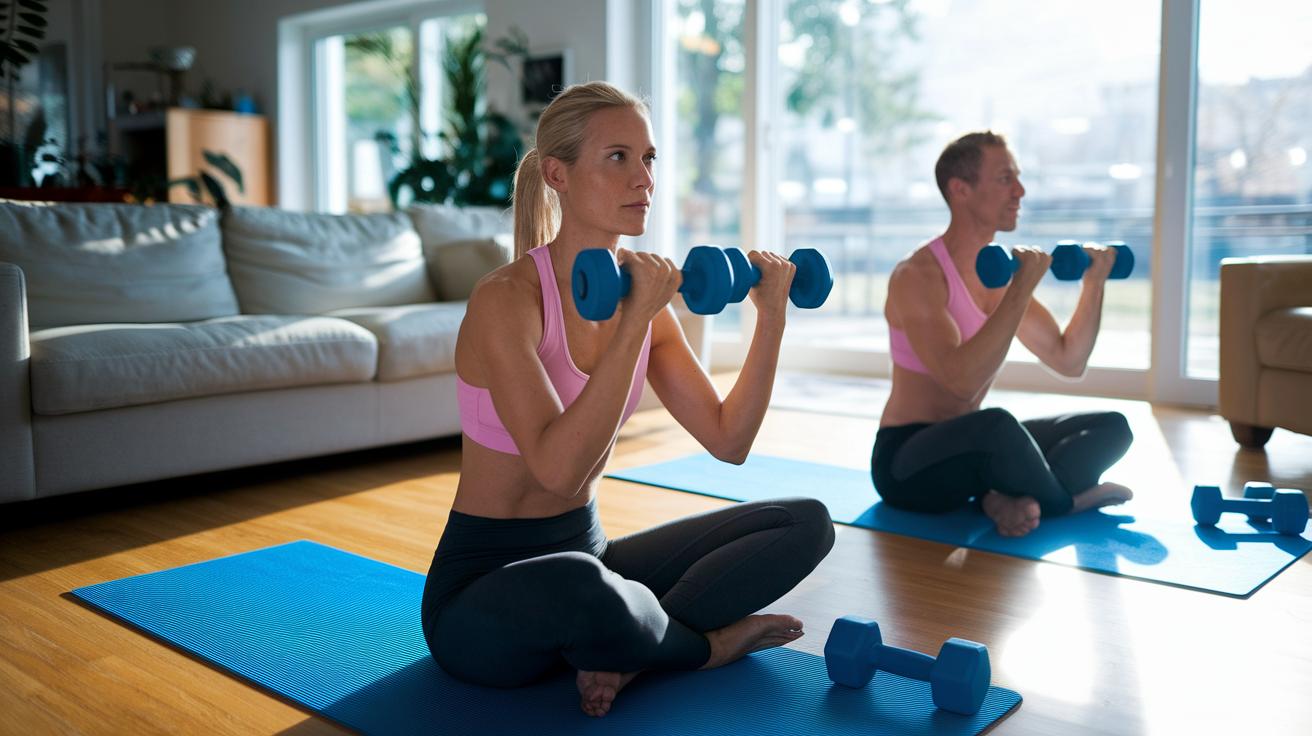
Ever find yourself running low on energy when you need a boost? Try a simple home workout that can help you feel more alert and strong. Spend just 20 minutes a day following clear video guides and easy, step-by-step tips that work with your schedule. Whether you’re new to exercise, getting back into it, or even expecting, these routines can give you a real lift. In this guide, we’ll show you how to build a plan that fits into your busy life and helps you feel more energized every day.
Getting Started: Designing Your Home Workout Plan
Ready to jump into a workout plan that can boost your energy? Many certified trainers now share free, ready-to-use plans in formats like 7-day, 14-day, 30-day, and even 12-week schedules. These plans suit everyone, from beginners just starting out to those who need a gentle approach during or after pregnancy. With easy-to-follow daily videos and downloadable PDFs, you get clear instructions that fit right into your daily life.
Many plans are designed with minimal or no equipment in mind, so you can exercise even in a small living room. Picture carving out just 20 minutes a day to follow a video that shows every step clearly. And here's something interesting: many beginners find that sticking to a simple, structured routine can really lift their energy levels day by day.
When you build your own workout plan, try these steps:
- Pick a schedule that fits your life, start with a short 7-day plan or commit to a longer 12-week journey.
- Select workouts that match your needs, whether you're new to exercise, expecting, or easing back in.
- Use video guides and PDFs that offer modifications to fit your energy and skill level.
Designing your own workout plan means you call the shots. With clear, step-by-step instructions and options for different times and intensities, these free plans help you start an exercise habit without needing a gym. Every plan is simple to follow, making it easier to boost your energy and build strength right at home.
Structuring Your Weekly Home Workout Plan
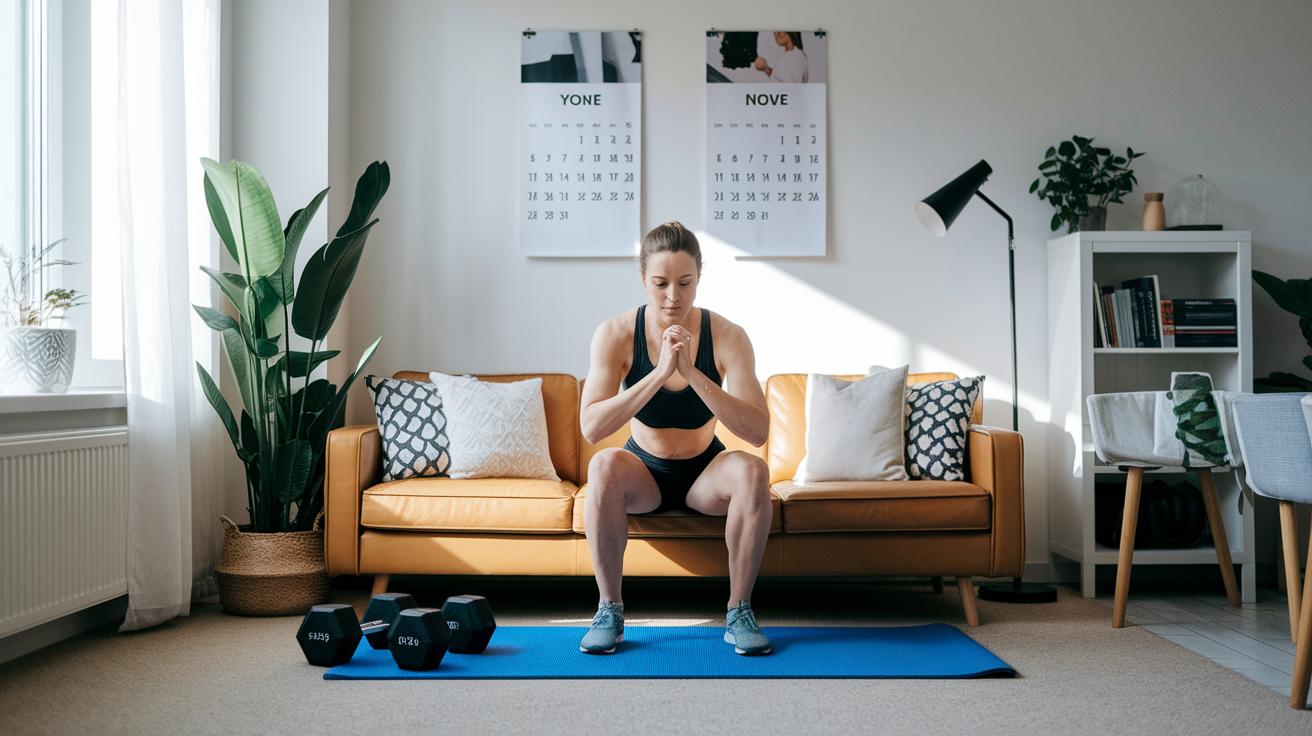
Planning your weekly workout at home can be really straightforward. Start by thinking about five active days and two days off. For instance, use Days 1, 3, and 5 for strength training. Choose simple moves such as bodyweight squats, push-ups, or light dumbbell exercises to build muscle and boost stability. Save Days 2 and 4 for cardio. On these days, you might try a 15–20 minute boxing HIIT session, jumping jacks, or running in place to get your heart pumping.
Design your schedule to match what works for you. Here’s one easy plan to follow:
- Day 1: Focus on legs and core strength
- Day 2: Do a cardio workout, like boxing HIIT
- Day 3: Work on upper body strength
- Day 4: Enjoy another cardio or HIIT session
- Day 5: Try a full-body strength routine
Even if you can only work out 2–4 times a week, aim to leave at least 48 hours between strength sessions to let your muscles recover. If six days feel too much, pick a guided workout that suits your energy and fits into your day. The key is to keep it simple and stick with a plan that doesn’t overwhelm your schedule.
Building Your Full-Body Bodyweight Routine at Home
Quick take: In just 20 minutes, you can get a full-body workout right at home, no equipment needed.
Begin with a warm-up. Try arm circles, gentle lunges, and "good mornings" (a light bending at the waist) to get your muscles ready and your heart rate up. Once you're warmed up, dive into three circuits of exercises.
Each circuit is simple and effective. You'll do push-ups, bodyweight squats, doorway rows (make sure you use a sturdy doorframe and stay safe), and jumping jacks. If regular push-ups feel tough, start with knee push-ups by keeping your knees on the ground.
Feel free to adjust the moves: use a support for assisted squats or try a knee plank if a full plank is too challenging. This way, you can match the difficulty to your current strength. When you've finished all three circuits, spend a few minutes stretching to relax your muscles and ease any tightness.
Aim to do this 20-minute routine 2–4 times each week. Remember to rest for 48 hours between sessions so your muscles have time to rebuild.
| Exercise | Modification |
|---|---|
| Push-ups | Knee or elevated push-ups |
| Bodyweight Squats | Assisted squats |
| Doorway Rows | Use a sturdy doorframe carefully |
| Jumping Jacks | Standard execution |
This routine keeps your workout short but challenging, helping you build strength slowly and safely. Enjoy the workout, and notice how even a brief session can boost your energy!
Progression Techniques in Your Home Strength Training Program

Quick take: You can build more muscle in about 4–6 weeks by making your workouts just a bit tougher over time.
Start with easy bodyweight moves. For example, if you begin with 3 sets of 8 push-ups, try increasing to 3 sets of 10 push-ups next week. These small steps make a big difference.
Next, try switching up the exercise when it feels too easy. If regular push-ups are hard, begin with knee push-ups. As you get stronger, move on to standard push-ups and later experiment with diamond or elevated push-ups. This kind of change gives your muscles a fresh challenge. You can use the same idea with squats too, start with assisted squats, then do full squats, and eventually add a jump for a burst of power.
Another way to progress is to add more circuits into your routine. Some programs, like "Build 30," focus on gradually upping the workload. If you want to use dumbbells, begin with light weights and only increase them when you can keep good form. These gradual tweaks help turn your basic routine into an advanced, muscle-building workout.
Incorporating HIIT and Cardio into Your Home Workout Plan
Quick take: Try a 15–20 minute, equipment-free HIIT workout at home to boost calorie burn and improve your heart health. Start by setting aside a short, focused time where you mix high-energy moves like burpees, mountain climbers, and squat jumps. These quick bursts can raise your heart rate and even keep your metabolism up for a while after you’re done.
If a full-on circuit isn’t your style, you might enjoy a simple boxing workout in a small space. A fast-paced boxing session, with controlled punches, light footwork, and quick defensive moves, can also give you a great cardio boost. Programs such as HIITStrong 35 offer structured plans that keep your workouts fresh and effective.
Here are a couple of ideas to try:
- Combine exercises like burpees, mountain climbers, and squat jumps in a circuit.
- Set up a boxing-style routine in a small area.
These short, intense sessions let you add heart-pumping cardio to your routine without needing extra equipment. Give one a try and feel the energy boost today!
Warm-Up, Mobility, and Cool-Down Strategies for Home Workouts

Start your workout with a simple warm-up to wake up your muscles and boost your energy. Try doing 10 arm circles, a few lunges, and some “good mornings” (a gentle forward bend) to slowly increase your heart rate. For example, before I exercise, I spend 5 minutes doing 10 arm circles in each direction, just like you’d warm up your car before a long drive.
After finishing your workout, switch to light mobility moves and cooldown stretches. A bit of foam rolling paired with static stretches, like touching your toes or a seated forward bend, helps ease muscle tightness and improve flexibility. These moves can lower your chances of soreness and injury.
Using a straightforward warm-up and cooldown indoors not only preps your body for exercise but also supports your recovery. Spend a few minutes at the start to get going and a few at the end to relax. This simple habit keeps your muscles ready for the next workout and helps you stay energized throughout the day.
Recovery, Rest Days, and Injury Prevention in Your Home Workout Plan
When you plan your workout week, remember to include rest days. Many gym-free routines set aside Days 6 and 7 as recovery days so your body gets a break from hard exercise. Giving your muscles about 48 hours between strength training sessions helps them rebuild and become stronger. For example, if you finish a strength workout on Day 5, save Day 7 for your next strength session to allow enough time for muscle repair.
On days off, keep your activity light. You might do gentle stretching or a few minutes of yoga to stay flexible and ease any tightness. This simple step can help prevent injuries and keep your routine balanced. If some days feel more tiring than others, listen to your body, skip the intense workouts and let your muscles recharge for the next session.
Following these habits makes your workout plan more sustainable and helps protect your body from overuse and injury.
Tracking Progress with Your Home Workout Plan Using Digital Tools

Tracking your progress is a smart way to boost your energy and see real results. Many free PDFs and video guides come with built-in trackers so you can log your sets, reps, and times with ease. Whether you use a digital planner or a printable chart, you can quickly find out what works best for you and make simple tweaks along the way.
For instance, write down the number of push-ups you do and try adding one or two more each week. This approach lets you see improvements over time. Some handy apps even send reminders to help you update your progress, so you never have to guess if you’re on track.
Every steady gain you record feels like a mini celebration. A few quick notes after each workout, like recording an extra rep or a shorter rest period, show clear evidence that you’re getting stronger. These digital tools help you fine-tune your exercises, making it simpler to plan, adjust, and enjoy consistent progress.
Nutrition and Lifestyle Tips to Optimize Your Home Workout Plan
Quick take: When you mix balanced meals with active habits, you boost your energy and get better workout results. Eating lean proteins like chicken, tofu, or fish, whole grains like brown rice (or quinoa), and plenty of vegetables helps repair muscles and can aid in fat loss. Drinking enough water through the day is also important, especially during hard workouts. For extra tips on planning meals, check out the "how to eat healthy" resource.
Think of food as the fuel that powers your workouts. A protein-packed breakfast jumpstarts muscle repair, while a lunch filled with veggies and grains keeps your energy steady. After exercising, grab a snack, perhaps some Greek yogurt or a small handful of almonds, to support recovery. And if you’re also aiming for weight loss, look into "healthy eating for losing weight" for simple swaps and portion advice.
Pairing your meal habits with your exercise routine creates a complete health plan. Adding short movement breaks, getting enough sleep, and a few minutes of stress relief each day all help build a strong foundation. Enjoy nurturing both your body and mind as you move toward your fitness goals.
Final Words
In the action, you've learned how to design a balanced workout at home. We broke down daily routines, warm-ups, and cool-downs to get your body moving comfortably. You also saw how to mix strength, cardio, and mindful recovery with easy modifications. Tracking progress and simple nutrition tips tie it all together. Small steps add up quickly when you plan smartly. Keep these tips handy as you build and enjoy your home workout plan.