
Have you ever wondered if a few small changes in your eating habits could help you feel more energized? Try drinking a glass (about 8 fl oz or 240 ml) of water before each meal. Studies show it might help boost your weight loss by nearly 44% in just 12 weeks.
Healthy eating isn’t about following strict rules, it’s about giving your body the right fuel. Start your day with a balanced breakfast and include lean proteins (like chicken or beans) and fiber foods (like fruits and veggies) in every meal.
This guide offers simple, proven steps to help you turn your daily meals into a plan that supports weight loss. Give it a try today!
Healthy eating for losing weight: Feel Radiant
Start by drinking water. Aim for 12–16 oz (350–470 ml) about 30 minutes before each meal. Research shows that this simple step may boost your weight loss results by about 44% over 12 weeks. A glass of water before eating helps jump-start digestion and can keep you from overeating, simple and effective.
A balanced breakfast sets a strong tone for the day. One study with 50 people found that a meal with eggs and buttered toast kept hunger away for 4 hours, unlike a breakfast of cereal and juice. Think of your breakfast like fueling your car; protein is high-quality fuel that keeps your engine running smoothly all day.
Make sure to include lean protein at every meal. Options like eggs, chicken breast, or Greek yogurt help keep blood sugar steady and reduce sugar cravings. It’s also great to add high-fiber foods, fruits, vegetables, whole grains, legumes, and chia seeds can help lower your overall calorie intake and body fat, as a 2022 study in type 2 diabetes indicated.
For more detailed advice on healthy eating habits, you can check out this guide on healthy eating (https://bezenn.com?p=123).
Also, avoid artificial sweeteners if you can. They might increase cravings and lead you to use up extra calories later. And remember, skipping meals can cause your blood sugar to drop, leaving you tired instead of energized.
Creating a Balanced Meal Plan for Losing Weight
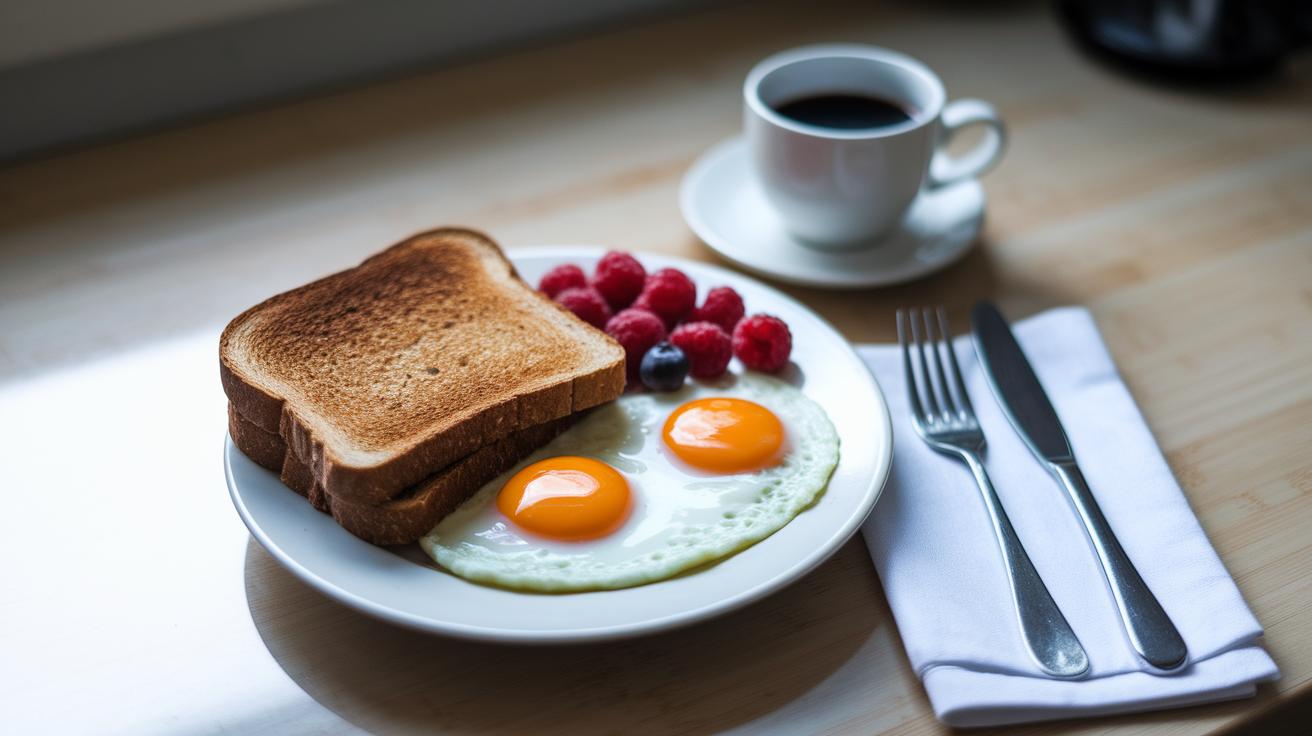
Start your week with an easy plan that focuses on the right portions and a mix of nutrients. For breakfast, have 2 eggs with a slice of whole-grain toast and a small bowl of fresh berries. This meal gives you about 350 kcal, 22 g of protein, and 6 g of fiber to get you going. At lunch and dinner, choose lean proteins paired with lots of vegetables. Use simple cooking methods like grilling, steaming, or roasting to keep extra fats low. A good rule is to fill half your plate with veggies, one-quarter with lean protein, and one-quarter with complex carbohydrates.
Mix it up on Day 2 by rotating your proteins and veggies. For lunch, try a grilled salmon salad on mixed greens with quinoa and a drizzle of olive oil vinaigrette. This dish packs around 450 kcal, 30 g of protein, and 8 g of fiber. Remember, cooking by steaming or roasting helps you lock in taste and nutrients without extra oil. For dinner, pick another lean protein with a big serving of seasonal vegetables to keep every bite balanced.
On Day 3, go plant-forward with a meal that’s light yet filling. Enjoy dinner with stir-fried tofu, seasonal vegetables, and brown rice. This plate offers about 500 kcal, 18 g of protein, and 7 g of fiber. Use your favorite herbs and spices to add flavor without extra calories, so your meal remains both tasty and nourishing.
| Meal | Example Foods | Calories | Protein (g) | Fiber (g) |
|---|---|---|---|---|
| Breakfast | Eggs, Oatmeal, Berries | 350 | 22 | 6 |
| Lunch | Grilled Chicken Salad | 450 | 30 | 8 |
| Dinner | Fish & Veggies | 500 | 35 | 7 |
Portion Control Techniques for Healthy Eating and Weight Loss
Managing your portions is a simple way to help reduce calories naturally and boost your energy throughout the day. It can even improve your digestion when you eat mindfully. Here are five easy tips to help you eat with intention:
- Use smaller plates and bowls: A smaller dish makes your food look like there's more, so you'll feel satisfied with less.
- Divide your plate: Try filling half your plate with veggies, one-quarter with lean protein, and the remaining quarter with whole grains or starchy veggies. This balanced layout helps keep your blood sugar steady.
- Chew slowly: Aim for about 20-30 chews per bite. This slower pace gives your brain time to notice when you're full.
- Remove distractions: Put away the TV and work materials while eating. Focusing on your meal lets you tune into your natural hunger and fullness signals.
- Pre-portion your snacks: Divide snacks into single-serving bags or containers to help you avoid eating too much in one go.
Small changes like these can make a big difference in how much you eat each day. Try mixing in one or two of these tips during your meals and see how they help create a more balanced, mindful eating experience.
Smart Low-Calorie and Nutrient-Rich Food Choices for Weight Loss
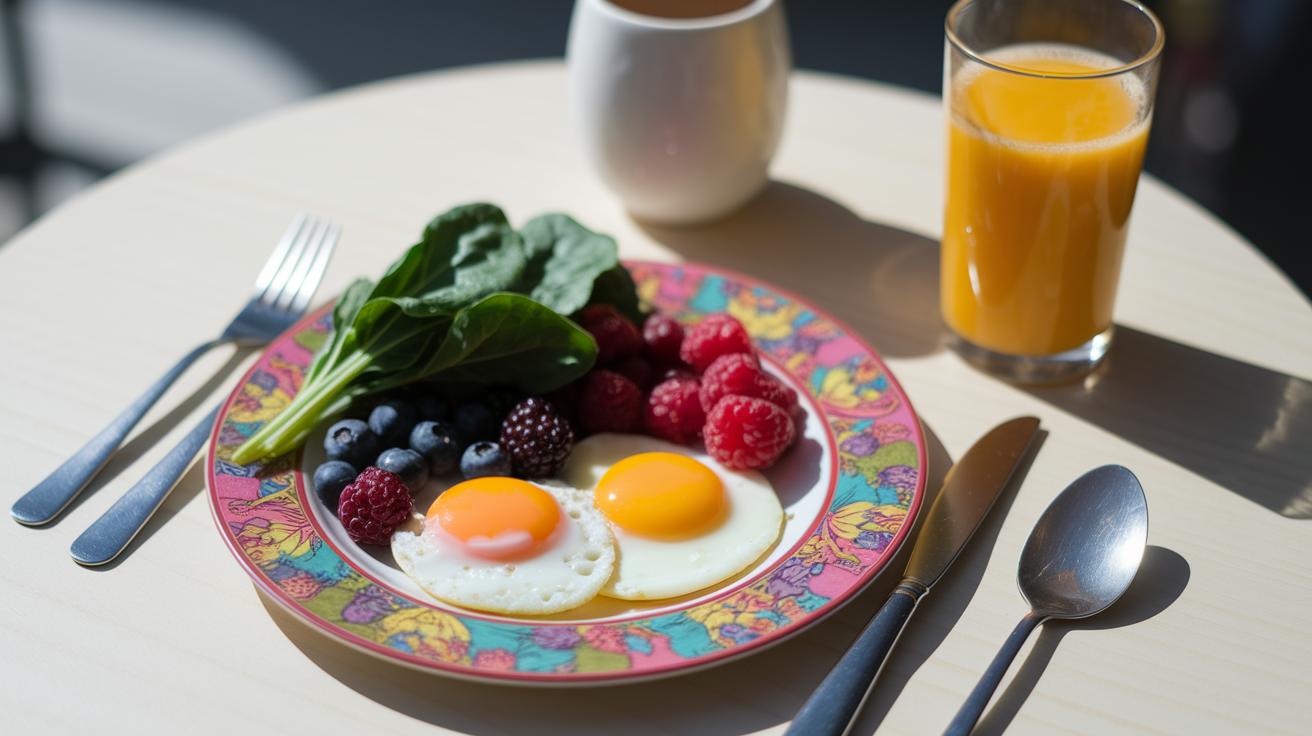
If you're working on your weight, choosing foods that are low in calories but full of nutrients can be a smart move. These foods give you quality protein, fiber, and healthy fats to help keep hunger away and your energy steady. They can also help your digestion and keep your metabolism balanced. Here are 10 top foods with unique benefits to support your weight loss efforts:
-
Eggs: One egg has about 6 g of protein and under 80 kcal. They are a great way to start your day and keep you feeling full.
-
Leafy greens (kale, spinach): These greens have fewer than 50 kcal per serving and are full of fiber and vitamins. They add bulk to your meals without extra calories, so you stay satisfied longer.
-
Cruciferous vegetables (broccoli, cauliflower): With 40–50 kcal per serving, these veggies offer vitamins and fiber that can help keep your blood sugar and digestion on track.
-
Skinless chicken breast: A 3 oz serving (about 85 grams) has 165 kcal and 31 g of protein. This lean meat helps maintain muscle while keeping your calorie count low.
-
Beans & legumes: A half-cup serving gives you about 120 kcal, with 7–9 g of protein and fiber that help control hunger.
-
Soups: These are high in volume but low in calories. Enjoy a warm bowl to fill up without overdoing the calories.
-
Greek yogurt: A 5 oz serving has around 100 kcal and 17 g of protein, making it a tasty snack that also supports lean muscle.
-
Chia seeds: Two tablespoons contain about 138 kcal and 10 g of fiber, which can boost fullness and support smooth digestion.
-
Avocado: Half a fruit offers roughly 240 kcal and plenty of healthy monounsaturated fats, giving you a creamy texture along with essential nutrients.
-
Nuts (almonds): One ounce (around 28 grams) has 160 kcal and provides protein, fiber, and fat to keep your energy up and curb cravings.
Mindful Eating Habits in Your Healthy Eating for Losing Weight Routine
Turn off your screens and put work aside when you eat so you can really enjoy your meal. This simple change helps your brain notice when you’re full. As you eat, take a short pause to check your hunger on a scale of 1 to 10. Ask yourself if you're still a bit hungry or if you're satisfied enough to stop. This little check can keep you from overeating and makes every bite count. Also, wonder whether you’re eating because you need food or because you’re stressed.
Try fitting in a short daily meditation, about 5 to 10 minutes, either before or after meals. This quiet moment can lower stress and help you make better choices about snacking. And when you shop for groceries, plan to go when you’re not hungry. This can help you avoid impulse buys that might hurt your progress. By taking time to center yourself around meals, you build a routine that supports weight loss and helps you feel more energized every day.
Hydration and Meal Timing in Healthy Eating for Losing Weight
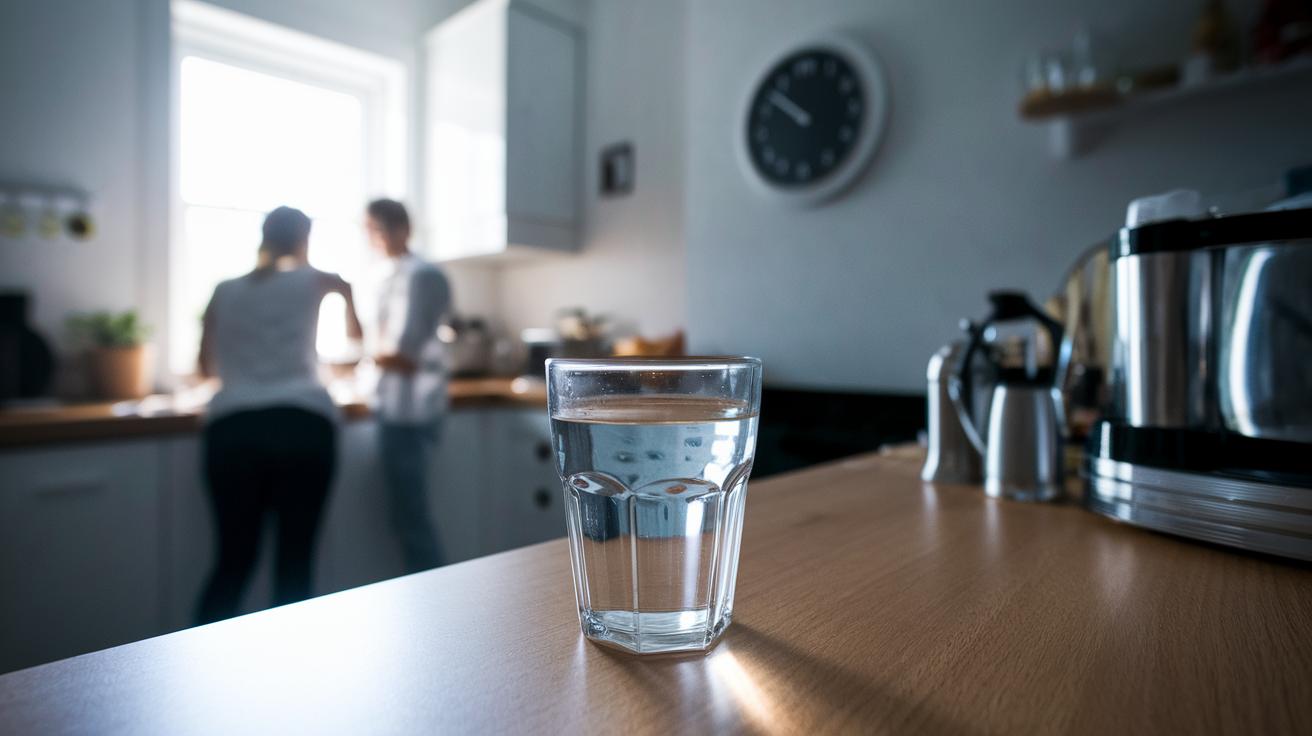
Begin by sipping 12–16 oz (about 1.5–2 cups or 350–470 ml) of water roughly 30 minutes before your meal. Studies suggest this simple habit can boost weight loss over 12 weeks by making you feel fuller, so you naturally eat less.
Hold off on drinking black coffee until after breakfast. This small tweak can help keep stress hormones (cortisol) and blood sugar levels stable, which may lower the chance of creating extra fat cells and support a smoother metabolism throughout your morning.
Try a 12-hour overnight fast by having dinner around 7 pm and waiting until 7 am for breakfast. This break gives your digestive system a chance to reset and might improve how your body handles blood sugar, keeping your energy steady.
Wrap up your meal routine with a brisk 30-minute walk. This light activity can help burn extra calories and aid digestion, making it easier to stay within your calorie goals while keeping your energy levels high.
Calorie Tracking and Healthy Food Apps for Weight Loss
Begin your weight loss journey with a simple 2-week food diary. Write down every meal and snack to spot if your portions are off or if you're missing nutrients. This record helps you see patterns, like reaching for the same snack every day or eating too many calories at dinner.
Then, try using a healthy food app on your phone. Log your calories, protein, fats, and water intake to keep track of your meals easily. Many apps even include a nutrition calculator so you can set and hit your calorie goals without a hassle.
Finally, explore apps that offer easy-to-read dashboards and real-time feedback. These tools save your daily food log and let you know if a meal pushed you over your target. With this clear information, making small changes becomes easier. Regular tracking can turn calorie counting into a simple, everyday habit that shows you measurable progress.
Building Sustainable Weight Loss Habits Through Healthy Eating
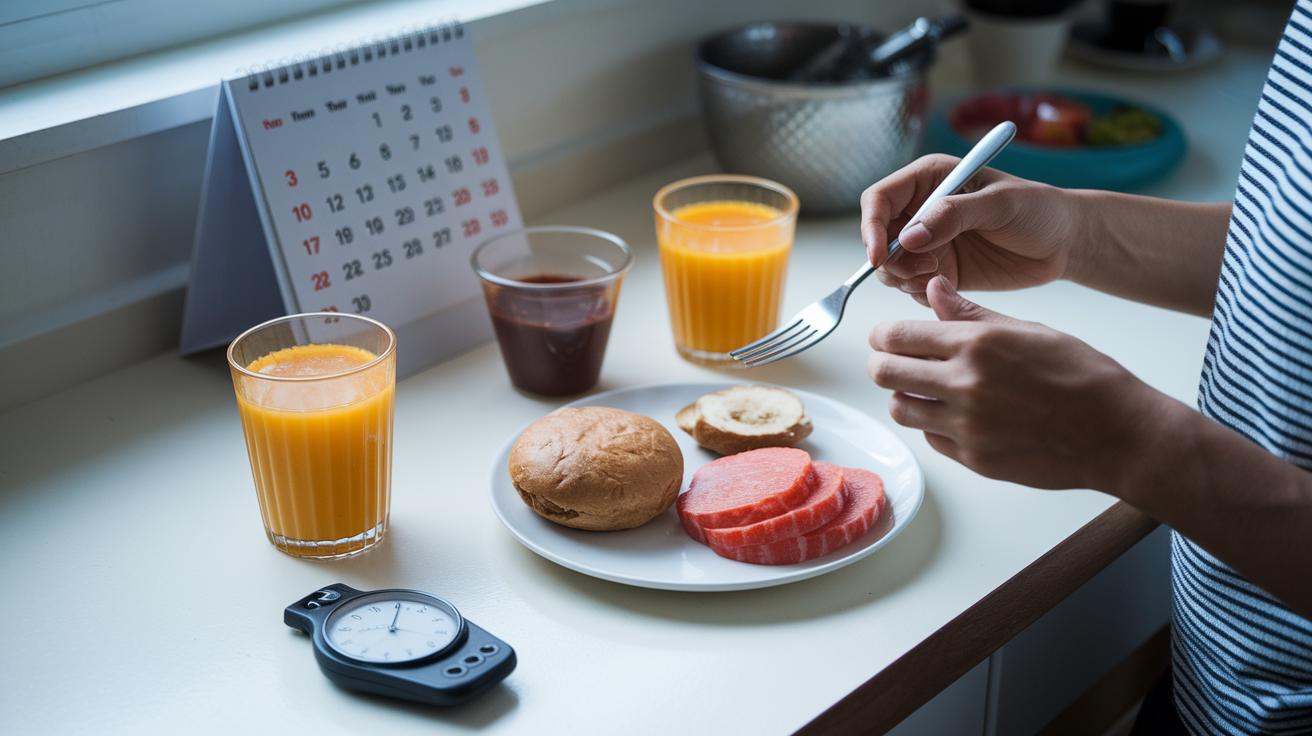
Try small changes that add up to lasting weight loss. Begin with a regular meal schedule. Skipping meals can make your blood sugar drop and increase hunger later, so aim to eat at the same times every day.
- Stick to a meal routine: Eating at set times keeps hunger from spiking and helps you maintain steady energy.
- Add some movement and light strength exercises: Even short bursts of exercise build muscle, which burns more calories than fat.
- Cut back on alcohol: Alcohol adds extra calories with little nutrition. Plan any treats ahead of time so you're in control.
- Plan your meals in advance: Spend a few minutes each day planning your meals. This helps you manage portions and avoid quick, unplanned choices.
- Balance your workouts: Too much cardio can boost stress hormones and trigger extra hunger. Mix in moderate exercises for a balanced routine.
By using these five tips, you can build a balanced eating plan that supports your weight loss goals step by step.
Final Words
In the action, we broke down evidence-backed tips for healthy eating for losing weight, from hydration and balanced meal planning to mindful eating and calorie tracking. We explored portion control techniques and smart food choices that help keep you full while reducing calories. Each strategy is designed for immediate use and lasting habits. Small, focused changes can make a big difference. Keep making progress every day, you’ve got this!
FAQ
What does a 7-day diet plan for weight loss involve?
A 7-day weight loss diet plan offers a structured schedule featuring balanced meals, proper hydration, and portion control. It guides you toward sustainable habits by including nutrient-dense foods and mindful eating strategies.
What makes a healthy eating for losing weight meal plan effective?
A healthy eating meal plan for weight loss focuses on balanced meals with lean proteins, vegetables, and whole grains. It offers clear portion guidance and smart meal timing to keep you fuller longer.
How does a healthy eating for losing weight calculator work?
The healthy eating calculator estimates your calorie and nutrient needs based on your lifestyle. It helps you plan meals and portions to support steady weight management.
What is a 10 kg weight loss in 7 days diet plan?
The 10 kg weight loss in 7 days diet plan proposes rapid results with strict guidelines, though such extreme plans may not be sustainable. Consult a clinician before attempting aggressive weight loss.
What are 5 foods to eat to lose weight?
Five foods often recommended for weight loss include lean protein, leafy greens, whole grains, beans or legumes, and fruits. These choices boost satiety while helping control calorie intake.
Which foods help lose stomach fat?
Foods that help reduce stomach fat include fiber-rich vegetables, lean proteins, and whole grains. These choices support overall fat loss and help improve your digestive health.
What should I eat to lose weight fast?
To lose weight fast, focus on nutrient-dense foods like lean proteins, vegetables, and whole grains while avoiding processed items and artificial sweeteners. This helps promote quick and sustainable results.
How can I lose weight fast naturally and permanently?
Losing weight naturally and permanently involves a balanced diet rich in whole foods, proper hydration, portion control, and regular activity. Gradual lifestyle changes tend to yield lasting results.
What is the healthiest diet for weight loss?
The healthiest diet for weight loss emphasizes whole foods, lean proteins, vegetables, fruits, and healthy fats while minimizing processed foods and artificial sweeteners to support steady progress.
What does the 3 3 3 rule for eating mean?
The 3 3 3 rule means dividing your plate into three equal parts: one for lean protein, one for vegetables, and one for whole grains. This helps provide balanced nutrients and control portions.
How do I lose 20 pounds in a month?
Losing 20 pounds in a month usually requires a strict regimen that may not be sustainable long-term. Focus on gradual, healthy changes with balanced eating and activity, and consult a clinician before starting.
What is healthy eating for weight loss?
Healthy eating for weight loss revolves around balanced meals that include lean proteins, whole grains, fruits, and vegetables. It emphasizes proper hydration and portion control for sustained weight management.