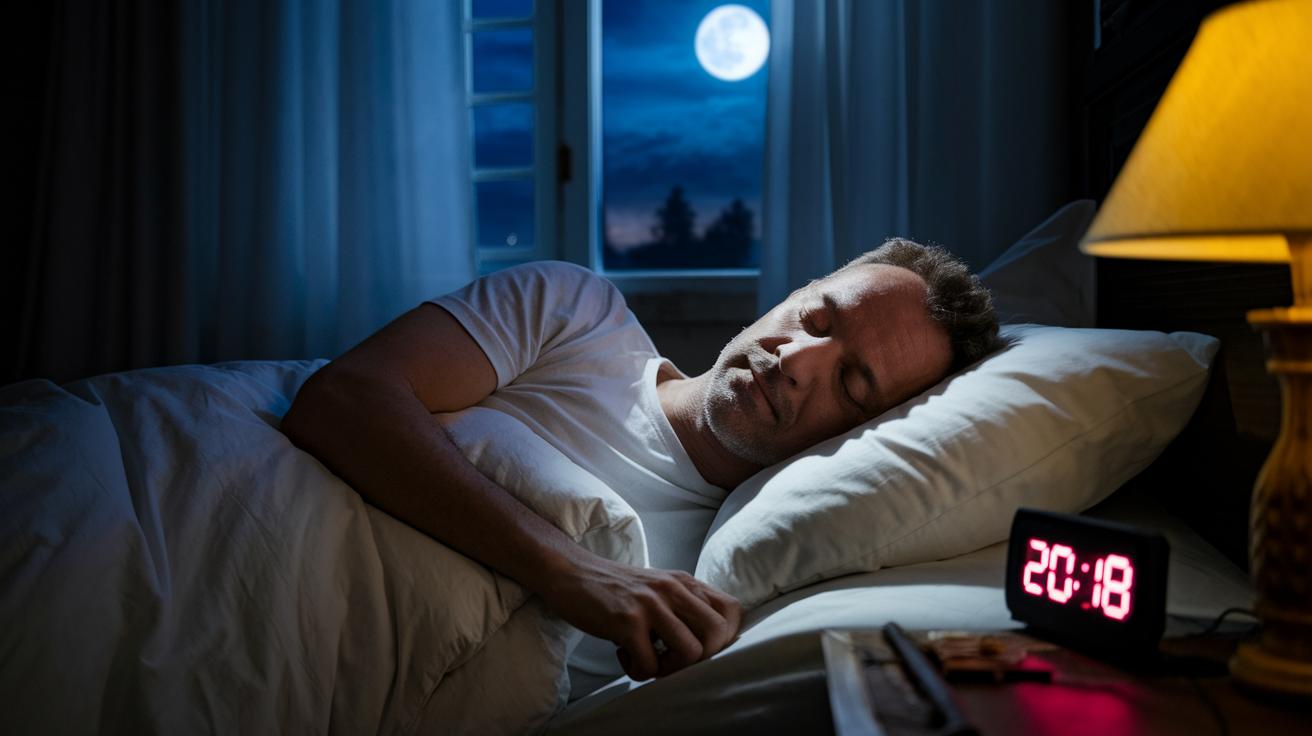
Have you ever wondered if missing a bit of deep sleep might be quietly affecting your health? While it might seem like those extra minutes of rest only freshen you up, deep sleep actually helps your body in many ways. It repairs tissues, balances hormones, and calms your brain. Even a short period of deep sleep can rebuild muscles and improve focus. In this post, we'll explain how deep sleep turns rest into a real health boost, helping you feel more energized throughout your day.
Physical Restoration Benefits from Deep Sleep
Deep sleep, or slow-wave sleep, is when your body really hits the reset button. Your heart rate slows down, your breathing becomes steady, and your muscles completely relax. This calm time helps your body focus on patching up cells and refreshing tissues. Most adults get about one to two hours of deep sleep each night, even though older adults might see a bit less.
During deep sleep, your body makes important changes that balance your hormones. One key player is the growth hormone (a hormone that helps rebuild bones and muscles), which peaks during this sleep stage. This boost in growth hormone supports the repair of tissues after a long day. Over time, strong growth hormone levels help keep you strong and healthy.
Deep sleep also kicks your immune system into action. Your body ramps up the production of cytokines (tiny proteins that help fight infections and reduce inflammation) during this phase. This helps shield you from getting sick and aids in healing any injuries. In short, deep sleep turns your nightly rest into a powerful period of healing and rejuvenation.
Cognitive and Emotional Benefits of Deep Sleep
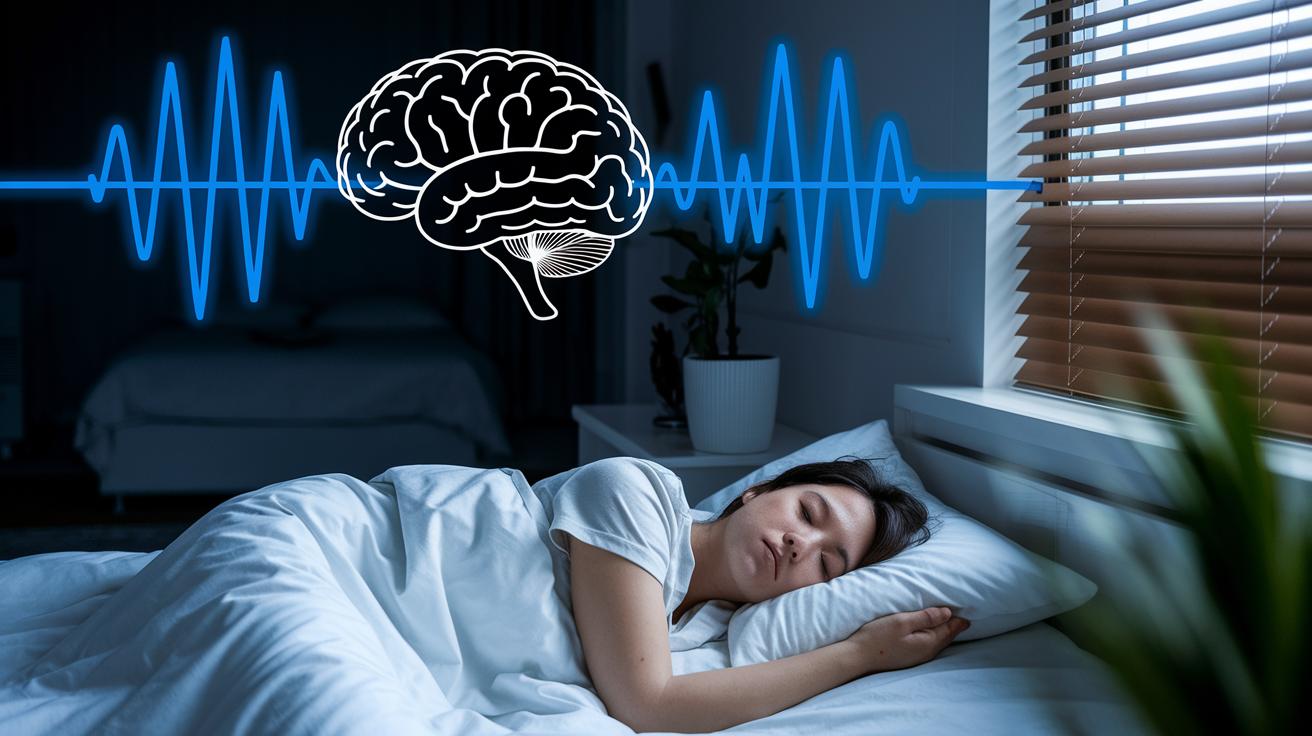
When you get deep sleep, your brain settles into a calm rhythm with slow delta waves. This time helps your brain sort through and lock in the memories you made during the day. In short, deep sleep makes it easier for you to remember things and sharpens your focus, so you can handle your day better.
Missing out on deep sleep can leave you feeling slow and grumpy. Without this rest, your body doesn’t get the chance to lower stress hormones, which may lead to more anxiety and a foggy mind. Even the simplest tasks can feel much tougher when you’re not well-rested.
Getting plenty of deep sleep can lift your mood and help you manage stress. When you sleep well, you’re more likely to tackle daily challenges with a positive outlook. Plus, a good night’s deep sleep not only refreshes your body but also boosts your emotional balance so you feel ready to take on the day.
benefits of deep sleep: Energize Your Health
Stick to a regular sleep schedule and feel the benefits of deep, restorative sleep. Even small tweaks in your nighttime routine can make a big difference in how energized you feel the next day.
- Follow a steady routine by going to bed and waking up at the same time every day. This keeps your internal clock on track.
- Block out disturbances by using blackout curtains, a sleep mask, ear plugs, or a white noise machine. A calm space helps you relax.
- Keep your room cool, aiming for 60°F to 65°F (15°C to 18°C). A cool environment can help you fall into deep sleep.
- Turn off screens 30 to 60 minutes before bed. This reduces blue light, which can mess with your natural sleep signals.
- Consider adding low-dose melatonin or magnesium supplements (magnesium helps relax muscles) if needed. They might support deeper sleep, just check with your doctor first.
Using these simple tips can help your body find and stay in deep sleep, making you feel more refreshed during the day. Small changes in your night routine can boost recovery and give you extra energy for everyday challenges.
Creating a Sleep-Friendly Environment for Deep Sleep

Keep your bedroom just for resting. A tidy, clutter-free room helps calm your mind and lets your body relax. Try spending a few minutes each evening putting things in order. This simple act sends a signal that it's time to wind down.
Also, use your bedroom only for sleep and closeness. When you do this, your brain learns to associate the space with rest, making it easier to fall asleep at night.
Deep Sleep Duration Guidelines by Age Group
Deep sleep is key because it helps your body repair tissues, balance hormones, and keep your immune system strong. On average, adults spend about 13% to 23% of their sleep in this restorative phase, which usually means about 1 to 2 hours each night. As we age, our need for sleep changes, and deep sleep often declines along with overall sleep duration. Understanding these guidelines can help you spot patterns and make small tweaks for better recovery.
| Age Group | % of Total Sleep in Deep Sleep | Hours per Night |
|---|---|---|
| Adults | 13% – 23% | 1 – 2 hours |
| Older Adults | Lower than adults | Less than 1 – 2 hours |
Final Words
In the action, we explored how deep sleep aids physical restoration, supports memory and mood, and boosts overall wellbeing. We dove into practical steps to improve sleep duration and quality, including easy changes to your sleep environment and habits.
Each tip is designed for busy days and tougher nights alike, giving you clear steps to harness the benefits of deep sleep. Keep experimenting and celebrate your progress, every improvement counts for a healthier, well-rested tomorrow.
FAQ
What are the benefits of deep sleep vs REM?
Deep sleep supports physical repair and immune function with cell restoration, while REM sleep boosts memory consolidation and mood regulation. Both stages are essential for overall health.
How can I increase deep sleep naturally?
Increasing deep sleep naturally involves keeping a consistent sleep schedule, creating a cool, dark, and quiet bedroom, and avoiding screens before bed to allow your body to settle into restorative sleep.
Can too much deep sleep cause problems?
Experiencing excess deep sleep is rare but can sometimes cause grogginess on waking. It might also indicate an underlying condition that interferes with the balance of your sleep cycle.
Are there side effects associated with deep sleep?
Deep sleep itself has no direct side effects, but significant changes in sleep patterns or oversleeping can lead to feeling unrefreshed or groggy during the day.
What causes a lack of deep sleep?
A lack of deep sleep can result from stress, irregular sleep routines, environmental disturbances like noise or light, and caffeine or alcohol intake that disrupts natural sleep cycles.
Is deep sleep dangerous?
Deep sleep is a necessary and safe part of your sleep cycle. It helps with physical restoration and brain function, with little risk if you follow healthy sleep habits.
How can I reduce deep sleep?
Generally, reducing deep sleep isn’t recommended because it performs vital functions. If your sleep pattern is off balance, consult a healthcare provider rather than attempting to lower deep sleep on your own.
What are the symptoms of deep sleep?
Deep sleep is marked by very slow brain waves (delta waves), relaxed muscles, lowered heart rate, and regular breathing, indicating that your body is in repair mode.
Why is deep sleep good for you?
Deep sleep is beneficial because it allows for bone and muscle repair, boosts immune function through cytokine release, and supports the release of growth hormone essential for recovery.
Why might I only be getting 30 minutes of deep sleep?
Only getting 30 minutes of deep sleep could be due to a disrupted sleep routine, stress, or environmental factors. It may help to adjust your sleep habits or speak with a specialist for further advice.
How much deep sleep is normal per day?
Normal deep sleep for adults ranges from 1 to 2 hours per night, which is about 13%–23% of your total sleep, indicating a balanced sleep cycle when combined with other sleep stages.
Is it better to have more REM or more deep sleep?
REM and deep sleep serve different roles. Deep sleep benefits physical repair, while REM is key for memory and emotional processing. A balanced mix of both is ideal for overall health.