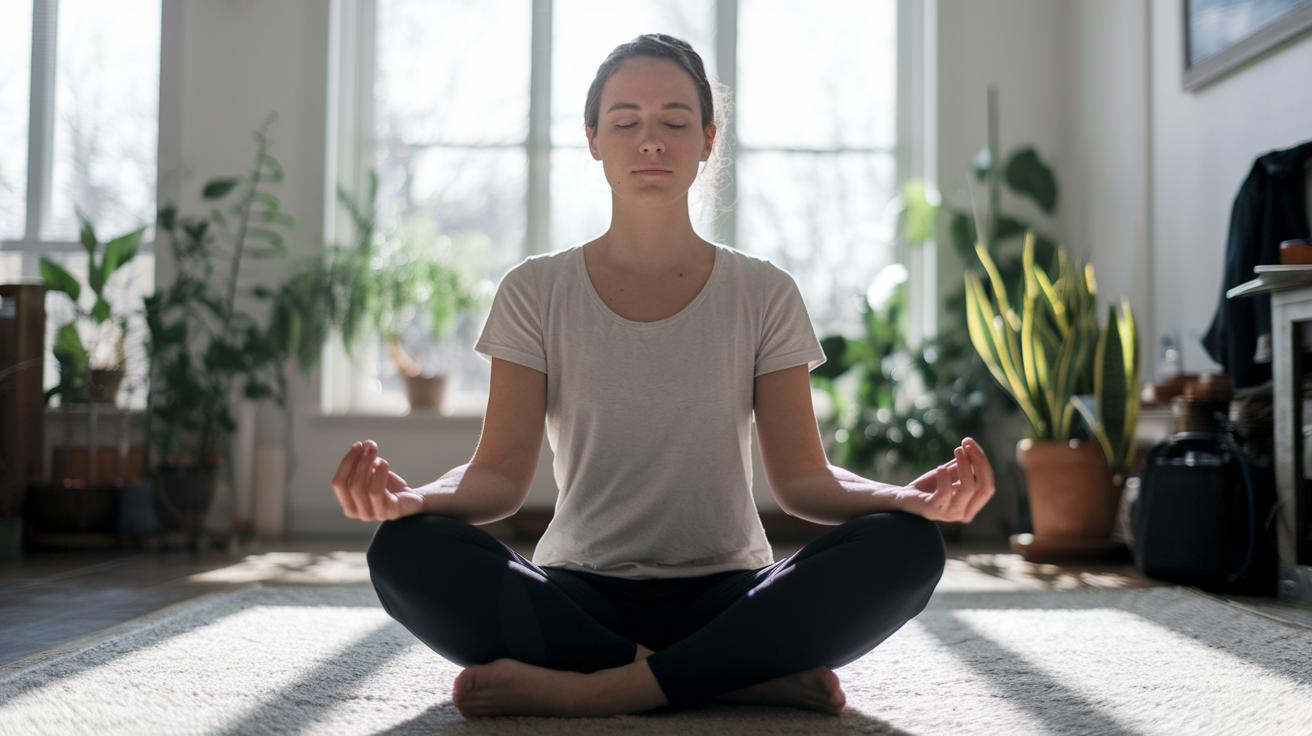
Do you sometimes feel like your thoughts are racing faster than you can keep up? Picture switching that chaos for a calm, steady rhythm in just a few minutes. A short meditation session can help turn anxious energy into mindful breathing and clear focus. Think of deep breathing as a gentle reset button that eases your heartbeat and clears away cluttered thoughts. With a few simple steps, you can create a peaceful moment, even on days when stress feels too heavy to manage.
Quick-Start Deep Breathing Technique for Anxiety Relief
When anxiety creeps in, try a simple deep breathing exercise for a quick reset. First, set a timer for 5 minutes. Then, breathe in slowly through your nose for 4 seconds, hold the breath for 2 seconds, and exhale gently through your mouth for 6 seconds.
This steady breathing pattern helps switch on your body's natural calming response, easing a racing heart and scattered thoughts. Focus on each breath like a gentle wave washing over you, clearing the chaos.
Stick with the cycle for the full 5 minutes. When anxiety feels overwhelming, pause and let your breath guide you to a quieter, more centered space, like stepping from a noisy room onto a calm balcony.
Try this next time you need a moment of peace, and notice how even a few deep breaths can make a real difference.
Advanced Insights on Deep Breathing and Body Scan Techniques
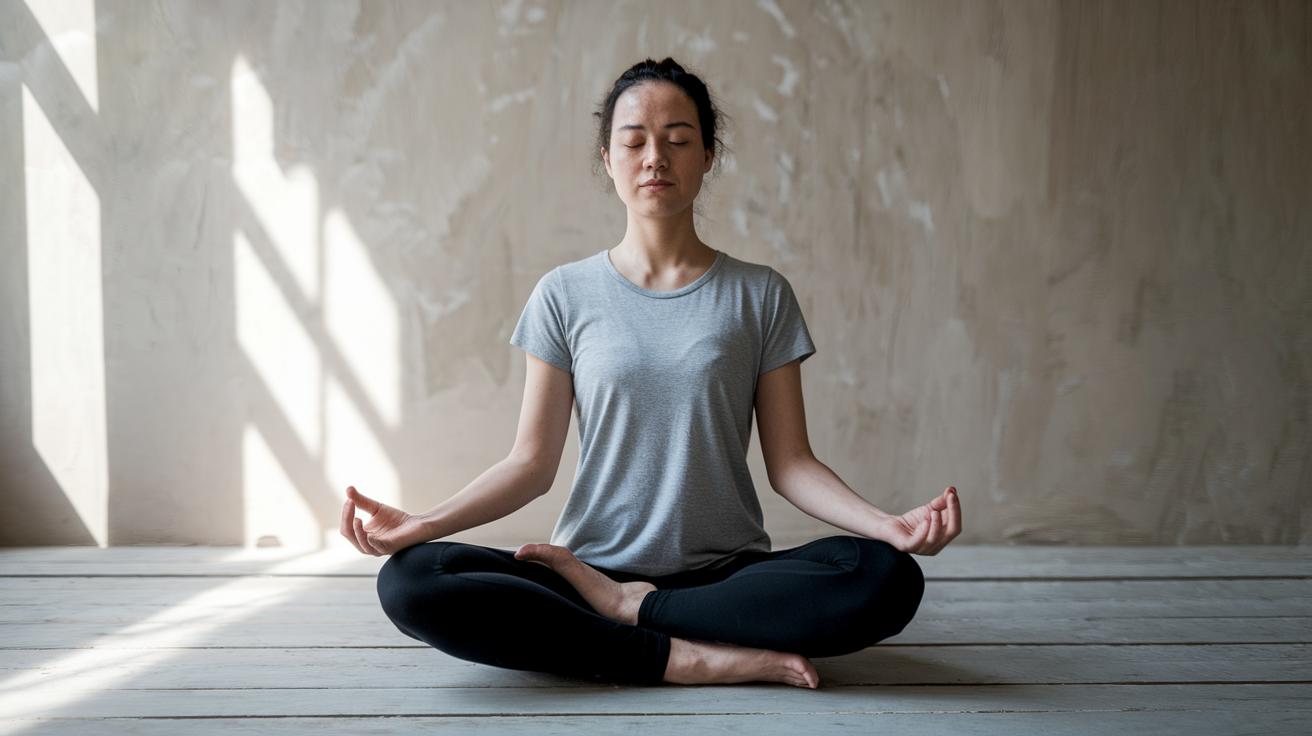
Noticing how your body reacts can change a brief reset into a deep sense of calm. One simple method is to use the 5-2-7 pattern: breathe in for 5 seconds, hold for 2, and slowly exhale for 7 seconds. For example, try this: breathe in for 5 seconds, hold gently for 2 seconds, then let your out-breath stretch out for 7 seconds while you feel your muscles relax. This longer exhale helps ease your body's stress signals.
Mixing deep breathing with a body scan makes things even better. A body scan means slowly checking in with different parts of your body, starting at your feet and working up to your head, like moving through the floors of a building. This practice can quiet your mind and help release physical tension.
You can easily tweak this practice to fit your day. If you're busy at work, try a quick 2-minute seated mini-scan by simply noticing any tight spots in your shoulders or lower back. Later, at home, a full-body scan while lying down gives each muscle a chance to relax. Combining deep breathing with a systematic body scan brings a balanced focus that soothes both your mind and body, replacing shallow worries with clear, calm clarity.
Building a Daily Anti-Anxiety Meditation Routine
Pick a regular time each day for a short meditation. Even 5 to 10 minutes of focused breathing can help lower stress over time. A set routine can gently reset your mind and body, creating a calm space each day. You might try meditating before bed or at another fixed time that works for you. Think of it as a daily pause that brings a bit of balance.
If you want more guidance, consider programs like MBSR (an 8-week course for managing chronic stress) or MBCT (an 8-week course that helps ward off depression). These courses offer step-by-step support as you build your practice. If you prefer a self-led approach, use a timer app to track your minutes and jot a few notes in a journal. Pair this with exploring trusted advice on “stress management techniques for anxiety” for extra help.
When anxiety hits hard, try a guided audio meditation or simply focus on your breathing and how your body feels. Give yourself a bit of credit after each session. Even a quick practice is a win that reinforces your routine. Over time, each session may help clear away anxious thoughts and bring a calm clarity that carries through your day.
Research Evidence Supporting Meditation for Anxiety Reduction
If anxiety is weighing you down, meditation might offer some relief. Studies show that taking a few minutes for mindfulness can shift your body from a stressed fight-or-flight mode to a calm, relaxed state. One simple example: a Waterloo study found that 10 minutes of mindfulness helped 82 people slow down their cycle of anxious thoughts, offering quick relief.
In another set of trials, participants who practiced mindfulness-based stress reduction (MBSR) over 8 weeks saw lower stress hormone levels (cortisol) and improved anxiety scores. This means that regular meditation can naturally help reduce stress. Similarly, research on mindfulness-based cognitive therapy (MBCT) points to fewer mood disorder relapses, which can lead to a steadier emotional outlook.
After a meditation session, people often notice a drop in heart rate, blood pressure, and muscle tension. In short, meditation not only changes brain patterns but also brings about real, measurable benefits in your body. These findings suggest that starting a simple meditation routine could help clear your mind and improve your overall well-being.
Troubleshooting Common Meditation Challenges for Anxiety Reduction
Sometimes meditation feels tricky. Unwanted thoughts might pop up, you could be hard on yourself, or your mind might wander elsewhere. Short sessions may seem too rushed, too. These hurdles are normal, and you can work through them step by step.
Here are some simple tips:
- Accept that every session is good enough.
- Create a calm space by dimming the lights and silencing your devices.
- Begin with short sessions, try 1 to 2 minutes, and then gradually extend to 5 minutes or more.
- Use guided audio prompts or try a stress relief app to help keep you on track.
- When nervous thoughts arise, take a quick 3-minute body scan or reset with deep, slow breaths.
At times, meditating in bed with a gentle pre-sleep recording can be just what you need. Even a short break for mindfulness during a panic moment can help restore calm and clarity.
With these small, steady changes, you can turn frustrating moments into steps toward a more peaceful practice. Each session becomes a little more supportive, easing your anxiety bit by bit.
Final Words
In the action, this article broke down a quick deep breathing routine, shared advanced techniques to refine breathing and body scan practice, and offered tips to build a consistent daily meditation habit.
Each step shows a clear path to easing stress and lowering anxiety.
The practical deep breathing method can help start your day with calm.
Small steps like this quick meditation for anxiety reduction can make a big difference.
Keep trying these techniques and enjoy a calmer, more relaxed routine every day.
FAQ
What is a guided meditation for anxiety and overthinking?
The guided meditation for anxiety and overthinking offers calming audio prompts available in different lengths, like 10 or 20 minutes, often on YouTube or free apps, to help quiet your thoughts and ease stress.
What is the best guided meditation for anxiety and depression?
The guided meditation for anxiety and depression uses soothing instructions and gentle prompts to lower stress and improve mood, making it a helpful tool for managing both anxiety and depressive feelings.
What is the 3-3-3 rule for anxiety?
The 3-3-3 rule for anxiety involves taking 3 deep breaths, naming 3 objects you see, and counting down from 3 to help shift focus and reduce anxious thoughts quickly.
What is the 555 rule for anxiety?
The 555 rule for anxiety asks you to identify 5 things you see, 5 things you hear, and 5 things you can touch, grounding you in the present and easing feelings of anxiety.
Which meditation reduces anxiety?
The meditation that reduces anxiety often focuses on deep breathing, using slow inhales, holds, and extended exhales to calm your nervous system and lower your heart rate for quick relief.
What is a natural remedy for anxiety?
The natural remedy for anxiety includes practices like deep breathing, guided meditation, and body scan techniques that help activate your body’s relaxation response and lower stress levels.