
Ever thought you could build strength without any weights?
Bodyweight training lets you tighten and tone your muscles using just your body. It's a simple way to boost strength and endurance wherever you are, whether you're at home, in a park, or even on vacation.
Try switching up your push-ups by adding a tougher version as you get stronger. This small change can really pack a punch. With no equipment needed and a routine that fits your busy schedule, every move counts. Give it a go and feel the difference!
Bodyweight Training Routine Energizes Your Workout
Bodyweight training is a way to build fitness using just your own body. You don’t need any special equipment, so you can work out at home, at the park, or even in your hotel room. This means the workout fits into your life, whether you're just starting or have been training for a while.
This style of exercise boosts your strength, endurance, flexibility, and heart health all at once. You can easily change the workout’s difficulty by switching up exercises or adding more repetitions. It’s a simple, low-cost way to get stronger and feel better.
- Strength gains
- Improved endurance
- Enhanced mobility
- Zero cost
- Easy progression
Mix these benefits into your routine and you get a workout that’s both efficient and flexible. Notice how small changes, like moving from easier push-ups to tougher versions, add up over time. Each improvement builds a routine that suits your lifestyle and makes your progress feel rewarding, wherever you choose to train.
Essential Bodyweight Exercises for a Balanced Training Routine
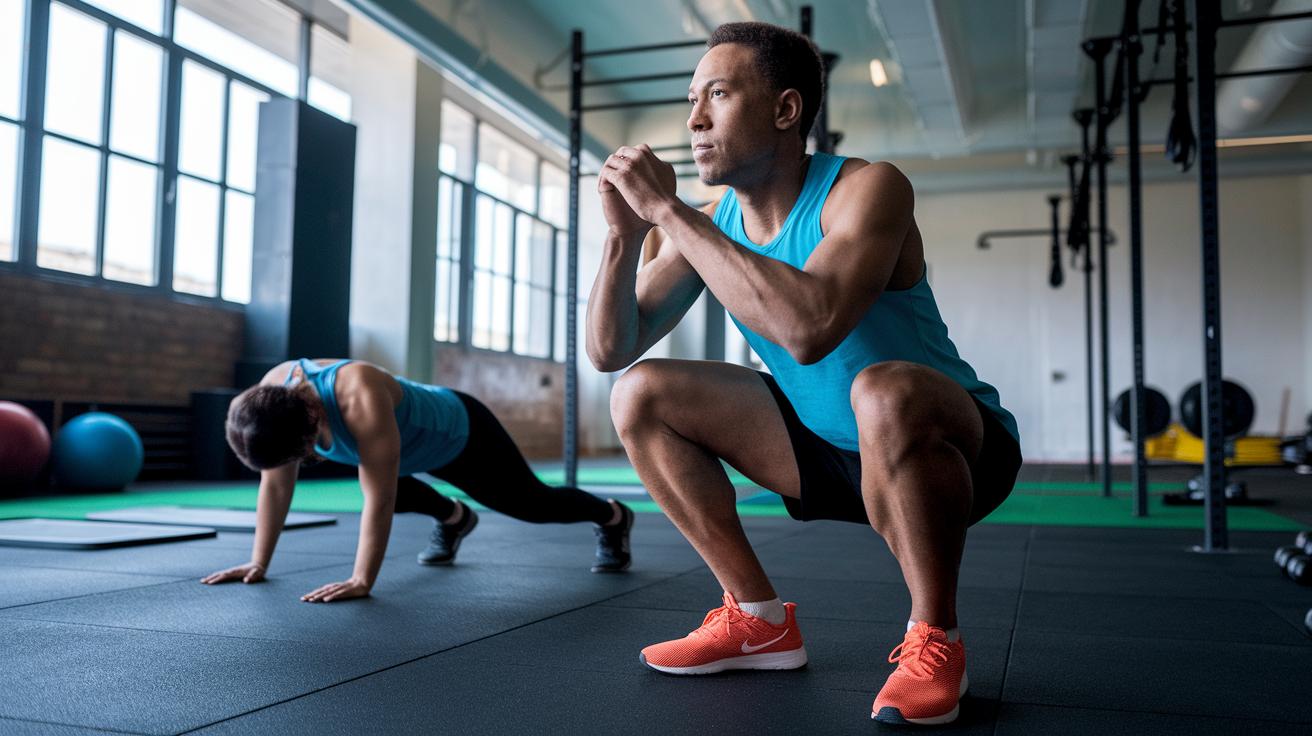
Pick exercises that work every main muscle. This builds your strength and improves balance. Here are five practical moves to try:
| Exercise | Target Muscle | Difficulty Level |
|---|---|---|
| Push-ups | Chest, shoulders, triceps | Beginner to advanced |
| Squats | Quads, glutes, hamstrings | Beginner |
| Lunges | Quads, glutes, balance | Beginner to intermediate |
| Planks | Core stabilization | Beginner to advanced |
| Pull-ups | Back, biceps, grip | Intermediate to advanced |
Switch up these exercises throughout the week. For example, you might do push-ups and pull-ups one day to focus on your upper body. Another day, try squats and lunges to target your legs. On a third day, add planks with other core moves to strengthen your middle. Rotating your routine helps prevent muscle fatigue and gives each group time to rest. Feel free to mix the order or combine them in a circuit to keep your workouts fun and effective.
Progressing Your Bodyweight Training Routine Safely
Taking small, steady steps when you push your limits helps your body get stronger without hurting itself. When you slowly add more challenge, your muscles build endurance and you feel more confident. If you’re just starting out with beginner bodyweight training (click here for tips), try increasing your workouts bit by bit to keep your form solid.
When you notice that your exercises don’t feel as tough as they used to or your progress stalls over several sessions, it’s a signal that your body has adjusted. This is a good time to mix things up so you keep challenging yourself while avoiding overwork.
Many people jump in too fast, which can lead to sloppy form and even injuries. Skipping a warm-up or not giving your muscles enough time to recover can also slow you down. Knowing your limits and gradually increasing the challenge will help you stay on track and avoid setbacks.
- Increase your reps and sets slowly.
- Try changing your exercise angle, for example, doing decline push-ups or pistol squats.
- Shorten your rest breaks by about 10–15 seconds as you get fitter.
- Mix up your speed by doing slower movements or adding a pause during your reps.
Crafting a Week-by-Week Bodyweight Training Routine

A clear, step-by-step plan helps your body get stronger and avoid injury. When you follow a weekly schedule that slowly ups the challenge in both effort and time, you give your muscles room to adjust and grow. A 4-week plan lets you steadily build strength, boost endurance, and keep a regular routine. This approach works well whether you're starting out or already have some experience.
| Week | Days/Week | Focus | Sample Exercises & Sets/Reps |
|---|---|---|---|
| Week 1 | 3 days | Building a solid base | 2 sets of 8-10 reps for each key move |
| Week 2 | 3 days | Boosting volume | 3 sets of 12-15 reps for each exercise |
| Week 3 | 4 days | Mixing routines with circuits | Split workouts for upper and lower body; 3 sets of 12 reps with added circuits |
| Week 4 | 4 days | Varying tempo and building endurance | Add tempo variations; circuits of 5 exercises at 30 seconds work/15 seconds rest |
Every week, check in with your body. If a workout seems too easy, try increasing the reps or sets next time. If it feels too hard, lower the number of repetitions until you build more strength. Feel free to tweak the routine so it fits your fitness level and busy schedule at home. Keep it simple and listen to your body as you build a stronger, healthier you.
Incorporating Mobility and Recovery into Your Bodyweight Training Routine
Before you jump into your workout, it's a good idea to prep your body with some simple mobility moves. Try a few hip and shoulder stretches that gently wake up your muscles and make your joints feel ready. This brief warm-up helps reduce stiffness and gets you set for a more effective workout. It only takes a few minutes, and it can make a big difference in how your body handles exercise.
After you finish your workout, recovery is key. Use a foam roller (a tool that helps release muscle tightness) to work on major muscle groups. Doing static stretches, that is, holding a stretch for a bit, two times a week can boost your long-term flexibility. Also, be sure to include a full rest day each week to give your muscles time to rebuild and avoid strains.
Remember to focus on the basics of recovery too: aim for 7–9 hours of sleep each night and eat balanced meals that support your energy and strength.
- Warm up with dynamic hip and shoulder stretches.
- Use a foam roller on key muscle areas after exercising.
- Add static stretching twice weekly for better flexibility.
- Take a complete day off every 7 days to help your body recover.
- Get 7–9 hours of sleep and maintain a balanced diet to rebuild strength.
Tracking and Staying Motivated with Your Bodyweight Training Routine

Keeping a simple record of your workouts lets you see how you're improving every day. When you jot down your reps, sets, and weights, you quickly notice small wins and know when to challenge your muscles a bit more. This log not only boosts your confidence but also makes each session feel like a small victory.
Here are some easy ways to stay motivated:
- Use a workout journal or a health tracking app to record your sets and reps.
- Snap a photo each week to capture your progress and track strength changes.
- Set clear goals that are specific, measurable, achievable, relevant, and time-bound.
- Review your progress every month to compare your current performance with past efforts.
- Connect with local or online exercise groups for extra support and inspiration.
- Write down any challenges you face and come up with small steps to overcome them.
- Celebrate your milestones with rewards like a new workout outfit or a relaxing break, no food treats needed.
Each workout builds on the last, so keep tracking and enjoy seeing how far you’ve come.
Final Words
In the action, we've covered a bodyweight training routine that builds strength, boosts endurance, and enhances mobility. We broke down simple exercises and safe progression techniques, set up a manageable weekly plan, and shared key tips for mobility, recovery, and tracking. Every small step moves you closer to better fitness. Keep these clear, actionable insights in mind as you shape your own routine. Stick with your bodyweight training routine, and enjoy the positive changes that come with consistent practice.
FAQ
What is a bodyweight training routine?
A bodyweight training routine uses your own weight for resistance to build strength, endurance, and flexibility. It requires no equipment and can be done virtually anywhere.
What key exercises form a balanced bodyweight routine?
A balanced routine typically includes push-ups, squats, lunges, planks, and pull-ups. These exercises target major muscle groups and help develop full-body strength and stability.
How can I safely progress my bodyweight training routine?
Safely progressing your routine means gradually increasing sets and reps, modifying exercises to change leverage (like using decline push-ups), shortening rest periods, and varying exercise tempo to prevent plateaus.
How do I create a week-by-week bodyweight training plan?
Structuring a week-by-week plan involves starting with fewer days and lower sets/reps, then gradually adding workout days, increasing volumes and incorporating circuits or tempo variations for continual improvement.
What mobility and recovery strategies boost bodyweight training results?
Effective mobility and recovery include dynamic stretches before workouts, foam rolling post-exercise, static stretching two times per week, ensuring full rest days, and getting proper sleep and nutrition.
How can I track and stay motivated with my bodyweight training routine?
Tracking progress using a workout journal or app, snapping weekly progress photos, setting SMART goals, engaging in accountability communities, and rewarding milestones with non-food treats can help maintain motivation.