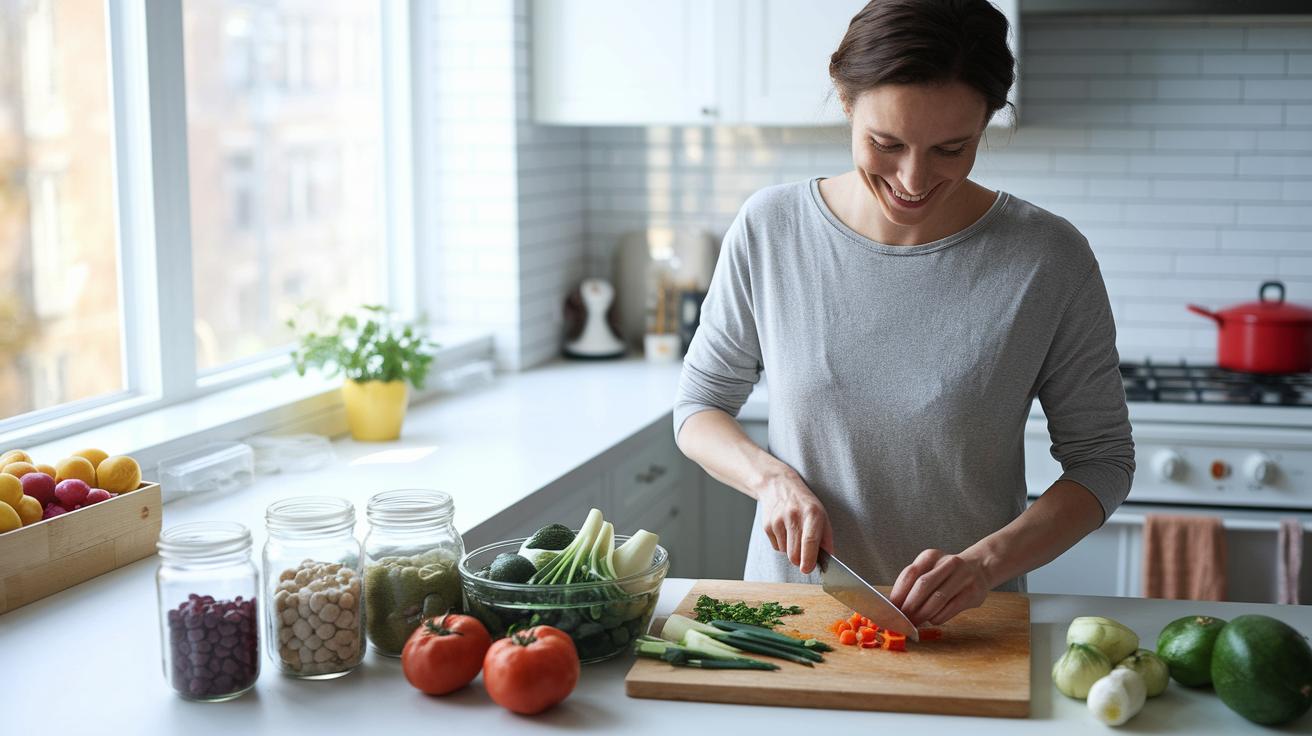
Quick take: Meal planning for one helps you cut food waste and save money.
By planning meals just for yourself, you control your portions and shop smart. You only buy what you need, and you learn to create clear, simple grocery lists. This means fewer extra ingredients and less spending.
The result? Home-cooked meals that fit your needs without any stress. Give it a try today and enjoy a more efficient way to dine solo.
How meal planning for one ensures budget-friendly portions and reduced food waste
Planning meals just for you is a smart way to save money, reduce waste, and manage portion sizes without any fuss. When you check what you already have in your fridge, freezer, and pantry, you avoid overbuying and keep ingredients from sitting unused. For example, if you only need one tomato for your salad, you won't end up with a whole pack that could spoil before you use it. This approach helps you waste less and puts more money back in your pocket while giving you meals that fit your appetite.
A good plan for solo dining might include cooking at home for five days and leaving one or two evenings open for a meal out or takeout. This mix gives you structure without overloading your schedule. It’s like taking a quick coffee break, you get the satisfaction of a home-cooked meal with a little treat on the side.
Up next, you'll find tips on making precise shopping lists to stop overbuying, ways to batch cook and freeze extra portions, and ideas to shrink recipes so they work for one person. Each of these tips works together to make your meal planning simple, budget-friendly, and waste-free.
Meal planning for one: Portion control techniques and strategic shopping
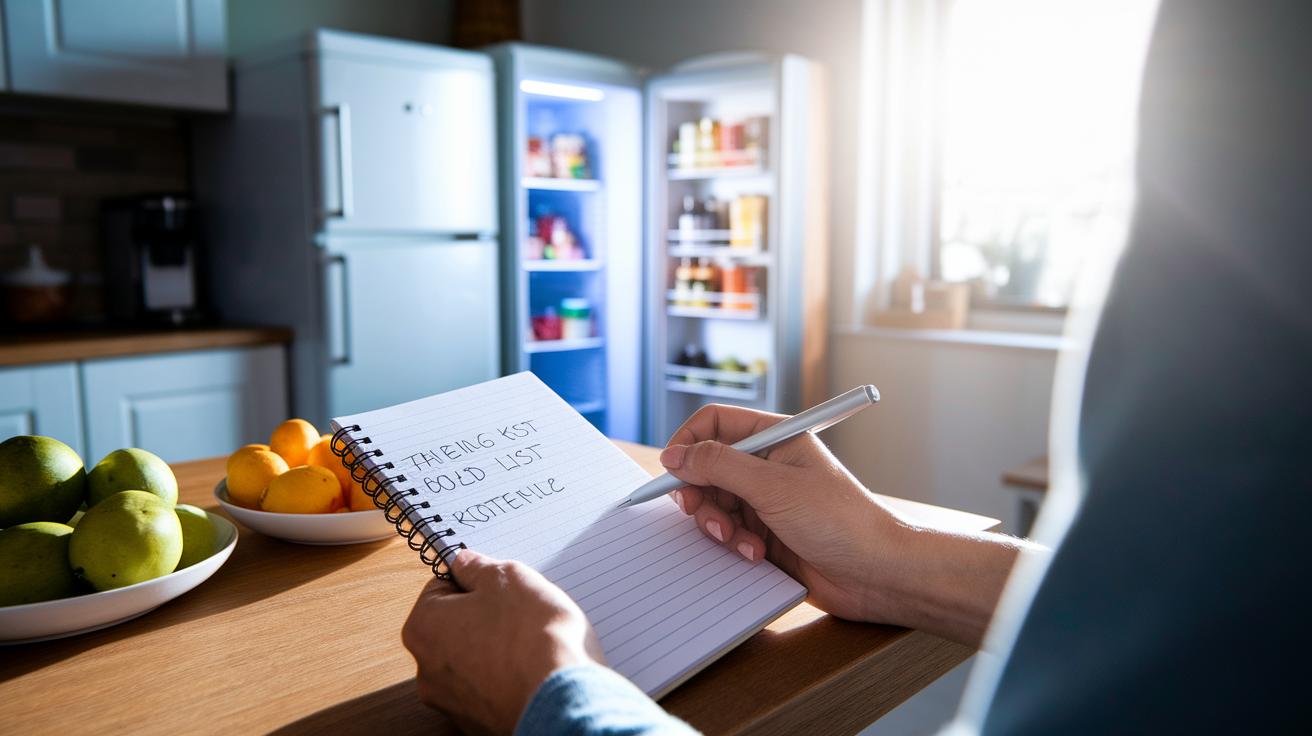
Planning meals for just yourself doesn't have to be stressful or costly. Start by taking a quick look in your pantry, fridge, and freezer to see what you already have. This simple step keeps you focused on buying only what you need and helps trim down waste.
Here’s a small plan to guide you:
- Check your inventory – Take a few minutes to see what ingredients are still good.
- Plan each meal – Write down exactly what you'll use for each dish.
- Make a detailed list – Jot every item you need, so you avoid buying extras.
- Choose loose produce – Buying fruits and vegetables by weight lets you control portions.
- Restock essential pantry items – Keep your non-perishable staples ready.
By following these tips, you'll shop smarter, save money, and enjoy meals that are perfectly portioned for one.
Meal planning for one: Crafting your 7-day solo menu strategy
Begin by drawing a simple plan for the week. Map out your meals, breakfast, lunch, and dinner, while leaving one or two days open for takeout or dining out. Use the same ingredients throughout your week to save time and money. For example, if you roast a batch of vegetables on Sunday, you can mix them into your omelet, toss them into a salad, or serve them as a side later on.
Specialized breakfast diagram
Kickstart your day with quick and smart options like a yogurt bowl, a smoothie, or avocado toast. These choices work well together because you can use the same fruits and greens in more than one dish. This way, you cut down on waste and speed up your morning routine.
Specific lunch roadmap
For lunch, think about repurposing leftovers or creating a simple grain bowl. Turn dinner from the night before into a fresh meal by adding some ready-cooked protein and a mix of fresh and leftover veggies. This not only saves time but also makes sure nothing goes to waste.
Isolated dinner circuit
When it comes to dinner, try recipes that are easy to scale down, such as one-pan roasted dishes or simple sheet-pan meals. These recipes show that a single serving can still be delicious and nutritious. Plus, having a few flexible options lets you change your menu on a busy day or when your cravings shift.
Meal planning for one: Essential kitchen tools and storage solutions
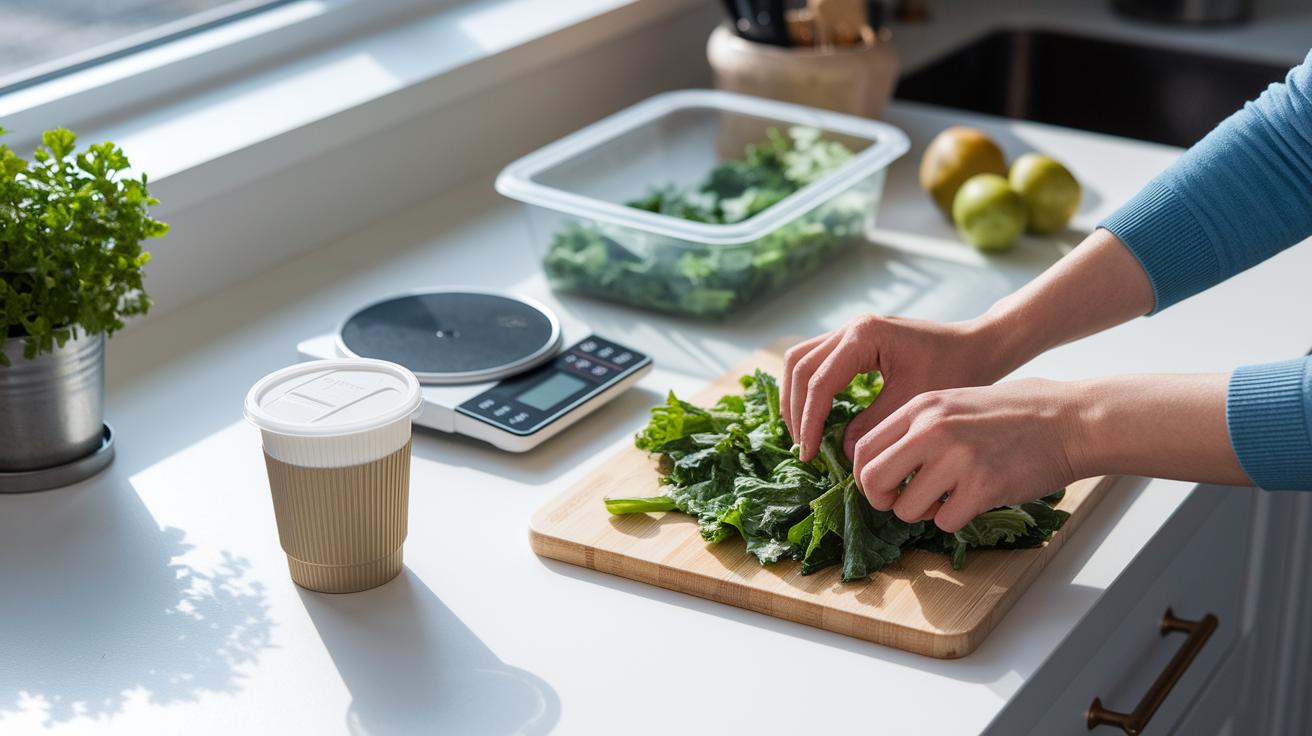
Having good kitchen tools makes cooking for one easier and more fun. Try using small containers that hold just one serving to keep your meals neat, and grab a digital food scale to measure ingredients accurately. These tools help you prepare just the right amount of food while cutting down on waste. For example, you can make a salad with 150 grams (5.3 oz) of greens by simply weighing them. This little change makes your meals balanced and efficient, ensuring every ingredient gets the care it deserves.
Smart storage is key when cooking for one. Keep extra portions in your freezer so you always have homemade meals ready for busy days. Also, stock your cupboard with basics like canned tomatoes, beans, lentils, stock cubes, herbs, and spices. With these must-haves nearby, you can whip up tasty recipes quickly and keep your kitchen routine smooth and organized.
Meal planning for one: 14-day meal plan template and grocery list
This handy 14-day meal plan is designed for solo cooking. It gives you a clear daily menu with breakfast, lunch, and dinner ideas along with a matching grocery list. This setup helps you avoid last-minute shopping and keeps your meals balanced. By changing up proteins, grains, and veggies each day, you keep things interesting while keeping meal prep simple.
| Day | Breakfast | Lunch | Dinner | Key Grocery Items |
|---|---|---|---|---|
| Day 1 | Oatmeal with banana | Chicken salad wrap | Stir-fried tofu & broccoli | Oats, chicken, tofu, banana, broccoli |
| Day 2 | Yogurt with berries | Quinoa bowl with veggies | Baked salmon with rice | Yogurt, berries, quinoa, salmon, rice |
| Day 3 | Scrambled eggs on toast | Lentil soup | Grilled chicken with salad | Eggs, bread, lentils, chicken, mixed greens |
| Day 4 | Smoothie bowl | Veggie wrap | Pasta with tomato sauce | Fruits, wrap, pasta, tomatoes, spinach |
| Day 5 | Avocado toast | Grilled cheese sandwich | Beef stir-fry with noodles | Avocado, bread, cheese, beef, noodles |
| Day 6 | Pancakes with syrup | Chicken quinoa salad | Vegetable curry with rice | Flour, chicken, quinoa, veggies, rice |
| Day 7 | Muffins and fruit | Tuna salad | Grilled pork chops & greens | Muffins, tuna, pork, greens, apples |
| Day 8 | Overnight oats | Egg salad sandwich | Veggie stir-fry with shrimp | Oats, eggs, shrimp, mixed veggies, bread |
| Day 9 | Cereal with milk | Caprese salad | Spaghetti with meatballs | Cereal, milk, tomatoes, mozzarella, beef |
| Day 10 | Fruit smoothie | Rice and beans bowl | Grilled chicken with steamed veg | Fruits, rice, beans, chicken, carrots |
| Day 11 | Toast with peanut butter | Veggie and hummus wrap | Fish tacos | Bread, peanut butter, hummus, fish, tortillas |
| Day 12 | Bagel with cream cheese | Spinach salad with nuts | Beef and broccoli stir-fry | Bagel, cream cheese, spinach, beef, broccoli |
| Day 13 | Muesli with milk | Chicken Caesar salad | Veggie pizza | Muesli, chicken, lettuce, cheese, flour |
| Day 14 | Fruit parfait | Tomato basil soup | Pasta primavera | Fruits, tomatoes, basil, pasta, parmesan |
Feel free to mix things up. Adjust portions or swap out proteins, grains, and veggies to suit your tastes and what’s in season. Enjoy your meal planning!
Meal planning for one: Batch cooking tips and leftover makeovers
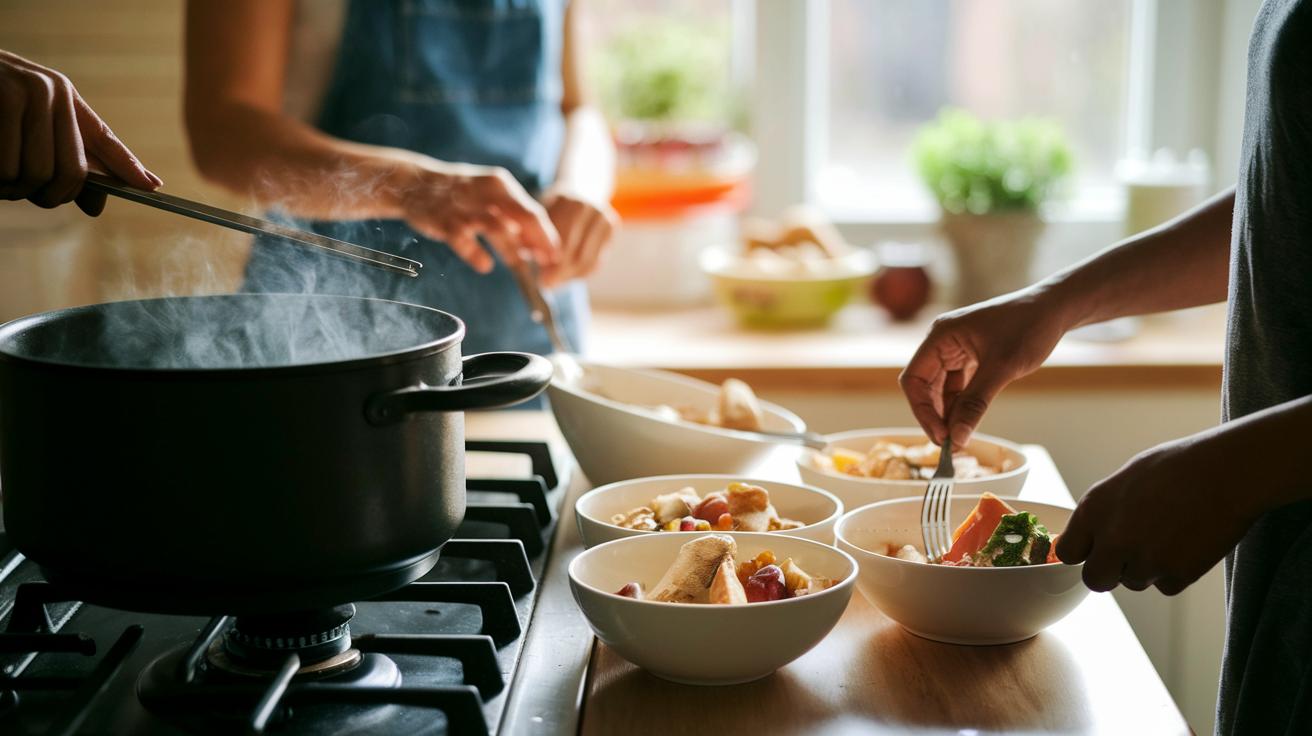
Batch cooking saves time, money, and stress. When you cook extra portions at once, you cut down on your daily cooking time and lower your grocery bills. Try making a large pot of your favorite stew or stir-fry, then divide it into single servings. Freeze these portions so you have a quick, warming meal ready on busy days. This trick not only speeds up meal prep but also helps you finish ingredients before they go bad.
Turn leftovers into new, tasty dishes with a few simple tweaks. For example, add leftover roasted veggies to a bowl of grains, toss in some protein, and finish with a drizzle of your favorite dressing. Or, mix extra cooked rice with herbs and a pinch of spice to top an open-faced sandwich. These small changes keep your meals exciting and varied without extra time spent cooking.
Meal planning for one: Scaling down recipes and speedy prep strategies
When a recipe is meant for 2 to 4 servings, you can easily adjust it to make just the right amount for you. Shrinking down these recipes means you still get all the rich flavors without extra waste. By carefully dividing ingredients and tweaking the cooking time, you turn a group meal into a perfect solo dish that keeps your pantry tidy and your daily prep fast.
15-Minute Meals
Sometimes, a quick meal is all you need. For example, imagine a tasty tomato basil pasta made with pre-chopped veggies. It comes together in about 15 minutes, giving you a filling and healthy meal on busy days.
1-Hour Prep Sessions
If you have a bit more time, try an hour-long cooking session. You can prepare a batch of slow-cooker stew or a mix of protein and vegetables that works as a base for several meals over the next few days. This method makes your cooking routine more efficient and less stressful.
Pick recipes that fit both your schedule and energy level. That way, meal planning stays simple, enjoyable, and just right for you.
Meal planning for one: Waste reduction and pantry rotation techniques
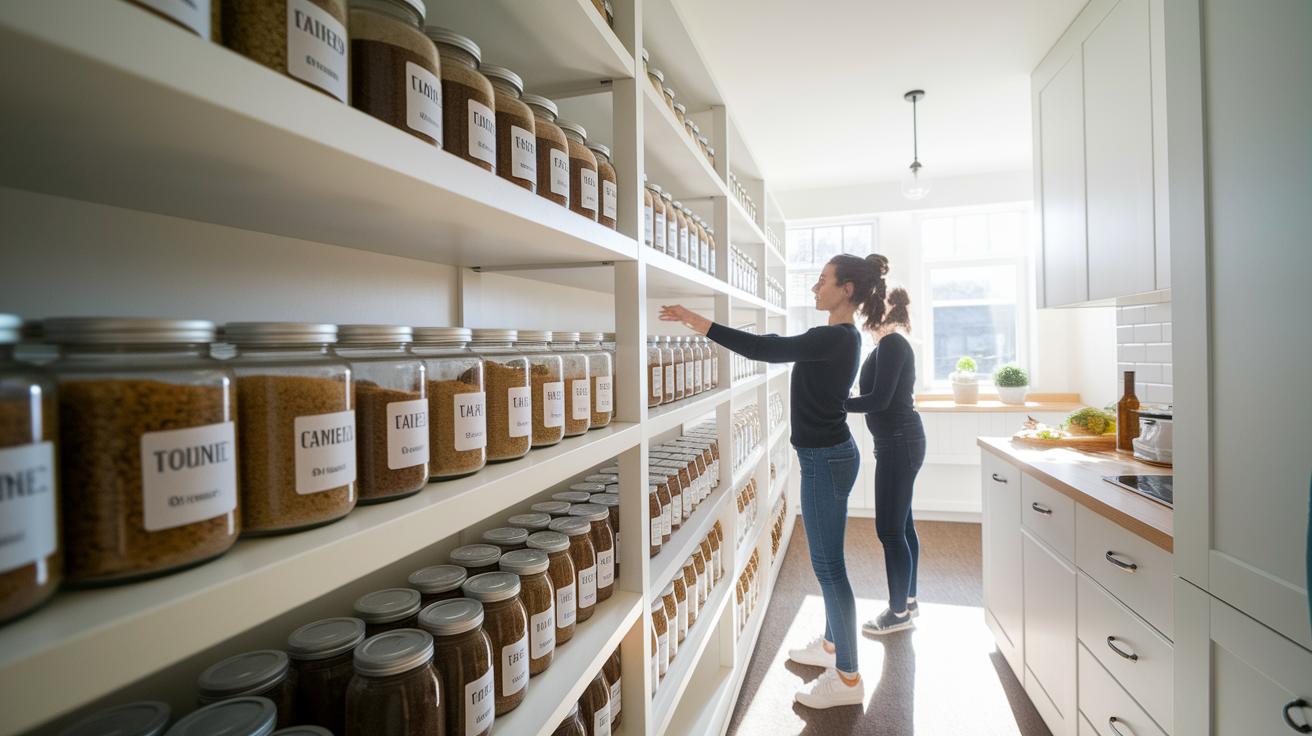
Start smart by organizing your pantry. Check expiration dates often, move older items to the front, and plan meals with ingredients that need to be used soon. This simple habit helps reduce spoilage and saves you money. Try fun tricks like freezing herbs in oil or making a big batch of soup with vegetables that are past their prime. These small changes turn potential waste into secret recipe boosters.
Look beyond the pantry to get creative with leftovers. Mix vegetables, grains, and proteins to whip up salads, wraps, or stir-fries. You might even combine last night’s dinner with today’s lunch for a fresh twist. If you share a kitchen, consider pooling bulk items like rice and beans to save on costs and lighten the cooking load. These tips make solo meal planning both resourceful and easy, so every meal remains delicious and affordable.
Final Words
In the action, this article laid out small steps for creating balanced meals designed for one. We covered smart purchasing, portion control, and simple kitchen tools while showing how to craft a seven-day strategy that fits your busy schedule. You learned how to save money, cut down on waste, and adjust recipes to suit your pace. With meal planning for one, you can build a routine that supports your wellbeing, one healthy bite at a time. Keep practicing these tips and enjoy the daily benefits to your health.
FAQ
Is there a meal plan for just one person?
A meal plan for just one provides a balanced weekly guide with portion control, a detailed grocery list, and flexible options that help manage costs and reduce food waste.
How do you plan a single person meal?
Planning a single person meal involves checking what you already have, mapping out balanced meals for breakfast, lunch, and dinner, and creating a precise shopping list to avoid excess.
What is the 5 4 3 2 1 rule for groceries?
The 5 4 3 2 1 rule for groceries is a method that suggests planning five meals, using four main ingredients, three key staples, two fresh produces, and one thorough grocery list to simplify shopping.
What is the 3-3-3 rule of eating?
The 3-3-3 rule of eating encourages balancing your plate with three portions of fruits and vegetables, three servings of protein-rich foods, and three options of whole grains every day for varied nutrition.
What should a 7-day meal plan for one person include?
A 7-day meal plan for one should include varied recipes for breakfast, lunch, and dinner, overlapping ingredients for efficiency, a detailed grocery list, and a few flexible nights for dining out or takeout.