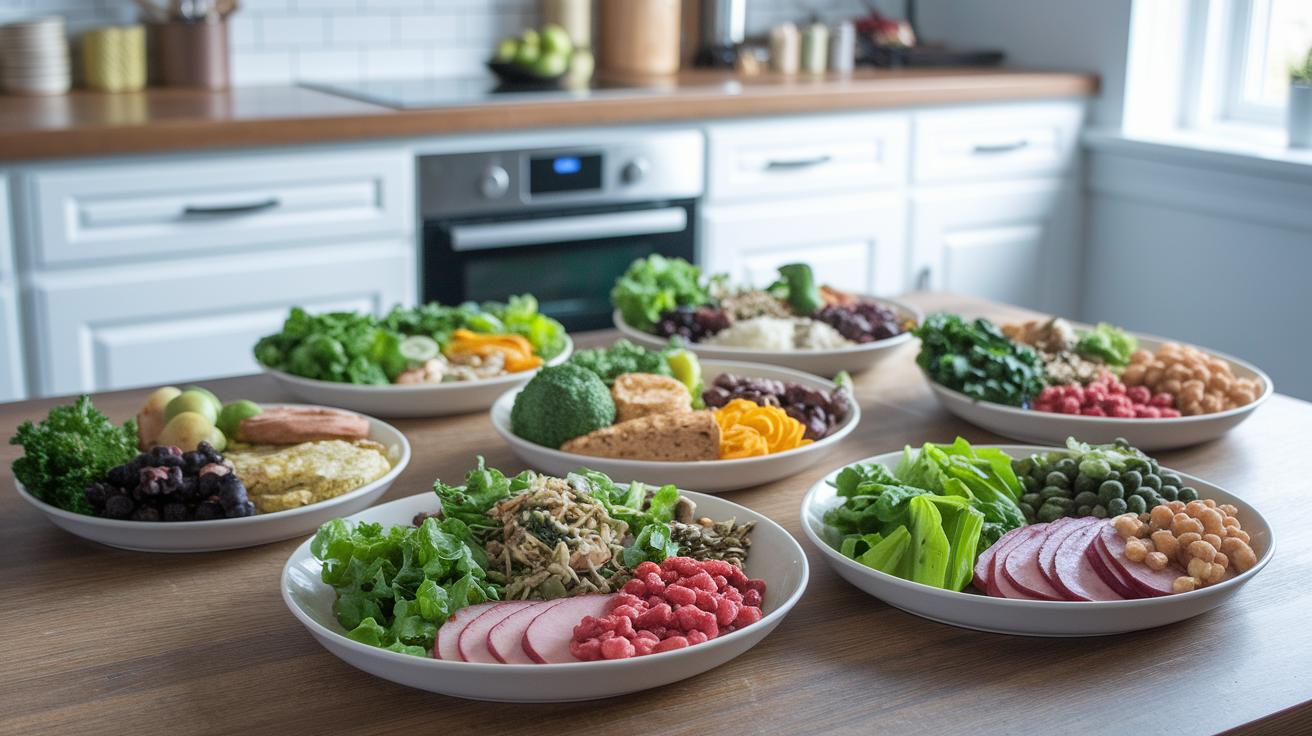
Think a keto diet has to be boring? You might be surprised. With the right meal planning, keto can be full of bright, tasty dishes that fit your protein, veggie, and healthy fat goals perfectly.
Imagine setting aside a little time to map out a full week of meals that balance flavor with good nutrition. This guide walks you through turning your grocery list into a fun, stress-free plan that makes every meal something to look forward to.
Ready to see how easy and delicious keto eating can be?
Weekly Keto Meal Planning: A Step-by-Step Guide
Quick take: Ready to plan keto meals that keep you in ketosis? Follow these easy steps to design a full week of keto-friendly dishes.
Start by setting your targets. Aim for 70-75% of your calories from fats, 20-25% from proteins, and just 5-10% from carbs. To stick to a strict keto plan, keep your net carbs (total carbs minus fiber) below 20-30 grams a day.
Next, choose recipes that match your goals. Pick meals with bulk-cooked proteins like chicken, beef, or fish, and add low-carb veggies such as spinach, broccoli, and cauliflower.
Here’s a simple plan:
- Plan breakfast, lunch, and dinner for each day.
- Create a weekly menu grid to see your options at a glance.
- Make a shopping list that focuses on proteins, leafy greens, and healthy fats like avocado, olive oil, and nuts.
- Set aside a couple of hours to cook proteins in bulk, wash and cut your veggies, and divide your meals into clear, labeled containers.
Imagine checking off your grocery list, which reads like a recipe for success, proteins, greens, and healthy fats clearly listed so you stay out of that bread aisle.
Before you shop, try spending about 10 minutes the night before to draft your list. This small step saves time and helps avoid last-minute temptations.
Finally, set up your kitchen for a smooth week. Organize your prepped proteins, veggies, and ready-to-cook ingredients in clear, airtight containers. This makes it easy to grab a balanced meal when you need it.
With a bit of planning, you'll enjoy delicious, stress-free keto meals all week long.
Keto Macro Setup: Targeting Nutrient Goals in Your Meal Planning
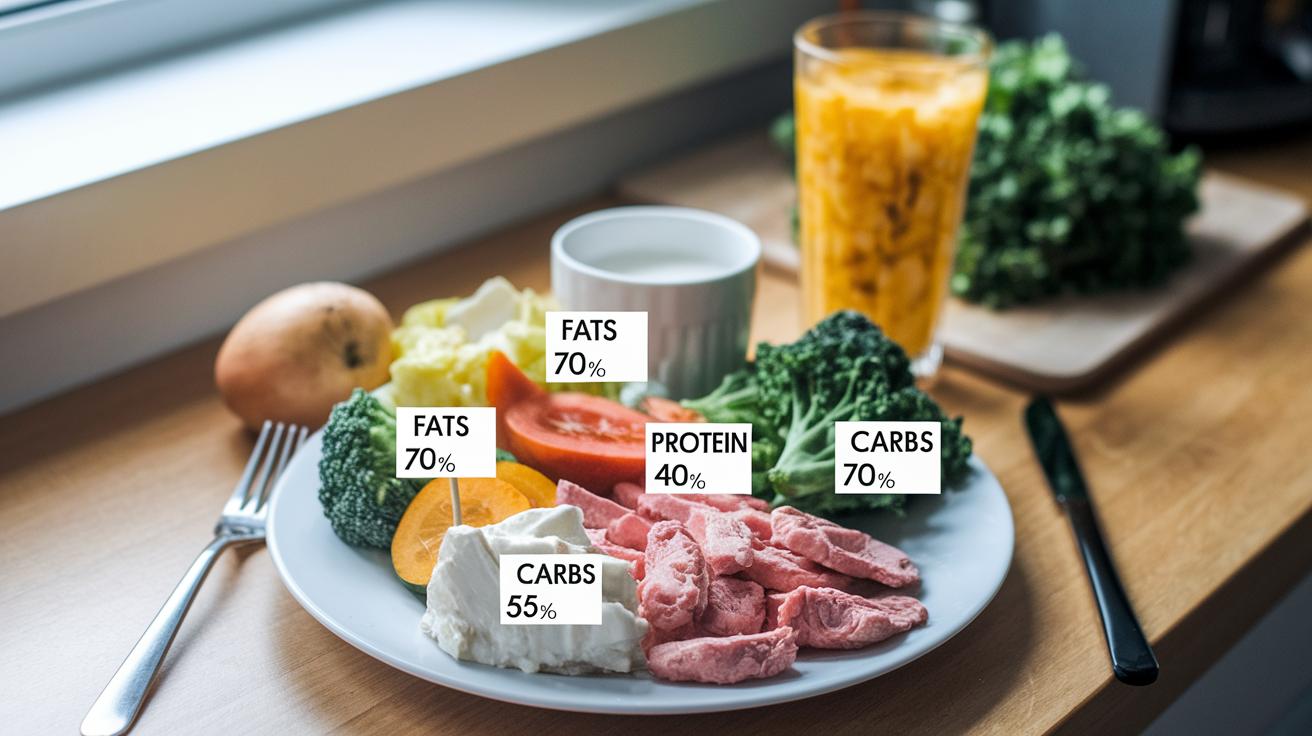
Quick take: Counting your macros is a smart way to keep your body in ketosis. Aim for 70-75% of your calories from fats, 20-25% from protein, and just 5-10% from carbs. Sticking to these numbers gives you a clear path to meet your keto goals.
Here’s a simple trick: when you check your food labels, subtract fiber from the total carbs. For example, if a vegetable dish shows 8 grams of carbs and 3 grams of fiber, you're left with 5 net carbs. This small calculation helps ensure your carb count remains low.
Also, keep an eye on your protein intake. A good rule is to get 0.6 to 1.0 gram for every pound of lean body mass (that’s your weight minus fat). So, if you’re 120 pounds lean, try for about 72-120 grams of protein each day. This supports muscle growth while watching your overall calories.
And don’t forget your electrolytes! Keeping track of sodium, potassium, and magnesium can prevent tiredness and headaches. Take a minute each day to note these, and you’ll stay on track without overloading on calories.
A simple, effective tip: jot down your meals and tally their macros. This easy step boosts your confidence and keeps you in control of your keto journey.
7-Day Keto Meal Planning Schedule for Beginners
Quick take: This one-week keto plan offers balanced, tasty recipes to keep your energy steady while staying in ketosis. Every day brings you a simple breakfast, lunch, and dinner to enjoy, adding a fun variety to your meals.
For breakfast, start your day with an organic egg scramble featuring kale and zucchini on Monday or try a nutrient-packed egg crepe with wild mushrooms and caramelized onions on Tuesday. These meals mix protein, healthy fats, and low-carb veggies, so you get a jump start without a carb overload.
At lunch, you might enjoy a grilled chicken salad or a Caesar chicken wrap. Dinner options include savory choices like salmon with asparagus, meatball-stuffed spaghetti squash, or slow-cooker brisket. And when you’re in a hurry, quick keto options like salsa-simmered fish or Parmesan chicken kale sauté make for a satisfying evening meal.
| Day | Breakfast | Lunch | Dinner |
|---|---|---|---|
| Monday | Egg scramble | Grilled chicken salad | Salmon & asparagus |
| Tuesday | Egg crepe | Caesar chicken wrap | Meatball-stuffed squash |
| Wednesday | Frittata | BLT lettuce wraps | Slow-cooker brisket |
| Thursday | Avocado egg cups | Spinach chicken salad | Salsa-simmered fish |
| Friday | Chia pudding | Turkey & cheese roll-ups | Parmesan chicken kale sauté |
| Saturday | Scrambled eggs | Egg salad | Beef & broccoli stir-fry |
| Sunday | Almond pancakes | Greek salad | Zucchini noodle Bolognese |
View this plan as your weekly roadmap to shake up repetitive meals and bring new flavor to your table. Feel free to adapt any recipe to the ingredients you already have, keeping carbs low and taste high. Enjoy fun, delicious meals every day on your keto journey.
Keto Grocery List for Meal Planning: Budget-Friendly Essentials
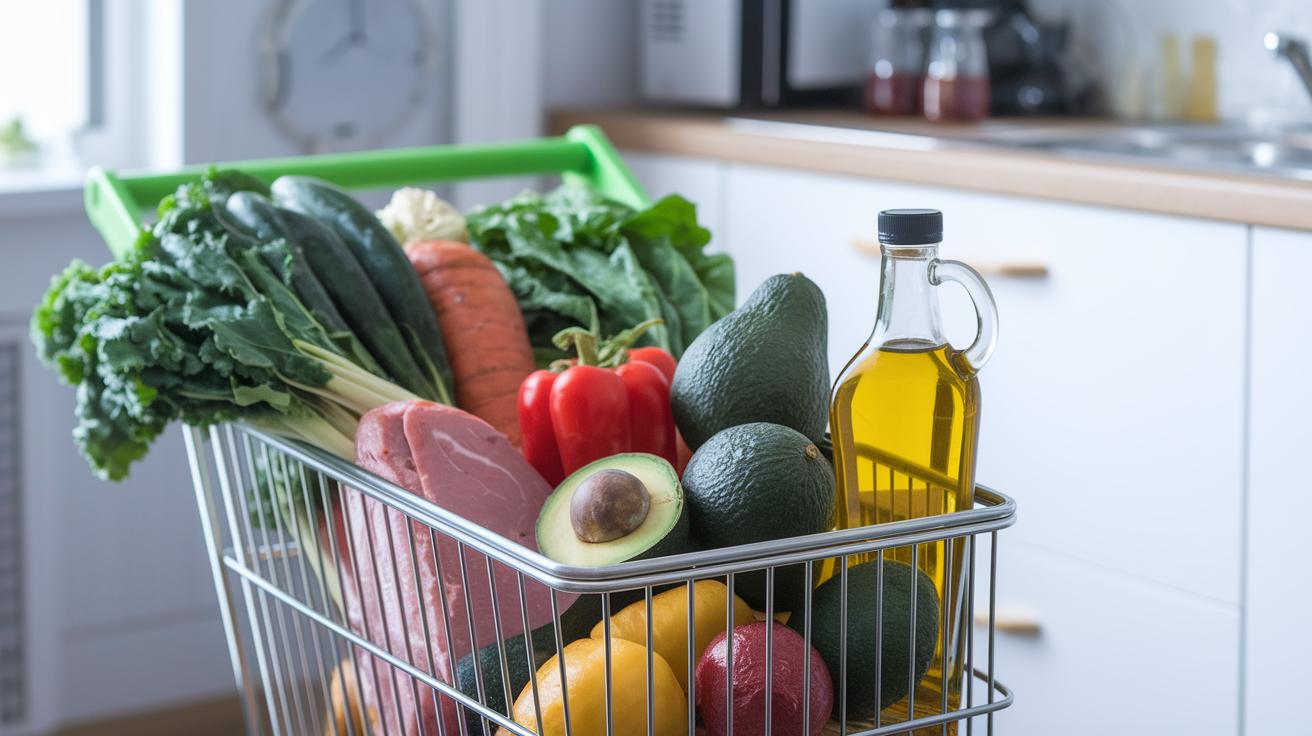
When you’re following a keto diet, a smart grocery list means focusing on low-carb, budget-friendly foods. Begin by skipping items that can knock you out of ketosis. This means saying goodbye to breads, pastas, rice, potatoes, sweeteners like honey, and high-sugar fruits such as bananas, grapes, and mangoes. It’s also best to avoid processed snacks, juices, sodas, and even beans and lentils.
Here’s a simple guide to help you shop:
-
Proteins
• Chicken, beef, or pork
• Fish and seafood
• Eggs -
Low-Carb Vegetables
• Spinach
• Broccoli
• Cauliflower -
Healthy Fats & Oils
• Avocado
• Olive oil
• Butter -
Keto-Friendly Snacks
• Cheese
• Nuts
• Hard-boiled eggs
Planning your meals in advance can save you time and money while keeping your carbs low. For more tips on eating healthy on a budget, check out our guide on healthy meal planning on a budget.
This list gives you the basics to create balanced, delicious keto meals that keep you energized without overspending.
Keto Meal Planning Meal Prep: Time-Saving Strategies
Quick take: Try a slow cooker or Instant Pot to make dishes like chili or brisket that switch from dinner to a fresh lunch salad the next day. You can also roast a big batch of low-carb vegetables, think broccoli, cauliflower, and zucchini tossed in olive oil and your favorite seasonings, so they’re ready to grab and go.
For example, let beef brisket cook slowly until it’s so tender you can easily pull it apart. Chill it, then chop it up for a speedy lunch salad.
- Batch-cook your proteins using a slow cooker or Instant Pot.
- Roast a variety of vegetables in the oven until they’re tender.
- Divide your meals into portions and label each container with its meal plan.
Keto Meal Planning Adaptations: Substitutions and Special Diets
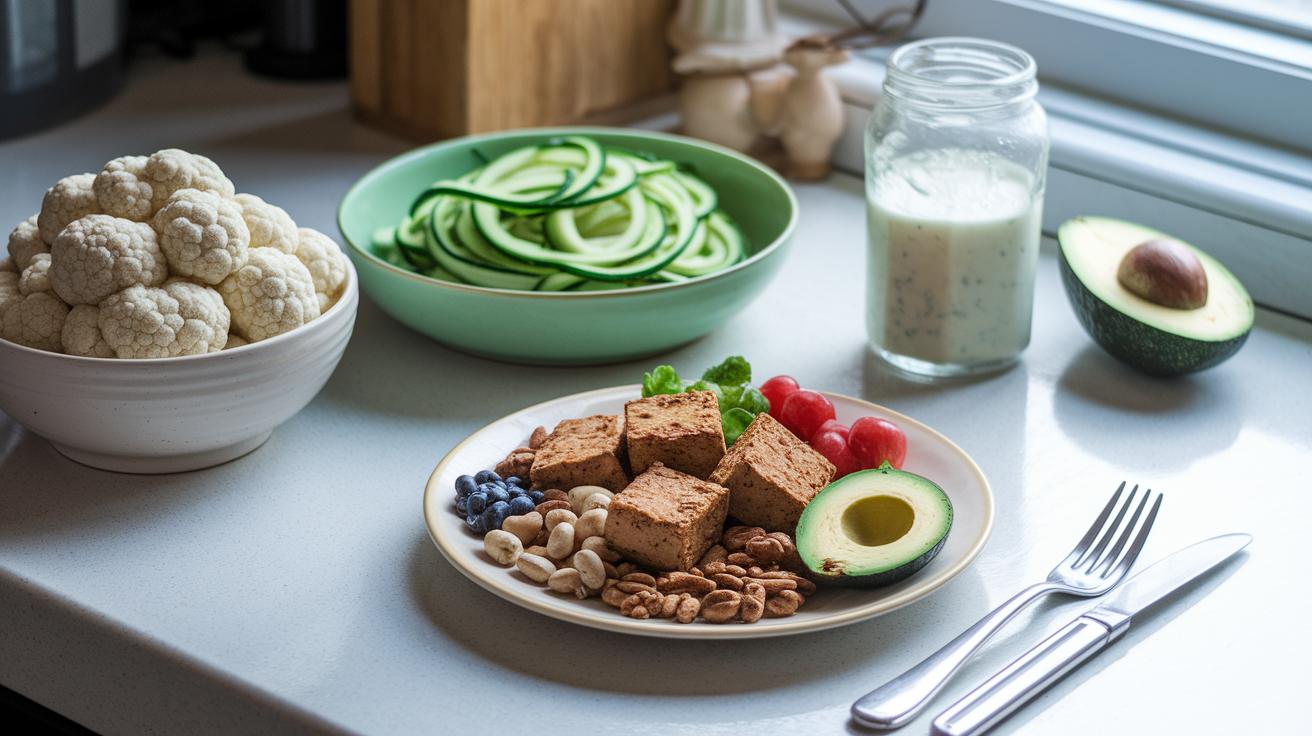
Make your keto plan work for you by swapping ingredients that still make your meals tasty. Try using cauliflower rice instead of grains or zucchini noodles instead of traditional pasta. When baking, nut-flour alternatives can help you lower carbs while keeping that satisfying texture.
If you follow a vegetarian keto plan, lean on protein sources like tofu and tempeh along with a variety of nuts and seeds. Avocado adds a creamy fat boost without stepping outside of your keto rules. These choices help you keep the right balance and keep meals interesting.
For those on a dairy-free keto plan, consider coconut oil or avocado oil instead of butter. You can swap out cheese for nut butters or dairy-free melts that deliver flavor and keep your fat intake high. These changes support your goal of staying in ketosis while avoiding dairy issues.
If you need a diabetic-friendly keto plan, focus on foods that won't spike your blood sugar. Adding a pinch of cinnamon or a splash of vinegar can enhance flavor and may help keep your levels steady. Remember to keep an eye on your blood sugar and talk with your doctor before making major changes.
- Swap out regular ingredients for keto-friendly substitutes.
- Watch portion sizes and make sure your macro balance fits your needs.
- Play with different flavors to find what works best for your lifestyle.
Final Words
In the action of keto meal planning, you’ve learned how to set macros, plan your meals weekly, and create a budget-friendly grocery list. This guide laid out every step, from mapping out recipes and prepping proteins to handling substitutions for special diets.
These bite-sized tips help you build a routine that fits your busy lifestyle. Keep testing small changes that feel doable today. Small steps add up, and soon you'll enjoy having a menu that supports your health journey.
FAQ
What does a 7-day or 1-week keto meal plan PDF include?
A 7-day keto meal plan PDF presents daily menus with breakfast, lunch, and dinner ideas that meet keto macros, plus shopping list tips and simple prep strategies to help you stay in ketosis.
Where can I get extended or specialized keto meal plans like 21-day, 90-day, women’s, or senior plans?
Extended keto meal plan PDFs provide longer menus tailored for specific needs, such as for women or seniors, with detailed recipes, shopping lists, and guidance to support continuous keto goals.
What is an easy keto meal plan?
An easy keto meal plan offers straightforward recipes and simplified cooking steps that focus on low net-carb ingredients, making it simple for beginners to follow a balanced keto diet every day.
What is a typical keto meal plan?
A typical keto meal plan focuses on high fat, moderate protein, and low carbohydrates. It includes structured menus, clear portion guides, and a grocery list so you can maintain steady ketosis.
What is the 2 2 2 2 rule on keto?
The 2 2 2 2 rule on keto refers to a guideline to divide your daily nutritional targets into balanced parts. This rule helps you consistently allocate protein, fats, and carbs for steady energy throughout the day.
What are the 9 rules of keto?
The 9 rules of keto outline practical steps like keeping net carbs low, favoring healthy fats, monitoring protein intake, tracking electrolytes, and planning meals carefully to maintain ketosis safely.
What should I eat the first week of keto?
In the first week of keto, focus on meals with lean proteins, leafy greens, and healthy fats (such as avocado or olive oil) while keeping net carbs under 20–30 g per day to kickstart ketosis.