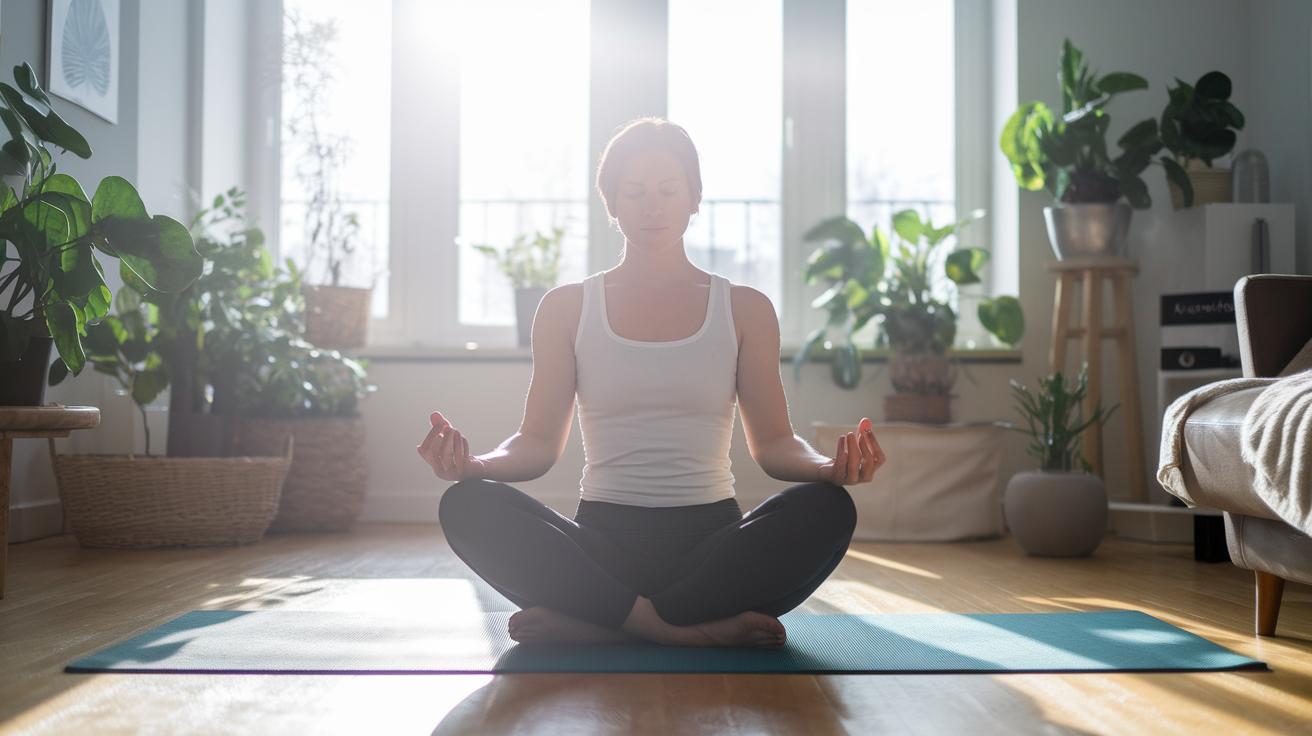
Ever felt so anxious that you just needed something simple to help calm your mind? Yoga is a friendly way to ease that tension naturally. Just a few weeks of regular practice can help lower your anxiety and relax your body. Even spending a few minutes moving mindfully and taking deep breaths can hit a quick "reset" on your stress, kind of like restarting a computer. Science shows that yoga can really help, and this guide shares easy moves you can try today to transform your tension into a calm, steady mind.
Yoga for Anxiety Reduction: Science-Backed Benefits
A regular 12-week yoga practice can cut anxiety by about 25%. Not only does it build strength and flexibility, but it also helps calm your nervous system. Even just a few minutes of deep breathing and mindful movement can help reset your stress response.
Try this simple routine to help bring a sense of calm to your mind and body:
- Cat-Cow: Slowly move between arching and rounding your back while taking 5 deep breaths. Notice how each inhale lifts you and each exhale eases tension in your back and shoulders.
- Supported Child’s Pose: Hold this gentle pose for 1 minute. You can use a cushion under your chest or head if that feels more comfortable. Let your belly rise with each breath to help release built-up stress.
- Diaphragmatic Breathing: Sit or lie down in a comfy spot and breathe deeply from your diaphragm for 2 minutes. Focus on the rise and fall of your belly with each breath to quiet racing thoughts.
This mini routine shows how yoga can gently shift your mood almost right away. Even on busy days, adding these moves can help train your body and mind to relax during stressful times. For more yoga routines that build on these ideas, visit Yoga for Stress Relief at https://spiritushealingarts.com?p=194.
Taking just a few minutes for these exercises can make a real difference in your overall well-being. Give this routine a try today and notice how a little mindful movement can help you handle stress better.
Yogic Breathing Techniques for Anxiety Relief
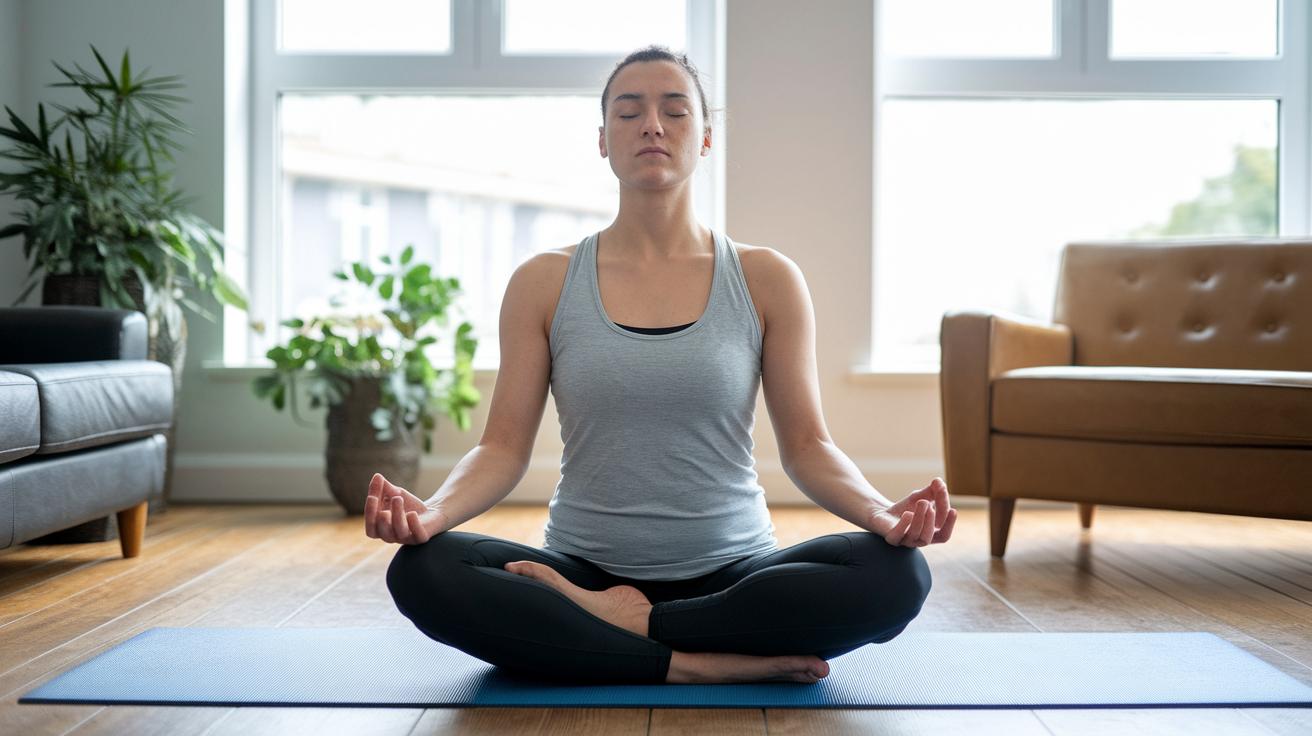
Taking slow, deep breaths can help ease anxiety by lowering stress chemicals and signaling your body to relax. When you hold poses like Side Twist or Savasana (Corpse Pose), try to let out a slow, full breath to calm your mind. In poses such as Extended Child’s Pose and Cat-Cow, moving gently with your breath helps reduce tension in your back, shoulders, and jaw.
Here are some simple techniques to try when stress feels heavy:
- Diaphragmatic Breathing – Sit comfortably and place one hand on your belly. Breathe in slowly so your belly rises, then exhale completely. Repeat this 5 times.
- Box Breathing – Breathe in for 4 counts, hold for 4 counts, exhale for 4 counts, and then pause for another 4 counts. Do this cycle 3 times.
- 4-7-8 Technique – Inhale quietly for 4 counts, hold your breath for 7 counts, and exhale forcefully for 8 counts. Try 4 cycles.
- Ujjayi Breath – Slightly tighten the back of your throat to create a soft ocean sound as you breathe. Use this sound while moving in yoga or sitting in a relaxing pose.
Focusing on your breath with these simple steps can quiet racing thoughts and help you feel more at ease.
Calming Yoga Poses to Ease Anxiety
These yoga poses can help you feel calmer by combining deep breathing, grounded alignment, and a mindful focus. As you move through each position, try to take slow, deep breaths that help you let go of tension and find balance. Adjust the time you hold each pose to match what feels best for your body.
| Pose | Key Benefit | Suggested Duration (breaths) |
|---|---|---|
| Child’s Pose (Balasana) | Resets your mind and relaxes your body with deep belly breaths | 5-10 |
| Reclined Pigeon Pose (Eka Pada Rajakapotasana) | Releases tight hips to help ease anxious feelings | 5-10 |
| Humble Warrior Pose | Builds inner strength and focuses your attention inward | 5 |
| Triangle Pose (Trikonasana) | Helps center your thoughts and improve balance | 5 |
| Pyramid Pose (Parsvottanasana) | Eases tightness while promoting mindful alignment | 5 |
| Tree Pose (Vrksasana) | Enhances balance and boosts body awareness | 5 |
| Mountain Pose (Tadasana) | Helps you feel grounded and present | 5 |
| Corpse Pose (Savasana) | Encourages full-body relaxation with slow, deep exhales | 10 |
| Side Twist | Releases tension in the spine and promotes smooth movement | 5 |
| Happy Baby Pose | Relieves lower body tightness to soothe your mind | 5 |
Remember, even a few slow, deep breaths can help ease anxiety. Adjust each pose as needed and give yourself permission to simply be in the moment.
yoga for anxiety reduction: Find Your Calm

Start with your usual warm-up routine, do Extended Child’s Pose, Cat-Cow, and Happy Baby Pose to get centered. When you feel ready, add these poses to help you relax even more.
Begin with Puppy Pose to gently open your shoulders. Then shift into Downward Dog and feel free to bend your knees if needed for extra comfort.
Next, try Lizard Pose. Keep your knee directly above your ankle and hold the pose for 3 to 5 breaths on each side to ease hip tightness.
Move into Bridge Pose by placing your feet hip-width apart with your toes pointing forward. Slowly lift your hips, taking care not to arch too much.
Continue with a set of Wind-Relieving poses followed by Dead Pigeon Pose. Hold each side for 5 to 10 breaths to help reduce tension in your pelvis and outer hips.
Finish with the Reclining Spinal Twist (2-Knee). Rest your knees in line with your hips and take gentle breaths to release lower-back tightness.
| Pose | Instructions |
|---|---|
| Puppy Pose | Open shoulders and ease into a new flow |
| Lizard Pose | Hold 3-5 breaths per side with knee above ankle |
| Bridge Pose | Feet hip-width apart, toes forward, lift hips slowly |
| Wind-Relieving/Dead Pigeon Sequence | Hold 5-10 breaths per side to ease tension |
Mindful Meditation Practices in Yoga for Anxiety
Adding meditation to your yoga routine helps quiet your mind. Focus on your breathing or a single pose for several breaths. This simple habit can help your brain shift away from constant stress even with just a few sessions each week. When you settle in, try counting to 10 as you watch your breath, letting each exhale ease away tension.
Mix gentle yoga moves with brief meditation breaks to clear your mind and balance your emotions. Start by sitting comfortably for a minute of calm, then flow through poses on slow, deep breaths. You can also use free resources, like downloads, podcasts, or online classes, to guide your meditation for anxiety. This combination of meditation and yoga builds resilience, eases worry, and helps you feel more centered every day.
Beginner Yoga for Anxiety Reduction: Getting Started Safely

When you begin yoga to ease anxiety, start slowly and safely. Try using a cushion or blanket for extra support. One beginner shared, "Using a cushion helped me ease into each pose without feeling overwhelmed."
Find a quiet spot with enough space to move. Warm up gently and choose poses that feel simple and secure. If a stretch feels too much, try a smaller movement or take a quick break until you feel ready to continue.
| Challenge | Advice |
|---|---|
| Feeling unstable | Try a supportive prop or reduce the movement |
| Worry about keeping correct form | Ask an experienced instructor for a quick tip |
| Struggling with transitions | Move slowly and mindfully |
- Find a calm, open area where you feel safe.
- Use simple pose variations if the full pose feels too hard.
- Listen to your body, pausing or changing a move can make your practice better.
Focus on what feels right for you today and take small steps to build a more confident practice.
Therapeutic Yoga Approaches for Long-Term Anxiety Management
Yoga therapy programs are designed to help many people, whether you're dealing with trauma, chronic pain, depression, or even challenges in children’s mental health. These classes mix gentle movement, careful breathing, and supportive poses to help calm your nervous system. Regular practice can bring balance, boost body awareness, and lower stress levels. One 12-week study found that yoga reduced anxiety and mood scores by 20% compared to walking. In another 10-week course, participants reported a 30% drop in stress and anxiety along with better overall health.
Yoga does more than strengthen your body. It also builds emotional resilience, giving you a tool to manage anxious thoughts and feelings every day. Many resources are available, like podcasts, online courses, and free guides, to help you add yoga to your daily routine for long-lasting anxiety management.
Key Clinical Studies on Yoga Therapy
| Study Duration | Intervention | Outcome |
|---|---|---|
| 12 weeks | Yoga vs. Walking | 20% lower anxiety scores with yoga |
| 10 weeks | Structured yoga classes with breath-synchronized movements | 30% decrease in stress and anxiety with better overall health |
Final Words
In the action, this post explored practical routines that combine mindful breathing, calming poses, and gentle flows to help reduce anxiety. It offered a mini routine with Cat-Cow, supported Child’s Pose, and diaphragmatic breathing for quick relief, while also sharing safe tips for beginners. We looked at meditation techniques and therapeutic practices backed by clear research findings. These bite-sized steps can fit into a busy day, giving you a chance to experience real benefits with yoga for anxiety reduction. Keep trying these moves and enjoy the positive impact on your calm and health.