
Have you ever wondered if one simple check could save your life? Pancreatic cancer is a sneaky foe, nearly 9 out of 10 people don’t survive past 5 years once diagnosed. But getting it caught early can really boost your treatment success. Here, we share real-life stories and straightforward tips to help you notice early signs and learn about new screening methods. Taking action quickly might mean you qualify for less invasive treatment when it matters most.
Ensuring Early Detection of Pancreatic Cancer: Outcomes and Urgency
Pancreatic cancer often hides until it has advanced. In fact, fewer than 10 out of every 100 people survive for 5 years after diagnosis. When the cancer is caught early, surgery can improve the odds considerably, but many patients still face delays in diagnosis. Research shows that people with early-stage tumors do much better with timely treatment, which is why spotting the disease quickly is so important.
Standard CT scans often miss tiny tumors. They usually only find the cancer when it has grown too large to treat successfully. In the U.S., about half of the patients with early-stage pancreatic cancer are not referred to surgeons or specialized cancer centers that offer advanced treatment options. This gap in referrals can delay care and worsen outcomes. New methods for early detection could help patients get the right care sooner.
Finding pancreatic cancer early also makes it possible to use less invasive surgeries, like robotic procedures used at places such as Roswell Park. These techniques typically mean less pain, quicker recovery, and treatment that is more focused on the tumor. Catching the cancer early gives patients a real chance to change the course of the disease and improve long-term survival.
Understanding Risk Assessment for Pancreatic Cancer Screening

Men have a higher chance of developing pancreatic ductal adenocarcinoma, and African American individuals also experience elevated rates. Everyday factors like smoking, extra weight, and long-term diabetes boost this risk. Chronic pancreatitis and a family history of pancreatic cancer add even more to it. If you have one or more of these factors, getting screened early could be a smart move.
Genetic testing is key here too. For those with a strong family link or genetic conditions, testing can uncover mutations tied to pancreatic tumors. Regular check-ups and advanced scans help doctors catch any changes early. This proactive approach makes it easier to start treatment sooner, keeping a step ahead of a disease that is often found too late.
Recognizing Early Symptoms and Warning Signs of Pancreatic Cancer
Pancreatic cancer often starts with small changes that are easy to miss. You might notice signs that look like common issues such as new-onset diabetes or regular tummy discomfort. Because these symptoms are not unique to pancreatic cancer, they can blend in with everyday problems.
When you spot these subtle signals, it might be a good idea to ask for more tests. Early detection can make a big difference in how quickly you get the care you need.
Here are some signs to be aware of:
- Unexplained weight loss
- Pain in the upper belly or back
- New diabetes or trouble controlling blood sugar levels
- Yellowing of the skin or eyes (painless jaundice)
- Changes in digestion, like oily or fatty stools (steatorrhea)
- Unusual tiredness or general weakness
If you experience any of these signs, be sure to talk with a doctor right away to see if further tests are needed.
Leveraging Biomarkers and Liquid Biopsy for Early Pancreatic Cancer Detection
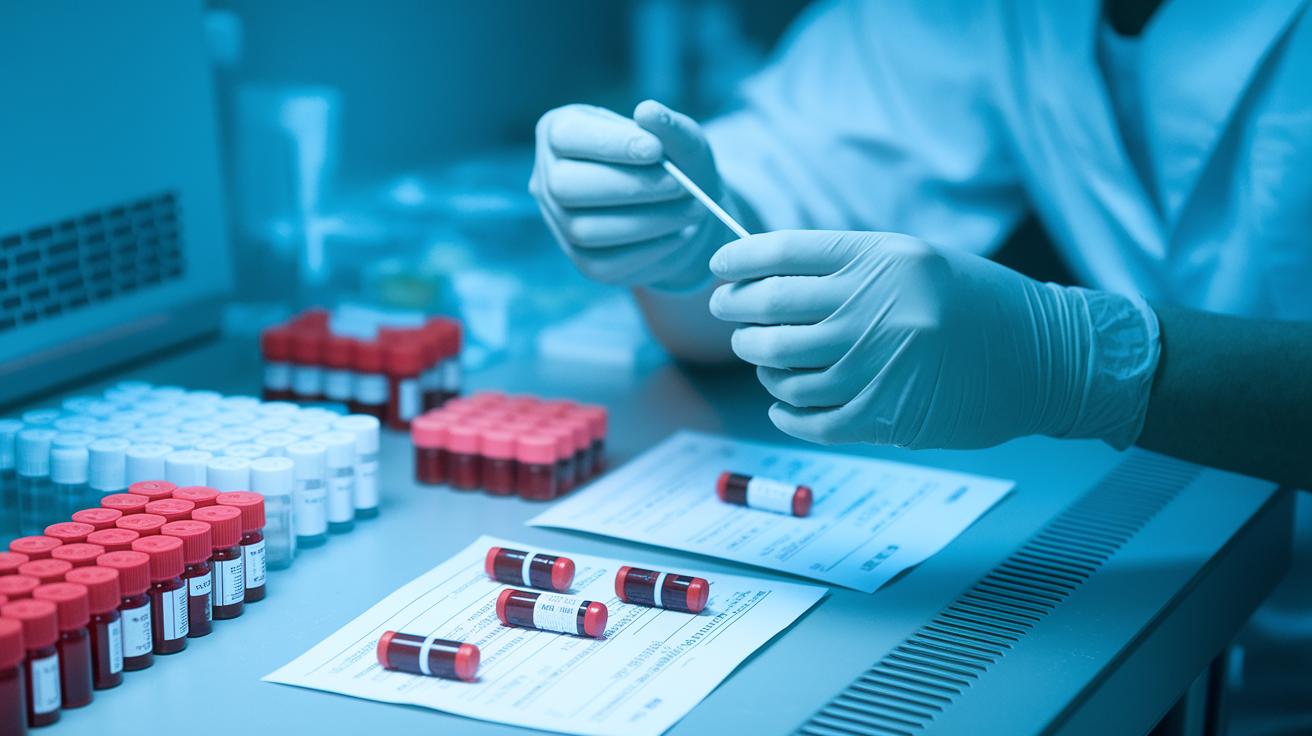
Medical testing is evolving. Instead of only relying on scans, doctors now use blood tests that pick up tiny changes in blood markers. These changes can be seen even before a tumor shows up on a CT scan. This new method helps catch pancreatic cancer much earlier by looking for key biomarkers that signal the disease right when it starts.
A promising example is the PAC-MANN protease assay. In a study with 350 people, including high-risk individuals, patients already diagnosed with the disease, and healthy controls, this test detected active proteases related to pancreatic cancer with 85% accuracy. The samples were collected at specialized centers so the results would be reliable and useful for treatment decisions. Another test, a microRNA liquid biopsy, was studied in about 500 participants from Japan, the United States, South Korea, and China over more than 10 years. Researchers compared the levels of microRNAs (small molecules involved in regulating gene activity) in the blood of these participants to those in healthy people. This research shows that such tests might spot pancreatic cancer even before traditional imaging can.
| Biomarker Method | Detection Target | Study Size | Accuracy |
|---|---|---|---|
| PAC-MANN protease assay | Active proteases | 350 patients | 85% |
| microRNA liquid biopsy | Circulating microRNAs | 500 participants | , |
| ctDNA analysis | Circulating tumor DNA | , | , |
These new tests mark a turning point in healthcare. As molecular methods take hold, doctors may be able to diagnose pancreatic cancer earlier and more accurately. That means patients could receive treatments that are less invasive and start sooner, which might help improve outcomes and survival.
Advancements in Imaging Techniques for Early Pancreatic Tumor Screening
CT scans are usually the first step in diagnosis. But they can miss very small tumors in the pancreas, which means issues might only be noticed when the cancer has advanced.
MRI scans and endoscopic ultrasound (EUS) do a better job at finding these tiny problems. MRI gives a clearer look at soft tissues, making it easier to spot even small lesions. EUS goes a step further by providing detailed images and helping guide fine-needle tests to confirm what’s there.
Doctors are now using all these tests together to cover each other’s gaps. This team approach improves early detection, which can lead to quicker treatment and a better chance of recovery.
Screening Guidelines and Referral Pathways for Early Pancreatic Cancer Detection

Right now, guidelines suggest keeping a close eye on people with a family history of pancreatic cancer or those who develop diabetes after age 50 instead of screening everyone. Only about half of patients with early-stage pancreatic cancer get seen at specialized centers, so it's important to simplify the referral process. By setting specific times for imaging tests and mapping out referral steps clearly, high-risk individuals can reach top-notch care sooner, including robotic and minimally invasive procedures available at places like Roswell Park.
Genetic Testing for High-Risk Individuals
If you have inherited mutations like BRCA or disorders such as Peutz-Jeghers syndrome, genetic testing is a smart move. Combined with counseling, these tests help set a clear plan for regular check-ups and early treatment. One specialist said, "Genetic testing helped me understand my risk and set up a regular check-up schedule," highlighting its role in managing risks.
Recommended Imaging Intervals
For those identified as high-risk, sticking to a set schedule for imaging is key. Typically, doctors recommend an annual CT scan, MRI, or endoscopic ultrasound. If a patient's risk is even higher, tests might be scheduled more frequently based on the results. One patient shared, "I had an MRI every 9 months, which helped catch a small tumor early." Quick referrals following any suspicious findings ensure that patients get fast access to care and tailored treatment options.
Emerging Research and Future Directions in Early Pancreatic Cancer Screening
Researchers are now testing new blood tests that aim to spot pancreatic cancer much earlier than traditional CT scans. In several clinical trials, teams are using microRNA assays (small pieces of genetic material that indicate cell changes) and panels that measure proteases (enzymes that help break down proteins) to see if they can pick up early signs of cancer. Experts from four different countries are collecting data over many years. One study, for example, is exploring if microRNA liquid biopsies can detect early disease signals even before tumors show up on conventional imaging. These trials include people at high risk for the disease and are designed to improve early diagnosis techniques for pancreatic cancer.
Looking ahead, new advances may involve AI-enhanced imaging that improves the clarity of soft tissue scans. Researchers also plan to widen the range of biomarkers examined, which could capture more early indicators of the disease. They expect that standardizing liquid biopsy methods will lead to a uniform screening process across clinics. If these innovations prove successful, they could speed up diagnosis and offer patients a better chance at effective treatment.
Final Words
In the action, our guide explored how early detection of pancreatic cancer can change outcomes. We reviewed the impact of quick identifier tests, imaging tools, and new biomarkers. The post outlined the steps from recognizing risk factors and symptoms to using advanced screening techniques. These insights show that small shifts in approach may lead to better referral and treatment. Stay positive, each small step can make a difference in improving overall health, building a safer routine for early detection and care.
FAQ
Can early detection of pancreatic cancer be cured?
Early detection of pancreatic cancer does not automatically guarantee a cure but can lead to more effective treatments and improved outcomes compared to late-stage discovery.
What is the survival rate for early-stage or Stage 1 pancreatic cancer?
Early-stage pancreatic cancer, including Stage 1, has a better survival rate than advanced stages, though overall survival remains low. Early detection improves treatment options and outcomes.
How can you test for pancreatic cancer at home?
Testing for pancreatic cancer at home is not reliable. Diagnosis requires imaging, blood tests, and evaluation by healthcare professionals to ensure accurate detection and timely management.
Does pancreatic cancer show in routine blood tests?
Pancreatic cancer may not be evident in routine blood tests. Specialized biomarker assessments and specific tests are necessary to detect subtle changes associated with early pancreatic cancer.
How can you detect pancreatic cancer symptoms?
Detecting pancreatic cancer symptoms means recognizing subtle signs like unexplained weight loss, abdominal discomfort, changes in digestion, and new-onset diabetes, then discussing these with your doctor.
What is the most accurate test for pancreatic cancer?
The most accurate tests often include advanced imaging like MRI or endoscopic ultrasound combined with biomarker evaluations that help detect small pancreatic lesions before they advance.
When should you test for pancreatic cancer?
Testing is advised if you experience early warning signs or have risk factors such as a family history, chronic pancreatitis, or new-onset diabetes after age 50 to catch the disease early.
What is early stage pancreatic cancer treatment?
Early stage treatment typically focuses on surgical removal, often using minimally invasive methods, combined with therapies like chemotherapy or radiation to target any residual disease.
What is considered early detection of pancreatic cancer?
Early detection means identifying cancer in Stage I, when tumors remain small and localized, which opens the door to more treatment options and a higher chance for improved outcomes.
What was the first symptom of pancreatic cancer?
The first symptom of pancreatic cancer varies among individuals; many notice subtle signs such as mild abdominal discomfort, unexplained weight loss, or changes in blood sugar levels before a formal diagnosis.
How long does pancreatic cancer take to develop?
Pancreatic cancer can take years to develop before symptoms appear, which highlights the importance of careful monitoring and evaluation, especially for those at higher risk.