
Ever wonder why some people jump out of bed feeling refreshed while others struggle to wake up? It all comes down to simple sleep habits that can boost your energy and mood. Think of it like brushing your teeth, small, daily steps that add up over time. By keeping a regular bedtime and creating a quiet, cozy space, you give your body the best chance to rest deeply. This can lead to a sharper mind and better overall health. Ready to try one small change tonight?
Understanding Sleep Hygiene: Definition and Importance
Sleep hygiene is all about the everyday habits and choices that help you fall asleep quickly, stay asleep, and wake up feeling refreshed. Think of it like taking care of your teeth or washing your face, simple steps that add up to a healthier you. By sticking to a regular sleep schedule, cutting out distractions, and setting up a calm, quiet space, you give your body the best shot at a good night's sleep.
Good sleep isn’t just about feeling rested; it plays a big role in both your body and mind. When you keep a consistent routine and create a dark, peaceful environment, you typically fall asleep faster, sleep longer, and cycle through deeper sleep stages. This routine helps boost your energy, mood, and even supports better thinking and overall health.
Incorporating these habits into your life can lead to noticeable changes. Better sleep might mean sharper focus during the day, a steadier mood, and more energy for your daily tasks. In short, investing in your sleep hygiene is a simple yet powerful way to build a healthier, more balanced lifestyle.
what is sleep hygiene: Embrace a Restful Life
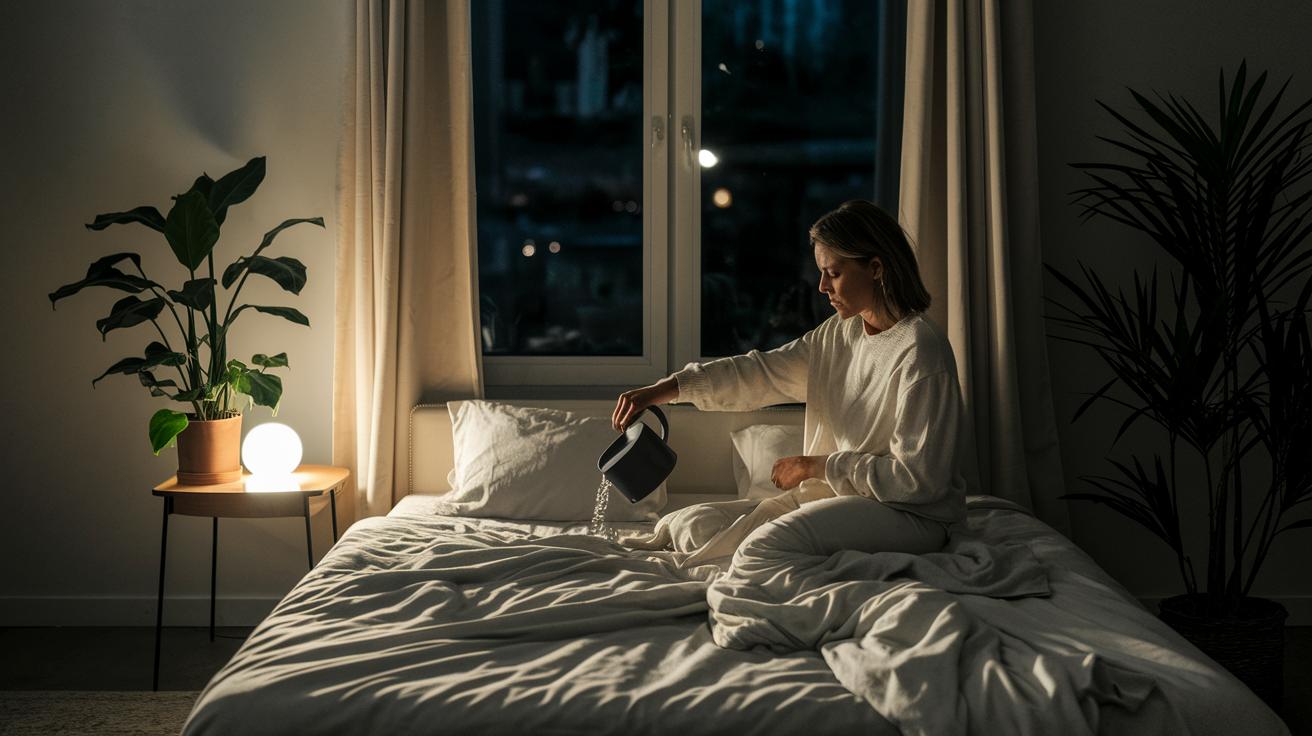
Start by setting a steady sleep and wake time. When you stick to a regular schedule, your body learns when it's time to wind down. This simple habit makes it easier to transition into sleep at night.
Next, create a calming wind-down routine at least one hour before bed. Dim the lights, switch off your screens, and allow your mind to relax. Make sure your bedroom feels safe and cozy, and try to avoid heavy meals or drinks within three hours of bedtime. These steps help create a peaceful space for uninterrupted rest.
Finally, add a few calm activities to your nightly routine. You might try a short session of mindfulness or gentle stretching. A brief 15- to 20-minute nap during the day can also boost your alertness, but steer clear of vigorous exercise in the evening to avoid staying too energized. Together, these simple tips can lead to a deeper, more refreshing sleep.
Common Poor Sleep Habits to Avoid
When your sleep schedule changes from day to day, it throws off your body’s clock. A constant bedtime helps your body know when to wind down. Using screens or having a heavy meal late at night also confuses your brain. Caffeine close to bedtime can make it hard to relax, and exercising intensely late in the day may keep your heart beating fast when you’re trying to sleep. These habits can break up your rest and may lead to ongoing sleep troubles.
Taking long naps during the day, especially ones lasting more than one hour, can also disrupt your nighttime routine. Over time, this can leave you feeling tired during the day and affect your mood. Skipping these poor practices is a practical way to help you enjoy a more refreshing night’s sleep.
Effective Strategies for Better Sleep Hygiene
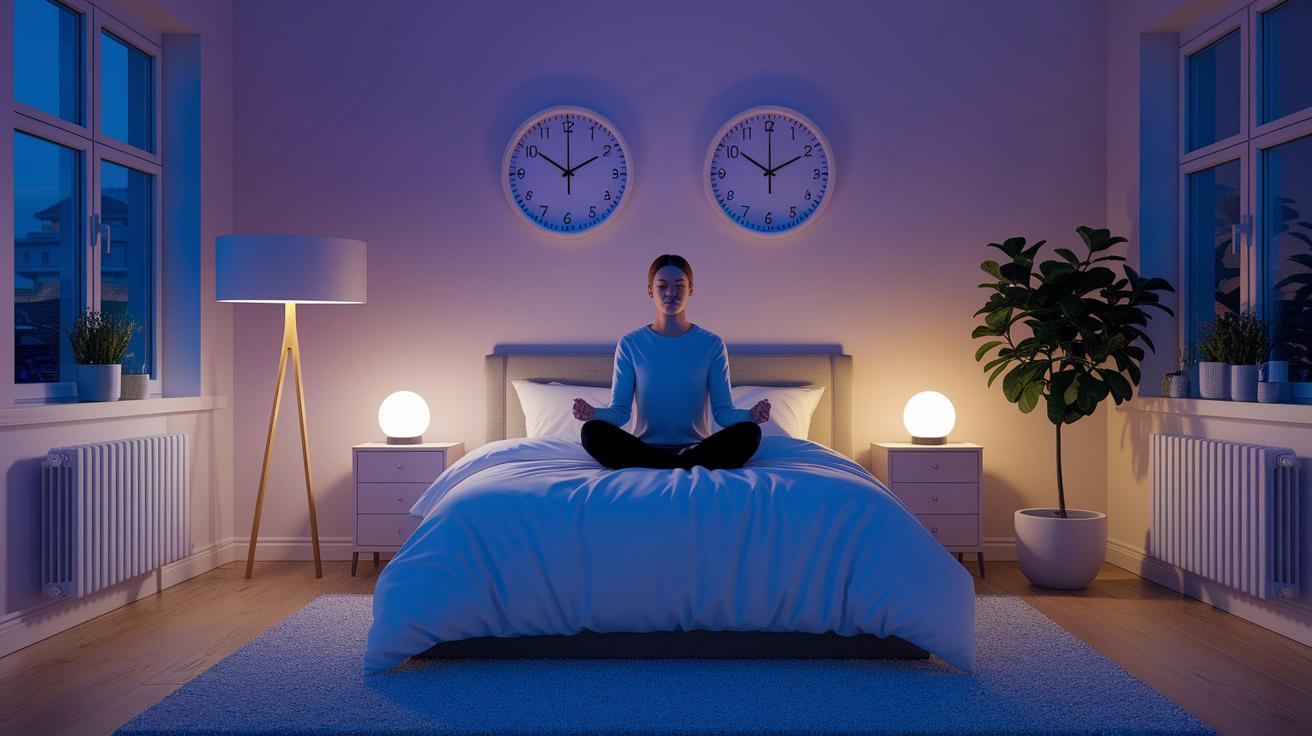
You can improve your sleep with simple changes. Even small tweaks in your routine can help you rest better. Try starting with one or two of these tips tonight.
- Stick to the same bedtime and wake-up time every day.
- Begin a calming routine about 60 minutes before sleep. Choose quiet, relaxing activities.
- Lower the lights and cut down on screen time to reduce blue light before bed.
- Use your bedroom only for sleep. Save work, TV, or phone time for other places.
- Avoid eating, drinking lots of liquids, or consuming caffeine in the three hours before bedtime.
- Practice calming habits like deep breathing or gentle stretching.
- If you need a nap, keep it to 15–20 minutes and try not to sleep too late in the day.
Optimizing Your Sleep Environment for Hygiene
A calm bedroom helps you get a deep, refreshing sleep. Try to keep your room quiet and use soft, low lights to show your body it's time to rest. A comfortable mattress and supportive pillows make you feel safe and relaxed. Also, remove distractions like TVs, smartphones, and work materials so your mind knows your bed is for sleep only.
Keep your room cool (around 65°F, 18°C) and let fresh air flow in. A steady, cool temperature stops you from overheating and helps keep the air clean all night. These simple steps can turn your bedroom into a cozy retreat that supports a full, uninterrupted night of sleep.
Crafting a Consistent Nightly Routine for Restorative Sleep
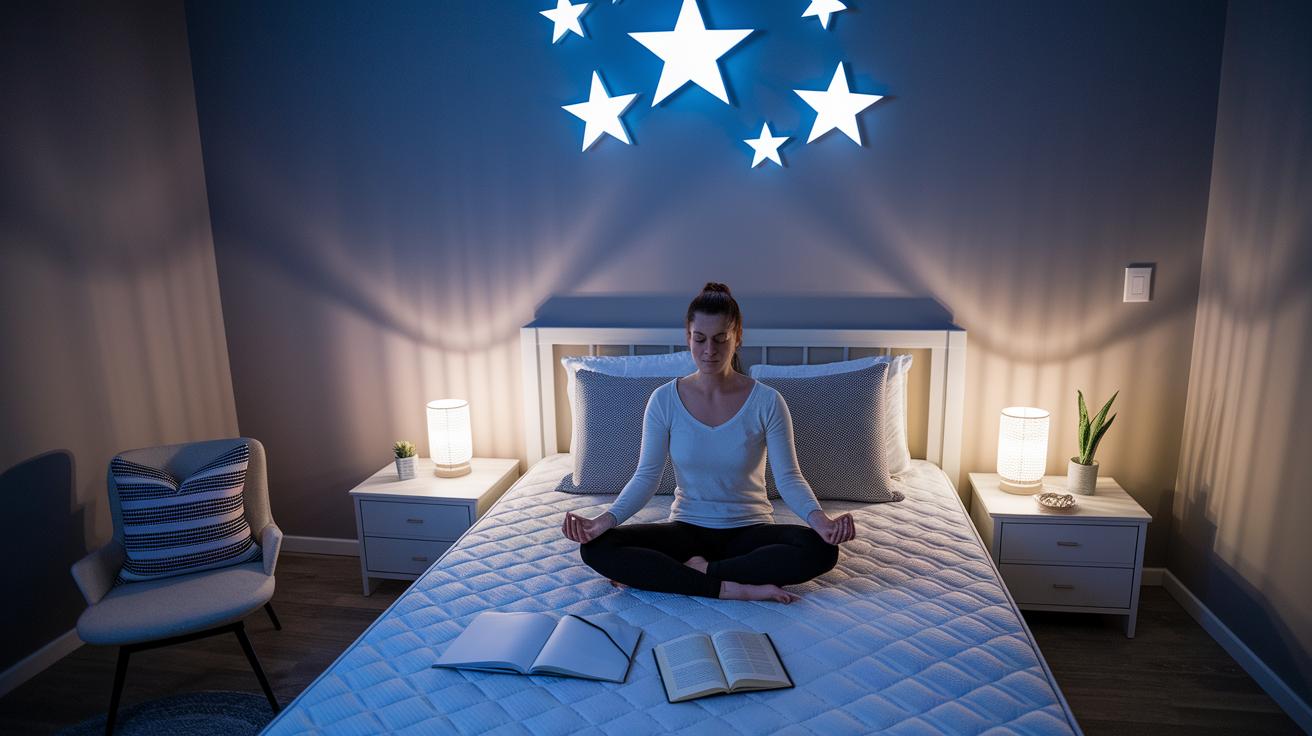
Create a calming routine before bed to tell your brain it's time to unwind. Pick a few relaxing activities, maybe read a couple of pages, jot down a short journal entry, or try some gentle yoga. These steps gently signal your body to switch from being awake to getting ready for sleep.
Keep a regular lights-out time every night, even on weekends. This steady schedule helps set your internal clock so you can fall asleep naturally and wake up refreshed without needing an alarm.
Stay away from energizing tasks before bed. Instead, experiment with different calming habits until you find the mix that works best for you each night.
Final Words
In the action, we explored the basics of sleep hygiene and its impact on overall well-being. We broke down how a clear nightly routine and a calm sleep space can pave the way for better sleep. We also flagged common pitfalls while offering straightforward strategies to boost sleep quality.
Taking small, simple steps today may lead to more restorative rest tomorrow. Embracing what is sleep hygiene can lead to a healthier, more balanced lifestyle.
FAQ
What does a sleep hygiene PDF include?
A sleep hygiene PDF includes guidelines on healthy sleep practices, practical tips to improve your bedtime routine, and illustrations of routines to help you get the restful sleep you need.
What is a sleep hygiene checklist?
A sleep hygiene checklist lists key practices like a regular sleep schedule and screen-free time before bed. It serves as an easy guide to ensure you follow habits that promote quality sleep.
What is the importance of sleep hygiene?
The importance of sleep hygiene lies in its ability to help you fall asleep faster, sleep longer, and achieve restorative sleep. Good habits here boost both physical and mental well-being.
What are some examples of sleep hygiene?
Examples of sleep hygiene include sticking to a consistent bedtime, creating a quiet and dark bedroom, and avoiding screens or caffeine before sleep, all of which support better rest.
What is sleep hygiene in psychology?
In psychology, sleep hygiene refers to behaviors that promote good sleep, such as maintaining routines and reducing distractions. These practices can ease stress and improve overall mental health.
What does a sleep hygiene PPT contain?
A sleep hygiene PPT typically outlines basic sleep principles, common pitfalls, and visual step-by-step tips to adjust habits, making it easier for you to understand and apply better sleep practices.
What are the five principles of sleep hygiene?
The five principles of sleep hygiene involve keeping a regular sleep schedule, setting up a comfortable and calm sleep area, winding down before bedtime, avoiding stimulants too close to sleep, and using relaxation techniques.
What is sleep hygiene for babies?
Sleep hygiene for babies means establishing a consistent bedtime routine, keeping a calm and safe sleep space, and following safe sleep practices that help your baby settle and sleep soundly.
What is the best sleep hygiene?
The best sleep hygiene combines a steady sleep schedule, a peaceful pre-bed routine without electronic distractions, and a comfortable sleeping environment that together help you get deep, restful sleep.
What is the 10 3 2 1 0 rule for sleep?
The 10 3 2 1 0 rule guides you to avoid screens well before bed, stop eating three hours before, avoid caffeine two hours before, start a one-hour wind-down, and skip alcohol altogether to improve sleep.
What are the main signs of poor sleep hygiene?
The main signs of poor sleep hygiene include inconsistent sleep patterns, difficulty falling or staying asleep, frequent daytime tiredness, and dependence on stimulants, indicating that your sleep habits may need a review.
What is an example of good sleep hygiene?
An example of good sleep hygiene is setting a regular sleep and wake time, avoiding screens before bed, and creating a quiet, dark room so your body can easily transition into restful sleep.