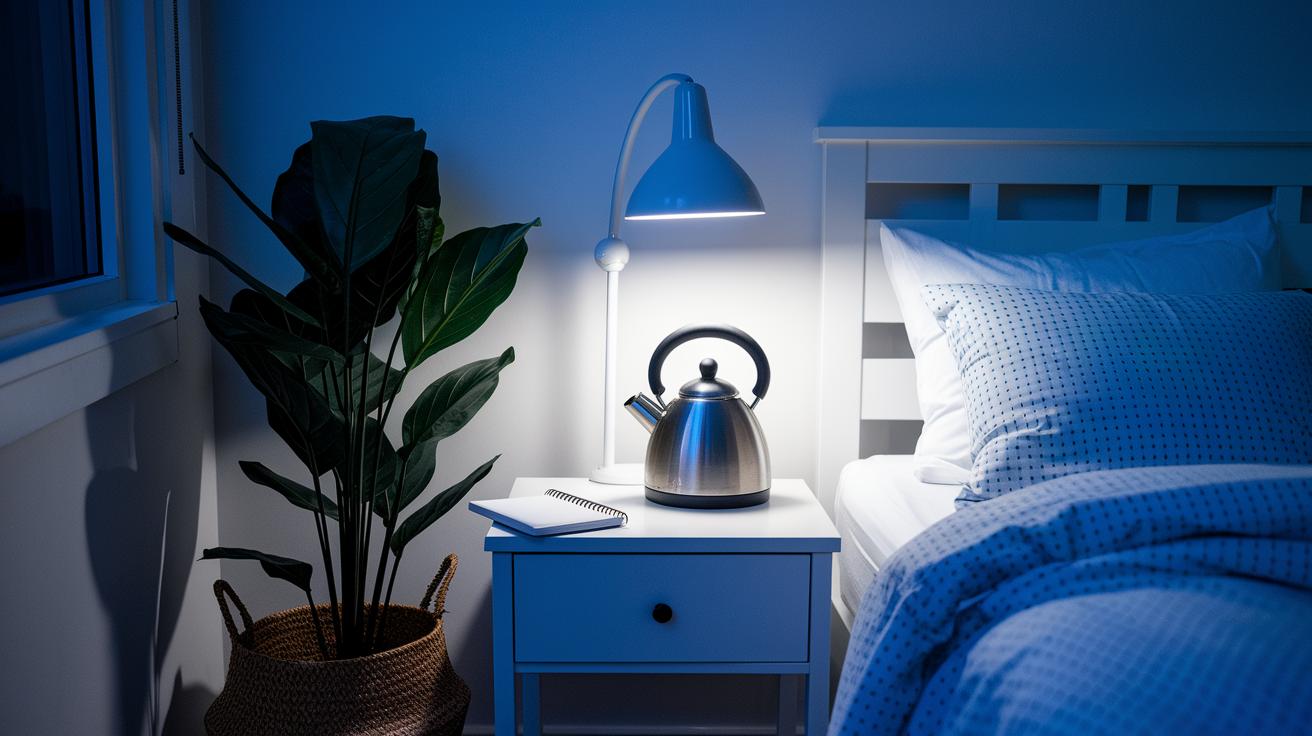
Ever spend your nights restless, barely catching any sleep? Poor sleep leaves you feeling drained and out of focus the next day. Sleep hygiene isn't just a boring routine, it’s a series of simple, practical steps that tell your body it's time to wind down. In this post, we'll share easy tips to help you set up a comfy sleep space and stick to a steady bedtime routine. Try one of these tips tonight, and get ready to wake up feeling refreshed.
Sleep hygiene tips: Embrace Restful Nights
Keep a steady sleep routine. Go to bed and wake up at the same time every day with no more than a one-hour difference. If you usually fall asleep at 10 p.m., try to stick with that, even on weekends. This helps your body learn when it’s time to rest and when to wake up.
Avoid caffeine and nicotine for at least five hours before you plan to sleep. For example, if you're in bed by 10 p.m., skip any coffee or similar drinks after 5 p.m. This simple step cuts down on the alertness these substances may cause.
Give your eyes and brain a break by turning off your digital devices an hour before sleep. The blue light from phones, tablets, or computers can block the sleep hormone melatonin. Instead, consider reading a book or listening to some gentle sounds to wind down.
Make your bedroom a sleep-friendly zone. Keep it dark, quiet, and cool, a temperature around 60-67°F (16-19°C) works well. Choose comfortable sleepwear and bedding made of soft, breathable fabrics to help you stay cozy all night.
• Stick to a set sleep-wake schedule
• Avoid caffeine and nicotine at least five hours before sleeping
• Turn off digital devices one hour before bed
• Keep your bedroom dark, quiet, and cooled to about 60-67°F (16-19°C)
• Wear comfortable sleepwear and use soft bedding
Try one of these steps tonight and see how much better you sleep.
Understanding Sleep Hygiene Basics and Impact on Well-Being

Sleep hygiene means having habits and a setup that help your body know it’s time to rest, not like washing your face before bed. If you find yourself lying awake for over 30 minutes or waking up in the middle of the night without being able to fall back asleep, it might be time to review your sleep routine.
Good sleep habits can boost your alertness, focus, and overall energy during the day. Keeping a steady schedule helps your body match its natural sleep cycle and makes getting a full night’s sleep easier. In fact, structured sleep routines are a key part of treatments like cognitive behavioral therapy for insomnia, which many experts recommend for regular sleep troubles.
A few practical steps:
- Stick to the same sleep schedule every day.
- Create a quiet, dark, and calming space in your bedroom.
- Avoid stimulating activities and bright screens near bedtime.
Try tracking your sleep patterns. If issues persist, check out more about sleep hygiene at https://bezenn.com?p=150. Even small tweaks can lead to clearer and more productive days.
Optimizing Your Bedroom Environment for Top Sleep Hygiene
Good sleep starts with a bedroom that feels like a calm retreat. Aim for a dark, quiet, and cool space, ideally between 60–67°F (16–19°C). Try adding blackout curtains or a comfortable eye mask to keep unwanted light out. Think of it as transforming a bright room into a cozy, inviting nook.
Quiet is key for a restful night. If stray noises interrupt you, consider earplugs or a white-noise machine. Even simple changes, like shifting furniture away from walls facing busy streets, can make a difference.
A clutter-free room helps your mind relax. Here are a few steps to create a peaceful environment:
- Remove unnecessary items and tidy your surfaces.
- Use thick carpets, heavy curtains, or wall hangings to help soak up sound.
- Place noise-reducing items nearby for extra quiet.
Try these tips tonight to set the stage for a truly restorative sleep.
Crafting a Consistent and Calming Bedtime Routine for Improved Sleep Hygiene

A soothing bedtime routine helps your body know it’s time to rest. Start winding down 30–60 minutes before bed by doing something gentle like reading, stretching slowly, or listening to soft music. Picture yourself in your favorite chair as the lights gradually dim, this simple change tells your brain it’s time to relax.
During this quiet time, put your smartphone, tablet, and computer aside. Lower the lights and steer clear of screens. This helps your brain produce melatonin (the sleep hormone). When you do the same calming activities every night, your body starts to recognize these steps as a signal to unwind.
You might add a few extra touches to your routine. Try writing down your thoughts in a journal, brewing a warm cup of herbal tea, or spending a few moments in meditation. Even a brief meditation can help set a peaceful tone for sleep.
Here are a few steps to try tonight:
- Start your wind-down routine at the same time each night.
- Dim the lights and switch off digital devices at least one hour before bed.
- Choose one or two calming activities, such as gentle stretching or listening to soothing music.
- Finish with a short journaling session or a few minutes of meditation to clear your mind.
When you stick to this routine, your body learns to know when it’s time to sleep, making it easier to nod off and enjoy a more restful night.
Lifestyle and Dietary Strategies to Support Effective Sleep Hygiene
Your daily habits can make a big difference in how well you sleep. Try to avoid heavy meals and stimulants like caffeine or nicotine for five hours before bedtime. If you feel hungry later, go for a light snack such as a banana or a small bowl of yogurt. This helps give you energy without stressing your digestive system before sleep.
Schedule your workouts so that any intense exercise ends at least three hours before you lie down. This lets your body cool down and your heart rate settle. In the morning, spend 10 to 15 minutes outside to catch some natural sunlight. This simple step sets your internal clock and boosts your alertness for the day. Also, keep naps short, limiting them to 10–20 minutes and preferably before mid-afternoon. These small adjustments can help you enjoy deeper, more refreshing sleep.
Relaxation and Cognitive Techniques for Enhanced Sleep Hygiene

Before bed, try calming your mind with simple exercises. Spend 15–20 minutes on a mindfulness meditation or use the 4-7-8 breathing technique. For instance, sit comfortably, breathe in for 4 seconds, hold for 7 seconds, and then exhale for 8 seconds. This routine helps reduce stress and prepares you for a peaceful night’s sleep.
Next, try progressive muscle relaxation. Slowly tense a muscle group, like clenching your fists or broadening your shoulders, then relax them. Feel the tension slip away with each release.
Journaling can also clear your mind before sleep. Grab a notebook and write down any worries or your to-do list for tomorrow. This little routine helps put your thoughts to rest so you can sleep better.
If you need extra help, consider guided relaxation. Use sleep stories or a relaxation app to focus on gentle images instead of racing thoughts. This can make it easier for your mind to settle down.
- Spend 15–20 minutes on mindfulness or 4-7-8 breathing
- Practice progressive muscle relaxation
- Write down any worries or tasks before bed
- Try audio-guided sleep stories or relaxation apps
Monitoring and Maintaining Your Sleep Hygiene Habits
Keep a sleep diary for one or two weeks. Write down when you go to bed, when you wake up, and a quick note on how you feel in the morning. For example, jot down: "Slept at 10 p.m., woke at 6 a.m., felt alert and refreshed." This simple habit helps you notice patterns and spot any problems.
Try using a sleep app or a wearable tracker alongside your diary. These tools give you extra details about your sleep length and quality, helping you understand your sleep habits better.
Review your diary every week. Ask yourself: Are you going to sleep later than planned? Do you often wake feeling tired? Use what you learn to adjust your bedtime routine or tweak your room setup.
Set small, clear goals to improve your sleep habits. For example:
- Try to turn off your lights by 10 p.m.
- Change your wind-down routine if needed.
- Adjust your room’s settings based on your diary notes.
Tracking your sleep like this can raise your awareness and help you make real, lasting changes.
Final Words
In the action, this post served up straightforward steps to improve your nightly rest. You learned about setting consistent sleep schedules, creating a tech-free environment, and establishing calm pre-bed routines. We also touched on easy diet changes and mindful practices to support better sleep. These sleep hygiene tips can be implemented quickly to help you build a healthy, sustained routine. Small changes really add up, and every extra bit of quality rest makes your day a little brighter. Give these steps a try, and enjoy a more peaceful night.
FAQ
Frequently Asked Questions
What is a sleep hygiene PDF?
A sleep hygiene PDF provides a printable guide detailing practical sleep strategies, such as a consistent routine, a quiet environment, and calming rituals to improve nightly rest.
What is a sleep hygiene checklist?
A sleep hygiene checklist is a brief, actionable list outlining steps like keeping a regular sleep schedule, managing room conditions, and relaxing before bed to boost overall sleep quality.
What are sleep hygiene tips on Reddit?
Sleep hygiene tips on Reddit often share community-tested ideas like maintaining consistent sleep times, reducing screen exposure before bed, and creating a dark, cool bedroom environment for better sleep.
What are sleep hygiene tips for kids?
Sleep hygiene tips for kids focus on establishing a calm bedtime routine, creating a quiet and comfortable sleep space, and limiting screen time before bed to help them fall asleep easier.
What are sleep hygiene tips for adults?
Sleep hygiene tips for adults include sticking to a regular sleep schedule, avoiding caffeine near bedtime, reducing screen exposure, and designing a quiet, cool bedroom to enhance sleep quality.
What sleep hygiene tips do therapists often suggest?
Therapists suggest sleep hygiene tips such as keeping consistent sleep-wake times, creating a calming pre-bed routine, turning off screens early, and setting up a quiet sleep-friendly environment.
What are the top 10 sleep hygiene tips?
The top 10 sleep hygiene tips include maintaining a consistent schedule, avoiding caffeine later in the day, setting a digital detox before bed, ensuring a dark and quiet room, and practicing relaxation techniques.
What is the importance of sleep hygiene?
The importance of sleep hygiene is seen in its benefits for better mood, energy, and focus. Good habits support consistent, restorative sleep, while poor habits may lead to fatigue and reduced alertness.
What is the 10 5 3 1 sleep rule?
The 10-5-3-1 sleep rule outlines a guideline suggesting 10 hours in bed, avoiding stimulants or heavy meals 5 hours before bedtime, incorporating a wind-down period, and keeping screens off 1 hour before sleep.
What are the best sleep hygiene techniques?
The best sleep hygiene techniques include regular sleep timings, a cool and dark bedroom, a digital detox before bed, and engaging in calming activities like reading or gentle stretching to promote quality sleep.
What is the 10 3 2 rule?
The 10-3-2 rule suggests spending 10 hours in bed, avoiding certain activities 3 hours before sleep, and having a digital detox for 2 hours before bedtime, all aimed at improving sleep quality.
What is the 321 method for bedtime?
The 321 method for bedtime is a simple breathing exercise where you inhale for 3 seconds, hold for 2 seconds, and exhale for 1 second, helping to calm your mind and prepare your body for sleep.