Ever feel overwhelmed by daily chaos? You’re not alone. Sometimes, small habits, like taking a slow, deep breath or stepping away for a quiet minute, can clear your mind and ease stress. Even simple changes can help when everyday pressures or big changes start to build up.
Stress can affect your mood and health, but you have easy ways to lower tension. This guide shares straightforward tips that you can try right away to help bring balance to your day. Ready to turn stress into a tool that helps you feel more in control?
Mastering Essential Stress Management Skills
Stress management is all about learning simple techniques and habits that can lower your stress hormones, ease muscle tension, and boost your mood. When stress sticks around too long, it can lead to health problems like high blood pressure, heart issues, anxiety, and even a weaker immune system. By practicing these skills, you help shield your body from these risks.
Think of these methods as small daily habits that clear your mind and bring a sense of calm. Big challenges like moving or job loss, as well as everyday stresses like endless social media scrolling, can quickly pile up. When you master stress management, you get better at handling these bumps in the road. You take control of your mind and body, which can lift your mood and improve your overall well-being.
Here are six key skills to help you manage stress:
- Controlled breathing techniques
- Mindfulness meditation
- Physical activity
- Time management
- Positive self-talk
- Assertiveness
Each of these skills plays its part in creating a healthier response to stress. Controlled breathing can calm you during a sudden panic attack. Mindfulness meditation and regular exercise help center your thoughts and balance your body. Learning time management can lighten the load of a packed schedule. Positive self-talk shifts your focus from negativity to confidence, and assertiveness teaches you to express your needs clearly and calmly.
Try weaving these simple strategies into your daily routine. Over time, you may notice more resilience and a steady sense of calm, helping you take on life's challenges with a clearer, more focused mind.
Analyzing Stress Triggers for Effective Stress Management Skills

Self-awareness comes first in managing stress. When you know what sets off your stress, you can act early. Notice the first signals of stress and ease them with small steps like a few deep breaths, a quick 5-minute walk, or stepping away from your screens.
| Trigger | Symptom | Quick Coping Tip |
|---|---|---|
| Movement | Fast heartbeat | Take deep, slow breaths |
| Job loss | Tight muscles | Go for a short walk |
| Social media use | Headaches | Log off for a bit |
| Unexpected setbacks | Feeling irritable | Pause for a mindfulness moment |
Try keeping a simple stress journal to spot patterns. Write down what sets you off, note how your body feels (like headaches or quick pulses), and record which steps helped. This routine helps clear your mind and keeps stress from building up.
Cognitive and Behavioral Coping Strategies in Stress Management Skills
Adjusting how you think and act can really change how stress affects you. Simple techniques can help shift anxious thoughts into calm actions. For example, deep breathing helps lower stress hormones (cortisol) and brings a sense of ease, while mindfulness meditation can quiet your mind and lift your mood. Using kind self-talk turns negative ideas into confidence, and speaking clearly about your needs helps you stand up for yourself without being aggressive. Together, these methods can help you build healthier ways to cope with stress. For more details, check out the stress management techniques for anxiety link.
Deep Breathing Techniques
- Box breathing: Inhale for 4 counts, hold for 4, exhale for 4, and pause for 4.
- Diaphragmatic breathing: Take deep belly breaths to help calm your body.
- 4-7-8 breathing: Breathe in for 4 seconds, hold for 7, then slowly exhale for 8.
- Alternate nostril breathing: Switch nostrils to balance your breathing.
Mindfulness Meditation Practices
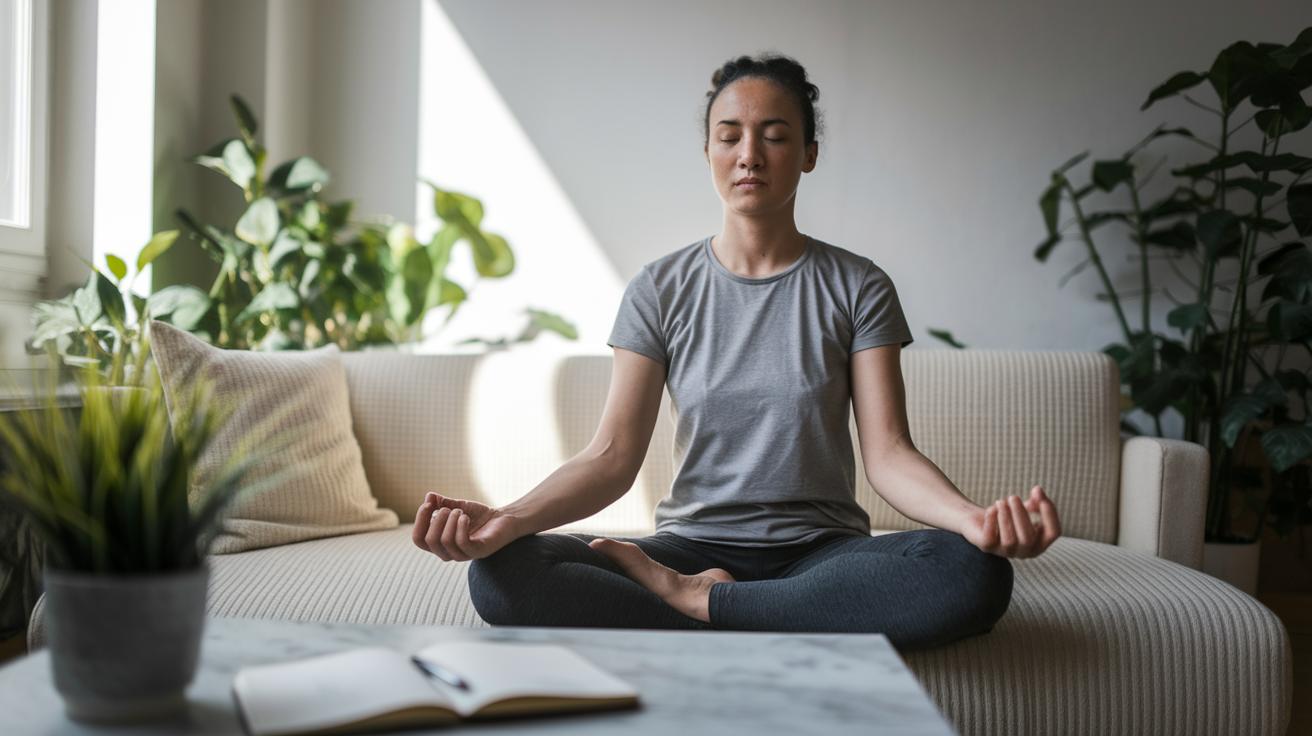
Take 5 minutes for a guided session. Sit in a comfy spot, close your eyes, and focus on your breath. If your mind wanders, gently notice it and bring your attention back to your breathing. This small break can ease anxiety and steady your mood.
Positive Self-Talk Exercises
When negative thoughts arise, try replacing them with supportive ideas. For instance, change “I can’t handle this” to “I am learning to manage my stress.” Use these four steps:
- Spot the negative thought.
- Question if it’s really true.
- Replace it with a fair, positive thought.
- Repeat the new thought to make it stick.
Assertiveness Skills
Learn to express your feelings and needs with clear “I” statements. Follow these steps:
- Start with “I feel…”
- Describe the behavior that bothers you.
- Explain how it affects you.
- Ask for a specific, respectful change.
This approach helps you stay calm and makes sure your needs are understood.
stress management skills bring calm and clarity
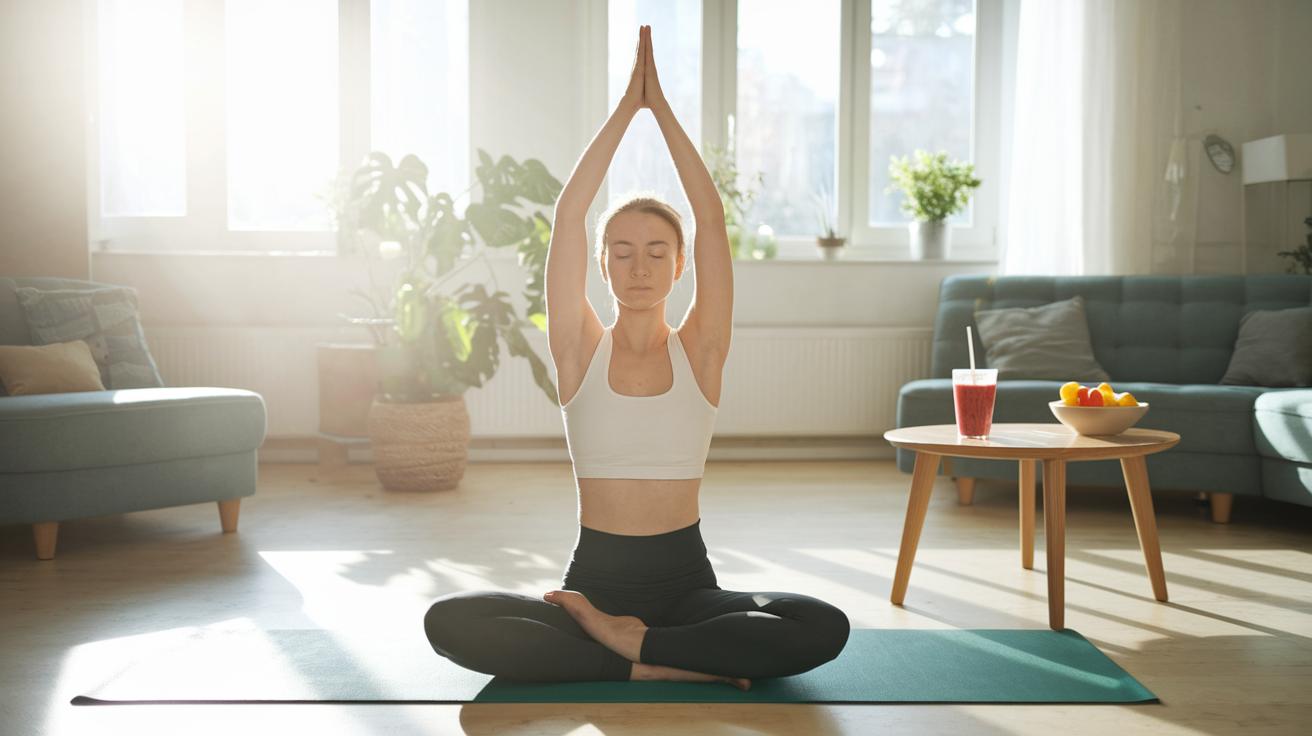
Taking a moment to relax your body can help clear your mind. Simple activities like yoga, tai chi, or a quick workout can lower stress chemicals, ease muscle tension, and even boost your immune system. A short session that leaves you a little warm may help shut off your body's stress alarm and bring calm to your busy day.
Eating a balanced diet also helps keep your mood steady. Fill your plate with fruits, vegetables, whole grains, lean proteins, and healthy fats. These foods help keep your blood sugar steady and prevent spikes in stress hormones. Cutting back on processed items and sugary snacks can stop sudden bursts of anxiety. Also, drinking enough water and enjoying good sleep strengthen your daily calm.
Other methods can add extra help when you need to relax. Techniques like massage, aromatherapy, or guided imagery can boost physical calmness. Imagine listening to a guided story that shows a quiet seashore, it might help you unwind fast after a hard day. Combining these tips with exercise and healthy eating creates a complete plan for a clearer mind, less tension, and a lasting sense of calm.
Building Daily Routines for Long-Term Stress Management Skills
Studies suggest that forming a new habit may take anywhere from 21 to 66 days. Even dedicating a few minutes each day can gradually build a routine that boosts your overall well-being. When you stick with small, regular practices, they help strengthen your ability to cope with stress, improve memory, and keep your mind clear and steady.
Simple daily rituals add up quickly. For example, try a 5-minute morning meditation to set a calm tone for the day. Later, a short, mindful walk at midday can ease tension and refocus your thoughts. In the evening, spend a few minutes journaling or reflecting on your day to grow self-awareness and reduce stress. Adding in progressive muscle relaxation or a quick guided imagery session a couple of times a week can also help you manage challenging moments.
Think of your day with this routine: start with a quiet meditation, take a refreshing mindful break around lunch, and end your day by jotting down a few reflections on how you felt. These small, steady steps build a routine that nurtures calm and resilience, helping you handle pressure and stress more effectively.
Evaluating and Adapting Your Stress Management Skills

Noticing how you handle stress can really change your long-term success. Try keeping a simple journal where you jot down your mood, energy levels, and which techniques made you feel better each day. This small habit turns stress management into an active, ongoing process where you learn what works and let go of what doesn’t.
Use tools you already have, like a notebook, your smartphone, or calendar reminders, to do monthly check-ins. Over time, rating your feelings on a scale from 1 to 10 or using short assessments helps you spot clear patterns. Once you see these trends, you can adjust your methods easily.
Stay open to trying new ideas. Experiment by adding fresh techniques or tweaking those that aren’t helping as much. This flexible approach means your stress management toolkit stays in step with your changing needs, making it easier to handle everyday challenges.
Regularly reviewing what you experience builds a routine that’s both effective and adaptable.
Final Words
In the action, the article breaks down practical approaches to stress management skills. It shows how controlled breathing, mindfulness, physical movement, and structured routines reduce tension and build daily calm.
The guide explains how to spot triggers, switch negative thoughts with positive self-talk, and track your progress. Small, repeatable steps build resilience.
Keep practicing your stress management skills and enjoy every step toward a calmer, healthier life.
FAQ
What are five key stress management techniques?
The five key stress management techniques include controlled breathing, mindfulness, physical activity, time management, and positive self-talk. These methods reduce tension, lower stress hormones, and boost overall mood.
What are some practical ways to cope with stress?
Practical ways to cope with stress involve deep breathing, mindfulness meditation, physical exercise, maintaining a healthy sleep routine, and journaling to track triggers while promoting daily calm.
How can I create an effective stress management plan?
An effective stress management plan involves identifying stress triggers, using tools like mindfulness and physical activity, scheduling relaxation breaks, and consistently reviewing your progress for ongoing improvements.
What are some common stress management tools and therapies?
Common stress management tools include guided meditation apps, yoga, journaling, and positive self-talk exercises. Therapy, such as cognitive-behavioral therapy, can help reframing thoughts and managing stress effectively.
What are the 5 R’s of stress management?
The 5 R’s of stress management typically refer to recognizing stress, reacting with calm, reframing negative thoughts, releasing tension through physical relief, and restoring balance with healthy routines.
How can I relieve stress quickly?
You can relieve stress quickly by taking a brief 5-minute deep breathing break, going for a short walk, or practicing a quick mindfulness exercise to lower tension and achieve immediate calm.