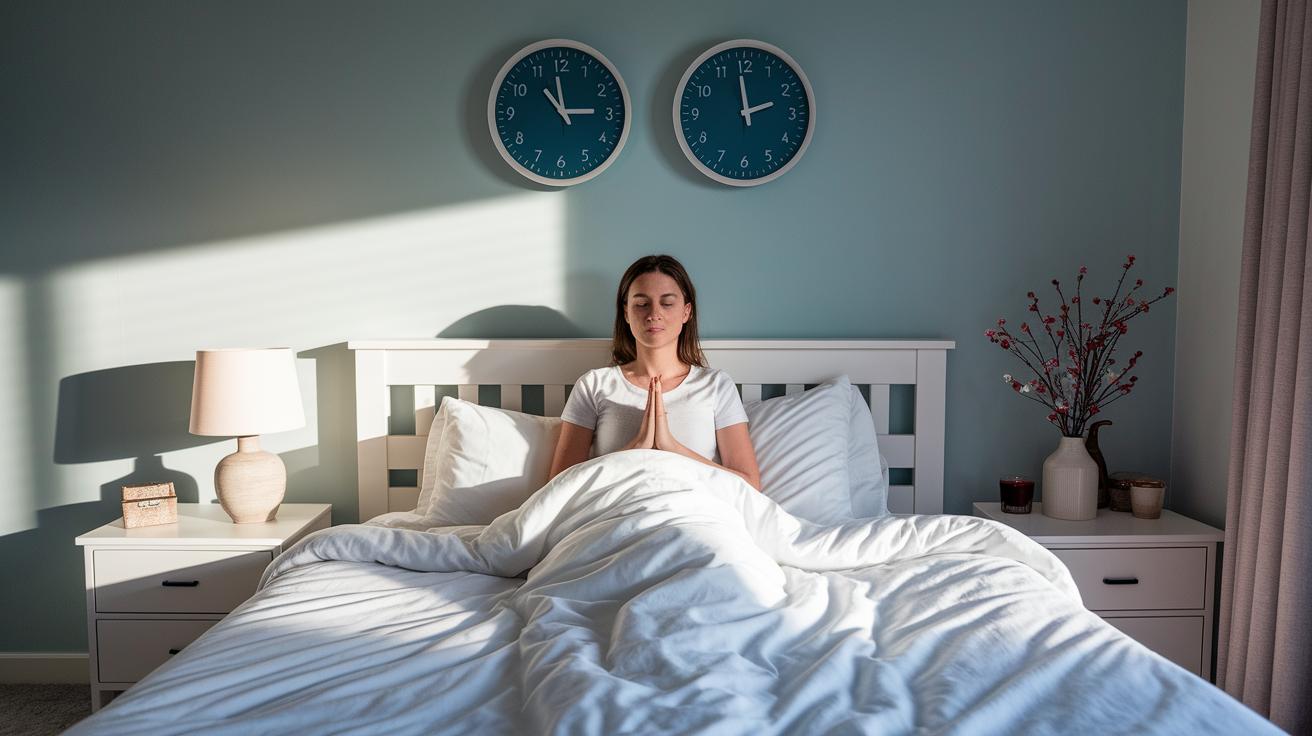
Ever thought there might be a smarter way to sleep? Biphasic sleep means splitting your rest into two parts: a main sleep of 4-6 hours at night and a nap of 1.5-2 hours during the day. This sleep pattern was common before electric lights changed our nights. It can help clear your mind and free up extra time for creative projects or quiet reflection. In this post, we'll show you how this natural sleep rhythm can boost your overall rest.
Biphasic Sleep Schedule: Boost Your Rest
Biphasic sleep splits your nightly rest into two parts. You might sleep for about 4–6 hours at night and then take a nap lasting around 1.5–2 hours. This is a different approach compared to the typical 7–9 hours of continuous sleep.
In days gone by, people naturally slept in segments. They’d go to bed between 8:00 PM and 10:00 PM and sleep until about midnight or even 2:00 AM. Then they’d use the next 1–2 hours for quiet activities like lighting a fire, chatting, or doing some light chores. After this wakeful break, they’d return to sleep until dawn. This pattern was common well before electric lights changed how we rest.
Here’s what you can expect with a biphasic schedule:
| What It Involves | Details |
|---|---|
| Core Sleep | About 4–6 hours at night |
| Nap | 1.5–2 hours during the day |
| Historical Roots | First sleep starting between 8–10 PM |
| Sleep Cycles | Supports natural non-rapid and rapid eye movement stages |
| Flexibility | Extra time for creative tasks or personal reflection |
If you prefer a structured yet flexible routine, this schedule might be a great fit. It not only taps into natural sleep patterns but also frees up a few extra hours for creative work, reflection, or catching up on tasks, just make sure your total rest meets your body’s needs.
Historical Roots of Biphasic Sleep Schedule
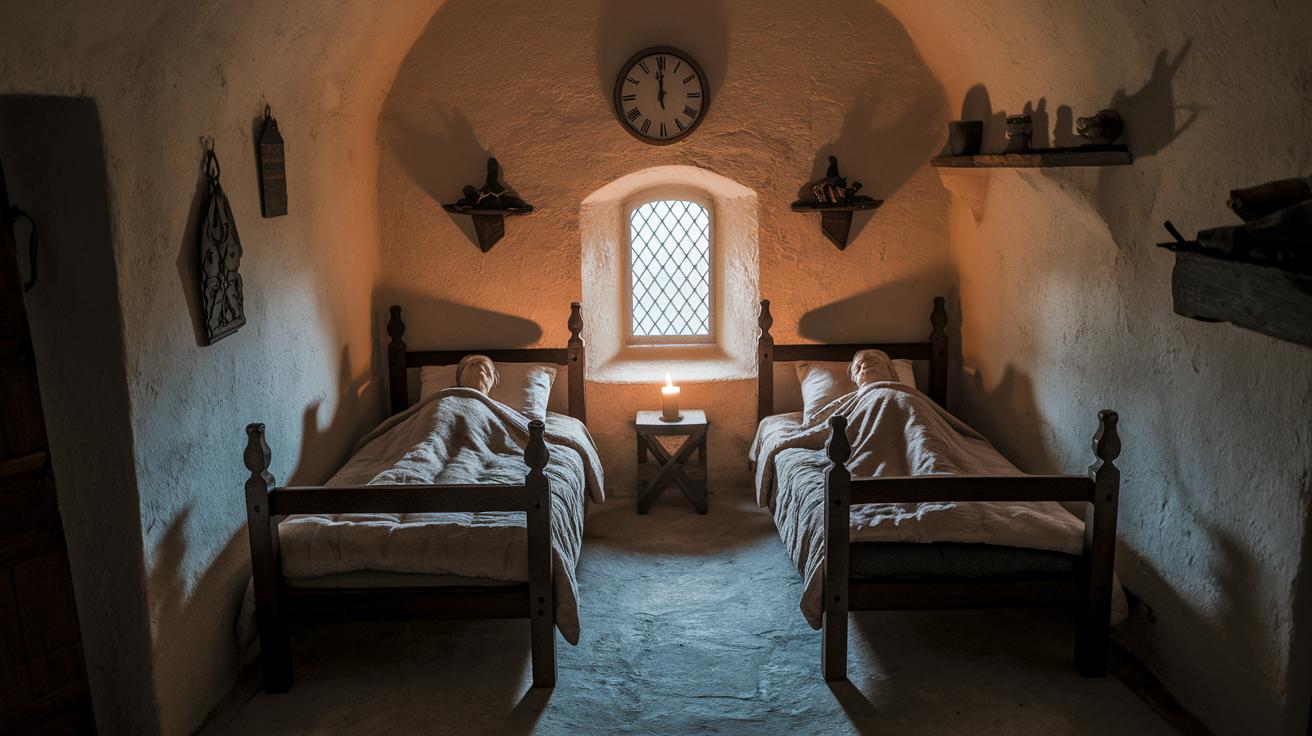
Before electric lights, people often split their sleep into two parts. Medieval records tell us that many enjoyed a "first sleep" from about 8:00 PM until midnight, then stayed awake for important tasks.
During the wakeful period, folks would:
- Do household chores
- Offer prayers or spend time in quiet meditation
- Chat with family members
- Enjoy a moment of reading or personal thought
Over time, with modern work schedules and the advent of artificial light, our sleep shifted to one continuous block, a change that’s explained in later sections.
Biphasic vs. Monophasic and Polyphasic Patterns
Sleep patterns show how we balance work, play, and our natural body rhythms. Many people follow a monophasic schedule, getting one solid stretch of sleep for about 7–9 hours. This is common for those with regular work hours. Some choose a polyphasic method, like the Uberman schedule, which uses several short naps that add up to less than 4 hours, but this approach needs very careful timing. Then there’s biphasic sleep, where you split your sleep into two parts: a main sleep of about 4–6 hours and a nap lasting around 1.5–2 hours, totaling roughly 6–7.5 hours. This way, you still catch the deep, important sleep phases if you sleep long enough.
Each pattern comes with its own ups and downs. Monophasic sleep might support a steady internal clock, while polyphasic schedules force your body to adjust quickly. Biphasic sleep offers a balance, giving you a bit of flexibility along with recovery.
| Sleep Pattern | Total Duration | Key Characteristics |
|---|---|---|
| Monophasic | 7–9 hours | One solid block; common and straightforward |
| Biphasic | 6–7.5 hours | Main sleep plus a nap; follows natural split cycles |
| Polyphasic | <4 hours | Multiple short naps; requires very exact timing |
Choosing the best sleep pattern depends on your daily routine and body needs. If you have a fixed work schedule, sticking with monophasic sleep might be easiest. But if you naturally feel like taking a break, a biphasic setup could work well. While polyphasic sleep is an interesting idea, its strict timing may not suit everyone’s recovery needs.
Benefits and Drawbacks of a Biphasic Sleep Schedule
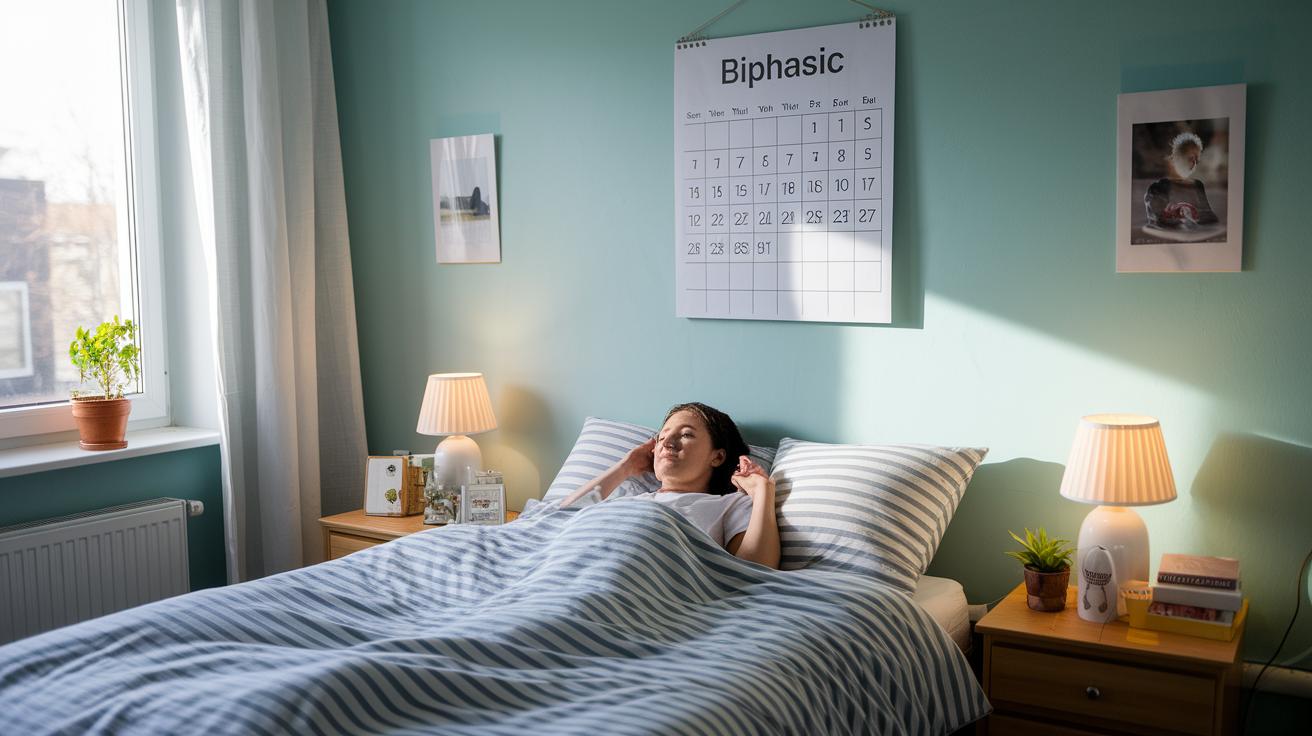
A biphasic sleep schedule splits your sleep into a main rest and a shorter nap. This method may help you feel more alert and give you extra time during the day. It can also support memory and stress control, and you might find time for a short break to relax or be creative. At the same time, your body might struggle with this change. Splitting sleep can lead to broken sleep if the total hours are too low, which might cause tiredness, mood swings, or trouble fitting into a regular work or social schedule. Try making changes slowly and keep a close eye on how you feel.
-
Improved focus and sharper mental clarity
-
More flexibility for daily tasks and activities
-
Better memory storage with split sleep periods
-
Smoother stress control and possible metabolic benefits
-
Extra time for creative or quiet moments
-
Risk of broken sleep hindering deep rest
-
Challenges matching social or work schedules
-
A tough transition period while your body adjusts
-
Possibility of too little sleep causing fatigue
-
Mood swings or other issues from irregular sleep times
How to Transition to a Biphasic Sleep Pattern
Changing your sleep schedule slowly makes a big difference. Instead of switching overnight, take small steps to move into a biphasic sleep routine. By tweaking your sleep and wake times gradually, you'll lower the risk of feeling exhausted or off-track.
- Shift your bedtime 15–30 minutes earlier each night. This steady change sends a clear signal to your body that it's time to wind down.
- Add a daily nap lasting 60–90 minutes, ideally 6–8 hours after your main sleep starts. Keeping this nap at the same time each day helps your body know when to expect that extra rest.
- Make your sleeping area dark and quiet. Try blackout curtains, a sleep mask, or white noise to block out distractions.
- Track your sleep with a log or wearable device. This helps you see your progress and adjust your schedule if needed.
- Stick to the same sleep and nap times every day, even on weekends. Consistency reinforces your new rhythm.
- Give yourself 2–4 weeks to adapt. Be patient, check in on how you feel, and tweak your routine until it feels right.
Personalization and Maintenance Strategies for Biphasic Sleep
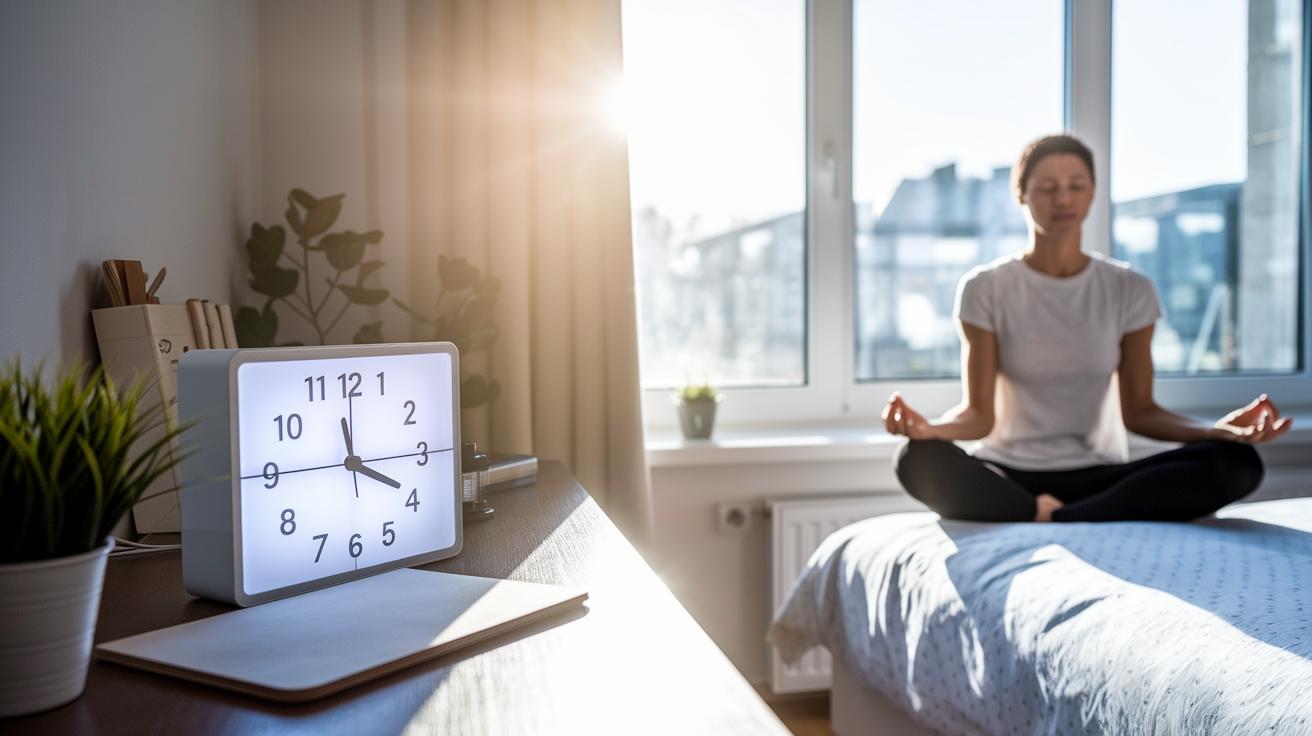
Everyone’s sleep pattern is different, so it helps to work with your natural rhythm. Your body clock (chronotype) tells you when you feel most awake or tired, which can guide you on the best times for your main sleep and a nap. Adjust your sleep and nap lengths based on how you feel during the day. Try using light exposure as a cue for waking up, enjoy your caffeine early, and do a brief calming activity before your nap to keep your sleep routine steady.
- Experiment with different nap lengths until you find what makes you feel refreshed.
- Get some natural light or use a light box in the morning to set your wake-up time.
- Plan your caffeine breaks so they boost your energy during your wake periods.
- Set aside a weekend or a day off now and then to fine-tune your sleep schedule.
Keep track of your sleep with a log or a wearable device. Observing how changes affect your energy levels can help you figure out what works best for you. This simple process of testing and adjusting makes your biphasic sleep routine more personal and easier to stick with day by day.
Real-World Use Cases and Cultural Examples of Biphasic Sleep
In Spain and Greece, people often enjoy a short nap in the middle of the day. This simple siesta mirrors the idea of sleeping in two parts, one long sleep and one quick nap, to help manage tiredness and keep energy levels up.
Today, many folks try this split sleep pattern to match their natural body clock while balancing work and fun. For example, creative entrepreneurs often combine a solid night’s sleep with a refreshing afternoon nap to sharpen their thinking and boost energy.
• Entrepreneur: Keeps a set nighttime sleep routine and takes a midday nap to spark fresh ideas.
• Shift nurse: Uses a quick nap between irregular work hours to stay alert on long shifts.
• Remote worker: Plans a short nap during the day to ease screen fatigue and stay productive at home.
These examples show that splitting sleep can work for many different lifestyles. Whether you’re following a long-held cultural practice or adjusting to modern work demands, dividing sleep into two segments can be a flexible way to rest better and feel more focused throughout the day.
Health Considerations and Professional Guidance for Biphasic Sleep

Studies show that splitting sleep into two parts can boost your memory and help you handle stress. Still, many sleep experts say that 7–9 hours of uninterrupted sleep is best for a good night’s rest. While a split sleep schedule might work for some, people with insomnia, heart conditions, or irregular work shifts need to be extra cautious. It's wise to check your sleep patterns regularly and listen to your body, as everyone responds differently.
- Talk to your doctor if sleep disruptions leave you feeling constantly tired or affect your mood.
- Try using a sleep tracker to keep an eye on your rest quality.
- Watch for signs like increased daytime sleepiness or trouble focusing.
- If you notice problems, adjust your sleep times gradually and under professional guidance.
Remember, it's important to review your sleep routine often and seek expert advice if things feel off. Even if a biphasic sleep pattern seems to match natural rhythms, getting professional guidance ensures your routine supports long-term health. Keeping regular tabs on your sleep logs can help you know when to make small changes that work best for your body.
Final Words
In the action of exploring a biphasic sleep schedule, this article outlined its history, key characteristics, and practical steps to gradually transition. You saw how split rest can offer flexibility while balancing benefits against potential challenges.
The guide also emphasized personalization, including tips on tracking and adjusting your routine. Small, positive changes can lead to better rest and improved daily performance. Embrace this approach and see how a biphasic sleep schedule may support your well-being.
FAQ
Q: Is biphasic sleep healthy?
A: The biphasic sleep schedule can be healthy for some people. It may lead to improved focus and flexibility but may also be challenging to adjust. Always consider your individual sleep needs.
Q: What is biphasic sleep?
A: The biphasic sleep refers to dividing your rest into two parts—a longer core sleep and a shorter nap. It’s a pattern that was common before artificial lighting.
Q: What is the best biphasic sleep schedule?
A: The best biphasic sleep schedule usually includes a core sleep of 4–6 hours and a nap of 1.5–2 hours. Experiment with timing to discover what fits best with your lifestyle.
Q: What do we know about biphasic sleep history and medieval practices?
A: The biphasic sleep pattern has deep roots, with medieval accounts describing a first sleep followed by a wakeful break and then a second sleep. Modern electric lighting shifted routines away from this traditional model.
Q: Is it okay to sleep 4 hours twice a day?
A: Sleeping 4 hours twice a day represents a form of biphasic sleep. Whether it works well for you depends on your overall sleep needs, lifestyle, and how your body responds.
Q: What is the story behind the biphasic sleep myth?
A: The biphasic sleep myth claims that split sleep is unnatural. However, historical evidence and modern research show that segmented sleep can be a natural pattern for many people.
Q: What insights does Biphasic Sleep Reddit offer?
A: Biphasic Sleep Reddit discussions share real-life experiences, highlighting both potential benefits like enhanced flexibility and challenges such as scheduling conflicts with everyday life.
Q: What does segmented sleep mean?
A: Segmented sleep is another term for biphasic sleep, meaning your sleep is split into two distinct periods rather than one continuous block.