
Ever wondered if there's an ideal sleep rhythm for your six‐month‐old? Imagine your little one settling down easily, with naps and bedtime feeling calm and predictable. At six months, your baby needs about 14 hours of sleep each day, and a steady plan can make all the difference. In this post, we share a few easy sleep schedules that help create a balanced routine. Try a small change in timing today, and you might find your days happier and nights quieter for both of you.
Typical Sleep Schedule for a Six-Month-Old
A six-month-old baby usually needs around 14 hours of sleep each day. That often means about 11 to 12 hours at night and 2.5 to 3.5 hours of naps during the day. Most babies at this age take three naps: two longer ones lasting about 60 to 90 minutes, and a shorter one of 30 to 45 minutes in the late afternoon.
When it comes to staying awake, babies at this age can be alert for roughly 2 to 3 hours at a time. In the morning, the awake period might be closer to 2 hours and then extend to 2.5 or even 3 hours later in the day. This gradual increase helps build the need for sleep so that bedtime becomes easier. Often, bedtime falls between 7:00 and 8:00 pm. For example, a baby might wake up at 7:00 am, have the first nap around 9:00 am, enjoy a second nap before noon, and then a brief afternoon nap before settling down for the night.
Keeping a steady routine is very helpful. Watch for signs like yawning, rubbing eyes, or fussiness as hints that your baby is ready to sleep. This predictable pattern supports your baby's development of a balanced sleep routine, making it easier for both daytime naps and a peaceful night’s sleep.
Sample Three-Nap and Two-Nap Schedules for a Six-Month-Old

When your baby is six months old, a steady daily routine can make life easier for everyone. One option is the three-nap schedule. In this plan, your little one wakes up at 7:00 am, takes the first nap at 9:00 am for 60 to 90 minutes, then naps again around 12:30 pm for a similar amount of time. A shorter nap of 30 to 45 minutes follows at 4:00 pm. This routine usually leads to a bedtime around 7:15 pm and gives a total of about 14 hours of sleep.
If the three-nap schedule seems a bit too structured, you might try the two-nap approach. Here, the baby still wakes at 7:00 am but takes the first nap a little later, at about 9:30 am, lasting around 90 minutes. A second nap kicks in at 2:00 pm for about 90 minutes, with bedtime shifting slightly later to around 7:30 pm. This option still aims for nearly 14 hours of sleep and might suit babies who are ready for fewer naps.
| Schedule Type | Wake Time | Nap Times & Durations | Bedtime | Total Sleep |
|---|---|---|---|---|
| Three-Nap Plan | 7:00 am |
|
7:15 pm | ~14 hours |
| Two-Nap Plan | 7:00 am |
|
7:30 pm | ~14 hours |
Both plans allow room to adjust. Look for signs like yawning or fussiness, and feel free to tweak the nap lengths and wake times to suit your baby’s needs.
Wake Windows and Nap Transitions in a Six-Month-Old’s Schedule
At six months old, most babies can stay awake for about 2 to 3 hours at a time. In the morning, you might notice that your little one is comfortable with around 2 hours of wakefulness; as the day goes on, this period can naturally stretch to 2.5 or even 3 hours.
Watch for signals like yawning, rubbing eyes, or light fussiness. If you see these signs, try extending the wake time slowly , adding 10 to 15 minutes over a few days can make a real difference.
Think of this change as fine-tuning an instrument. Small, steady adjustments can help your baby move from taking four naps to enjoying three longer, more refreshing sleep periods.
For more ideas, consider comparing this plan with a four-month-old sleep schedule. This gradual extension of wake windows can lead to smoother transitions and better overall sleep for your baby.
Establishing a Bedtime Routine in Your Six-Month-Old’s Sleep Schedule

A steady bedtime routine helps your baby know that sleep is coming soon. Begin the calming routine between 7 and 8 pm to gently signal it's time for rest.
-
Start with a soothing bath or a gentle wipe-down. Keep the room comfortably warm and dim the lights. Picture a warm 5-minute bath that helps change a busy day into a quiet moment.
-
Move on to a quiet feeding time. Use soft lighting and keep distractions to a minimum so your baby feels safe and cozy during this nourishing step.
-
Read a short story or sing a lullaby. A familiar tale or gentle melody for a few minutes can let your baby know that it’s time to relax.
-
Rock or cuddle your baby gently until they seem drowsy. This comforting touch builds a sense of security and readiness for sleep.
-
Place your baby in the crib while still drowsy. This practice helps them learn to settle on their own, much like planting a seed in soil so it can slowly grow into a sturdy plant.
By following these steps consistently, you can help tune your baby's internal clock, easing them into more independent, peaceful sleep.
Addressing Sleep Regression and Night Waking in a Six-Month-Old’s Schedule
Around six months, your baby might start having shorter naps and waking up more during the night. This change, often linked to growth spurts, teething, or other new developments, is normal and temporary. It shows that your little one is growing and adjusting.
Keep your baby’s sleep routine steady during these times. Try to stick with wake windows of about 2 to 3 hours. For instance, if you notice your baby yawning, rubbing their eyes, or getting more fussy, it might be a signal that it’s time for a nap or a calming bedtime routine. Consistent sleep cues help reassure your baby and ease the shift back to a regular sleep schedule.
When your baby wakes at night, offer gentle comfort with minimal fuss. Use a soft voice and low lighting to keep things calm. Avoid changing the routine or introducing new sleep habits during these periods, consistency is key. Small, steady steps can help your baby adjust and settle into a calm, happy sleep rhythm.
Sleep Training Methods for a Six-Month-Old’s Schedule
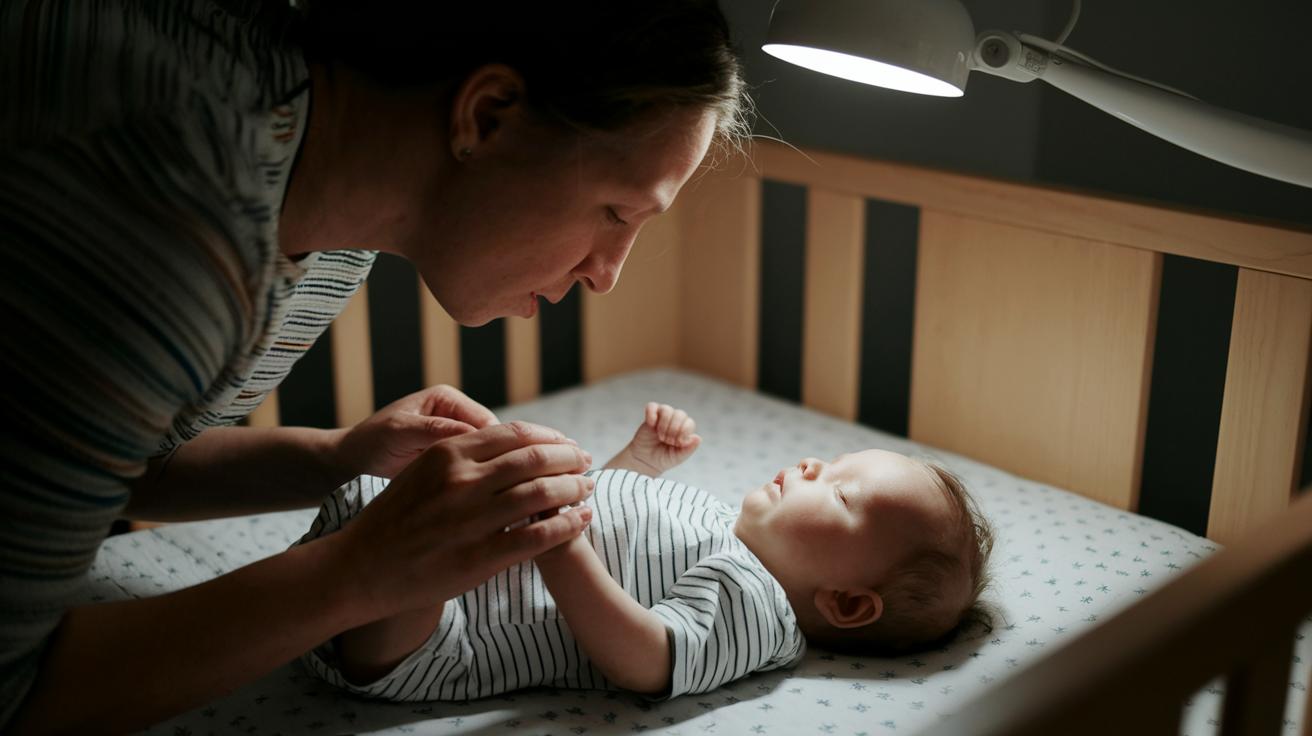
Sleep training at six months helps your baby learn to fall asleep on their own while still feeling comforted by you. One popular approach is Cry It Out. In this method, you gently place your baby in the crib when they are drowsy and let them try to settle by themselves. Start by checking on your baby after a short period, say, 3 minutes. Then, if needed, extend the waiting time gradually. For example, after the first check-in, wait 5 minutes before checking again. This slow build-up helps your baby learn self-soothing without feeling overwhelmed.
Another option is the Pick Up/Put Down method. If your baby starts crying, pick them up briefly to calm them down. Once they are soothed, return them to the crib while they are still awake. This method gives your baby reassurance and encourages them to settle on their own. As you do this, speak softly to them. Consistency is key, so try to respond the same way each time, maybe even use a gentle white noise in the background to create a calming sleep environment.
Each baby is unique, so you might find that a mix of these methods works best for your little one. Adjust routines slowly, like syncing nap times with wake windows, to help build a steady and happy sleep rhythm over time.
Safe Sleep Guidelines in a Six-Month-Old’s Schedule
Follow the American Academy of Pediatrics advice: always put your baby to sleep on their back until they are 12 months old. This easy change can lower the chance of sleep-related injuries. Use a firm mattress with a fitted sheet. Also, keep the crib free of loose blankets, stuffed animals, or any other items that could block breathing. Think of the crib as a blank canvas where your baby can have safe and peaceful sleep.
When your baby begins to roll over, it’s a sign to stop swaddling. Let your little one move freely while sleeping. For the first six months, try room-sharing but avoid bed-sharing. This way, you stay close while keeping a safe space for your baby.
Create a sleep routine that sticks to about 14 hours of sleep each day. Aim for around 11 to 12 hours at night plus 2.5 to 3.5 hours in daytime naps. Consistency in your routine helps your baby get the sleep they need.
Remember, small, safe changes make a big difference for your baby’s growth and well-being.
Final Words
in the action, we explored clear steps for a solid sleep schedule for six month old. We detailed total sleep length, nap lengths, ideal bedtime routines, and safe sleep guidelines. Each section explained how to fine-tune wake windows and ease sleep regression, while offering two practical nap plans. The tips provide you with a simple framework to follow and adjust as your baby grows. Keep experimenting with these ideas, and enjoy the steady progress along the way.
FAQ
What does a typical sleep schedule for a six-month-old look like?
A typical six-month-old’s sleep schedule consists of about 14 hours of sleep in 24 hours, with 11–12 hours at night and 2.5–3.5 hours of daytime naps divided into two longer naps and one shorter nap.
How is a six-month-old sleep and feeding schedule structured, including solids?
A six-month-old’s schedule includes the sleep pattern mentioned along with feeding routines that may now incorporate solids, typically around three meals a day plus breast milk or formula, all tailored by your baby’s cues.
What does a 7-month-old sleep schedule look like?
A seven-month-old’s sleep schedule gradually shifts from six months, often moving toward fewer naps and slightly longer nighttime sleep, maintaining roughly 12–14 hours total sleep daily.
What does a 12-month-old sleep schedule typically include?
A 12-month-old usually sleeps 12–14 hours daily, with a longer nighttime rest of about 10–12 hours and one or two daytime naps that support their growing energy needs.
How does sleep regression impact a six-month-old’s routine?
Sleep regression in a six-month-old can lead to shorter naps and more night awakenings. Maintaining a consistent routine and flexible wake windows often helps ease the disruption during this developmental phase.
How is daytime sleep managed in a six-month-old compared to a five-month-old schedule?
A six-month-old typically has two longer naps and one short nap, while a five-month-old may have more frequent, shorter naps. Shifts in routines depend on the baby’s changing sleep cues and wake times.
What is the 5 3 3 rule for baby sleep?
The 5 3 3 rule for baby sleep suggests a guideline for balancing awake time and naps, although it is not a standardized method and should be adapted based on your baby’s individual sleep needs.
What is the 10 5 3 2 1 rule for sleep?
The 10 5 3 2 1 rule outlines a breakdown of pre-bedtime activities, such as a 10-minute wind down, 5 minutes of calming play, 3 minutes of settling, 2 minutes of quiet rocking, and 1 minute of final soothing before sleep.
Is six months too early for a baby to have two naps?
At six months, many babies begin transitioning to two daytime naps, although some still benefit from a three-nap schedule. It is best to watch your baby’s cues and adjust the schedule accordingly.
What is the 2/3/4 rule for baby sleep?
The 2/3/4 rule for baby sleep generally refers to maintaining around 2 hours of awake time between sleep periods, about 3 naps per day, and aiming for roughly 4 hours of solid nighttime sleep, while recognizing that every baby is unique.