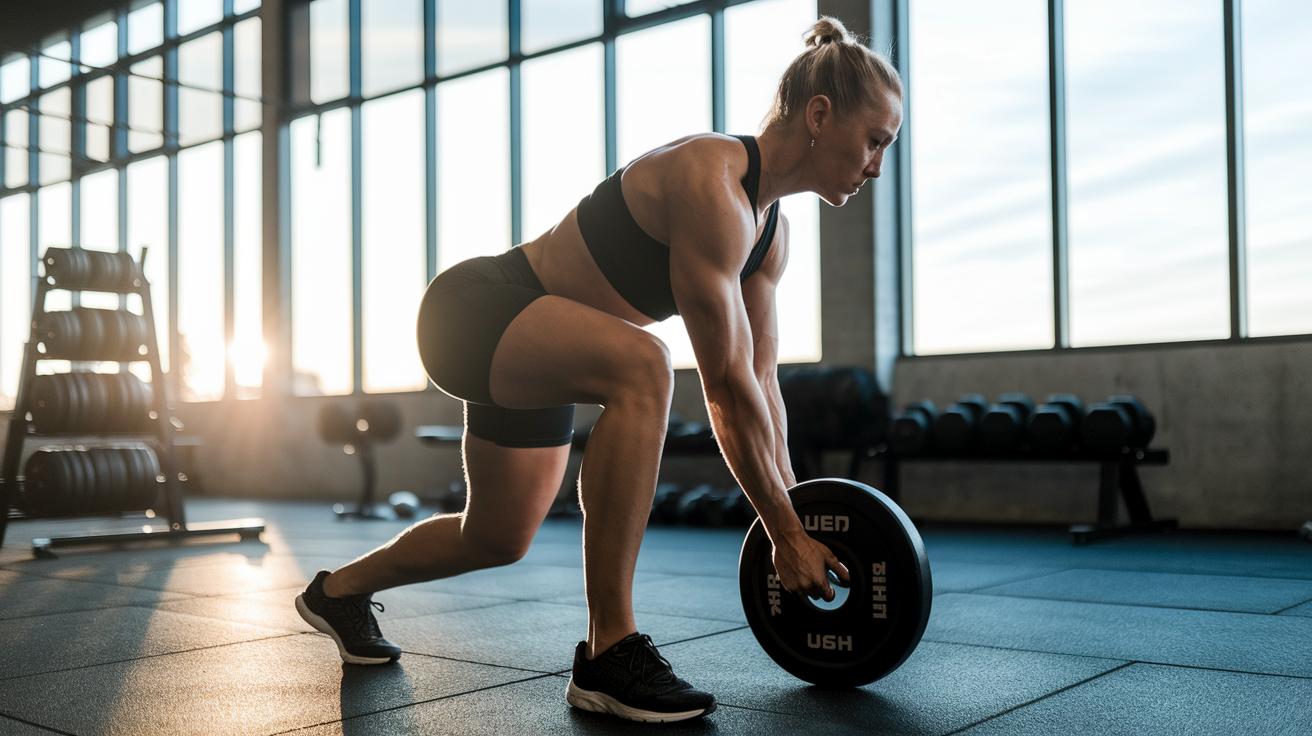
Ever wondered if using a little weight on your side lunges could boost your workout? A dumbbell or kettlebell might seem simple, but it can really challenge your core and build strength. This tweak works your quads, glutes, and the muscles that keep you steady, helping everyday tasks feel easier. Follow our simple steps and try weighted side lunges to build a stronger, more balanced lower body.
Mastering Side Lunges with Weight: A Step-by-Step Guide
Begin with a solid stance. Grab a pair of dumbbells or a kettlebell and hold them securely at your sides while keeping your feet at shoulder width and your core tight. This starting position helps you feel balanced and in control.
- Stand up straight with your chest lifted and your core engaged.
- Shift your weight onto one leg and step wide to the side, keeping your foot flat on the floor.
- As you move, gently push your hips back and bend your knee until it's about 90°, think of it like sitting into a small chair. This helps work your front thigh muscles and buttocks.
- Keep your supporting leg straight and steady, making sure your knee stays right above your ankle.
- With a controlled movement, push off the heel of the stepping leg to return to your starting position. You should feel your back thigh and the front of your hip working as you do this.
- Now, repeat the movement on the other side, always keeping your chest open and your core steady.
If you're just starting out, practice with your body weight until you feel confident with the form. Once you do, try adding weights, like dumbbells (10–20 lbs or about 4.5–9 kg) at your sides or a kettlebell held near your chest. Adding a bit more weight boosts the demand on your quadriceps, glutes, abs, and hamstrings, and it also challenges your balance and core strength with each side shift.
Key Benefits of Side Lunges with Weight for Lower Body Strength
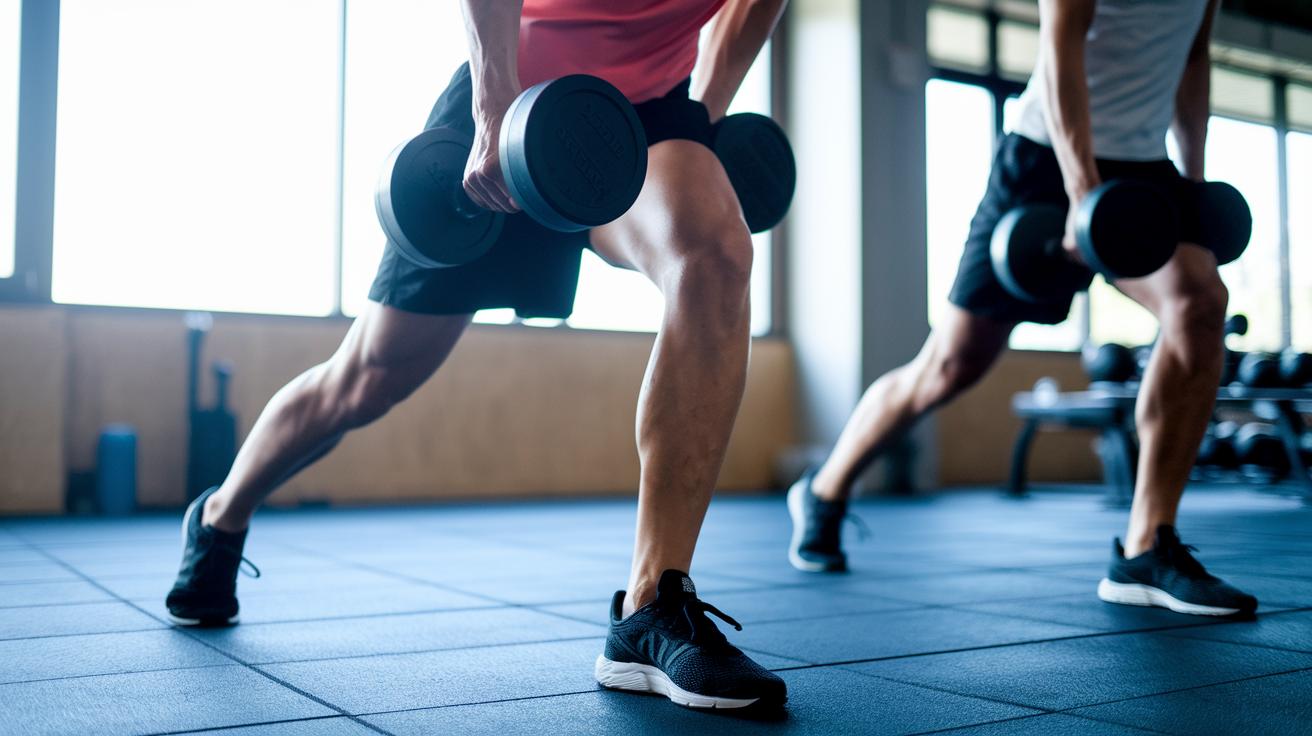
Weighted side lunges work multiple muscles in your lower body. They target your quads, glutes, hamstrings, and the muscles on the side of your hips, while also engaging your core to keep your balance. Think of taking a step out with a dumbbell in each hand, the extra weight makes your glutes and thighs push harder, leading to stronger strides.
Regular practice with added weight not only builds muscle but also sharpens your side-to-side stability. This means everyday tasks like reaching for something high or easily dodging obstacles can become smoother. Plus, these lunges boost hip flexibility and overall athletic performance for anyone, whether you're hitting the gym or just staying active.
Correcting Common Form Errors in Side Lunges with Weight
Many people step too far when doing side lunges, which can make the knee on the supporting leg bend too much. This extra bend stresses your joints and throws off your balance. It can even make your knee collapse inward, which shifts the work away from the right muscles and lessens the exercise’s benefits.
Keep your knee right over your ankle so that it forms a neat 90° bend. Work with a slow, steady pace, avoid any quick, jerky moves that might throw your form off. Keep your chest lifted and your back straight so your upper body stays active. Squeeze your glutes to help keep your hips stable and your alignment on point.
When you watch your step length and focus on alignment, you lower the risk of injury. With better form, every rep works your muscles more efficiently. Over time, this approach not only builds strength but also improves stability, making your workout both safer and more effective.
Advanced Variations and Progressions for Side Lunges with Weight
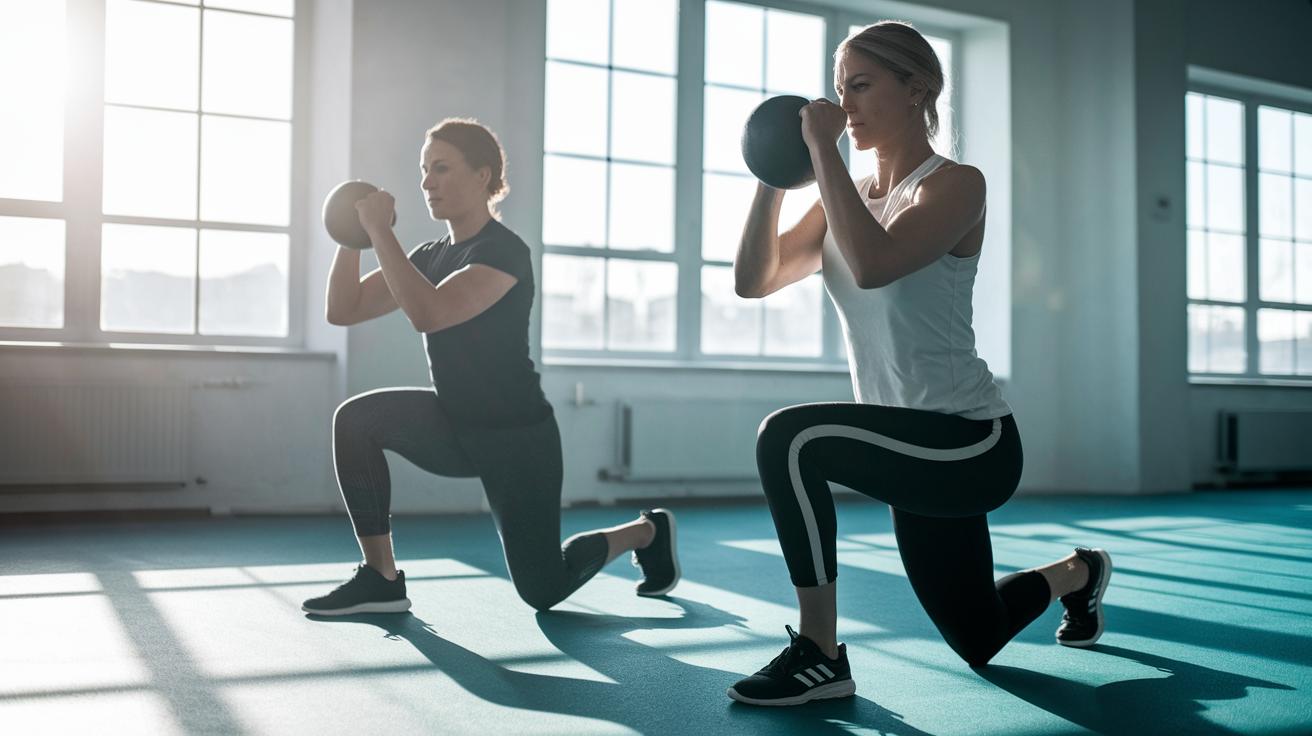
Ready to spice up your side lunges? Try these step-by-step moves that boost strength, balance, and endurance while giving your muscles a fresh challenge.
Kettlebell Lateral Lunge
Hold a kettlebell close to your chest as you step into a lateral lunge. This added weight not only works your legs but also helps engage your upper body and core. It improves your posture and gives your glutes and quads an extra push.
Lateral Lunge to Knee Drive
Step into your lunge and then quickly lift the opposite knee as you return to center. This simple knee lift fires up your core and enhances your balance. It turns a steady move into a dynamic exercise that tests your control and coordination.
Alternating Weighted Lateral Steps
Stand with a dumbbell in each hand at your sides and step from one side to the other continuously. Focus on a steady pace to build endurance and evenly engage the muscles in your legs and core. This move is great for keeping your lower body strong over time.
Plyometric Lateral Lunges
Add a jump as you push off from the lunge to bring some explosiveness to the move. Make sure to land softly and keep your knees aligned properly to protect your joints. This variation is ideal if you're looking to increase lateral power and agility.
Banded Lunge with Glute Pull
Wrap a resistance band around your ankle and perform a lateral lunge while pulling your glute back. This drill focuses on hip stability and activates smaller supporting muscles. The light resistance provided by the band helps prepare your body for more demanding exercises later on.
Mix and match these variations to fit your current fitness level and goals. Experiment over time to steadily improve your strength, stability, and overall athletic performance.
Weight Selection and Progressive Overload in Side Lunges with Weight
Begin your side lunges by practicing with just your body weight. Aim for 8–12 repetitions for 2–3 sets so you can learn the move well. When you feel comfortable with your form, try adding dumbbells that weigh between 5 and 10 lbs (2–5 kg) at your sides. This light weight lets you build balance and strength without overworking your muscles. Think of it like warming up your car in cold weather, slowly adding weight helps your muscles get ready for bigger challenges.
Once you’re ready to move on from bodyweight lunges and initial dumbbell loads, increase your weight by about 5–10% every 2–3 weeks. For example, if you start with 10-lb dumbbells, gradually move up to 11–12 lbs as the exercise feels easier. Stick with each new weight for 4–6 weeks so your muscles have time to adjust. Keeping a workout journal where you record your sets, reps, and weights can be really helpful. It not only guides your progress but also shows you how far you’ve come. For more tips on muscle building, check out "resistance training for muscle growth" at https://bezenn.com?p=637.
Safety Tips and Mobility Enhancements for Side Lunges with Weight
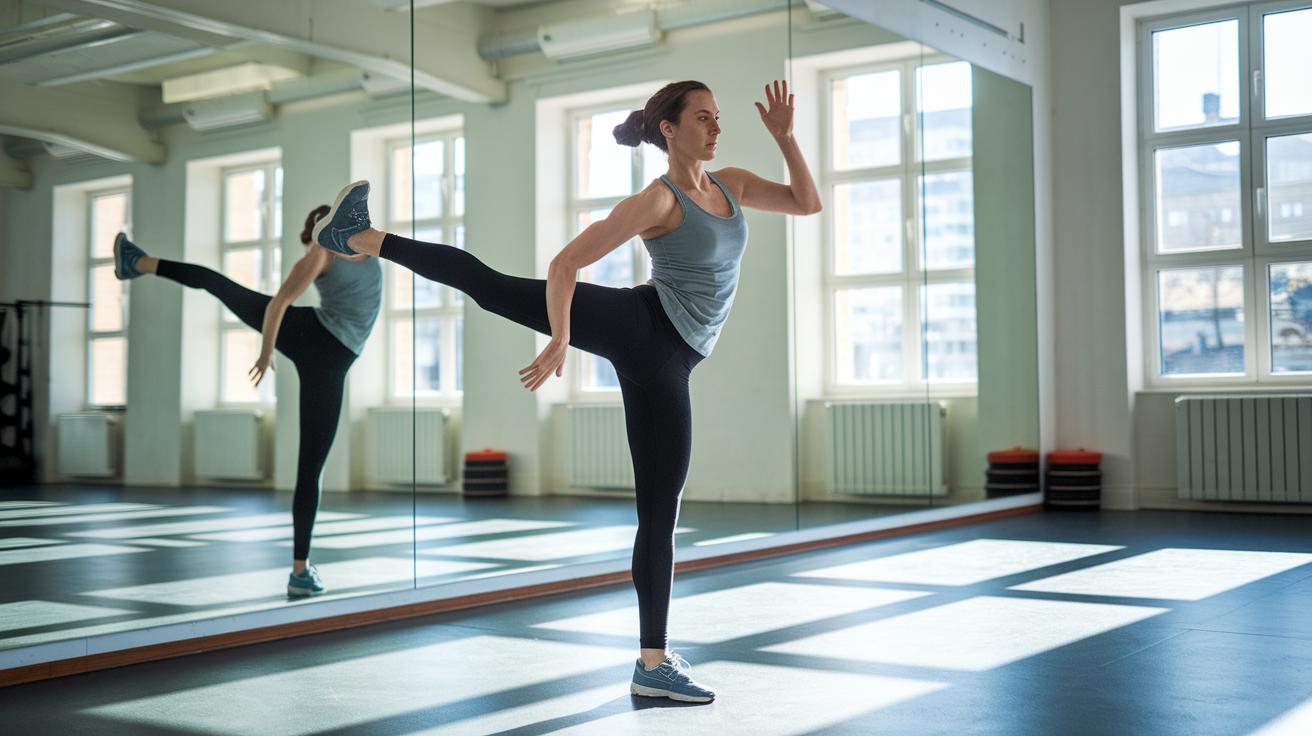
Before you start your lunges, warm up with a few dynamic drills to prepare your hips. Try lateral leg swings and hip circles to loosen your joints. This helps reduce the risk of injury and makes your movements smoother.
Keep your pace slow and controlled when you lower down and rise up. This steady rhythm protects your joints and smooths each motion. It can help to watch yourself in a mirror or record your form so you can see where to make small adjustments.
Balance is key. Make sure to distribute your weight evenly on both legs. This simple step helps reduce knee strain and improves your overall balance during the exercise.
After your workout, spend a few minutes on recovery. Do stretches like hip-flexor stretches to ease any tightness, and add banded side steps to boost your side-to-side mobility. These moves help your muscles relax and get ready for your next session, supporting long-term joint health and stability.
Remember, even small improvements add up to big gains over time. Enjoy each step, and take your time to build strength safely.
side lunges with weight: Boost Strength & Stability
| Routine Level | Exercises | Sets × Reps | Frequency |
|---|---|---|---|
| Beginner | 10 dumbbell side lunges, 15 bodyweight squats, 30-second plank | 1 circuit | 2–3 times each week |
| Intermediate | 12 kettlebell side lunges, 15 goblet squats, 20 banded lateral walks | 3 sets of 12 lunges, 3 sets of 15 squats, 2 sets of 20 walks | 2–3 times each week |
| Advanced | 8 weighted lateral hops, 10 heavy dumbbell side lunges, 30-second side plank (each side) | 4 sets of 8 hops, 10 lunges, 30-second planks | 2–3 times each week |
When planning your workout, think about your current strength and how fast you recover. If you’re new to weighted side lunges, start with the beginner circuit. It helps build balance and lets you master your technique. If you’re more comfortable with exercise, try the intermediate routine. The kettlebell lunges and goblet squats give you a strength boost, while banded lateral walks add extra resistance for your hips and core. For a real challenge, advanced exercisers can use lateral hops and heavy lunges to improve power and agility. Always focus on keeping your form right with each rep. Feel free to adjust the order, rest times, or circuits to fit your own pace and goals. Experiment with small changes and gradually increase weights to see steady progress while keeping your movements controlled and safe.
Final Words
In the action, this guide broke down how to master side lunges with weight. It covered proper stance, clear steps to hit key muscles, and common form adjustments to help you move safely. We also looked at progressions, weight choices, and sample workouts that can fit into even the busiest schedules.
Keep practicing these techniques to build strength and stability step by step. Small changes each day can lead to lasting improvements in balance and power with side lunges with weight.
FAQ
Q: What are side lunges with weights good for?
A: Side lunges with weights build lower body strength, target muscles like quadriceps, glutes, hamstrings, and improve balance through controlled lateral movements that engage the core.
Q: How do side lunges with weights work and which muscles do they target?
A: Side lunges with weights target quadriceps, glutes, hamstrings, hip flexors, and the core by requiring a controlled step to the side with a bent knee and an upright chest, which builds muscle strength and balance.
Q: How to side lunge properly?
A: To side lunge properly, start with your feet shoulder-width apart, take a lateral step, push your hips back, bend the stepping knee to about 90°, keep your chest up, and drive through your heel to return.
Q: What is a Russian lunge?
A: A Russian lunge involves stepping forward into a lunge while rotating your torso, which activates both your core and lower body muscles to improve dynamic strength and mobility.
Q: How to perform a lateral lunge with weight?
A: To perform a lateral lunge with weight, hold a dumbbell or kettlebell by your side or chest, step laterally with one leg, bend the knee while keeping your chest lifted, and push back through your heel.
Q: How can women incorporate side lunges with weights safely?
A: Women can incorporate side lunges with weights by starting with lighter dumbbells, focusing on proper form and knee alignment, and gradually increasing the weight as strength and stability improve.
Q: What benefits do alternating side lunges with dumbbells offer?
A: Alternating side lunges with dumbbells promote endurance and strength by engaging leg muscles and the core continuously, while also enhancing balance and lateral stability with each controlled, alternating step.