
Have you ever wondered if Leonardo da Vinci's secret to creativity was his unusual sleep habit? Some say that instead of long sleeps, da Vinci took quick 20-minute naps to keep his mind sharp and full of energy. Today, we dive into seven intriguing facts about his sleep routine and ask if brief naps might have sparked his creative fire and boosted his productivity. Let's explore the legends and the facts to see if there's a small, practical tip that can help us tackle our own busy days.
Examining Leonardo da Vinci’s Alleged Polyphasic Sleep Schedule
Legends about Leonardo da Vinci’s sleep habits tell us he skipped the usual eight hours at night. Although records are few, some hints suggest he broke his sleep into several chunks instead of one long rest. This idea fits with the image of a Renaissance genius always alert and ready to capture creative sparks. Many writers share this tale to explain his knack for groundbreaking ideas in art, science, and invention.
Some accounts claim that da Vinci took a 20-minute nap every four hours, adding up to roughly two hours of sleep each day. Supporters of this method believe that these short, refreshing rests may have fueled his sharp mind and creative energy. They suggest that even a brief 20-minute break could spark inventive ideas and set him apart from others. This connection between short sleep durations and high productivity still appeals to those looking to make the most of their waking hours.
Even though the story is fascinating, there is little solid proof about da Vinci’s exact sleep routine. No existing notes or diaries confirm it, and early biographies mention his routine only briefly. Modern accounts have expanded on these few references, embedding the idea in popular culture. In the end, the da Vinci sleep schedule remains a compelling, if unverified, example of how creative output might link with unconventional sleep patterns.
Separating Myth from Fact in the da Vinci Sleep Schedule Narrative
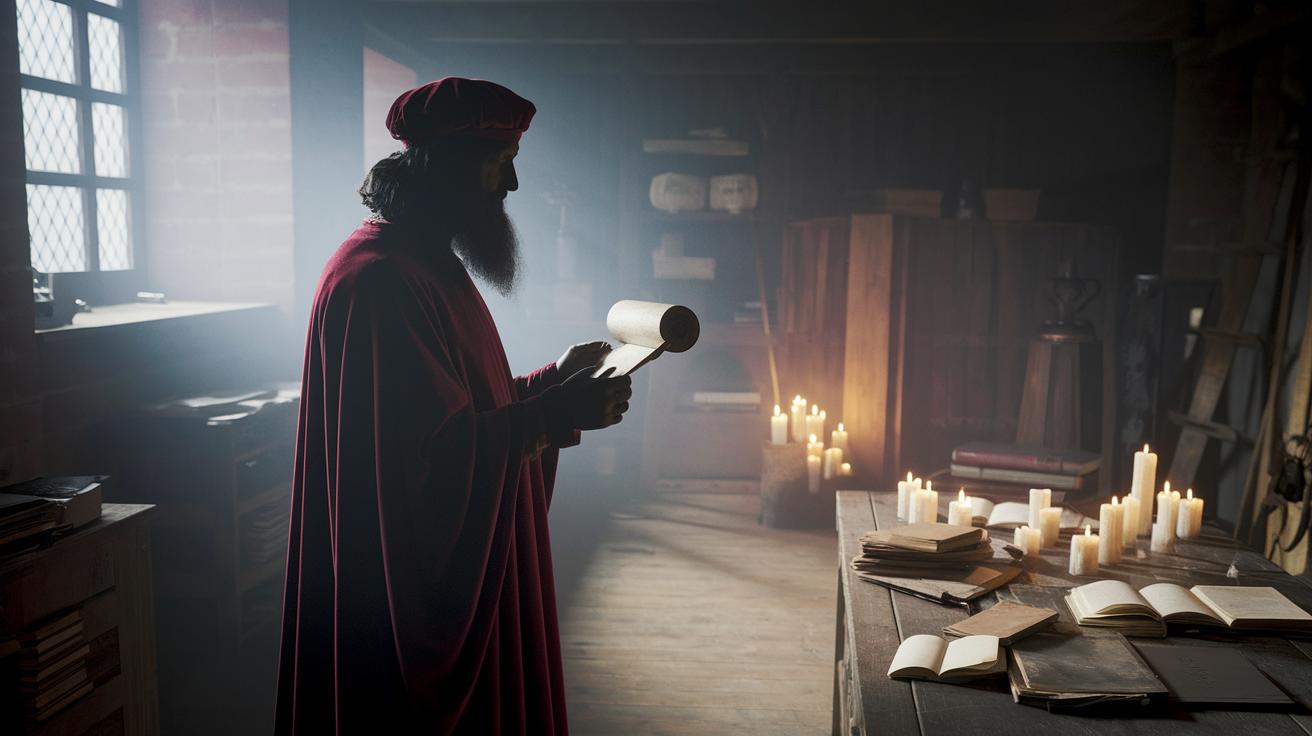
Historical records don't really tell us much about da Vinci's sleep habits. Early writers mentioned his sleep in passing without clear timestamps or firsthand details. One account even described his sleep notes as "more whispers than documented facts," which shows just how mysterious his routine remains.
Later authors took a small detail about him taking brief naps and turned it into a legendary tale of mystical sleep. They made this minor point into a recurring story about genius that today's articles often repeat without digging deeper.
Even now, scholars still debate whether modern terms like polyphasic sleep fit his routine. Some feel the label works even if it doesn't quite match his era, while others argue it oversimplifies a lifestyle from a very different time.
Comparing da Vinci’s Sleep Schedule to Modern Polyphasic Models
Leonardo da Vinci is said to have taken six 20-minute naps every four hours, adding up to about 2 hours of sleep per day. Many turn to ideas like his when looking for ways to boost alertness and spark creativity using shorter, more frequent rests. Modern polyphasic sleep models take this idea and offer different routines that try to balance ease of use with the benefits of quick, refreshing naps.
- Uberman Cycle: Take six 20-minute naps every 4 hours. This keeps total sleep at around 2 hours a day.
- Dymaxion Schedule: Have four 30-minute naps spread out every 6 hours, making up about 2 hours of sleep each day.
- Everyman Cycle: Enjoy one core sleep of 3 hours along with three 20-minute naps, giving you roughly 4 hours of sleep in total.
Da Vinci’s schedule is most like the Uberman cycle since both use several short naps throughout the day to maximize alertness. In contrast, the Everyman cycle mixes a longer sleep period with brief naps, which some find easier to manage for steady energy. Many who try these routines find that while they can boost creative energy, they require a lot of adjustments to daily life. Experimenting with different patterns and keeping track of how you feel are key steps to discovering the best routine for your health and productivity.
Productivity Gains and Health Considerations in Leonardo da Vinci’s Sleep Schedule
Some folks believe that Leonardo's short naps gave him extra hours for art, science, and inventions. Stories tell us that these quick breaks helped him catch sudden bursts of inspiration. Many writers say his sleep style might have allowed him to work more on creative projects. Even without solid evidence, the idea that a few brief rests can spark creativity still inspires many.
Today, people trying different sleep patterns report similar boosts in productivity. They say that planned naps help you stay alert during long work sessions. However, not everyone has the same experience. Some notice sharper focus, while others find it hard to adjust their natural rhythms. Discussions in these communities often focus on how split-up sleep might affect everyday thinking and the need for proper recovery.
Some research shows that very fragmented sleep may come with some downsides. For example, studies on split sleep suggest that it may cut into deep-sleep time, which is important for physical recovery and overall health. Although we don't have definitive proof that a polyphasic sleep pattern leads to long-term health issues, these findings do raise some concerns. Balancing creative benefits with health risks can help you experiment with different sleep schedules more safely.
7 da vinci sleep schedule marvels
If you're curious about a fresh sleep routine, start small. Try a biphasic sleep pattern, which means adding a midday nap instead of switching to a complex polyphasic schedule. Begin by reducing your main sleep by about 60 to 90 minutes and then plan a nap later in the day. Keep track of your progress with a sleep journal or an app, so you can see how your body responds. Experiment with different nap lengths and times until you find a period when you feel most alert.
Pay attention to how you feel. Note any shifts in your energy, mood, and focus, and tweak your schedule accordingly. Boost your natural clock by getting some morning sunlight and dimming lights as your nap approaches. You might even try using sleep calculators to help pinpoint the best time for your nap. Align your naps with moments when you naturally slow down, like right after finishing a task, to help balance creativity with rest.
Final Words
In the action, we reviewed the da vinci sleep schedule and its intriguing historical claims. We looked at the reported 20-minute naps every 4 hours and compared this pattern to today’s modified sleep routines.
We also discussed the mix of creative appeal and caution based on modern health research. Small changes in sleep routines might help boost creativity and productivity. Keep experimenting safely and trust the process, every tiny adjustment can lead to a brighter, more energetic day.
FAQ
Frequently Asked Questions
What was Leonardo da Vinci’s sleep schedule and technique?
The Leonardo da Vinci sleep myth claims he took 20-minute naps every four hours, resulting in about 2 hours of sleep daily, though no direct historical documentation confirms this method.
What is biphasic sleep?
Biphasic sleep involves dividing your sleep into two segments—a longer core sleep and a shorter nap—which may support alertness without the extremes of polyphasic schedules.
How does the Uberman sleep cycle work and is it healthy?
The Uberman cycle uses six evenly spaced 20-minute naps (about 2 hours daily), but its extreme schedule might lead to health challenges and is hard for most people to sustain.
What is polyphasic sleep?
Polyphasic sleep means breaking your total sleep into several short bouts rather than one long period, a method that lacks consistent scientific backing in historical or modern practice.
What is known about Nikola Tesla’s sleep schedule?
Nikola Tesla reportedly slept very little with occasional naps, though descriptions of his routine vary and reliable, detailed records of his sleep pattern remain scarce.
How many hours a day did Leonardo da Vinci reportedly sleep?
Reports suggest Leonardo da Vinci slept roughly 2 hours per 24-hour period through multiple short naps, but historical evidence does not clearly verify these exact figures.
How many hours a day did Leonardo da Vinci work?
Leonardo da Vinci is believed to have maintained an intense work routine with long days, yet historical accounts vary, and there is no precise record of his daily working hours.
What sleep patterns do geniuses reportedly follow?
Some geniuses are said to adopt segmented sleep patterns with several short naps to maximize creative time; however, such routines differ widely and may not suit everyone.