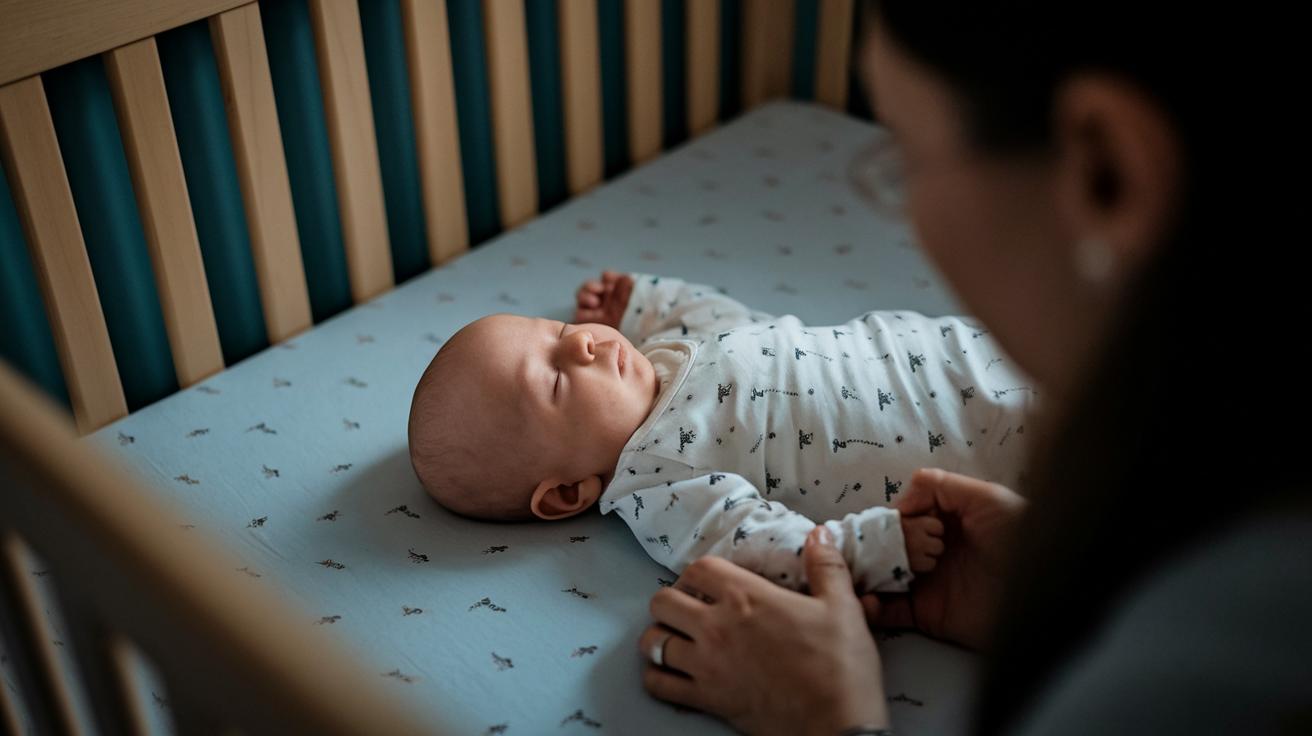
Did you know that a few simple sleep habits can lower your baby's risk of SIDS by half? For parents, this is a clear call to action. Try placing your baby on their back and keeping the crib free of clutter. These steps offer a lighter, safer sleep space and give you peace of mind. In this post, we share easy and practical tips to help you build a secure bedtime routine for your little one. Every small change you make brings your baby closer to a safer sleep environment.
Core Safe Sleep Strategies for Reducing the Risk of SIDS
SIDS happens when a healthy baby under one year old dies without a clear reason. In 2020, nearly 1,389 infants died this way, that’s almost 38 out of every 100,000 live births. Because we still don’t know exactly what causes SIDS, following expert sleep safety tips is very important. Creating a secure sleep area and using these safe sleep strategies each time your baby rests can really help cut down the risk.
- Always put your baby on their back when they sleep.
- Use a firm and flat sleep surface with no soft bedding.
- Keep the crib free of toys, bumpers, and loose blankets.
- Maintain a cool room temperature, about 68–72°F.
- Offer a pacifier during naps and at bedtime.
- Avoid exposing your baby to smoke, alcohol, or drugs.
- Let your baby sleep in your room, but not in the same bed.
- Stick to the well-known immunization schedule.
Using these steps regularly can reduce the risk of SIDS by up to 50%. Small changes, like placing your baby on their back and keeping their sleep area free of hazards, make a big difference. Try to follow these tips every time your baby rests, and take comfort in knowing you’re creating the safest sleep environment possible.
Designing a Secure Infant Sleep Environment to Lower SIDS Risk
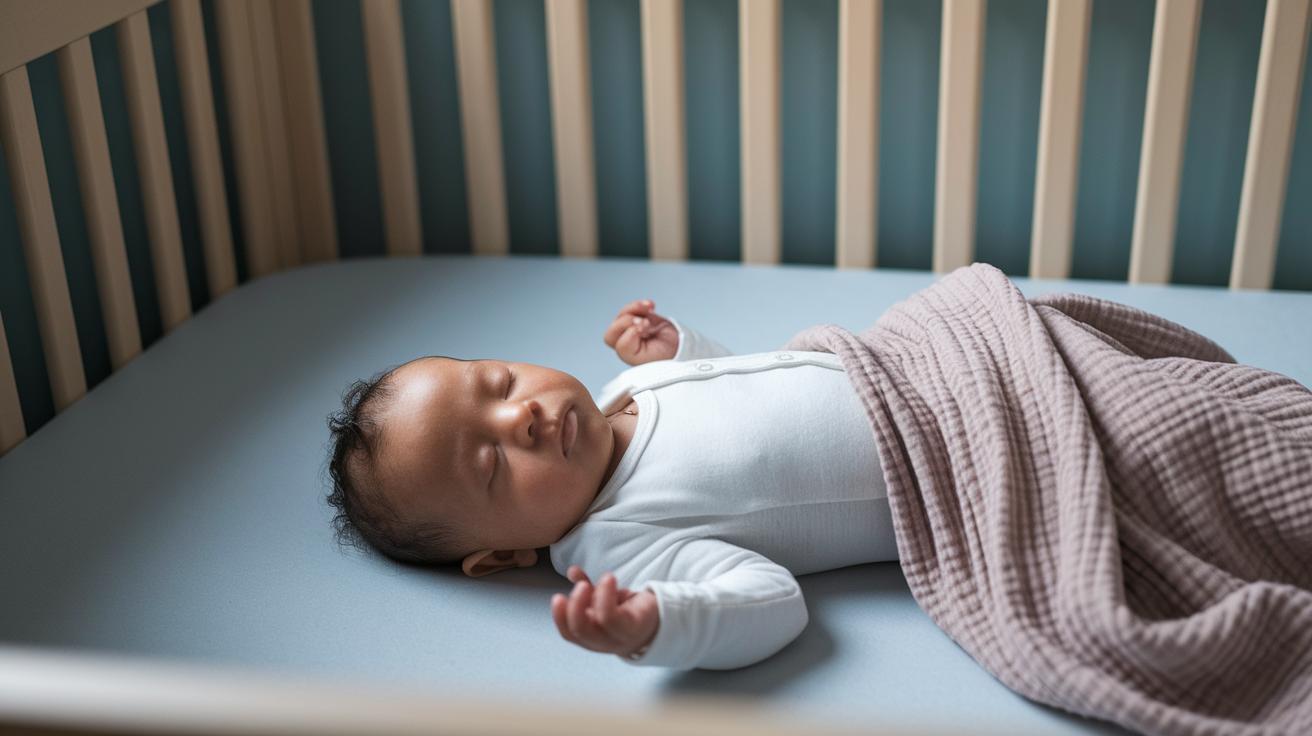
When picking a crib or bassinet, choose one that has official safety approval. This means it meets current certification standards and has been checked for hazards. Always use a firm, flat mattress to support your baby's face and lower the risk of suffocation.
Lay your baby on their back every time they sleep. Avoid sleep positioners or wedges since they don't add safety and can block air flow.
Keep the sleep area simple. Use a wearable blanket and fitted sheet instead of loose bedding like pillows, bumpers, or extra blankets. Also, aim to keep the room between 68°F and 72°F (20°C and 22°C) for a safe and comfortable environment.
Role of Breastfeeding and Pacifier Use in Preventing SIDS
Breastfeeding can help lower the risk of SIDS by about 50%. When a baby feeds at the breast, it follows more natural sleep cycles that make it easier for the baby to wake up. This natural pattern, along with the immune protection from a mother's antibodies, helps the baby fight off infections like RSV. For many parents, breastfeeding is a simple step that brings both nutrition and a safer sleep environment.
Using a pacifier during sleep is another practical tip. It may reduce SIDS risk by somewhere between 23% and 90% by keeping the baby's airway open through improved jaw tone. Experts suggest waiting to introduce a pacifier until breastfeeding is well established. This approach helps ease the baby into a secure sleep cycle while adding an extra layer of safety during naps and bedtime.
Importance of Room Sharing Without Bed-Sharing for SIDS Prevention
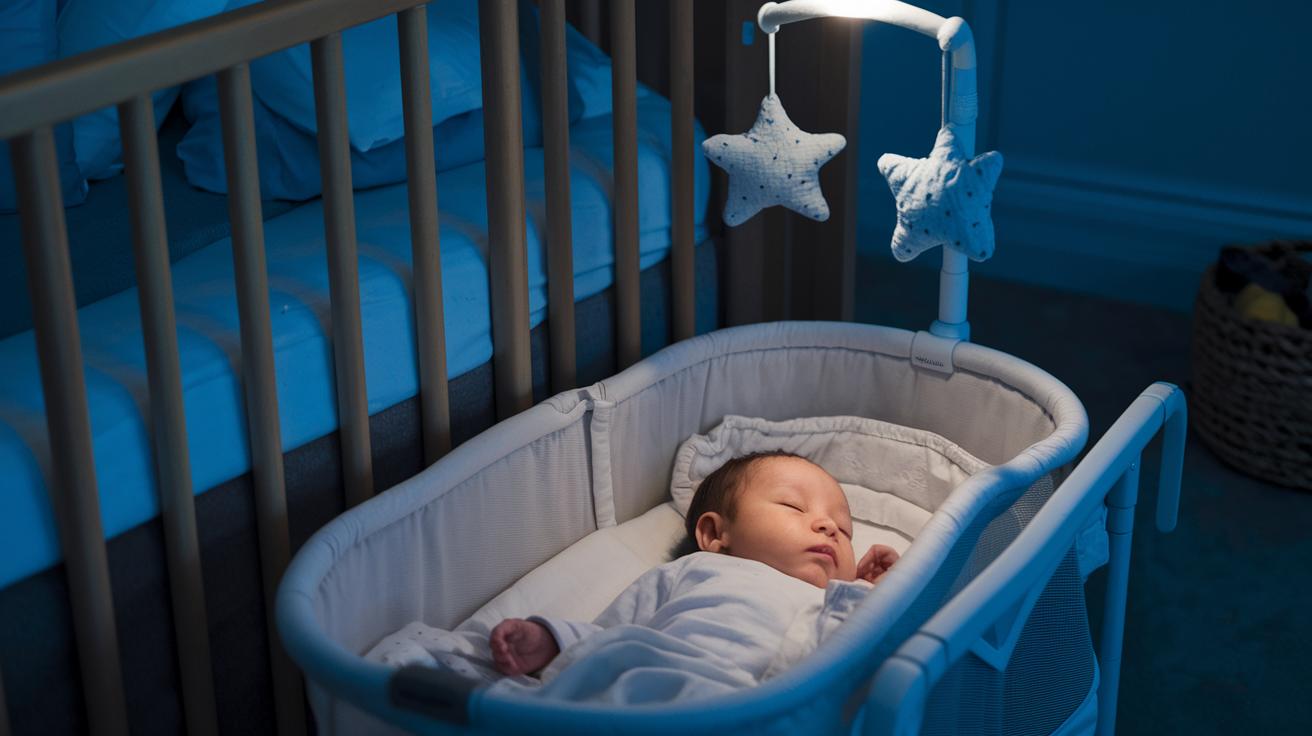
When your baby sleeps nearby in a separate crib or bassinet in your room, you can quickly check on them while keeping them safe. This setup, known as room sharing, is recommended for at least the first 6 months and up to 1 year. Studies show that room sharing may cut the risk of SIDS by nearly 50%, which gives many parents extra peace of mind.
Bed-sharing, on the other hand, brings extra dangers. When you sleep in the same bed, there's a risk that your baby could accidentally be smothered, especially if smoking or alcohol are involved. Keeping your baby on a separate, firm sleep surface helps avoid risks like overheating or blocked airways.
For extra safety, set up a regular sleep routine near your bed. Use a certified crib or bassinet with a firm mattress, and keep the area free from loose bedding or any extras. This simple routine not only creates a safe sleep space but also helps build good sleep habits for your little one.
Caregiver Education and Professional Training on Reducing SIDS
Many healthcare and daycare professionals complete certified training that focuses on safe sleep practices for infants. These trainings often include practical toolkits, like the ones available during SIDS Awareness Month, which keep caregivers updated on the newest guidelines. One example from a toolkit explains that regular refreshers help maintain clear and actionable safety steps, emphasizing the right sleep position and crib setup.
Workshops designed for parents and online modules also play an important role in lowering the risk of SIDS. They give clear, hands-on advice for creating safe sleep spaces and managing known risk factors. By attending a class or exploring simple online resources, caregivers can quickly learn and use the latest techniques to reduce SIDS risk.
Monitoring and Understanding Infant Sleep Patterns and Risk Factors
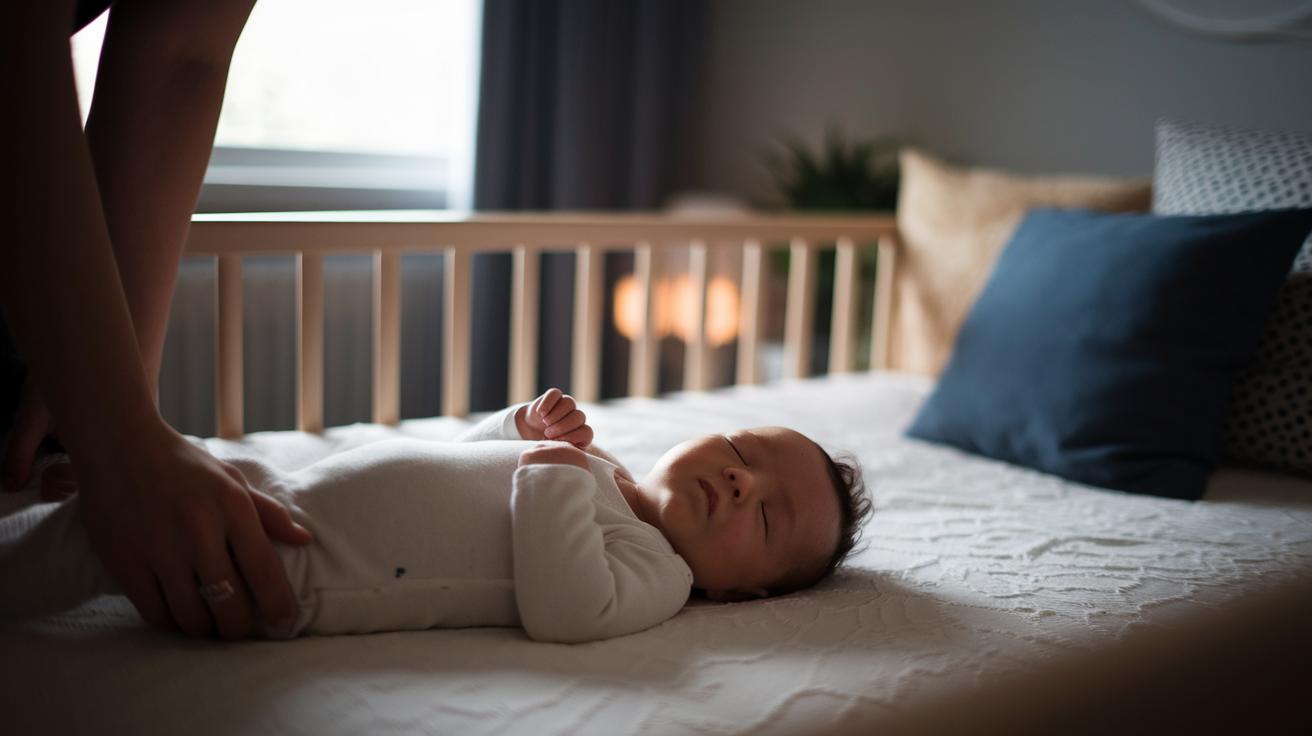
One idea behind SIDS is that multiple factors need to come together to create risk. Imagine a baby who is naturally more vulnerable, going through an important phase of growth, and also facing challenges from their environment. When these factors overlap, the risk for SIDS increases, it’s not just one problem, but a mix of several issues working together.
Babies born too early or with a low weight often have systems that aren’t fully ready to handle changes like breathing or staying warm during sleep. For instance, an underdeveloped body may not manage its temperature well, and exposure to smoke from a mother who smokes can irritate the baby’s airways. All of these issues make sleep safety more challenging.
Parents can take simple steps to keep a closer watch on their baby’s sleep. Using a baby monitor or keeping a sleep journal helps you note down patterns, such as irregular breathing or pauses (known as apnea). If you spot any unusual signs, it’s a good idea to talk with your pediatrician to help ensure a safe sleeping environment.
Final Words
In the action of safeguarding infants, we explored key safe sleep tips. Statistics remind us that following clear guidelines can lower risks. We touched on back sleeping, firm surfaces, room sharing, breastfeeding, and caregiver education, all crucial for reducing the risk of SIDS.
Each step may seem small, yet they add up to a strong defense. Consistent, evidence-backed efforts bring us closer to a safer sleep environment and a brighter, healthier start.
FAQ
How does breastfeeding reduce SIDS?
Breastfeeding reduces SIDS by promoting easier arousals and providing immune support to fight respiratory infections. This natural protection helps lower the risk of SIDS even when other factors are present.
What is SIDS?
SIDS is the unexpected death of an infant under one year old who appears healthy. Its causes remain unknown, so safe sleep practices are recommended to lower risk.
What are five risk factors for SIDS?
Common risk factors include preterm birth, low birth weight, maternal smoking during and after pregnancy, unsafe sleep positions, and an uncontrolled sleep environment with soft bedding or loose blankets.
What is the triple risk model of SIDS?
The triple risk model suggests that SIDS occurs when a vulnerable infant, a critical developmental period, and external stressors combine. This model helps explain why some infants are more susceptible.
What is the SIDS risk reduction age?
The SIDS risk reduction age refers to the first 6 to 12 months, when using safe sleep practices like back sleeping and a firm mattress can significantly lower an infant’s risk.
How rare is SIDS?
SIDS is rare, with about 38 deaths per 100,000 live births. While uncommon, its unpredictable nature makes prevention through safe sleep practices crucial.
Who is at the highest risk for SIDS according to studies?
Studies show that infants with low birth weight, those born preterm, and those whose mothers smoke are at the highest risk for SIDS compared to full-term, non-smoking counterparts.
Does a fan reduce the risk of SIDS?
Using a fan may help circulate air and maintain a cooler room temperature, which can reduce SIDS risk. Always combine fan use with other safe sleep guidelines for complete protection.
What are three ways to reduce the risk of SIDS?
Three effective methods are placing the baby on its back to sleep, using a firm sleep surface free of loose bedding, and ensuring room-sharing without bed-sharing for close monitoring.
What is the 5 3 3 rule for baby sleep?
The 5 3 3 rule outlines a schedule where an infant has about 5 hours of wakefulness, followed by structured periods that include 3 feeds and 3 naps. This routine may help create a stable sleep pattern.
What is the #1 cause of SIDS?
The #1 cause of SIDS remains unknown. SIDS is defined by its unexpected occurrence in healthy infants, and ongoing research continues to explore why it happens.
Why is SIDS so low in Japan?
Lower SIDS rates in Japan may be linked to cultural practices that emphasize back sleeping, minimal bedding, and closely monitored sleep environments, all of which help reduce risk.