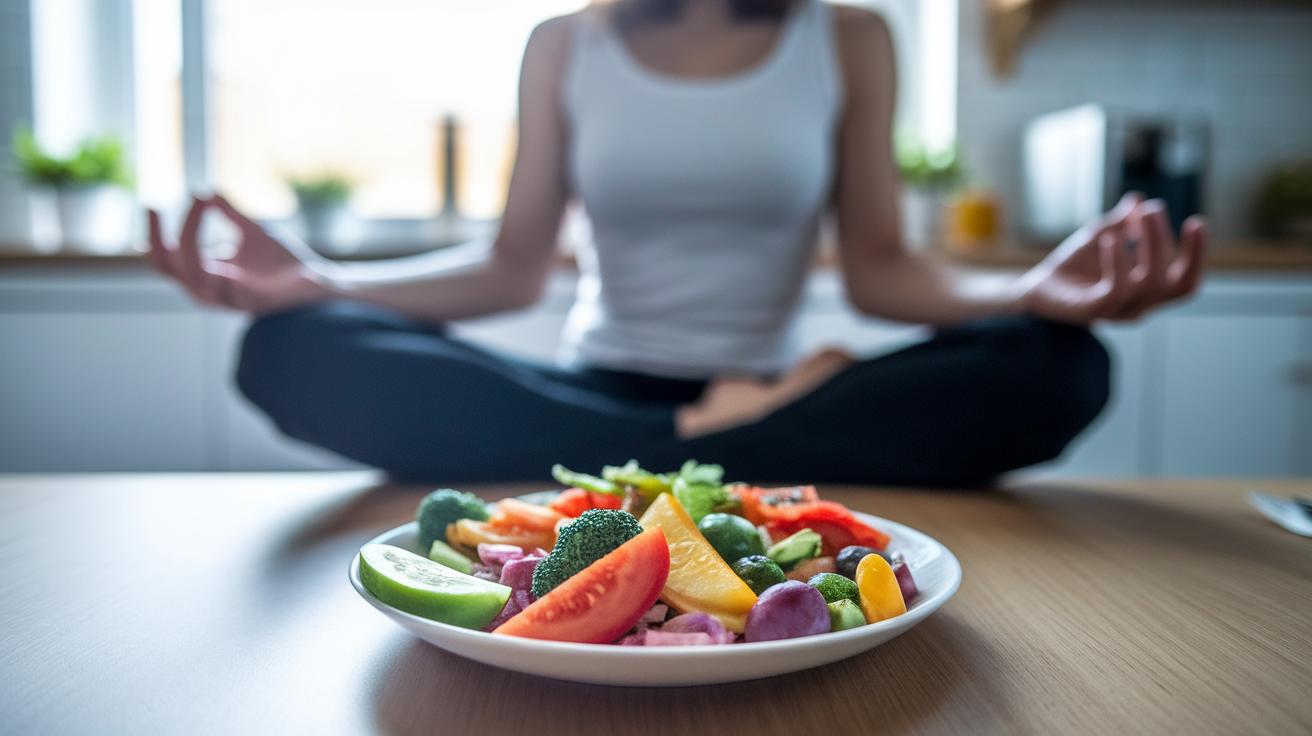
Ever wonder if your meals could do more than just fill you up? This meal plan helps you slow down and enjoy each bite. Even on busy days, simple, thoughtful food choices can give your body the boost it needs. With easy meal prep tips and flexible routines, you'll spend less time in the kitchen and more time feeling great. Try this new way of eating to support a balanced, happier you.
Mindful Eating Meal Plan Overview: A Structured Weekly Schedule
This meal plan is all about enjoying food that nourishes you while fitting your busy life. Instead of strict rules, it focuses on listening to your body and making choices that feel good. You don't have to spend an entire day cooking. Instead, try simple grocery lists, batch-cooking a few ingredients, or even ordering groceries online. And when days get hectic, lean on freezer meals or a mindful takeout option.
Imagine your week in three parts: an easy week when you have lots of time, a moderately busy week, and a very busy week. On a smooth week, you might chop veggies and cook extra portions. When you're busier, prepping part of the ingredients can save time. And if you're racing through a busy schedule or traveling, then using pre-prepped options can keep you well-fed and stress-free.
Below is a sample weekly template that matches different paces of life:
| Day | Breakfast | Lunch | Dinner | Snack |
|---|---|---|---|---|
| Monday | Oatmeal with fruit | Grilled chicken salad | Stir-fried veggies with tofu | Yogurt |
| Tuesday | Smoothie bowl | Wrap with lean protein | Pasta primavera | Nuts |
| Wednesday | Avocado toast | Soup & salad | Freezer meal option | Fruit |
| Thursday | Whole grain cereal | Leftover bowl | Baked fish with veggies | Veggie sticks |
| Friday | Egg muffins | Grain bowl | Takeout night | Dark chocolate |
| Saturday | Pancakes | Quinoa salad | Homemade pizza | Smoothie |
| Sunday | Yogurt parfait | Sandwich with lean protein | Roast dinner | Trail mix |
This flexible plan helps you enjoy your favorite foods by matching your energy and available time. Enjoy the process of choosing meals that make you feel good every day!
Balanced Nutrition & Portion Control in Your Mindful Eating Meal Plan

Start by building a plate that brings together foods that fill you up and keep you energized. Fill most of your plate with whole grains, colorful vegetables, lean proteins, and healthy fats. Each food group adds its own benefit, helping you stay strong all day.
It’s perfectly fine to include a few processed foods now and then. A small portion can make meal prep easier and help you feel less stressed by strict rules. For instance, try adding a handful of pre-washed spinach or a serving of canned beans for a quick, nutritious boost.
A simple trick for controlling portions is to use your hand as a guide. Think of it like this: use your fist for vegetables, your palm for lean protein, and your cupped hand for grains. This easy method can help you avoid eating too little or too much.
Imagine dividing your plate into parts. Fill half with veggies, one quarter with protein, and the remaining quarter with whole grains or starchy vegetables. This way, you get a balanced meal with little fuss.
Keep in mind that healthy eating isn’t about being perfect. Play around with your portions to suit your taste. For example, when making a stir-fry, add extra vegetables for crunch while keeping a modest portion of protein. This approach helps you enjoy a variety of nutrients without judging any food as strictly “good” or “bad.”
Mindful Recipes & Meal Ideas for a Mindful Eating Meal Plan
Mindful Breakfast Example: Avocado Toast with Poached Eggs
Start your day with a nourishing breakfast that feels both tasty and balanced. Toast two slices of whole grain bread until they're lightly crisp. Spread a generous layer of mashed, ripe avocado evenly on each slice, then top with one gently poached egg (cooked so the white is firm but the yolk still soft). Pair this with a small bowl of fresh fruit for balance. Before you dig in, take a moment to feel the warmth of the toast, the smooth creaminess of the avocado, and the silky texture of the egg. After a few bites, pause and truly notice the flavors and temperature contrasts.
Mindful Lunch Example: Hummus & Veggie Wrap
For lunch, try a wrap that delivers both crunch and creaminess. Use a whole grain or gluten-free tortilla and spread a thick layer of hummus across its surface. Layer on crisp, sliced vegetables like lettuce, cucumber, red bell peppers, and shredded carrots. Roll up the tortilla tightly so each bite offers a mix of creamy hummus and fresh, crunchy veggies. As you eat, chew slowly to fully appreciate the natural flavors and textures, and check in with your hunger to enjoy the meal mindfully.
Mindful Dinner Example: Pasta Primavera
Dinner can be both light and satisfying with a bowl of Pasta Primavera. Cook 12 oz (about 340 grams) of your favorite pasta, whether it's whole wheat, gluten-free, or regular. Toss the pasta with a mix of seasonal vegetables such as lightly sautéed zucchini, cherry tomatoes, and spinach. A drizzle of olive oil and a squeeze of lemon add brightness and balance. As you enjoy your meal, listen to your body and stop eating when you feel comfortably full, appreciating the blend of flavors and nutrients in each bite.
Mindfulness Techniques to Enhance Your Eating Experience

Mindful eating is about tuning into your body's signals so each meal feels rewarding and nourishing. Eating slowly not only helps your digestion but also lets you truly enjoy the flavors and textures of your food. Before you start eating, try taking a few deep breaths. This small act can set the stage for a calm and focused meal.
When you eat at a relaxed pace, your body may absorb nutrients better and you might feel more satisfied. Notice the smell, color, and texture of your food as you eat, let those details guide your pace. Even simple changes, like chewing your food a bit longer, can turn an everyday meal into a moment of relaxation and quiet reflection.
Here are five mindful eating techniques to try:
- Take a deep breath before your first bite.
- Do a quick sensory scan by noticing the aroma, color, and texture.
- Count your bites or time your chewing.
- Check how full you feel halfway through your meal.
- Finish with a moment of gratitude for your food.
These steps can help you build a deeper connection with your food and keep you present during every meal.
Adapting Your Mindful Eating Meal Plan to Different Weeks & Lifestyles
Ideal Week Meal Prep
When you have some extra time, try using digital tools to set aside meal prep hours. For example, set a phone reminder that says "chop veggies for dinner" at 4 PM. You can also share an online calendar with family or roommates to plan meals ahead of time, making sure proteins and veggies are ready in clear portions. One idea: schedule two hours on Sunday afternoon for chopping and cooking.
Slightly Busy Week Adjustments
If your week starts to fill up, simplify things with batch-cooked ingredient jars. Take a tip from one freelance writer who prepped jars with chopped vegetables and measured grains. This way, she could quickly toss together a salad or stir-fry. Writing down a checklist of tasks, like roasting vegetables for 30 minutes and portioning them into jars, can make sure nothing gets missed.
Very Busy Week Solutions
For those extra busy weeks or travel days, quick check-ins can keep your meal plan on track. Use calendar alerts or a basic meal planning app to note freezer meal dates and grocery deliveries. Setting a 5-minute timer on your phone during lunch can remind you to check your freezer inventory or even prompt you to order a mindful takeout option.
Benefits & Habit Formation with a Mindful Eating Meal Plan

Mindful meal planning shifts you from strict rules to a friendlier approach with food. Instead of labeling foods as "good" or "bad," you learn to enjoy what truly nourishes your body. This way, you may find it easier to lose a little weight and keep your blood sugar steady. By tuning in to your hunger and fullness, each meal can be more balanced and satisfying.
Start building this habit with small, steady steps. Before eating, take a moment, a deep breath, and ask yourself, "Am I really hungry right now?" This little pause helps you get in touch with your body's needs. It also helps to jot down what you eat and how each meal feels. Over time, you might spot patterns that inform better portion sizes and ingredient choices.
Another tip is to set regular meal-time reminders. You could use a gentle alarm or simply leave a note where you eat. Such cues help you focus on your meal without distractions. For more tips, check out the mindful eating techniques here: https://bezenn.com?p=608.
With these small, daily habits, you can build a thoughtful eating routine that supports both your mind and body.
Final Words
In the action, you have a clear and adaptable weekly guide for a mindful eating meal plan. The post breaks down the schedule, balanced nutrition, and portion control, then builds on mindful recipes and sensory eating techniques. It even shows how to shift the plan based on busy or relaxed weeks. Small, actionable steps like these make mindful eating a part of everyday life while supporting overall wellness. Enjoy putting these ideas to work and feel good about the positive changes you create.