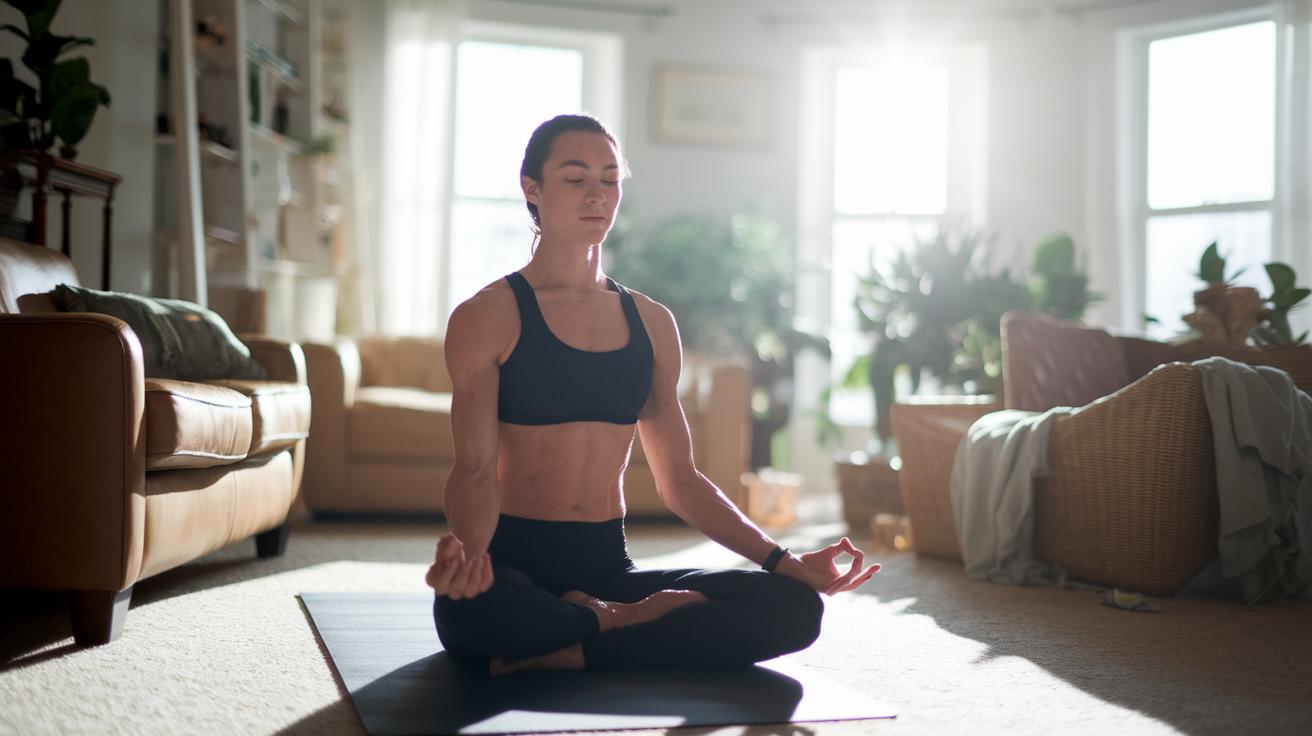
Have you ever noticed how a short burst of activity can brighten your day? When you move, your body releases chemicals that boost your mood and help lower stress. Even a quick 10-minute walk (about 0.62 miles or 1 km) can clear your head and give you a fresh start.
In this guide, we'll show how small activities like a light jog, some strength moves, or a bit of yoga can ease daily stress. Try adding even a little movement today and feel the natural lift it brings to your mood.
Mind-Body Connection and Key Benefits of Exercise for Stress Relief
Moving your body can make a big difference in your mood and help you manage stress. When you work out, your body releases endorphins (natural chemicals that lift your mood), which help lower cortisol, the stress hormone. Even a quick 10-minute walk (about 0.6 miles or 1 km) can boost your energy and clear your mind for the day ahead.
Cardio activities like cycling, jogging, or swimming keep your heart in a steady rhythm that calms your thoughts. These exercises not only give your heart a good workout but also support your immune and digestive systems, making it easier for you to handle stress.
Building strength is just as important. Try bodyweight exercises like push-ups or use free weights to tone your muscles and improve how you feel about yourself. A simple routine such as 3 sets of 10 repetitions can build both muscle and a natural surge of endorphins.
Yoga and mindful movement practices add a unique benefit by combining deep breathing with gentle stretches. These exercises help activate your rest-and-digest system, slowing down the stress responses in your body.
Each type of exercise, whether it's cardio, strength training, or yoga, gives you a different way to manage stress. By mixing them into your weekly routine, you support not just your body, but also your mind, making every day a bit easier to handle.
Cardio Routines for Mental Calmness
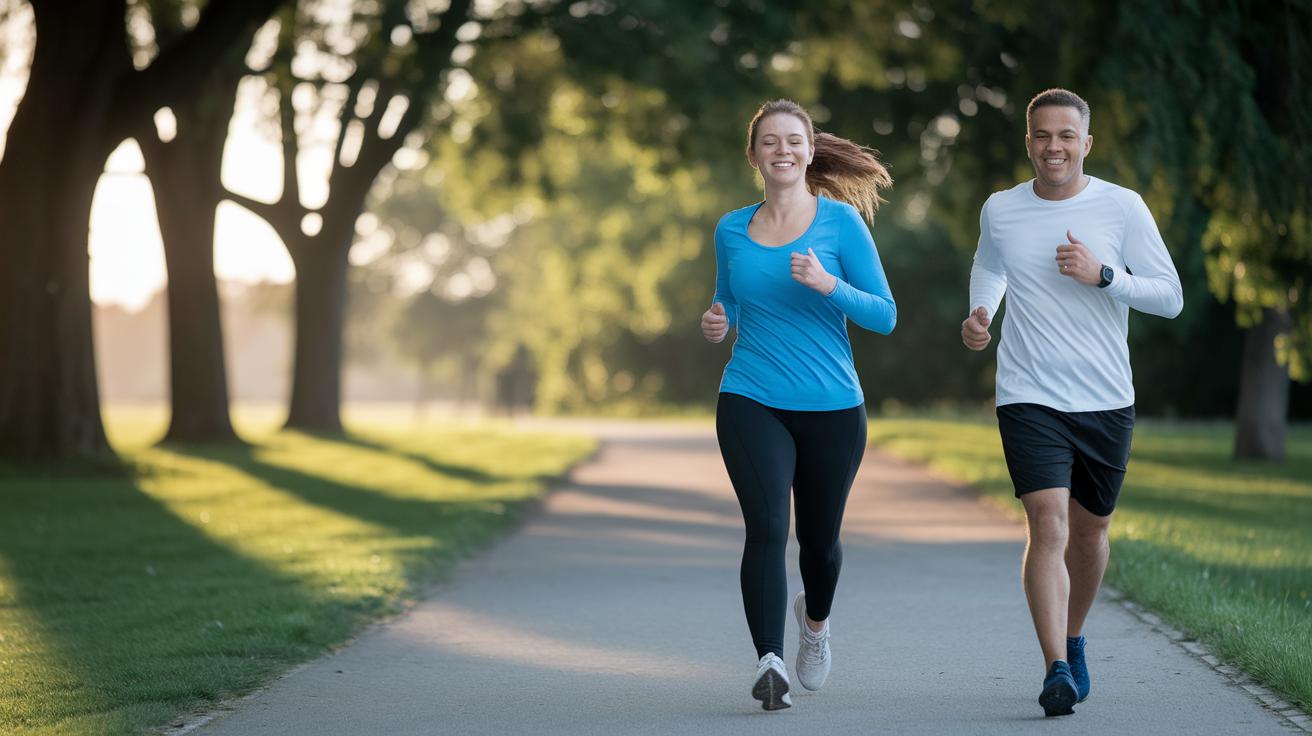
Aerobic activities like a brisk walk, a light jog, biking, or swimming can lift your mood by releasing natural feel-good chemicals. They help reduce stress and can even help you fall asleep faster and enjoy a deeper sleep. Keeping a steady pace during these workouts calms your mind and supports a regular heart rhythm.
Try adding short bursts of higher activity to your routine for extra benefits. For instance, alternate 1 minute of fast jogging with 2 minutes of brisk walking. This mix keeps your heart active and trains your body to shift gears smoothly, helping you unwind more easily at bedtime. Spending 20 to 30 minutes on such intervals a few times a week may noticeably improve your sleep and ease stress.
Mix up your exercise plan by combining longer, steady cardio routines with brief, energetic spurts. Imagine cycling at a comfortable speed and then adding in a few quick bursts of increased effort. This varied routine helps balance your energy levels and promotes a sense of relaxation. For more ideas on managing stress, check out methods for anxiety relief.
Strength Training to Combat Stress and Build Resilience
If you add progressive resistance work , whether using your body weight or free weights , you get more than just stronger muscles. It also boosts your mood and helps you handle daily stress. Try starting with 2 sets of 10 push-ups. This easy move strengthens your chest and arms while releasing endorphins (natural mood lifters) that can help lower stress.
Basic moves like squats, lunges, and push-ups are perfect if you are just starting out. Once you feel comfortable, increase your repetitions or add light weights. Each new challenge shows you progress, which can ease anxiety and lift your self-esteem.
Regular strength training not only tones your body but also helps balance stress hormones. This practice builds a stronger body and a resilient mind. Stick with it and you may find a positive cycle: more confidence leads to more workouts, which in turn makes managing stress easier.
Yoga Practice for Anxiety Relief and Mind Relaxation
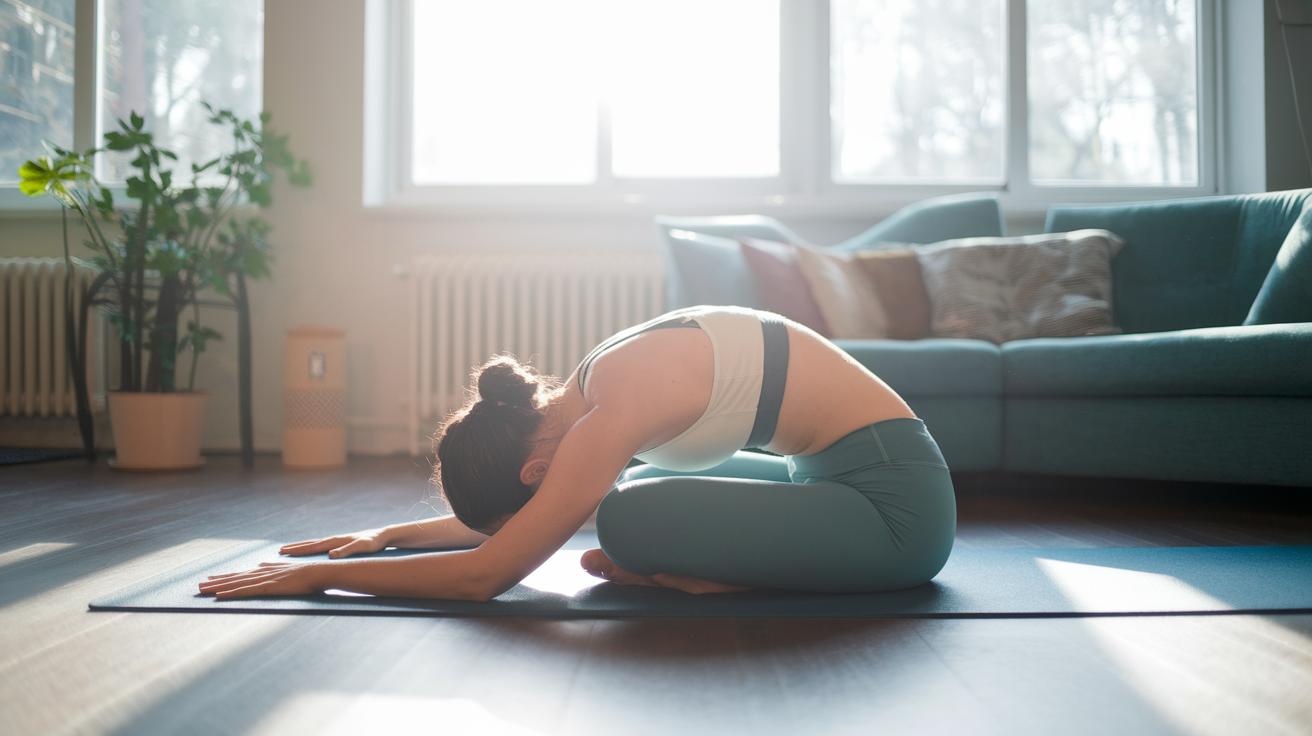
Yoga can be a simple way to ease anxiety. It combines slow breathing, gentle stretches, and mindful movement. This practice helps lower stress hormones and sparks your body's natural calm. Try sitting quietly for 1 minute, taking deep, slow breaths, and notice how your mind begins to settle.
Doing yoga regularly can lower stress and boost your mood. Start with easy poses like child's pose, cat-cow, or a seated forward bend. These gentle moves help you focus and feel relaxed. With regular practice, these calming techniques can become a natural part of your day.
If you are just starting with yoga, try a 10- to 15-minute session each day. Over time, just a few minutes of mindful motion can bring more balance to even the busiest days.
Customizing Physical Exercise Routines for Various Fitness Levels
Quick take: Begin with a short, manageable activity and build from there. Start with a brisk walk for about 10 to 15 minutes at a pace that feels right. This easy step – perhaps a quick walk after your morning coffee – wakes up your body and lifts your mood without feeling too much.
Next, add some simple bodyweight exercises at home. Try moves like squats, push-ups, or standing lunges. Start with one set of 10 reps and see how you feel. If you're just starting out, aim for three workout days each week. As you build strength and confidence, slowly boost your workout time or add another set.
Keep your routine flexible. Beginners can start with three sessions per week and gradually work up to 30 minutes a day as endurance grows. Even little breaks count – a quick set of desk stretches or one minute of lunges between tasks can help keep your energy up.
Consider these steps:
- Start with a short, easy session.
- Add bodyweight moves that match your strength.
- Gradually increase your time or reps as you feel ready.
- Include brief activity breaks during your day.
These simple methods help you customize your exercise routine so it fits easily into even the busiest schedule.
Tips for Staying Consistent with Stress-Reducing Exercise
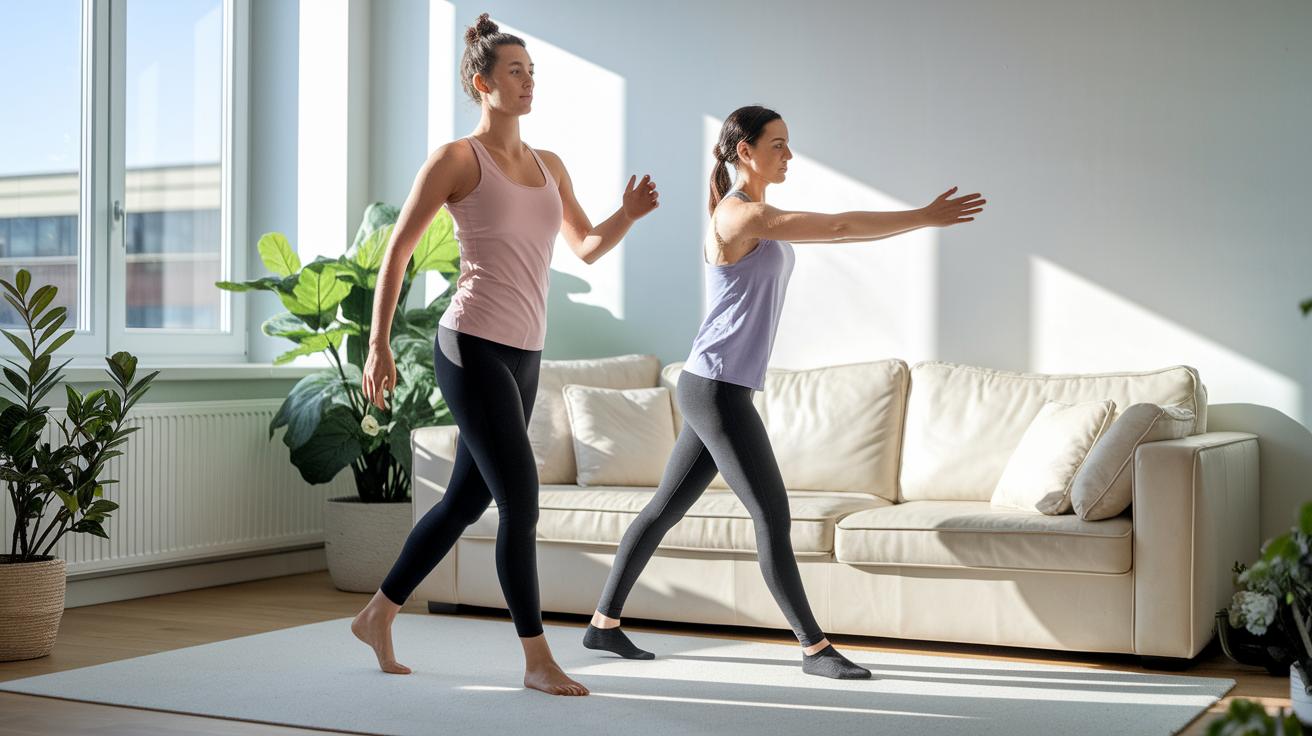
When exercise helps ease stress, keeping a consistent routine can be a game changer. Try setting a regular workout time each day that fits naturally with your schedule. For example, you could go for a brisk walk right after your morning coffee. Even a quick 5-minute session can build up over time and help you stay on track.
Switch up your routine with different activities. You might mix quick bursts of cardio with simple strength moves or stretches. This variety keeps things interesting and helps both your body and mind stay balanced.
It also helps to track your progress, whether that’s by jotting notes in a journal or using a simple app. When you see small wins like improved mood or better sleep, you’ll feel more motivated to continue.
Here are some easy steps to follow:
- Choose a fixed workout time.
- Add exercise to a part of your daily routine.
- Rotate your activities.
- Keep track of your progress.
These simple steps can help you make stress-reducing exercise a regular, enjoyable part of your day.
Safety and Precautions in Stress-Relief Workouts
Begin with a quick warm-up that gets your body moving. Try marching in place or doing gentle arm circles to wake up your muscles and joints. These easy steps help lower the risk of injury and set you up for your stress-relief session.
Always check in with yourself. If you feel any sharp or odd pain while exercising, stop right away and take a moment to think about what might be off. Your body is giving you a clear sign that something needs attention.
When you're done, cool down with some stretching to relax your muscles and ease stiffness. It's also smart to plan a day off between sessions so you don't overdo it. This practice keeps your workouts safe and sustainable.
If you feel joint discomfort during high-impact moves, switch to gentler exercises at home that guide your movements. And if you have any ongoing health issues, chat with a professional before trying new routines.
Final Words
In the action of reducing stress, we covered how workouts like brisk walking, strength training, and yoga help boost mood and clear your mind. These routines can lower stress hormones while increasing feel-good chemicals.
Small daily steps and clear safety tips make a big difference. Regular physical exercise for stress management can turn everyday challenges into manageable tasks. Keep moving forward with confidence and take time for your well-being today.
FAQ
How do exercises relieve stress, anxiety, and depression?
Exercising relieves stress, anxiety, and depression by releasing endorphins that boost mood and lowering cortisol levels. This mind–body connection helps clear your thoughts and improve sleep and overall well-being.
What is the best exercise for stress reduction at home?
The best exercise for stress at home is the one you enjoy. Options like brisk walking, yoga, or strength training can quickly reduce stress by boosting endorphins and lowering stress hormones.
How do physical activities reduce stress hormones?
Physical activities reduce stress hormones by triggering the release of endorphins, which naturally lower cortisol. This process helps you feel calmer and improves your overall stress response.
What do research studies say about exercise and stress?
Research studies show that regular exercise supports a healthier stress response by lowering cortisol levels, increasing mood-boosting chemicals, and even improving sleep quality, which collectively enhance mental clarity and resilience.
What are the 5 R’s and 4 A’s of stress management?
The 5 R’s and 4 A’s are different frameworks that guide stress management through steps like recognizing stress and taking action to rebalance your day. They encourage awareness and practical strategies for recovery.
What stress relief activities are recommended for adults?
Recommended stress relief activities for adults include aerobic exercises, yoga, strength training, and mindfulness practices. These activities help reduce cortisol, boost endorphins, and cultivate a clearer, calmer mindset.