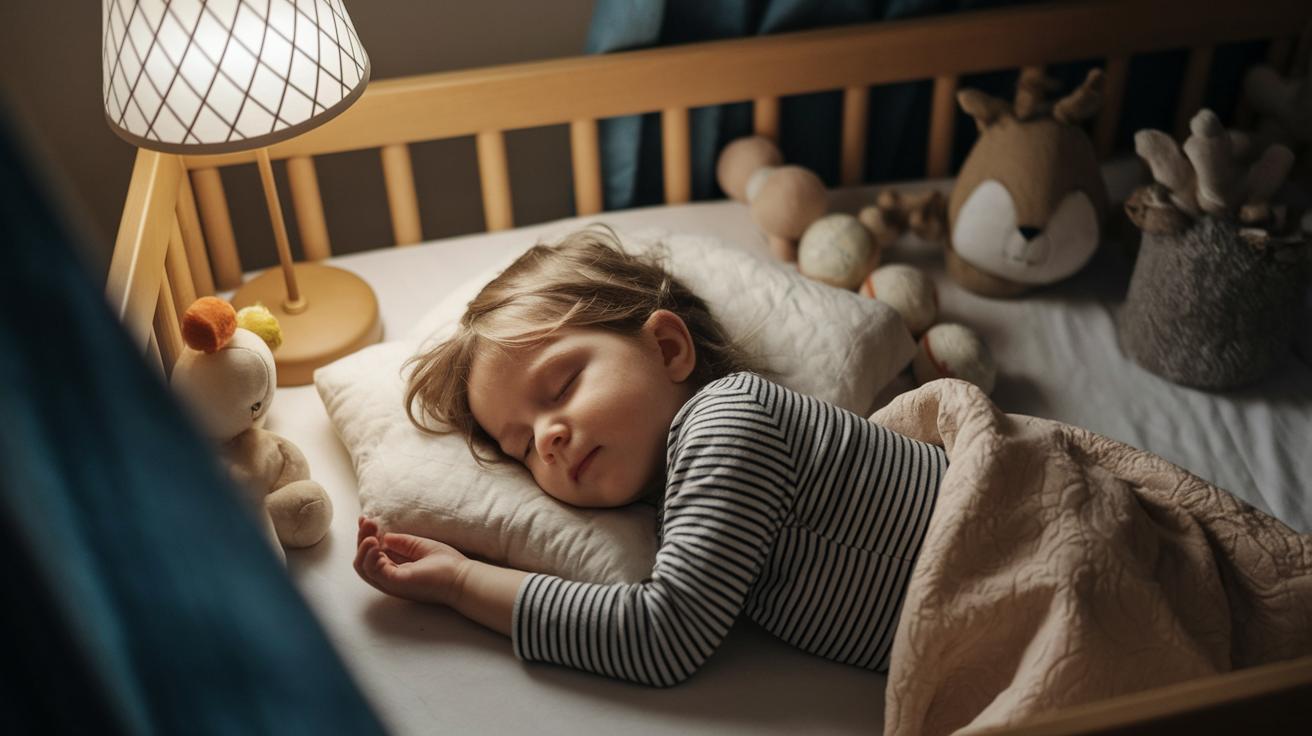
Ever notice how some toddlers fall asleep easily while others fight bedtime every night? Many parents feel like they’re trying to solve a tricky puzzle when setting a sleep routine for a 2-year-old. But with the right mix of daytime play and calm naps, your little one can enjoy a quiet, refreshing night. In this guide, we’ll share a few simple, practical steps to help ease bedtime struggles and create bright, rested mornings for both you and your child.
Establishing a 2-Year-Old Sleep Schedule That Works
For toddlers around age 2, getting enough sleep is important. Children this age usually need about 11–14 hours of sleep each day. That typically means 10–12 hours at night plus a nap lasting around 1.5–2 hours during the day. When your toddler gets the right amount of rest, it can boost their mood, immune system, energy, and overall well-being. Imagine your little one having a 90-minute nap during the day and then drifting into a calm, steady nighttime sleep, totaling about 13 hours of sleep in 24 hours.
It also helps to plan out awake times. Experts say keeping your toddler awake for about 5.5–6 hours between sleep sessions works well. For example, you might start the day at 6:00 AM with active playtime and then have a nap around midday. These awake periods are key because they build up sleep pressure, ensuring your child’s nap is refreshing and nighttime sleep is smooth. A solid and predictable daily schedule can help prevent overtiredness and evening sleep resistance.
A calm bedtime is a must. Aim to settle your toddler between 7:00 and 8:00 PM. A predictable routine can include a warm bath, a short story, or soft music to signal that it’s time for sleep. Simple choices like offering two pajama options can also help your child feel a sense of control and make bedtime less of a struggle. Keeping this routine steady supports not just restful sleep but also helps with behavior and energy for the next day.
Sample Daily Routines for Your 2-Year-Old Sleep Schedule
| Time | Activity | Sleep Duration |
|---|---|---|
| 6:00 AM | Wake up and freshen up | N/A |
| 9:30 AM | Engage in active play and enjoy a snack | N/A |
| 12:00 PM | Start the nap time | 1.5 hours |
| 1:30 PM | Wake from nap | N/A |
| 4:00 PM | Afternoon free play | N/A |
| 7:30 PM | Begin a wind-down routine (bath, story, soft music) to get ready for bed at 8:00 PM | N/A |
2 year olds sleep schedule: Happy Night Routine
Give your toddler a gentle signal that it's time to sleep with this easy routine:
-
Warm Bath – Start with a warm bath that relaxes muscles and soothes the body. Picture your little one enjoying a splash in gentle, warm water, then being wrapped in a soft towel.
-
Pajama Choices – Let your toddler pick one of two pajama sets. This small decision helps them feel independent and ready to wind down.
-
5-Minute Story – Read a short, calming tale. A brief story like "Once upon a time" tells your child that bedtime is near and creates a quiet, peaceful mood.
-
Soft Music – Play calming tunes or nature sounds at a low volume. The soft music forms a gentle background that can help your child relax further.
-
Visual Cue Chart – Use a simple picture chart to show each step of the routine. This makes it fun and helps your toddler remember what comes next.
Each step builds on the last, guiding your toddler into a calm state and a smooth transition to sleep.
Managing Naps in Your 2-Year-Old Sleep Schedule

Most toddlers at this age do well with one nap each day that lasts about 1.5 to 2 hours. With around 5.5 to 6 hours of awake time between sleeps, your little one is more likely to enjoy a refreshing nap and then sleep soundly at night. Keeping to these nap lengths helps your child stay rested without getting overtired.
If you’re ready to gently move away from the nap, start with a quiet time that lasts 10–15 minutes. Over time, slowly extend this calm period to 60–90 minutes by using the same soft, calming signals at home. This approach helps your child adjust gradually without feeling like they’ve lost their nap entirely.
Here are three simple strategies to manage or change your toddler’s nap routine:
- Use consistent quiet-time signals like dimming the lights and playing soft music.
- Gradually shorten the nap time over several days if needed.
- Set up a peaceful space with a favorite toy or blanket to show it’s time to relax.
These steps build a predictable routine that can help reduce crankiness and morning grogginess while supporting your child’s overall sleep schedule.
Preventing and Handling Sleep Regressions in a 2-Year-Old Sleep Schedule
Sometimes a toddler's sleep can go off track because of changes in their growth or daily routine. Your little one might fight bedtime, skip naps, or wake up more often at night. The bright side is that these issues usually ease within 2 to 4 weeks if you keep your usual routine.
-
Keep a consistent routine. Stick to the same sleep schedule and follow familiar steps like a warm bath, a favorite story, and some soft music. This steady pattern lets your child know that it's almost time to sleep, even when things change.
-
Adjust bedtime a bit. If your child seems a bit restless, try moving bedtime by about 10 or 15 minutes. This small tweak can match their natural sleep signal without throwing off the whole schedule.
-
Let your toddler make simple choices. Offer two options, like choosing between two sets of pajamas or picking a book for bedtime. A little control can help them feel calm and ready for sleep.
-
Provide gentle comfort. When sleep troubles happen, a calm and soothing presence makes your child feel safe and helps them settle back to sleep.
Give these simple steps a try today and help your little one get back on track with sweet, steady sleep.
Creating an Ideal Sleep Environment for Your 2-Year-Old
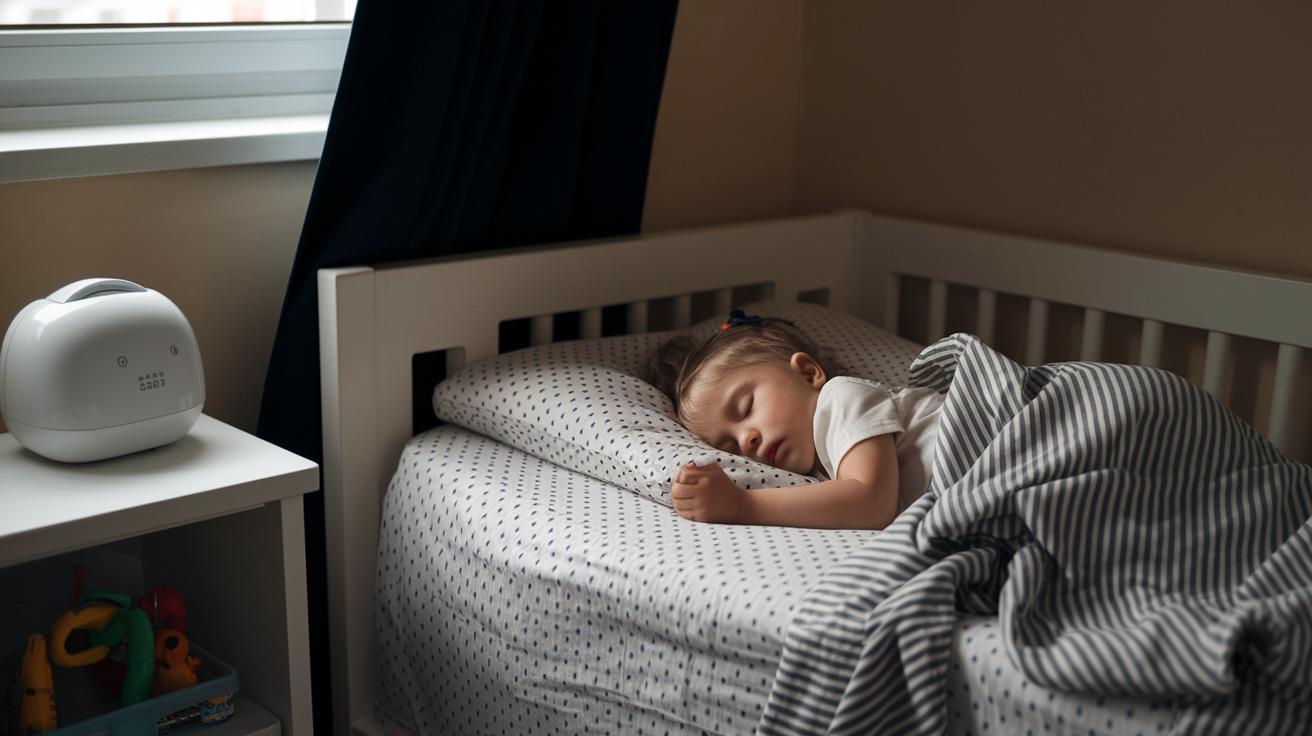
A thoughtfully arranged sleep space can make bedtime smoother and help your toddler get better rest. When the room feels just right, it tells your little one it’s time to wind down and leave distractions behind. Even small changes can have a big impact.
Here are 4 simple tips to create a peaceful sleep area:
- Keep the room temperature between 65°F and 70°F (18–21°C) for a cozy feel.
- Hang blackout curtains to block out extra light and help keep the room calm.
- Use a white noise machine or lower any background sounds to reduce nighttime noise.
- Choose a firm mattress and clear the room of active toys so it’s set up just for sleeping.
Putting these elements together can help your toddler sleep more soundly, wake up in a better mood, and have plenty of energy for the day ahead.
Tracking and Fine-Tuning Your 2-Year-Old Sleep Schedule Over Time
Keep a simple daily record of your child's sleep. Jot down when they wake up, how long their naps last, and when they go to bed. This record can help you spot patterns and make small changes easily. For example, if you see that your child is awake for about 5.5–6 hours but still resists sleep, try moving bedtime up by 10 minutes. Remember, most toddlers (about 94%) still nap by ages 3–4, so these little tweaks really matter.
Below is a basic sleep tracking chart you can use:
| Date | Wake Time | Nap Duration | Bedtime | Lights-Out |
|---|---|---|---|---|
| MM/DD | 6:00 AM | 1.5 hrs | 7:30 PM | 8:00 PM |
| MM/DD | 6:15 AM | 1.75 hrs | 7:40 PM | 8:05 PM |
Try these two steps based on your records:
- Change wake windows by shifting morning awake times in 10-minute steps if your little one seems overtired.
- Adjust the lights-out time gradually in 10-minute steps to help them fall asleep more smoothly.
Troubleshooting Common Challenges in a 2-Year-Old Sleep Schedule

Improving your two-year-old’s sleep doesn’t have to be complicated. Small tweaks can make a big difference. Here are five practical tips to try:
-
Fading Your Presence
Start by sitting next to your child on the bed. Over time, move farther away until you’re just in the doorway. This gentle step-by-step approach helps your little one learn to settle on their own. -
Offering a Light Snack Before Bed
Try giving your child a small snack, like a piece of string cheese or a few peanut butter crackers, about 15 minutes before bedtime. This can keep hunger at bay and help them sleep longer. -
Encouraging Comfortable Sleep Positions
As your toddler becomes more active, it’s okay for them to sleep on their side or stomach. This shift from strict back-sleeping can ease bedtime if your child seems more at ease in these positions. -
Gradually Reducing Pacifier Use
If your child still uses a pacifier at nap or bedtime, start limiting its time slowly. Over time, this can help build more independent sleep habits and also support dental health. -
Establishing Consistent Sleep Cues
Create a simple, repeatable bedtime routine. Whether it’s a favorite lullaby or dimming the lights, these consistent signals tell your child that it’s time to wind down and get ready for sleep.
Final Words
In the action, we explored key steps to create a steady 2 year olds sleep schedule. We covered sleep targets, daily routines, calming bedtime rituals, and nap management. The guide breaks down simple tweaks, from ideal wake windows to a calm sleep environment, to foster restorative sleep. Following a consistent routine can help manage setbacks and smooth transitions. Small changes today can lead to better nights and brighter mornings. Stick to these tips and feel confident as you fine-tune your 2 year olds sleep schedule for healthier, happier days ahead.
FAQ
Frequently Asked Questions
What is a typical sleep schedule for a 2-year-old?
A 2-year-old typically needs 11–14 hours of sleep daily—about 10–12 hours at night plus a 1.5–2-hour nap. A bedtime between 7:00 PM and 8:00 PM helps support healthy routines.
How much sleep does a 2-year-old need according to NHS guidelines?
NHS guidelines suggest a 2-year-old should get approximately 11–14 hours of sleep each day, combining nighttime rest with a daytime nap to promote healthy growth and energy.
What is the wake window for a 2-year-old?
A 2-year-old generally benefits from a wake window of roughly 5.5–6 hours between sleep periods, which helps manage tiredness and supports smoother transitions to naptime and bedtime.
Is it a problem if my 2-year-old naps for 3 hours?
Napping for 3 hours may interfere with nighttime sleep. It’s best to aim for a 1.5–2-hour nap to keep a balanced daily sleep routine and support better rest at night.
What does sleep regression mean for a 2-year-old?
Sleep regression in a 2-year-old means a temporary phase of disrupted sleep—such as bedtime resistance or more night wakings—often due to developmental changes. Consistent routines usually help resolve it.
How do sleep schedules change for 3- and 4-year-olds?
As toddlers grow, naps may shorten and bedtime routines become more established. A consistent routine remains key to quality nighttime sleep and overall well-being for 3- and 4-year-olds.
What is the 10-5-3-2-1 rule for sleep?
The 10-5-3-2-1 rule outlines a staged wind-down routine, suggesting a gradual calming process before bedtime. It serves as a flexible guide to help settle your toddler into sleep.
What are the 2/3/4 and 5/3/3 rules for baby sleep?
The 2/3/4 and 5/3/3 rules are popular sleep guidelines that propose specific durations for naps and wake times. They offer flexible markers to help structure a child’s sleep, but adjustments can be made to suit individual needs.