
Quick take: A steady sleep schedule can boost your energy and overall health. Research shows that sticking to 7 to 9 hours of sleep each night can lower health risks and give your body time to repair itself. When you follow a regular sleep routine, your body moves through vital sleep stages, from light rest to deep sleep, so you wake up feeling clear and ready for your day. In this guide, we'll share simple steps to help you build a sleep routine that matches your natural rhythm.
Structuring Your Optimal Sleep Schedule for Maximum Rest
Quality sleep is built on a steady routine. Most adults need 7–9 hours of sleep each night to complete several 90-minute cycles. In each cycle, you go from a light sleep stage that lasts about 5–10 minutes, to a phase where your body cools down and builds memory, then to deep sleep for tissue repair, and finally to REM sleep where you dream and your mind recovers.
Sticking to a regular sleep schedule means going to bed and waking up at nearly the same time every day. Research shows that keeping a set routine can lower the risk of death by 20–48% in big studies. This regularity helps set your internal clock, boosts your energy, and supports overall well-being by aiding your body’s recovery.
Try this simple method: First, decide when you want to wake up. Next, subtract the hours of sleep you need and then add a 30-minute wind-down period. For instance, if you aim for 8 hours of sleep and you get up at 6:30 a.m., try to be in bed by 10:30 p.m. Experiment by shifting your bedtime by about 10 minutes each night until you feel a smoother transition into sleep.
Aligning Your Optimal Sleep Schedule with Your Circadian Rhythm

Our bodies have a natural clock that works with daylight. When you adjust your sleep habits to match the rising and setting of the sun, you'll find it easier to fall asleep and wake up feeling refreshed. Morning light signals your brain that it's time to be alert, while dimming light in the evening tells it to wind down. Try this simple tip: when the sun's rays hit your window, open the curtains to kickstart your day.
Even small shifts can boost your sleep. For example, dim your lights about 30 minutes before bed to create a calm, sunset-like atmosphere. You might also set your wake-up time to align with the first light of the day, even on weekends, to keep your internal clock steady. Studies suggest that syncing your sleep schedule with natural light can improve the quality of your sleep and make you feel more energetic. Building a routine that works with nature can help make falling asleep smoother and waking up more invigorating.
Calculating Your Ideal Bedtime in an Optimal Sleep Schedule
Start by choosing the time you want to wake up. Then count back the number of sleep hours you need (say, 8 hours) and add a few minutes for relaxing before bed. That extra time is your wind-down period, and it's key.
Your wind-down helps your body shift from being alert to getting sleepy. It tells your brain to calm down, which can help you fall asleep faster. For example, turn off screens, lower the lights, and spend about 5 minutes doing some deep, gentle breathing.
If you find that you're still awake after 20 minutes, try these steps:
- Adjust your bedtime by 10-minute chunks until you find a time that works.
- Try relaxing activities like light reading or playing soft music during your wind-down.
- Even small changes can make a big difference in how well you sleep.
One reader mentioned that adding a few mindful stretches to her wind-down routine made it easier for her to settle in. This little change worked well with the overall bedtime plan, helping her sleep more soundly.
Enhancing Sleep Cycles within an Optimal Sleep Schedule
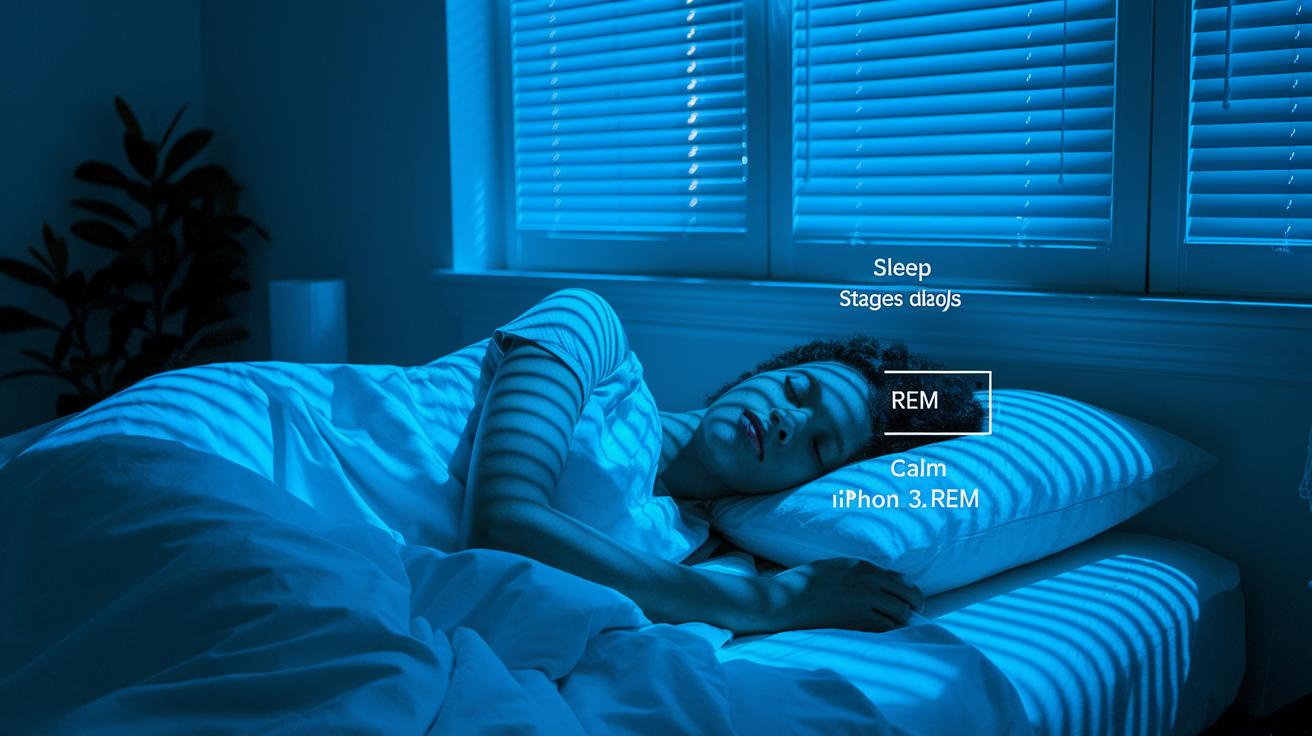
Sleep works in cycles of about 90 minutes, and each cycle has four main stages. In every cycle, you go through three NREM stages (non-rapid eye movement, which means your brain isn’t as active) and one REM stage (when your brain is busy processing information).
Stage 1 lasts around 5–10 minutes. Think of it as a gentle warm-up that makes it easy to wake up if something interrupts you.
Stage 2 can take up to 25 minutes. During this time, your brain releases short bursts of activity called sleep spindles that help your memory. Your heart rate slows, and your body temperature drops, much like turning down the noise in a busy room to create a calm atmosphere.
Stage 3 is deep sleep. This is when your body works on important repairs like rebuilding tissues and boosting your immune system. Early in the night, deep sleep might last 20–40 minutes, but it may be shorter later. If you feel overly tired during the day, it could mean you’re not getting enough deep sleep.
About 90 minutes into your cycle comes REM sleep. REM starts at around 10 minutes and gets longer as the night goes on. Here, your brain is very active to support learning and creativity, while your muscles take a break. This careful mix of sleep stages helps both your brain and body recover, which boosts your overall health.
Crafting a Healthy Sleep Routine for an Optimal Sleep Schedule
A steady bedtime routine might help you fall asleep in just 10 to 20 minutes. Start by switching off your screens at least 30 minutes before bed because bright light can trick your brain into thinking it’s still daytime. Instead, try reading a book, listening to soft music, or doing gentle stretches. One person shared, "I switched off my phone 30 minutes early and drifted off much faster," and that real-life tip might work for you too.
Make a few simple changes to your bedroom to create a calm space. Keep it cool, quiet, and dark so your body knows it’s time to relax. If you find yourself feeling anxious at night, you might try a weighted blanket (a blanket with extra weight that can feel soothing). Early research suggests these can help ease anxiety and insomnia, though the studies are still small.
Try adding these steps to your nightly routine:
- Turn off electronic devices at least 30 minutes before bed.
- Use a low-light lamp or candle to create a relaxing atmosphere.
- Do calming activities like gentle stretching or quiet reading.
These habits help tell your body it’s time to wind down. When you stick with them, you’re more likely to sleep better and feel healthier overall.
Adjusting Your Optimal Sleep Schedule for Different Age Groups

Sleep needs change as we grow and evolve. Teenagers, for example, usually need 8–10 hours of sleep to fuel both growth and learning. Think of your body as a smartphone that needs to be charged after a heavy day of use, it simply requires that extra boost to keep running well.
Healthy adults tend to do best with 7–9 hours of sleep. This duration lets you complete full 90-minute sleep cycles, which include lighter sleep, deep sleep, and the dreaming stage (REM). One person shared that shifting bedtime by just 10 minutes each night helped them wake up feeling noticeably refreshed.
Older adults might experience lighter, shorter periods of deep sleep and could wake up more often at night. Even though they often total around 7–8 hours, keeping a regular sleep routine is helpful. A steady schedule gives your body a reliable rhythm, making it easier to start the day.
Infants and children need much more sleep, as rest is key to their overall development. For young ones, earlier bedtimes and gentle wake-up routines can really make a difference. Following pediatric advice on sleep can set the stage for healthy habits as they grow.
Tailor your routine with these tips:
- Teenagers: Aim for 8–10 hours with a consistent bedtime.
- Adults: Target 7–9 hours to allow full sleep cycles.
- Older adults: Stick to a regular routine, even if sleep feels lighter.
- Infants/children: Follow pediatric guidelines to ensure restorative sleep.
Try making small adjustments until your sleep schedule fits your life stage and meets your needs.
Using Technology to Track and Maintain Your Optimal Sleep Schedule
Today’s sleep apps and wearables make it easy to check your sleep cycles. They track every stage of sleep, from light dozing to deep and REM (when you dream). You get a clear snapshot of how well your sleep meets your body’s needs.
Many of these devices also send reminders when it's time to head to bed, helping you stick to your routine. Reviewing your sleep data each morning can show you trends, such as regular patterns or frequent wake-ups, that might need small tweaks. One person shared that adjusting their wind-down routine by just 10 minutes made a big difference.
These digital tools let you improve your sleep step by step. By tracking how long and how well you sleep, you can steadily adjust your routine. Over time, this feedback may boost your daytime energy and overall health, making a good night's sleep a trusted part of your day.
Troubleshooting Common Pitfalls in Your Optimal Sleep Schedule

When your sleep routine is off, you might feel drowsy during the day, get irritated easily, forget things, or even face a higher risk of accidents. If you wake up feeling slow or can't concentrate, it's a sign to check how you're managing your sleep. For example, if your alarm rings at 6:30 a.m., get up right away instead of slapping the snooze button to keep your sleep rhythm steady.
Sometimes, trying to go to bed too early just leads to lying awake. More time in bed doesn’t mean better sleep. Instead, try moving your bedtime by 10 minutes each night. This small change can help your body adjust gradually. One friend even shared that slowly shifting her bedtime helped sync her sleep cycles, so she woke up feeling more refreshed.
It can help if everyone in your home supports your sleep routine. If family activities keep you up, setting quiet hours might be the answer. Here are a few tips to try:
| Tip | Description |
|---|---|
| Common Wind-Down Time | Agree on a set time to switch to calming activities |
| Muted Activities | Opt for lower-energy tasks after dinner |
| Low Nighttime Noise | Keep the environment quiet as bedtime draws near |
Taking these measured steps can help ease sleep loss and set you up for a day full of energy and better health.
Final Words
In the action, you've learned how to design an optimal sleep schedule by syncing with natural light, calculating the perfect bedtime, and fine-tuning sleep cycles. Practical tips include building a quiet pre-sleep routine, using digital tools to track progress, and troubleshooting common pitfalls. Each step works together to help build a healthy sleep routine that suits your age and lifestyle. Remember, small adjustments can make a big difference. Stay positive and keep experimenting to find what works best for your optimal sleep schedule.
FAQ
What is a sleep calculator and how does it work?
A sleep calculator determines your ideal bedtime by subtracting your needed sleep hours from your wake-up time and factoring in 90-minute sleep cycles, helping you wake up refreshed.
How is the scientifically best time to sleep and wake determined?
The scientifically best sleep and wake times align with your natural internal clock by matching sleep schedules with daylight patterns and regular 90-minute cycles for better overall rest.
How does a 90-minute sleep cycle calculator help me plan my bedtime?
A 90-minute sleep cycle calculator uses the typical sleep cycle length to suggest optimal bedtimes so you can wake during lighter sleep stages, making mornings feel easier.
How do sleep cycle calculators account for age and recommended sleep duration?
Sleep cycle calculators adjust suggestions based on age-specific guidelines, recommending 7–9 hours for adults and more for teenagers and children, ensuring sleep patterns match developmental needs.
What are the recommended hours of sleep by age?
Recommended sleep durations vary by age: adults need 7–9 hours, teenagers often need 8–10 hours, and younger children require even more to support healthy growth and development.
What do the 10-3-2-1-0, 10-5-3-2-1, and 5-3-3 sleep rules mean?
These sleep rules offer step-by-step routines to wind down before bed, setting limits on activities such as screen time to help you relax and transition smoothly into sleep.