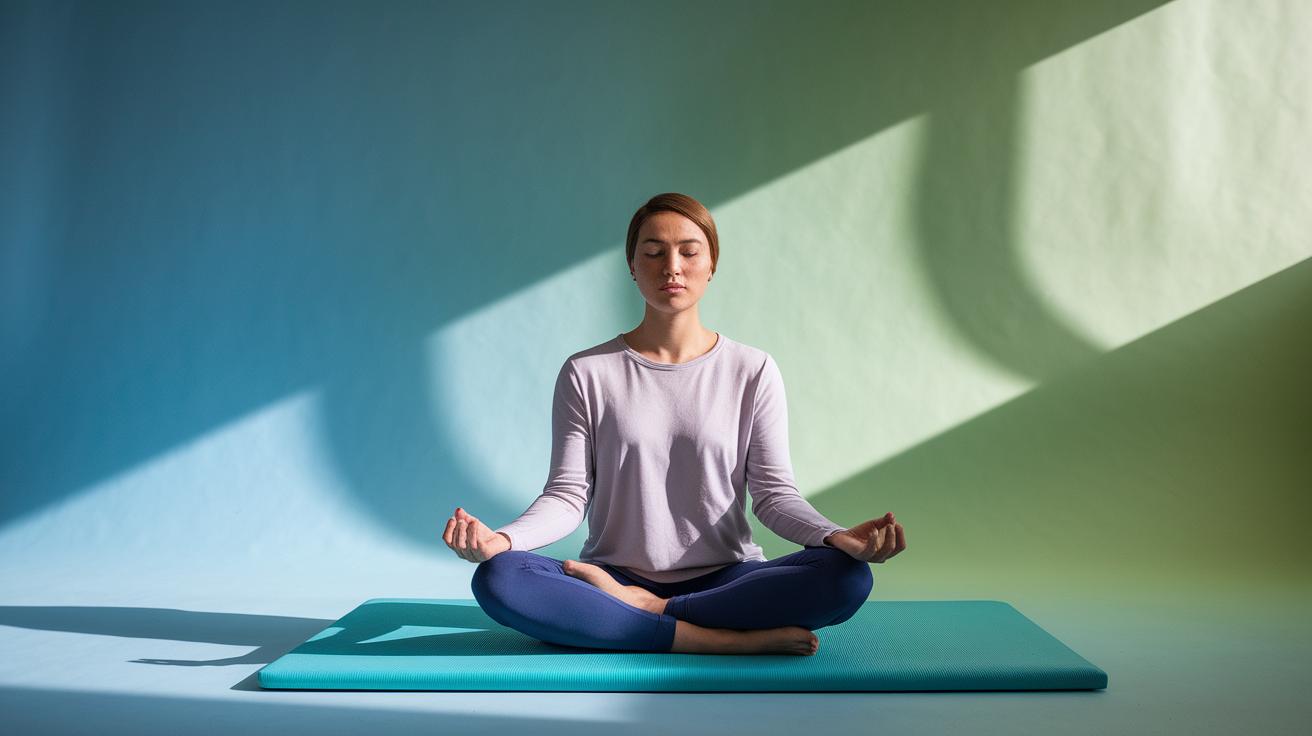
Feeling overwhelmed by stress? Try taking a few deep breaths. Deep breathing does more than slow your heart; it helps quiet the busy thoughts in your head. In this guide, we share simple breathing exercises that work with your body’s natural stress response. For example, the 4-7-8 method and an extended exhale technique can bring a feeling of calm wherever you are. Give one of these methods a try and notice how a few mindful breaths can help you feel more centered.
Core Deep Breathing Exercises for Stress Management
Deep breathing can help you calm down quickly. These simple exercises work with your body’s natural stress response, making it easier to relax and focus. With regular practice, you can change your breathing habits and invite calm, even in tough times.
-
4-7-8 Breathing
- Sit up straight or lie down comfortably so your lungs can fill completely.
- Breathe in slowly for 4 seconds, hold your breath for 7 seconds, then exhale gently for 8 seconds.
- Do three rounds twice a day to help slow your heart rate and ease anxiety.
- Keep your shoulders relaxed and stay in a steady rhythm to clear your mind.
-
Extended-Exhale Method
- Take a normal, easy breath while keeping your back straight.
- Exhale for 1–2 seconds longer than you inhaled, letting go of built-up tension.
- Repeat several times until your breathing feels deeper and smoother.
- This method slowly cuts down stress hormones and brings a sense of calm.
-
Physiological Sigh
- Take a full, deep breath, then add a quick short breath right after.
- Exhale slowly in one long, steady breath to help reset your body’s stress response.
- Sit comfortably or lie on your back in a quiet place while you do this.
- Repeat as needed until you feel lighter and your mind is at ease.
You can do these exercises anywhere, at your desk, in the car, or even in bed. Just a few minutes can bring more calm to your day and help you build a steady habit of stress relief.
Physiological Impact and Research-Backed Benefits of Deep Breathing Techniques
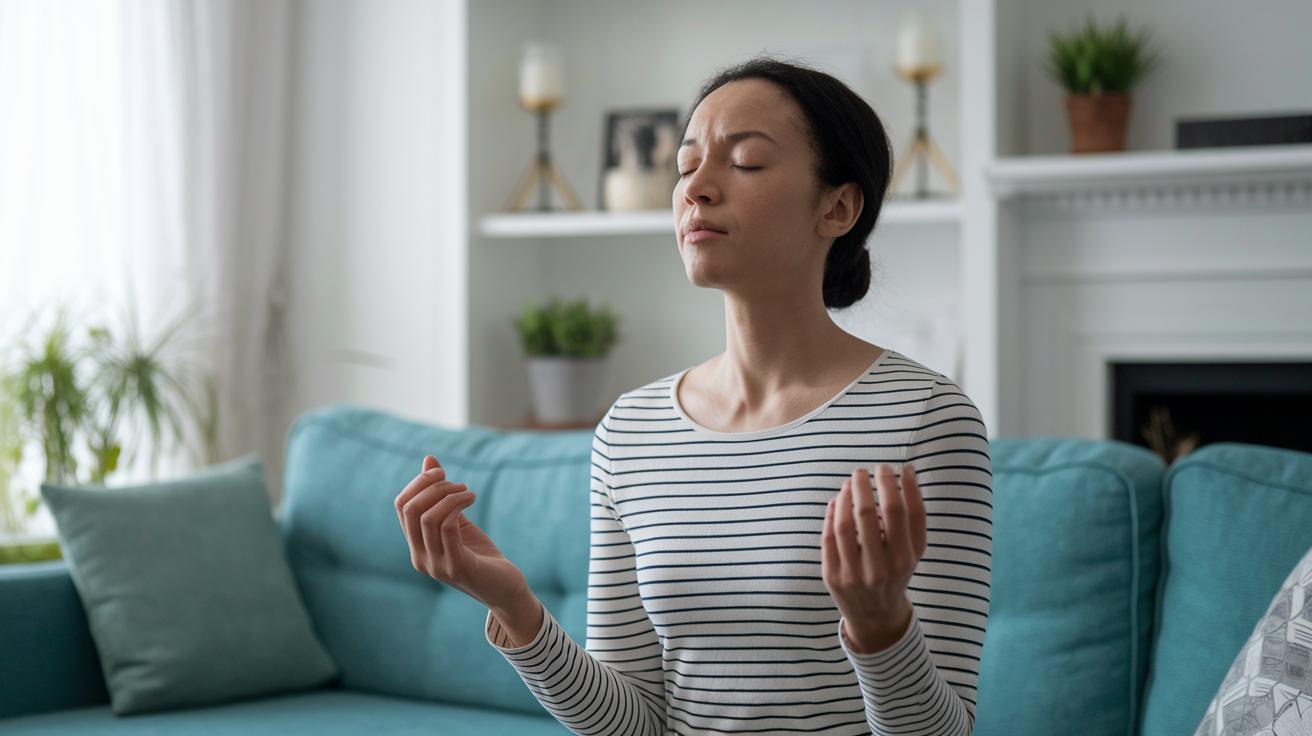
Deep breathing works by engaging the calming part of your nervous system. This helps lower your heart rate and blood pressure while steering your body away from stress responses. In plain words, you release less cortisol (a stress hormone), which leaves you feeling steadier and more at peace.
Slow, deep breaths also help relax your muscles and soothe an overactive nervous system. This can lead to better sleep, fewer headaches, and less chest tightness. You might notice your mind feels clearer and more balanced after a few minutes of focused breathing.
Making deep breathing a daily habit supports your heart and boosts your overall mental well-being. Try adding a short breathing break at work or a calming routine before bed. Over time, these simple steps can help you manage stress more easily and build a steadier, more resilient life.
Specialized Deep Breathing Techniques for Enhanced Tranquility
Mixing different breathing methods can help you feel calm and find the right one for your mood. Trying out a few different patterns keeps your practice interesting while letting you match the technique to your stress level. Each method has its own rhythm and benefits, whether it's balancing your energy or easing tension with focused breathing.
| Technique | Pattern | Duration |
|---|---|---|
| Box Breathing | 4-4-4-4 | 3–5 min |
| Resonant Breathing | 5-5 sec | 5 min |
| Alternate Nostril | Inhale/Exhale per nostril | 4 min |
| Diaphragmatic Breath | Slow deep inhales | 3 min |
Play around with these routines to discover the best fit for you now. If stress spikes and you need a quick break, try a few minutes of Box or Resonant Breathing. When you want to center your mind and balance your energy, Alternate Nostril breathing works nicely. And if you're looking for a gentle practice that also encourages good posture, Diaphragmatic Breath can help you relax deeply. Pick the method that feels right and adjust your practice until you find the peace you need today.
Implementing Deep Breathing into Your Daily Stress Management Routine
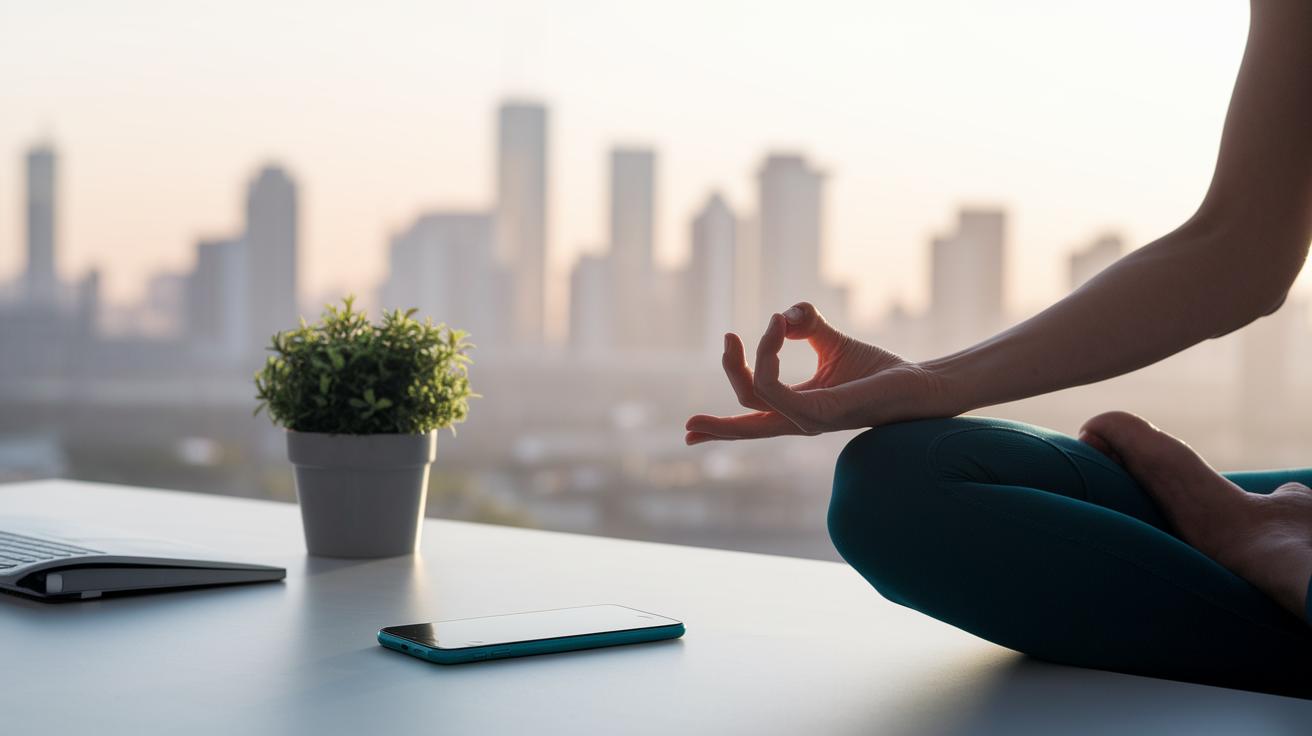
Begin by choosing set times each day to practice deep breathing. Try doing it first thing in the morning, right after work, and before you go to sleep. Use your phone’s alarm or calendar reminders to keep you on track. Just a few minutes of focused breathing can teach your body to release tension over time.
When stress hits hard, take a short 2-minute break to breathe deeply. Find a quiet spot, a corner at home, your office desk, or even a bathroom, and step away for a moment. These quick pauses help break up stress spikes and let you regain your calm.
Make your breathing routine work for your day. Whether you’re at home, commuting, or working, small but steady sessions can bring a sense of peace. Try mixing up your settings so that deep breathing becomes a part of many moments in your day, helping you handle stress better wherever you are.
Safety Considerations and Common Pitfalls in Deep Breathing Practices
Deep breathing can sometimes go off track. Overdoing your breaths might leave you feeling dizzy or tingly, and your anxiety may spike a little. Also, slumping with a stiff neck and tense shoulders can reduce the calming effect. Watch for any signs of discomfort as you go.
Rushing your breath or holding it longer than feels natural can add stress instead of taking it away. If a method feels too intense, try a gentler approach with slower counts and relaxed movements.
Adjust your pace and keep a comfortable, upright posture. Start slowly so each breath is deep and smooth, and pause if you feel lightheaded. Listening to your body is key to avoiding problems and building a calm, steady routine.
If you have breathing issues, heart problems, or severe panic, check with your doctor before starting any new breathing exercises. Change your method if needed, and stop if you experience significant discomfort.
Final Words
In the action, you embraced a range of strategies, from beginner techniques like the 4-7-8 and extended-exhale method to advanced routines such as box breathing and alternate nostril. Each step shows how simple changes in your breathing can calm your mind and body, even during busy moments. By integrating these routines into daily life, you gain practical, safe tools to ease tension. Regular practice of deep breathing exercises for stress management can help shift your day toward more calm and confidence. Here's to feeling better with every breath!
FAQ
How can I find deep breathing exercises for stress management on YouTube?
The YouTube search for deep breathing exercises leads to video guides that show clear, step-by-step tutorials to help reduce stress through mindful breathing practices.
What should a deep breathing exercises for stress management video include?
A deep breathing video typically includes proper posture, clear timing instructions, and visual cues to guide you through breathing techniques that lower tension and promote calm.
How do deep breathing exercises for stress management work for adults?
Deep breathing exercises for adults work by slowing the heart rate and calming the nervous system. Techniques like the 4-7-8 method can be easily added to daily routines for stress relief.
What does the NHS say about deep breathing exercises for stress management?
The NHS supports deep breathing practices as effective ways to reduce stress. They recommend controlled breathing exercises to promote relaxation and help manage daily tension.
How can breathing exercises help improve lung function?
Breathing exercises help improve lung function by encouraging deep, full breaths. This practice strengthens respiratory muscles and increases oxygen flow, benefiting overall lung health.
What are some breathing exercises for beginners?
Breathing exercises for beginners include simple methods such as extended exhales and the physiological sigh, which gently guide you to improve respiratory control and reduce stress.
What are the deep breathing benefits for managing stress and anxiety?
Deep breathing benefits include reduced stress hormone levels, lower heart rate, and a calmer mind. Regular practice can ease anxiety, improve sleep quality, and boost overall emotional balance.
How do deep breathing exercises help with anxiety?
Deep breathing exercises help with anxiety by calming the nervous system and interrupting the fight-or-flight response. Techniques like slow inhales with extended exhales promote a steadier, more relaxed state.