
Ever thought that grocery shopping could boost your health and save you money? Mindful shopping turns everyday trips into a chance to care for your body. Picture planning your meals like you would set up a small dinner party, each item plays an important role. When you group essentials together and notice how food makes you feel, you naturally pick items that support your well-being. Try these simple steps next time you shop to make healthier and more budget-friendly choices.
Essential Strategies for Mindful Grocery Shopping
Try Chef Will Coleman’s 6-to-1 Grocery Method for planning your meals and keeping costs in check while cutting down on food waste. Spend just 5 to 10 minutes before you head out making a focused list. Think of it like organizing a small get-together, choose your menu first and then buy only what you need.
Start by grouping your groceries into simple categories. At any store, stick to essential staples like frozen or canned vegetables, fruits, beans, and grains. These items work well even when fresh options are limited, ensuring you still get the nutrients you need.
While shopping, take a moment to notice how different foods make you feel. If a crisp apple leaves you feeling refreshed, be sure to add it to your list. This small act of mindfulness helps you choose foods that match your personal nutrition goals rather than chasing trendy diets like Keto or LCHF.
Remember, it’s not about following the latest diet fad, it’s about tuning into your body’s needs. Write out your weekly meal plan, check what you already have, and only add what’s missing. This thoughtful planning supports healthy eating, promotes sustainable choices, and helps you avoid unnecessary extra spending.
Planning Healthy Meals as a Foundation for Mindful Shopping

Start by creating a weekly meal plan that cuts down on impulse purchases and fits your health needs. List your dinners, lunches, and breakfasts ahead of time. Then, take a quick look at your pantry to avoid buying what you already have.
This simple plan helps you avoid random trips to the store that can lead to choosing items like an extra bag of chips. Instead, choose nourishing options such as whole grains and fresh veggies. Research shows that planning can cut ingredient splurges by nearly 25% while boosting your nutrient intake.
Give it a try and see how a little preparation can lead to healthier and more budget-friendly shopping. For more tips on aligning meal prep with mindful buying, check out mindful eating practices at https://bezenn.com?p=581.
Choosing Sustainable and Ethical Food Options in Your Trip
When you shop, choose foods that show you care about both your community and the environment. Look for labels like fair-trade, locally grown, or certified organic, which help support local growers and cut down on carbon emissions. For example, buying fruits from a nearby farm means they travel less, so they're often fresher too.
Seasonal produce is another smart choice. When fruits and veggies are picked at their best, they usually need fewer additives and less packaging. Ask your local store about where their products come from or check for eco-friendly certifications to guide your decision.
Think of every purchase as a vote for animal welfare. Products with clear welfare or fair-trade labels not only boost your nutrition but also contribute to positive change in how food is produced. Each choice you make supports a more ethical and sustainable food system.
Take a moment while shopping to compare packaging. Choose items that use less material or contain recycled content. For more detailed advice on ethical sourcing, visit https://bezenn.com?p=682.
Make your shopping trip a mindful exercise that benefits your health and helps build a healthier planet.
Budget-Friendly and Waste-Reducing Shopping Methods

Start by giving the 6-to-1 Method a try. Focus on versatile items like beans, oats, and frozen veggies. This simple step helps cut down on impulse buys, saves money, and reduces waste.
| Method | Benefit |
|---|---|
| Coupon stacking | Extra savings |
| Bulk staple planning | Lower cost per unit |
| Seasonal produce buying | Fresh flavor and price |
| Price comparison apps | Real-time deal alerts |
| Digital shopping lists | Avoid impulse buys |
Coupon stacking is a great way to save extra cash by pairing store and manufacturer coupons. Before you go shopping, check your weekly meal plan and your pantry to avoid buying the same items twice. Planning to buy staples in bulk can lock in lower prices for the foods you use often, while choosing seasonal produce means you get the best taste at a good price and reduce food waste.
When you're out shopping, use price comparison apps or scanners to score the best deals. A digital shopping list keeps you on track and prevents overspending. These practical tips help you stick to your budget and cut down on waste while meeting your nutritional needs.
Using Store Layouts for Mindful Grocery Shopping
As you move through each aisle, take a moment to pause. Look at the labels closely, check for clear ingredient lists and where the product comes from. If the packaging is simple and honest, it might be a good choice. When you find a product with a transparent label, consider adding that brand to your shopping list. For example, in the refrigerated section, take a few extra seconds to read the details.
Steer clear of areas like end-of-aisle displays and checkout bins that are designed to tempt you into making quick decisions. These spots often lead to unplanned buys that might not match your meal plan or nutritional needs. Instead, explore the quieter corners of the store where you might discover local or seasonal items that are usually fresher and offer more background about their origins.
Take your time with each choice instead of rushing. Let the store layout guide you so you can stay focused on what you really need. This mindful approach helps you honor your health goals and makes each shopping trip more thoughtful and satisfying.
Post-Shopping Habits: Smart Storage and Mindful Meal Prep
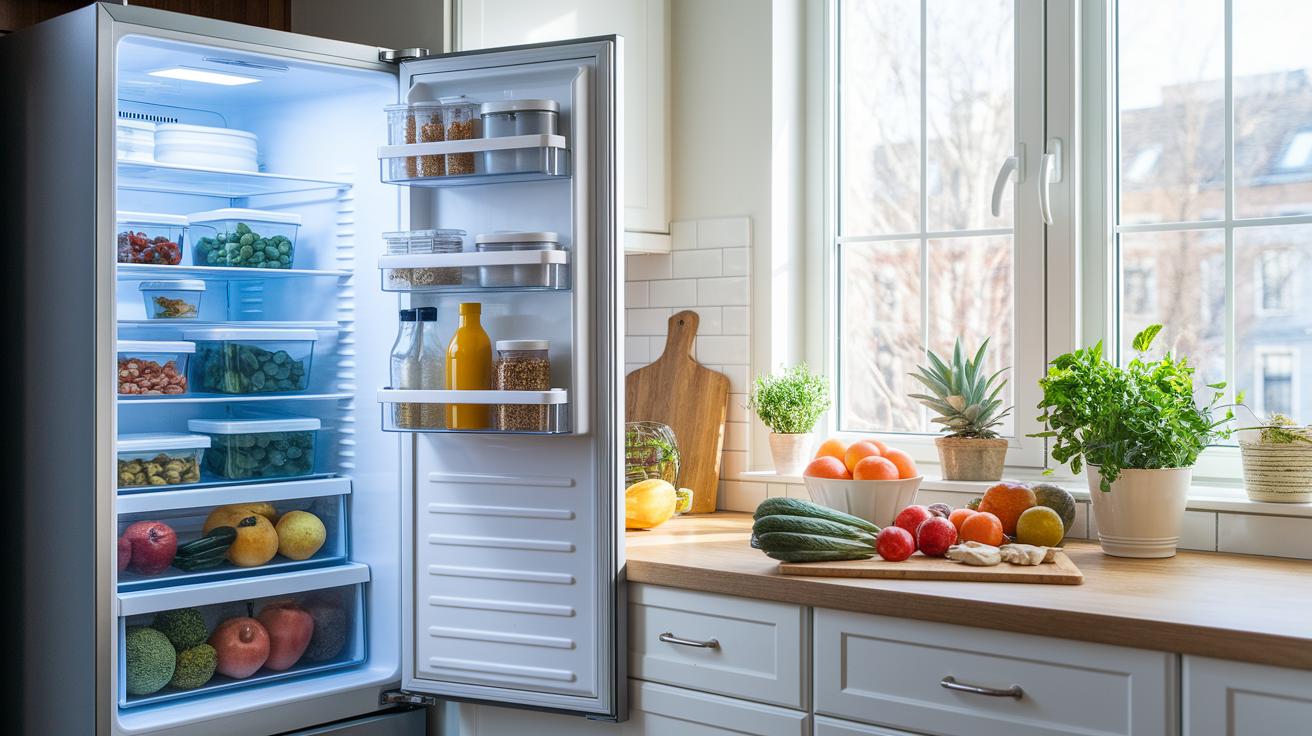
After shopping, set your refrigerator to the right temperature and use reusable containers for fresh items. This little change keeps your food fresh longer and cuts down on waste. Try spending a bit of time on the weekend to prepare your meals in advance. For example, portion out dinners into containers so you have a ready meal on busy nights. Use leftovers in creative ways, like turning roast chicken into a tasty salad, to make mealtime easier and help with portion control.
Make it a habit to check your fruits, vegetables, and dairy regularly. Move items from the back of the shelf to the front so you notice what needs to be used before it spoils. This is especially helpful during holidays when food waste tends to rise. Planning meals and repurposing leftovers keeps your routine on track without taking the fun out of celebrating.
Efficient Pantry Organization
Label your shelves with dates and item names so it’s clear what you have. Use a first-in–first-out system by placing older items at the front and newer ones behind. Spread out your staples to avoid hiding items behind others. These simple steps help you stay organized and make your mindful shopping habits a lasting part of your routine.
Final Words
In the action of planning meals, choosing ethical food options, and using store layouts wisely, every step reinforces mindful grocery shopping tips. Breaking your grocery trip into manageable parts, from drafting a precise list to organizing leftovers, makes your daily routine more intentional and satisfying.
Each strategy, from the 6-to-1 method to efficient pantry organization, helps you save money, reduce waste, and build lasting healthy habits. Enjoy every small win, and let each mindful choice brighten your day.
FAQ
What is mindful grocery shopping and why is it valuable?
The concept of mindful grocery shopping means planning before you shop to curb impulse buys and food waste, resulting in healthier meal strategies and better budget control.
How does Chef Will Coleman’s 6-to-1 Grocery Method help?
Chef Will Coleman’s 6-to-1 Grocery Method helps streamline your grocery list by promoting a flexible approach to meal planning that reduces waste and overspending.
How does planning healthy meals affect shopping habits?
Planning healthy meals guides you to craft a clear grocery list, which reduces impulse purchases and leads to balanced, nutrient-rich meal choices aligning with personal dietary needs.
How can I choose sustainable and ethical food options while shopping?
Choosing sustainable and ethical food options involves opting for locally grown, fair-trade, or certified organic products, which support community well-being and help lower your carbon footprint.
What budget-friendly methods can reduce food waste in grocery shopping?
Budget-friendly methods like coupon stacking, bulk staple buying, seasonal produce selection, price-check apps, and using digital shopping lists keep costs down and limit food waste.
How can store layouts improve mindful grocery shopping?
Store layouts aid in mindful grocery shopping by directing you away from high-impulse zones and toward sections with local or seasonal finds, making shopping a calm and intentional process.
What post-shopping habits support mindful eating?
Post-shopping habits such as proper food storage, batch meal prepping, and timely use of leftovers help preserve food freshness, reduce spoilage, and support ongoing mindful eating practices.
How does efficient pantry organization contribute to mindful grocery practices?
Efficient pantry organization, including clear labeling and a first-in, first-out rotation, minimizes forgotten items and spoilage, ensuring your meals remain fresh and aligned with your planning.