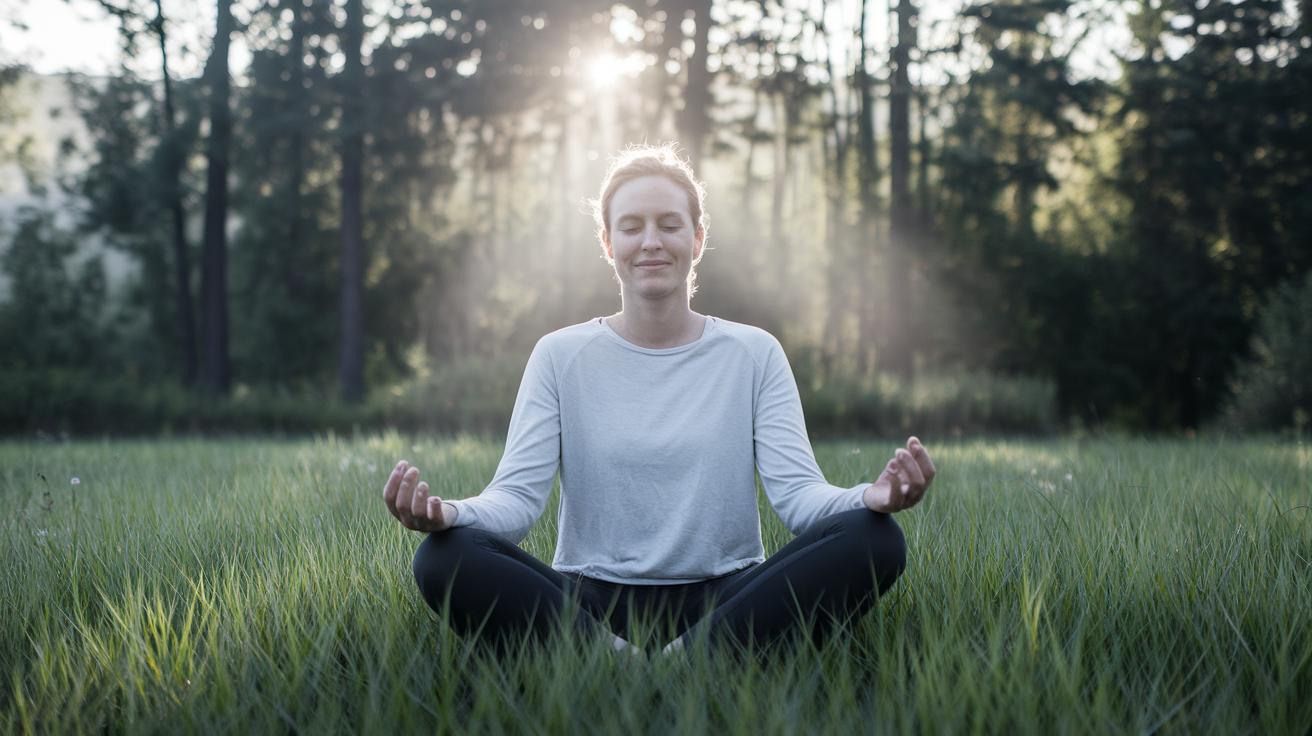
Have you ever noticed that just a few deep breaths could help change your day? Imagine turning your stress into calm and replacing worry with clear focus in just a few minutes. A simple breathing exercise can ease anxiety and lift a low mood, leaving you feeling more grounded and peaceful. Some studies even show that taking short mindful breathing breaks can lower your heart rate and ease stress hormones. Give it a try today, each calm, deep breath is a small win for your mind and well-being.
Mindful Breathing Meditation Benefits
Mindful breathing meditation helps calm your mind and ease stress, anxiety, and low moods. It teaches you to stay in the now and let go of distracting thoughts. Did you know that a short breathing exercise can turn a stressful day into a calmer and clearer one?
A study by Johns Hopkins in 2014 showed that mindful breathing can reduce anxiety, low mood, and physical pain. Then, a Harvard study in 2018 found that just 5 minutes of this exercise can cut stress hormone levels by about 30% and lower your heart rate by 3 to 6 beats per minute. Another study from the University of Miami in 2011 noted that 10 minutes a day boosted focus and mental flexibility by 20%.
With regular practice, mindful breathing can sharpen your concentration and help keep your emotions steady. Whenever you feel overwhelmed, a few minutes can help reset your mind, reduce stress, and boost overall mental clarity and well-being.
Core Mindful Breathing Techniques
For a closer look at these methods, check out mindful breathing techniques.
Diaphragmatic Breathing
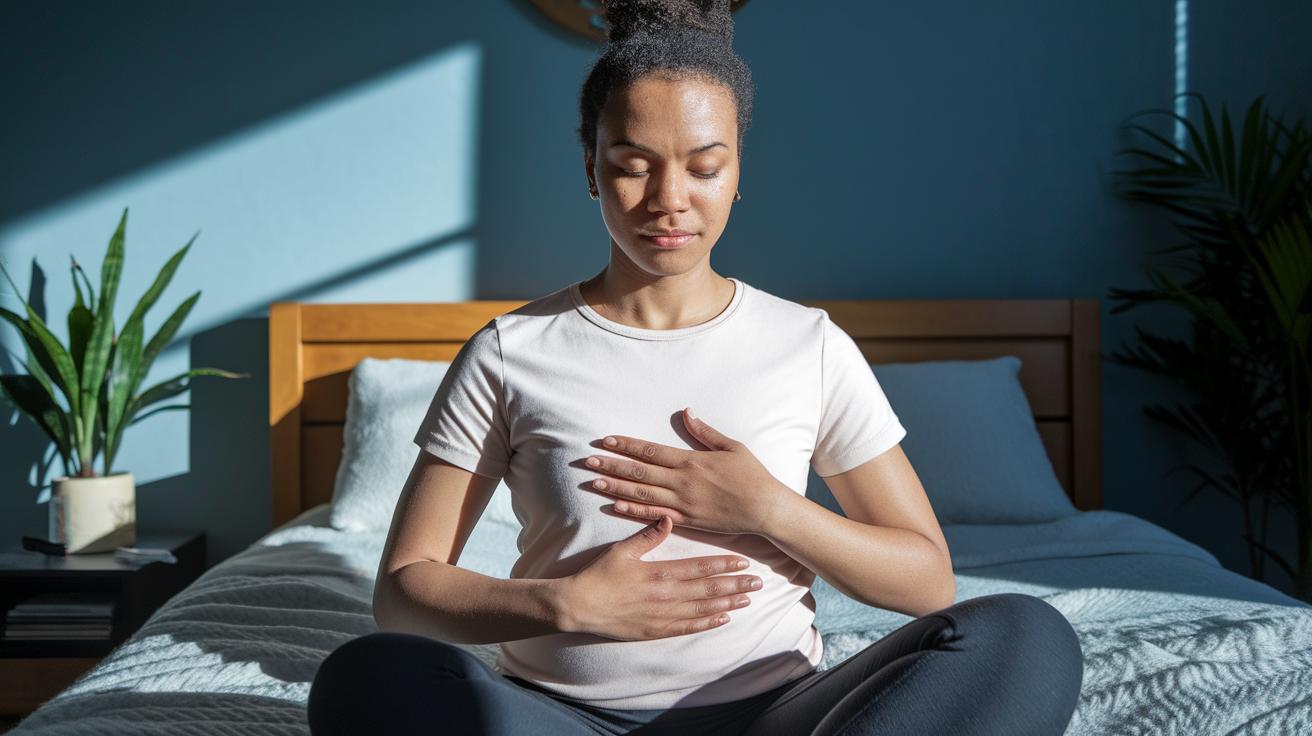
Diaphragmatic breathing helps you take deep, full breaths by using your diaphragm. Place one hand on your belly and the other on your chest. As you breathe in, notice how your belly rises with a gentle expansion. This simple trick supports a relaxed posture and naturally sends calming signals to your body.
4-7-8 Breathing
The 4-7-8 breathing method is easy to remember: breathe in for 4 seconds, hold for 7 seconds, and exhale for 8 seconds. This rhythm sends a quick calm to your nervous system, which makes it a great option when you need a fast reset.
Box Breathing
Box breathing creates a steady pattern for your mind. Breathe in for 4 seconds, hold for 4 seconds, exhale for 4 seconds, and hold again for 4 seconds. This balanced count can improve your focus during stressful times. Try it at the beginning of your day or right before a challenging task.
Alternate Nostril Breathing
Alternate nostril breathing, or Nadi Shodhana, helps balance your energy by giving each nostril equal time, about 5 seconds on each side. Switching between nostrils can help smooth out strong emotions and bring you a few minutes of calm. Enjoy this technique when you need a peaceful break.
Step-by-Step Mindful Breathing Meditation Practice
Find a quiet space where you can relax and be yourself. Sit comfortably with your back straight, and set aside 5 to 10 minutes with no interruptions. Close your eyes and take a few deep, calming breaths to settle in. This method, inspired by Jon Kabat-Zinn, works best when practiced regularly to ease tension and boost focus.
Here’s how to get started:
- Choose a peaceful spot and sit with your back straight.
- Set a timer for 5–10 minutes; close your eyes and let your shoulders relax.
- Focus on the natural rhythm of your breathing, no need to change it.
- If your mind wanders, quietly note “thinking.”
- Bring your attention back to your breath with gentle persistence.
- When the timer goes off, slowly open your eyes and notice how your body feels.
This simple practice helps you manage stress and stay grounded. With regular use, even a short mindful breathing session can recharge your day. If you need some extra help staying on track, consider a guided app or setting a calendar reminder. For a more structured approach, check out https://bezenn.com?p=205.
Mindful Breathing Meditation for Stress and Anxiety Relief
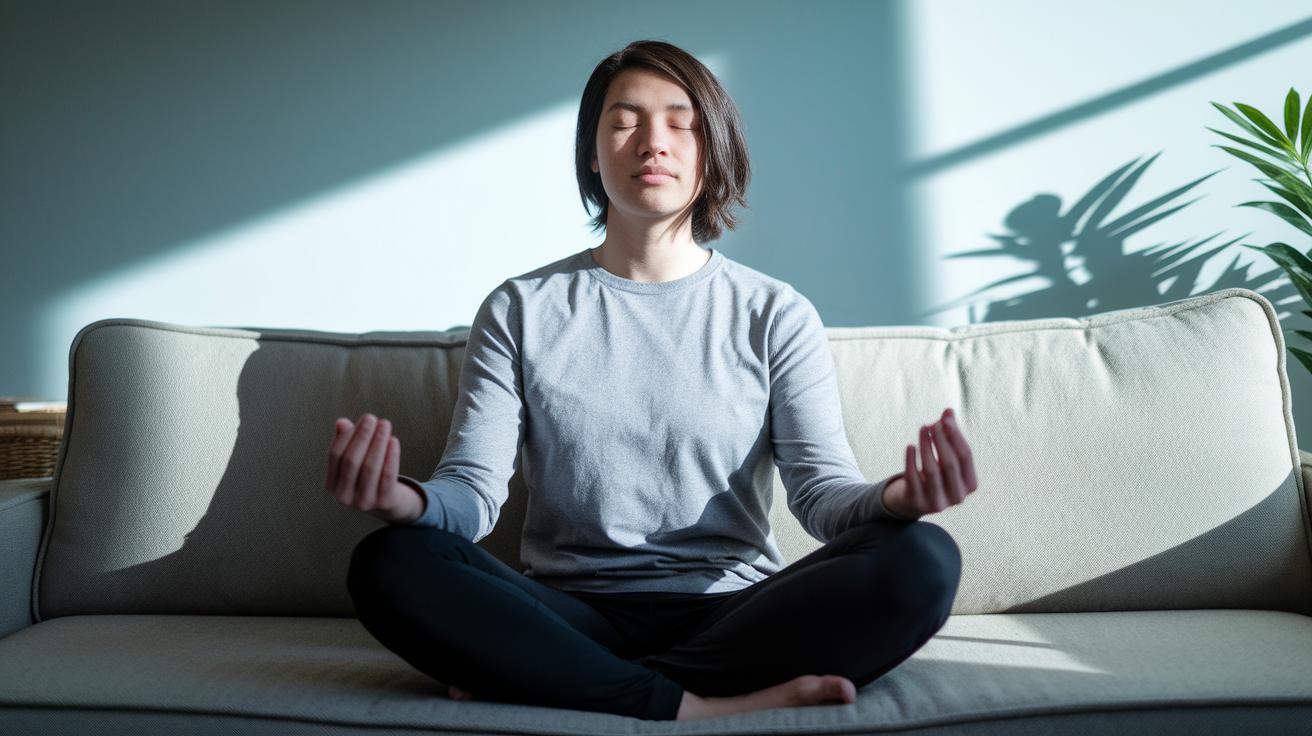
Research shows that spending just a few minutes focusing on your breath can help lower anxiety. In one 2017 review, short mindful breathing sessions were linked to small but steady improvements in anxiety. This means that even a brief pause to breathe deeply can calm your mind, ease stress hormones, and give you a greater sense of control over your emotions.
Brain studies back this up too. A 2016 UCLA study found that just a few deep breaths can reduce activity in the part of your brain that handles fear and stress. This calming effect helps switch off your body's alarm system, easing anxious feelings. In short, mindful breathing not only soothes your mind but also relaxes your body.
For a quick reset during stressful times, try these simple steps:
- When you feel anxiety rising, stop what you’re doing.
- Take several slow, deep breaths, focus on filling your lungs and then slowly let the air out.
- Give yourself a moment to let your mind and body settle.
Regular quick breathing breaks can help build resilience over time. Try to weave this practice into your daily routine for a simple and effective way to stay centered and calm when things feel overwhelming.
Overcoming Common Challenges in Mindful Breathing Meditation
We all experience moments when our minds wander off. Research tells us that our thoughts drift around 85% of the time during the day. If you are just starting out, you might feel sleepy or even frustrated when things don't go perfectly. Sometimes your body may feel uncomfortable if your posture isn't right or if you stretch your session too long.
Try these simple steps to smooth your practice:
- When you notice your mind wandering, label it as “thinking” and gently bring your focus back to your breath.
- Adjust your posture until you feel comfortable.
- Begin with short sessions of 2-3 minutes so you can slowly build up your confidence.
Keep practicing even when it feels like you're not making progress. Every moment you spend with your breath builds quiet strength and awareness. It’s normal to face challenges when learning new skills, so be kind to yourself. Each session is a step toward calming your mind and easing daily stress.
Incorporating Mindful Breathing Meditation into Your Daily Routine

Make your mindful breathing a part of everyday habits so it becomes a natural routine. For instance, right after you brush your teeth, take a moment to focus on your breath. Research from 2013 found that even a short session in the morning can clear your mind and set a positive tone for the day.
You can also sneak in a brief session during your coffee break or between tasks. A few mindful breaths at midday may help reduce work stress and refresh your focus before your next project. This small habit can truly keep your mind balanced even on hectic days.
Try using simple tools to make your practice stick. Set phone reminders or calendar blocks to prompt you, and use a journaling app to note how you feel before and after your session. A daily alarm can further reinforce the habit. Over time, tracking your progress will show that these moments of calm boost your morning attention, ease midday stress, and even improve your sleep at night.
Final Words
In the action, we explored mindful breathing meditation benefits backed by solid research. We laid out key techniques and provided a step-by-step mindful breathing exercise. The post took you through methods to ease stress, boost focus, and overcome common challenges. You now have practical tips to weave this practice into your day. Keep trying these small steps with regularity, they can help balance emotions and sharpen focus. Happy practicing with mindful breathing meditation!
FAQ
Q: What benefits does mindful breathing meditation provide?
A: Mindful breathing meditation provides reduced anxiety, lower cortisol levels, improved focus, and enhanced emotional balance. Studies report decreased depression and pain along with better cognitive performance after just a few minutes daily.
Q: What mindful breathing techniques can I try?
A: Techniques include diaphragmatic breathing, 4-7-8 breathing, box breathing, and alternate nostril breathing. Each method helps lower stress, steady heart rate, and balance the body’s response through structured breathing patterns.
Q: How do I practice a mindful breathing exercise step-by-step?
A: A mindful breathing exercise involves sitting with a straight spine in a quiet spot, setting a short timer, focusing on natural breath, labeling wandering thoughts as “thinking,” and gently refocusing your attention on the breath.
Q: How does mindful breathing meditation relieve stress and anxiety?
A: Mindful breathing meditation calms stress systems by reducing cortisol and amygdala activity. Quick breathing breaks can disrupt the fight-or-flight response within two minutes, offering immediate relief and a steadier state of mind.
Q: What common challenges occur during mindful breathing meditation?
A: Common challenges include frequent mind wandering, feelings of frustration, and physical discomfort from poor posture. Short, consistent sessions with gentle adjustments help build comfort and effectiveness over time.
Q: How can I incorporate mindful breathing into my daily routine?
A: Integrate mindful breathing by linking sessions to daily habits like after brushing your teeth or during a coffee break. Using phone reminders and scheduling short sessions can help maintain a consistent practice.