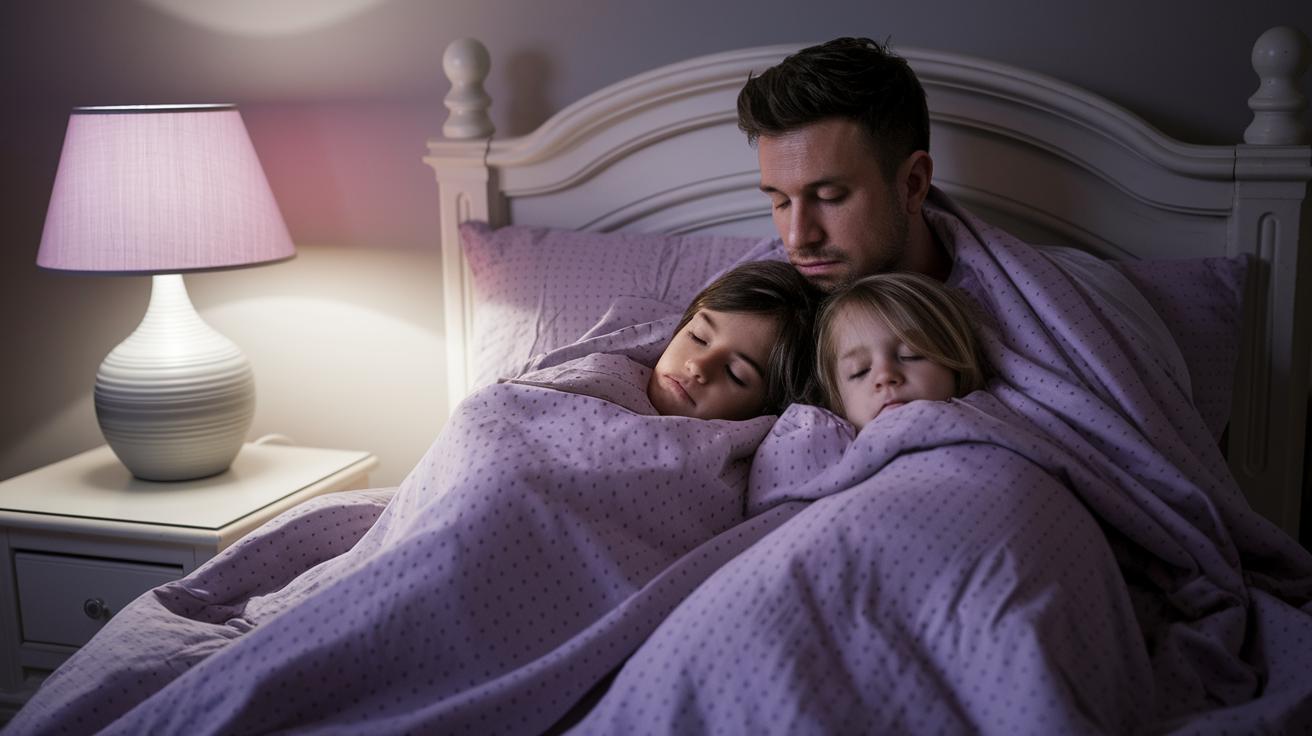
Do you find it hard to calm your mind at night when anxiety takes over? A soothing bedtime routine might be just what you need to ease your thoughts and help you get a better night’s sleep.
Imagine this simple plan:
- Do a few gentle stretches.
- Enjoy a warm bath.
- Take slow, deep breaths.
- Spend a minute or two writing down your thoughts.
- Settle in with some light reading.
These small steps can lower your anxiety and improve how well you sleep. Ready to transform your nighttime chaos into a peaceful ritual?
calming bedtime routine for anxiety: Serene Sleep
Start by choosing a bedtime that gives you 7–9 hours of sleep. For example, if you wake up at 7:00 AM, plan to be asleep between 10:00 PM and midnight. Allow yourself 30–60 minutes to wind down so your mind can gently shift into sleep mode.
Here’s a simple routine you can try:
- Begin with 5–10 minutes of gentle stretching or light yoga. Try seated twists or a gentle child's pose to let your muscles relax.
- Enjoy a warm bath or shower. The heat boosts your body temperature and the cooling afterward can help you feel sleepy.
- Practice diaphragmatic breathing (breathe deeply using your stomach) or follow a short guided mindfulness exercise. Inhale slowly for 4 counts, hold for 2, and exhale for 6. Do this for about 5 minutes so you can feel your worries ease away.
- Spend a few minutes journaling. Write down any lingering thoughts to clear your mind before sleep.
- Relax with some light reading like a gentle fiction or poetry. Pick something that soothes your mind rather than excites it.
Each step builds on the last, helping your mind and body relax together. Try this routine regularly, and adjust it as needed so it fits your schedule and helps you wind down peacefully before bed.
Establishing Sleep Hygiene Practices for Anxiety-Relief at Night
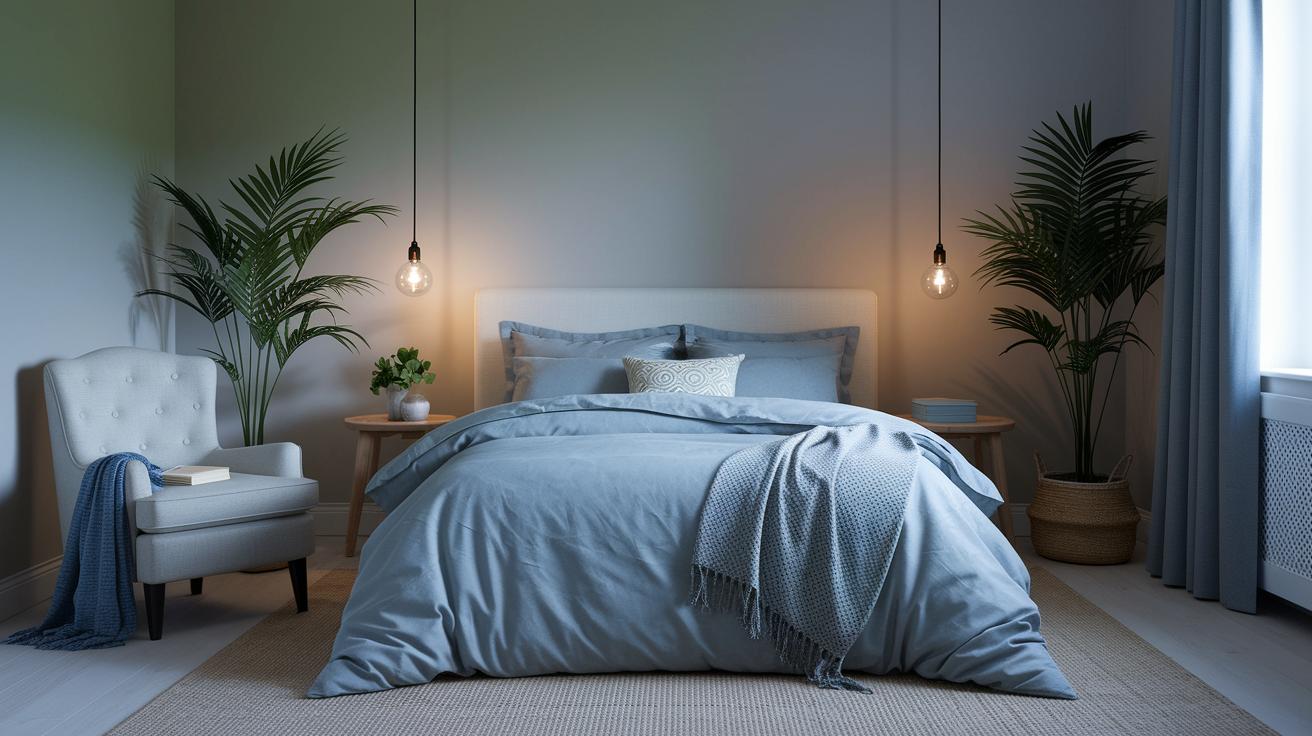
Start by turning your bedroom into a relaxing retreat. Keep the room cool, tidy, and filled with cozy bedding. Add blackout curtains to block outside light, this tells your body it's time to wind down.
Then, try to avoid screens for at least 30 minutes before bed. The light from phones, tablets, and TVs can trick your brain into staying awake by cutting down melatonin (the hormone that signals sleep). Instead, pick up a book, jot down a few thoughts, or listen to soft music. A friend once shared that switching from phone to paperback helped her relax almost immediately.
Next, stick to a regular sleep schedule. Go to bed and wake up at the same time every day, even on weekends. This steady routine trains your body to know when it's time to rest and when to rise. You might even set a gentle alarm to remind you when to begin your wind-down routine.
Mix these steps into a simple nightly ritual that soothes your mind and reduces anxiety. Small changes in your space and habits can signal your body to let go of daytime stress and prepare for a deep, refreshing sleep.
Pre-Sleep Relaxation Techniques to Soothe Nighttime Anxiety
Begin with a simple deep belly breathing exercise. Sit or lie down in a comfy spot. Breathe in slowly for 4 counts, hold for 2 counts, then exhale for 6 counts. Do this for about 5 minutes. As you breathe, you might say, "I feel calm growing a bit more each cycle." This gentle routine can help slow your heart and ease anxious thoughts.
Next, try easing the tension in your body with a muscle relaxation exercise. Start at your feet: squeeze the muscles for about 30 seconds and then let them relax. Move upward to your calves, thighs, abdomen, chest, arms, and finally your face. Focus on how good it feels as the tension lifts away with each release.
For extra calm, consider a short guided meditation before bed. Open an app like Insight Timer or Calm and pick a sleep meditation. Sit or lie down in a quiet place for 5 to 10 minutes. Close your eyes and listen to the guidance, reminding yourself, "This is my time to relax." This helps shift your mind away from the day's stresses.
By blending these techniques, deep breathing, muscle relaxation, and guided meditation, you have a handy set of tools to calm your mind and body before sleep. Use them together or on their own to ease nighttime anxiety and set the stage for a better night’s rest.
Advanced Cognitive Wind-Down Strategies

Wind down your mind with these simple steps. Start by writing down your thoughts. Use a worry journal or jot down affirmations that remind you of your strengths. Spend 5–10 minutes doing creative writing, like capturing unfinished conversations, to clear your mind.
Next, create a gratitude habit. Each night, pause and list three things that went well. You might note a kind act or a small victory from your day. This focus on the positive can help ease anxiety and invite calm.
If your mind is still busy, try a light distraction. Spend a few minutes reading a short, enjoyable story or listen to a soothing podcast. These activities give your mind a gentle break.
Finally, try guided imagery. Close your eyes and picture a peaceful scene, like a quiet lake at dawn or a gentle forest path. Spend about 5 minutes in this calm visualization. This practice signals your brain that it's time to relax and prepare for sleep.
Give these techniques a try tonight and turn your evening into a safe space for calm and renewal.
Sensory Relaxation and Supplemental Rituals for Bedtime Anxiety Relief
Adding calming sensory activities to your bedtime routine can help ease anxiety and gently prepare you for sleep. Start by diffusing essential oils like lavender or chamomile for 15 to 30 minutes before you settle in. Their light, soothing scents tell your brain it’s time to relax.
About 30 minutes before bed, try sipping a warm cup of herbal tea such as chamomile or lemon balm. This simple ritual lowers stress and naturally signals your body that it’s time to wind down.
You might also play soft, sleep-focused music or nature sounds at a low volume. These gentle sounds can cover up background noise and help create a peaceful atmosphere.
If you want a little extra help, you could explore natural sleep supplements. Options like magnesium (200–400 mg) or valerian root (300–600 mg) may support relaxation. However, always check with your healthcare provider before trying something new.
Mixing these sensory techniques builds a routine that tackles anxiety from different angles. As you experiment, notice how each part works together to create a calming space that leads to a deeper, more refreshing sleep.
Final Words
In the action, we broke down a step-by-step guide to winding down and easing nighttime stress. We shared techniques from gentle stretches and mindful breathing to adjusting your sleep space and embracing gratitude exercises. We also looked at sensory options like aromatherapy and herbal teas to calm your mind. Small tweaks, like a light reading session or a warm bath, add up to a solid, calming bedtime routine for anxiety that sets the stage for restful sleep. Keep trying these tips, restful nights are within reach.
FAQ
How to calm anxiety at night naturally?
Calming anxiety naturally at night involves a soothing routine with gentle stretching, deep breathing, and a screen-free transition that shifts your brain from alert to relaxed.
How I cured my sleep anxiety?
I cured my sleep anxiety by using structured sleep hygiene, pre-sleep relaxation techniques, and calming cognitive strategies that eased my racing thoughts and encouraged restful sleep.
What are sleep anxiety symptoms?
Sleep anxiety symptoms include difficulty falling asleep, a racing mind, and tension at bedtime that disrupt your ability to relax and get proper rest.
How to sleep with anxiety and depression?
Sleeping with anxiety and depression is easier with a consistent schedule, a calm pre-sleep routine featuring relaxation methods, and a cool, dark, technology-free sleep environment.
How does a racing mind affect sleep when anxious?
A racing mind can keep you awake by intensifying anxious thoughts; using deep breathing or guided meditation helps slow your pace and prepare your brain for sleep.
What is a good bedtime routine for adults with anxiety?
A beneficial bedtime routine for adults includes gentle exercise, a warm bath or shower, a worry journal, light reading, and minimizing screen time to create a peaceful environment.
How can kids be helped to calm anxiety at night?
Helping kids calm nighttime anxiety involves a consistent routine with calming stories, soft music, and a clutter-free, cool space that makes them feel safe and relaxed.
What is an effective bedtime routine for a baby?
For a baby, a calming bedtime routine may include a warm bath, gentle lullabies, soft lighting, and soothing touches that create a secure and peaceful sleep setting.
What is the 3-3-3 rule for anxious children?
The 3-3-3 rule for anxious children uses three minutes of deep breathing, three calming words, and three positive actions to quiet their mind before sleep.
What is the 3/2/1 bedtime rule?
The 3/2/1 rule encourages three winding-down activities, two minutes of focused relaxation, and one final minute of quiet reflection to signal your body that bedtime is near.