
Ever notice how a rough night of sleep leaves you feeling off? Deep sleep is like a reset button for your brain. When you miss out on it, stress goes up and feelings of anxiety or depression can get worse. Studies show that about 1 in 3 U.S. adults has trouble with quality sleep. In this article, we'll explain how deep sleep clears your mind, sharpens your memory, and steadies your emotions. Read on to learn how a good night’s sleep can lift your mood and help your brain function better.
How Deep Sleep Supports Brain Function and Emotional Well-Being
Deep sleep, also known as slow-wave sleep, is like pressing your brain’s reset button every night. It helps your mind sort out memories and clear away waste, so you wake up with clearer thinking and steadier emotions.
When you don’t get enough deep sleep, your stress can spike and feelings of anxiety and depression may become more intense. In fact, research has shown that skipping quality sleep can make underlying mental health issues feel even worse. Roughly one in three U.S. adults finds this challenging, which shows just how common sleep troubles are.
Not getting enough deep sleep can affect how well you pay attention and make decisions, and it also impacts your mood. Think about how even small tasks can feel overwhelming after a rough night’s sleep. This is why deep sleep is so important for keeping your brain and emotions in balance.
To give your brain the chance to repair and reboot, aim for a regular sleep routine. Try making your sleep space cool, dark, and quiet. These small changes can help you enjoy better mental clarity and a more balanced mood each day.
Neurophysiological Processes During Deep Slumber and Mental Clarity
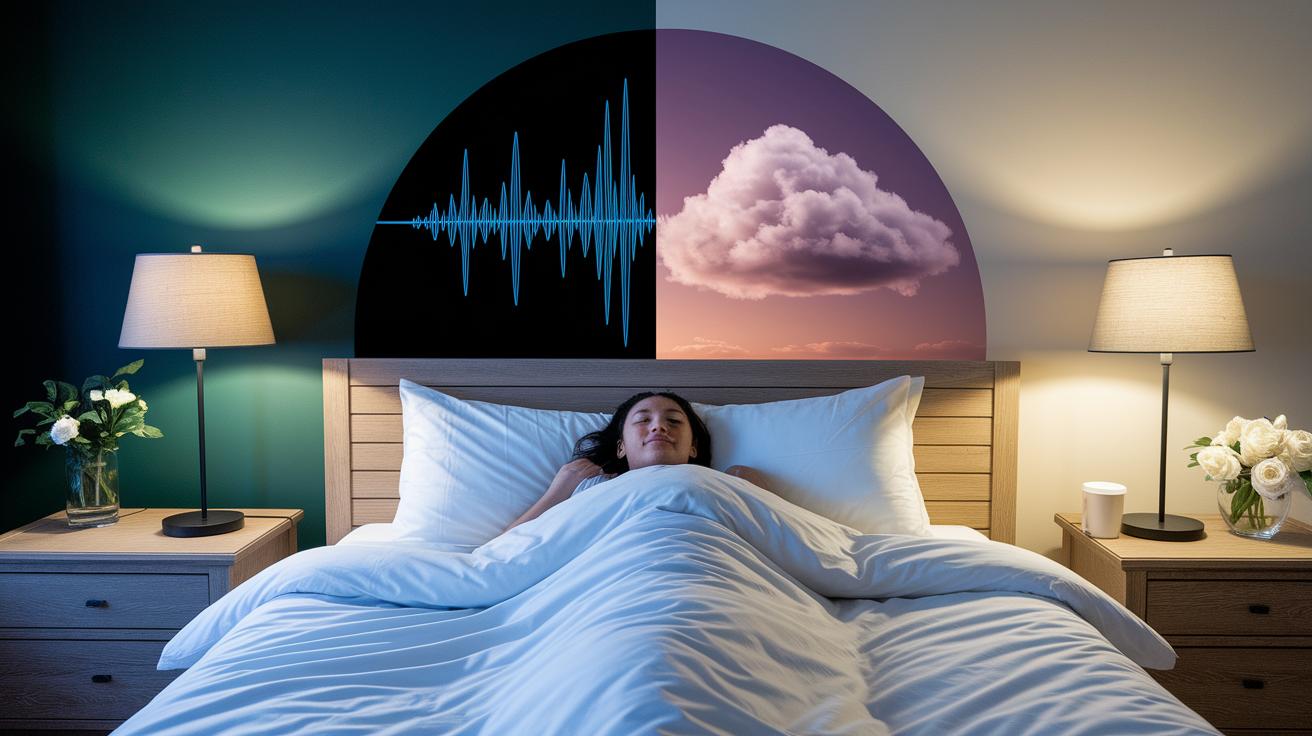
Every 90 minutes or so, your body goes through a full sleep cycle. Each cycle moves from one phase to the next, including a deep sleep phase (NREM) and a lighter, dream-filled phase (REM). During deep sleep, your brain produces delta waves (very slow brain waves) that help lock in memories and clear out waste. Think of it like tidying your desk so you can start fresh the next day.
In REM sleep, your brain focuses on sorting out your feelings. This phase fine-tunes your brain’s connections and helps keep your mood steady. In other words, deep sleep repairs and cleans up, while REM sleep helps you handle emotions and stress better.
Imagine your brain is like a small factory. In deep sleep, it shuts down briefly to fix broken parts. Then, in REM sleep, it restarts to check quality control. Together, these phases keep your mind clear, balanced, and ready for the day ahead.
Impact of Restorative Sleep Deprivation on Psychological Health
When you miss out on deep sleep, it becomes harder to concentrate, and even everyday tasks can feel like a burden. Without enough deep sleep, your brain doesn’t have the chance to reset, which makes it tougher to make decisions.
Around 10–30% of adults experience insomnia, often trapping them in a loop of sleep loss and heightened emotions. When your brain can’t fully recover, you may feel more anxious or down, and that stress can lead to even more sleepless nights. Even one restless night can turn simple chores into major challenges.
Research shows that a good night’s sleep helps control your mood and reduces anxiety. Keeping a steady sleep routine and making your bedroom quiet and dark are simple steps that can break this cycle. By improving your sleep habits, you not only sharpen your focus but also help keep your emotions in check.
Hormonal Equilibrium and Neuroplasticity in Deep Sleep

Deep sleep is like a nightly reset that helps your body and mind recharge. During this time, your body increases melatonin (a hormone that supports sleep and lifts your mood), which can ease feelings of depression and boost your overall happiness.
At the same time, deep sleep helps lower cortisol, a hormone linked to stress. When cortisol drops, your body gets a break from constant stress, leaving you feeling calmer and more balanced.
This stage of sleep also strengthens your brain’s wiring. As your brain builds and refines connections between nerve cells, you’re more likely to remember new information and think clearly the next day. Think of it as a tune-up that readies you for tomorrow’s challenges.
By balancing hormones and enhancing brain connections, deep sleep supports both emotional stability and clear thinking.
Strategies to Enhance Deep Sleep for Improved Mental Health
Keep a regular sleep schedule and set up a cool, dark, and quiet room each night. A steady bedtime helps your body wind down and supports a balanced mood and sharp thinking. For instance, turning off screens at least 30 minutes before bed reduces blue light that can interfere with melatonin (the sleep hormone).
Create a calming bedtime routine. Try simple steps like taking three slow, deep breaths while sitting quietly. These moments can lower your stress and signal to your brain that it's time to rest.
Add a few minutes of mindfulness or meditation to your evening. Spending 5–10 minutes quietly meditating or writing down a few thoughts can lessen nighttime worries and clear your mind, helping you get a deeper sleep.
Keep stimulants like caffeine and nicotine away after the early evening, and skip heavy meals 2–3 hours before bed. If you’re a bit hungry, choose a light snack instead. Also, limit daytime naps to 20–30 minutes so they don’t mess with your sleep at night. Regular exercise during the day is helpful too; just finish intense workouts a few hours before you hit the hay.
Improve your sleep area with comfy bedding, soft lighting, and a cool room temperature. If noise bothers you, try using a white noise machine or earplugs. Small changes in your evening routine can lead to a better night’s sleep and improved mental well-being.
Final Words
In the action, you now have a clear picture of how deep sleep resets brain function, bolsters mood regulation, and aids memory consolidation. We discussed how quality sleep supports hormonal balance, brain detox, and even neuroplasticity. Simple changes, like a consistent bedtime routine and a calm sleep environment, can boost the impact of deep sleep on mental health. Take these practical steps today. Small shifts in your nightly routine can lead to lasting benefits for both body and mind.
FAQ
How does lack of sleep affect mental health?
Lack of sleep affects mental health by increasing feelings of anxiety and depression while impairing attention and decision-making. Research shows that poor sleep habits contribute to emotional instability and cognitive challenges.
How does sleep improve mental health?
Sleep boosts mental health by enabling brain detoxification, memory consolidation, and hormonal balance. Regular, quality sleep supports mood regulation and improves overall emotional and cognitive stability.
What happens when you don’t get deep sleep?
Not getting enough deep sleep disrupts memory consolidation and brain detoxification, leading to mood swings, slower reaction times, and increased stress levels that can affect overall mental well-being.
What is the single most important bedtime habit?
A consistent bedtime routine is the most crucial habit, as it helps establish a reliable sleep pattern, prepares the mind for rest, and supports the quality of deep sleep needed for mental clarity.
How many minutes of deep sleep should you get?
Aim for 90 to 120 minutes of deep sleep per night, which is roughly 20–25% of a full sleep cycle for an 8-hour rest, supporting memory consolidation and emotional balance.
Why am I only getting 30 minutes of deep sleep?
Getting only 30 minutes of deep sleep may signal a disrupted sleep routine, stress, or possible sleep issues. Assessing nighttime habits and adjusting your sleep environment can help increase deep sleep duration.