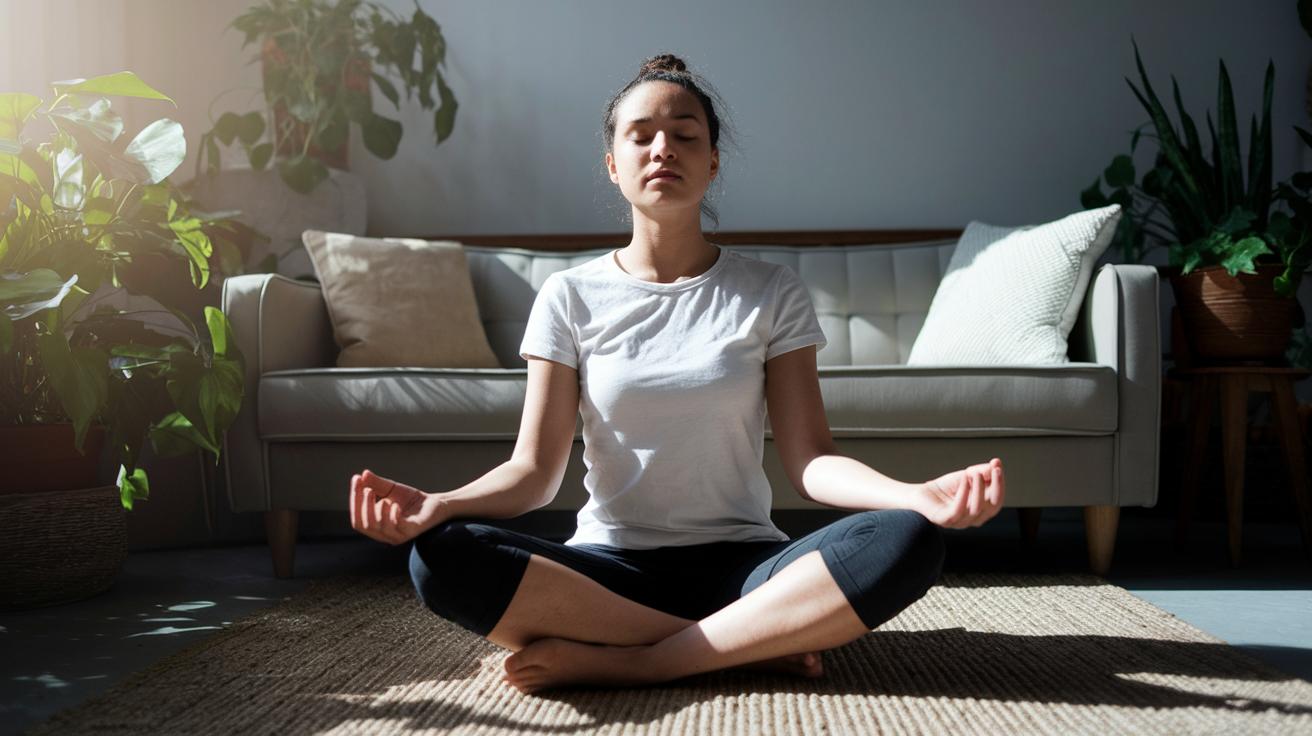
Ever wonder if a simple walk or a few mindful moves might calm your anxiety? New research suggests that gentle exercise paired with slow, deep breaths can bring calm in just minutes. In this article, you'll learn how a brisk walk, simple yoga poses, or a quick strength routine can help shift stress into a more peaceful state. We also share easy breathing drills that send a clear signal to your brain to relax. Keep reading for everyday, actionable tips to ease anxiety and help you feel better fast.
Effective Anxiety Reduction Exercises for Immediate Calm
Regular exercise helps lower stress hormones and boosts feel-good chemicals in your body. Aerobic workouts, yoga, and strength training each offer a unique way to ease anxiety. A brisk 10-minute walk that gets your heart pumping not only increases oxygen flow but also helps clear your mind, much like recharging your body and spirit on a fresh morning.
Yoga pairs gentle postures with deep, mindful breathing to relax both muscles and thoughts. Try a simple routine that includes the Child’s Pose, a move that soothes tension and makes you feel more grounded.
Strength training goes beyond building muscle; it also lifts your confidence and gives you a sense of control. A short session with light weights can leave you feeling empowered and ready to face the day. Combining these exercises with proper breathing techniques creates a practical, everyday tool to quickly reduce stress.
Breathing Techniques Essential for Anxiety Reduction
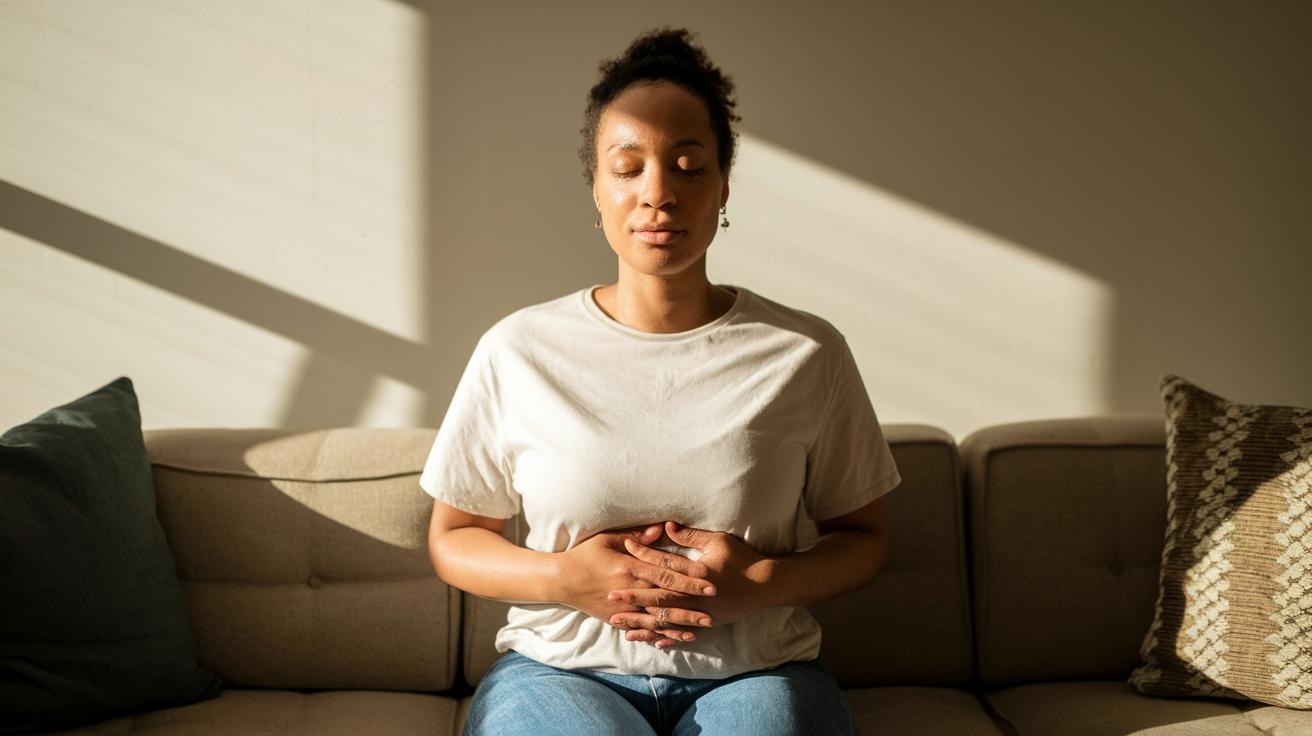
Deep belly breathing uses your diaphragm (the muscle below your lungs that helps you breathe) rather than your chest. It tells your body to relax by lowering stress hormones. Sit comfortably with your back straight and place one hand on your stomach. Slowly breathe in through your nose, feeling your belly rise more than your chest. For more help and step-by-step instructions, visit this resource: deep breathing for anxiety attacks.
Now try a simple routine. Do 3 to 5 cycles in one session until you feel comfortable. Notice how each breath sends a calming signal to your nervous system and eases your anxiety.
Another method to try is the 4-7-8 breathing technique. Breathe in for 4 seconds, hold your breath for 7 seconds, and then exhale slowly for 8 seconds. This steady rhythm can help reset your breathing and bring calm quickly. Repeat this cycle when you feel stressed.
Box breathing is also a great option. Inhale, hold your breath, exhale, and then hold again, all for the same amount of time. This balanced approach helps steady your heart rate and keeps your mind focused.
Paced breathing, where you aim for 5 to 6 breaths per minute, can also make you feel almost meditative. It slows your breathing and deepens your sense of relaxation. Experiment with these techniques until you find the one that fits your day best, helping to ease anxiety quickly.
Mindfulness and Meditation Exercises to Reduce Anxiety
Mindfulness and meditation can really help lower anxiety by making you more aware of your body and calming your mind. When you mix these practices with deep belly breathing (the kind of breathing that fills your tummy with air), you'll start to feel less tense and more relaxed as you watch your thoughts without judging them.
Try these five exercises:
- Body Scan: Slowly shift your focus from one body part to the next. Notice any feelings or tight spots, and let go of the tension.
- Loving-Kindness Meditation: Start by wishing kind thoughts for yourself. Then, extend those feelings to others. This simple practice builds warmth and eases stress.
- Guided Imagery: Close your eyes and picture a peaceful place, like a quiet beach or a calm garden. This technique can help steer your mind away from worries. For help getting started, try a guided session at this link: https://spiritushealingarts.com?p=274.
- Mindful Walking: Turn a regular walk into a meditation by paying attention to each step, your breath, and the sounds around you. This brings you fully into the moment.
- Thought Labeling: Watch your thoughts as they come up, and gently name them (like "worrying" or "planning") without getting stuck on them.
Add these exercises to your daily routine to help keep your mind clear and calm when stress strikes.
Yoga and Movement Routines for Anxiety Reduction
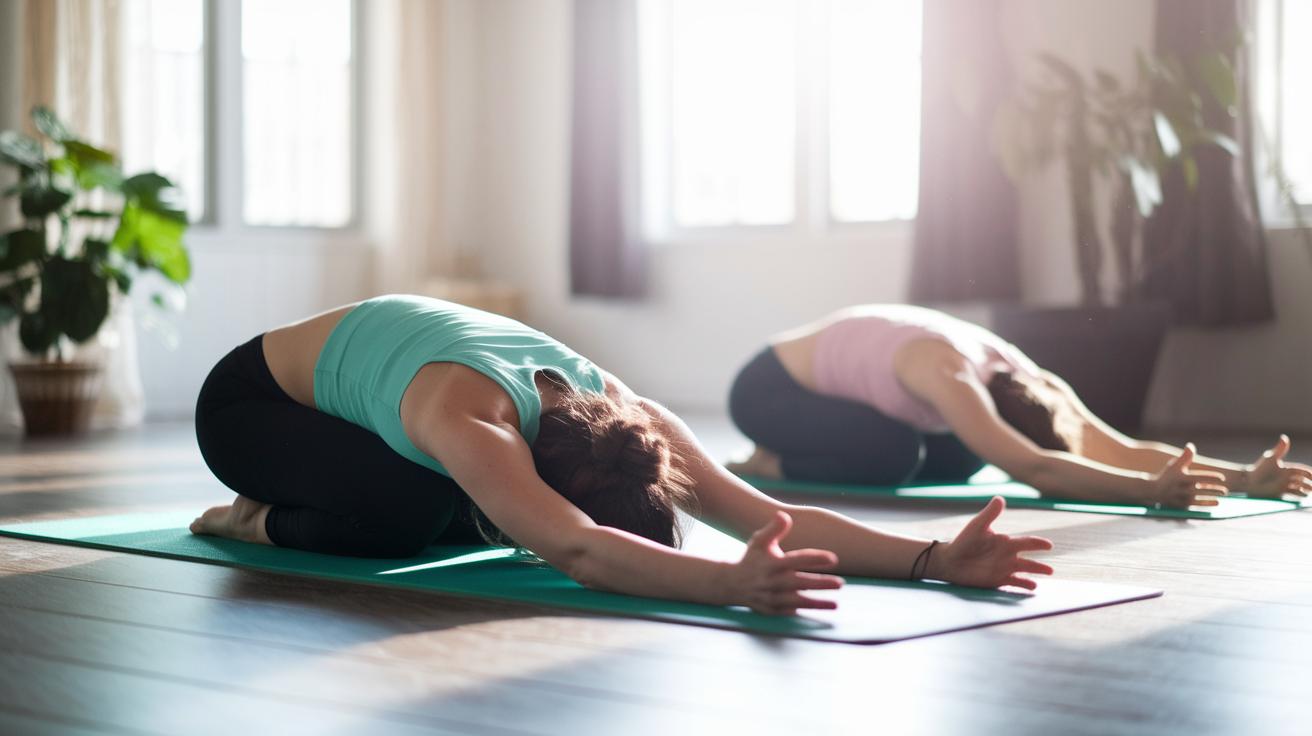
Moving your body can help ease stress and bring a quick sense of calm. Try yoga, it blends simple poses, deep breathing, and a little meditation to soothe both your body and mind. For instance, Child’s Pose (Balasana), which relaxes tight muscles and helps you feel grounded, might be a great start. For more ideas on using yoga for stress relief, check out this resource: https://spiritushealingarts.com?p=194.
Tai Chi uses slow, gentle movements that feel almost like a peaceful dance. Its smooth flow and mindful breathing can help you settle into a calmer state. Similarly, Qigong focuses on steady, repeating moves to balance your energy and bring inner peace.
Even a short, brisk walk can do wonders. A walk not only boosts oxygen flow, but also helps your mind clear, making space for fresh thoughts. And if you feel stiffness around your neck, shoulders, or back, a few minutes of targeted stretching can turn that tension into a moment of relief.
| Practice | Key Benefits | Suggested Duration |
|---|---|---|
| Yoga | Combines poses, breathing, and meditation to soothe body and mind | 20-30 minutes |
| Tai Chi | Slow moves that create a steady, peaceful flow | 20 minutes |
| Qigong | Gentle motions to balance energy and calm the mind | 15-20 minutes |
| Aerobic Walking | Rhythmic pace that clears your mind and boosts oxygen | 10-15 minutes |
| Targeted Stretching | Releases tension in the neck, shoulders, and back | 10-15 minutes |
Progressive Muscle Relaxation and Stretching for Anxiety Relief
Progressive muscle relaxation is a simple way to let go of built-up tension. Start by sitting or lying down in a comfortable spot. Then, slowly squeeze a group of muscles for about 5 seconds and relax them completely for around 20 seconds. With each cycle, you can feel a clear shift between the tightness and the relaxation. This change may help lower stress hormone levels and give you a gentle reminder to focus on the present. If you'd like more ideas for easing anxiety, check out this guide on stress management techniques for anxiety (https://bezenn.com?p=571).
You can begin at your feet and work your way up, paying attention to your calves, thighs, and arms. This routine not only relieves physical tension but also builds a connection between your body and mind. To further ease stress, add some focused stretches, especially for your neck, shoulders, and back, areas that can hold a lot of tightness. Short sessions that include these moves, along with a bit of light strength work like gentle, low-weight lifts, can boost your confidence and help reduce feelings of helplessness.
By making these exercises a regular habit, you'll have a dependable way to calm yourself when stress hits.
Incorporating Anxiety Reduction Exercises into Daily Routines
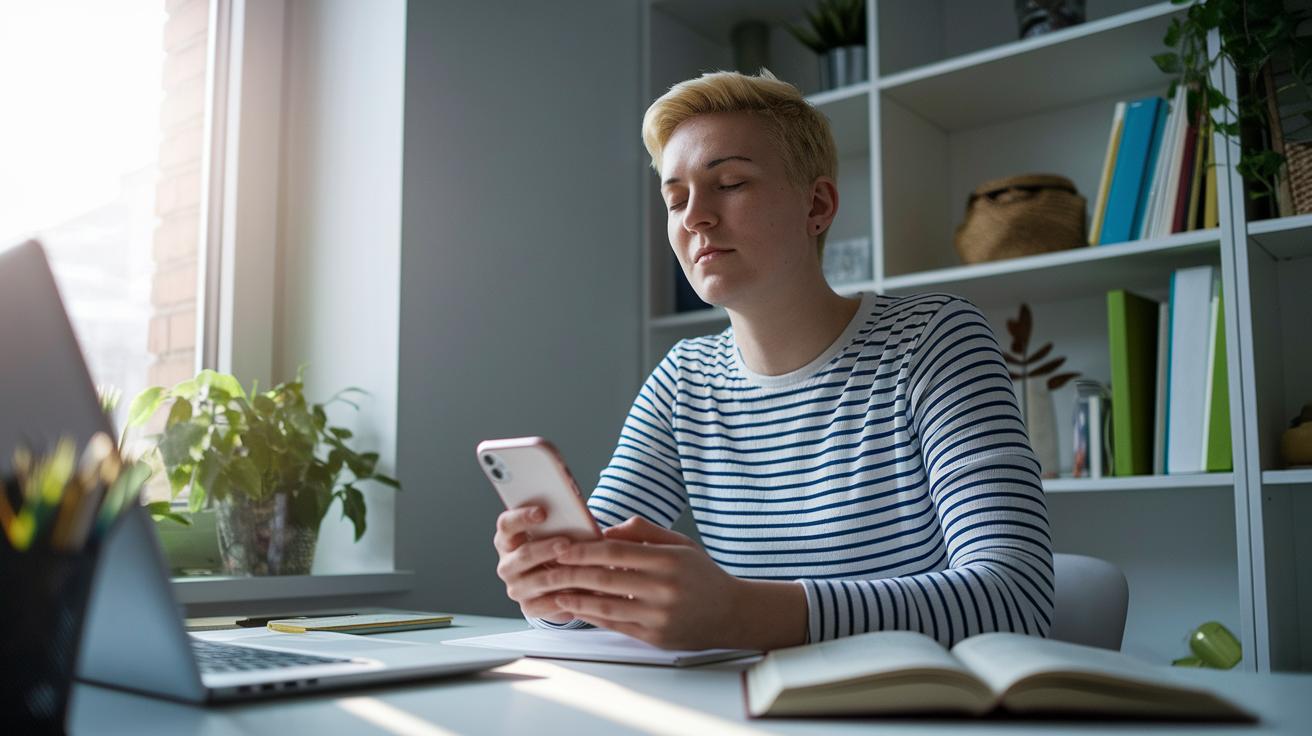
Fit anxiety-reducing exercises naturally into your day during familiar breaks. For example, if you start work early, set a phone reminder for a quick 5-minute breathing break as soon as you sit down. This small act builds a ready-to-use stress toolkit to help carry you through your day.
If your schedule is unpredictable, try using an app or calendar alert to plan short sessions at odd times. You might say, "I do a brief stretch just before lunch, it resets my focus." This way, your practice adapts smoothly to your lifestyle.
Mix up your mid-day and evening routines by pairing simple activities with mindful moments. During a break, don’t just walk, breathe deeply and take a moment to appreciate the pause. In the evening, set up a wind-down routine that might include gentle relaxation, a little reflection, or quick journaling to signal your body it’s time to slow down.
| Time of Day | Customized Activity |
|---|---|
| Morning | A 5-minute deep breathing session set by a phone reminder |
| Mid-day | A short walk or stretch combined with a mindful pause |
| Evening | A wind-down routine featuring relaxation and a brief reflection |
Experts say that having a set routine can ease anxiety by setting clear steps and reducing decision fatigue.
Final Words
In the action of managing anxiety, the exercises given here bring immediate relief. Focus on rhythmic breathing, mindful movement, and targeted muscle relaxation to lower stress and boost confidence.
Regular practice of these anxiety reduction exercises can lead to lasting calm. Start small by adding simple breathing techniques, gentle yoga, or daily movement breaks. Each step builds a routine that helps clear your mind and stabilize your mood. Stay positive and celebrate every win along the way.
FAQ
What mental exercises can help with anxiety and depression?
Mental exercises for anxiety and depression include practices like mindfulness, journaling, and cognitive techniques that shift your focus from negative thoughts to a calmer mindset, supporting emotional balance.
What is the best exercise for reducing anxiety and panic attacks?
The best exercise for anxiety and panic attacks often combines aerobic activity, yoga, and deep breathing. These methods boost endorphins, lower stress hormones, and help your body relax during overwhelming moments.
What are some quick relaxation techniques for anxiety?
Quick relaxation techniques for anxiety include deep diaphragmatic breathing, grounding exercises, and gentle stretches. These practices help lower your stress level and refocus your mind during moments of heightened anxiety.
How does regular exercise help ease anxiety symptoms?
Regular exercise, such as brisk walking or yoga, reduces anxiety by stimulating endorphin release and lowering cortisol levels. It creates a natural mood boost that can ease anxiety symptoms over time.
What breathing exercises ease anxiety attacks?
Breathing exercises like the 4-7-8 method and box breathing help calm anxiety attacks by slowing your heart rate and promoting controlled, deep breaths that reduce stress and bring immediate relief.
Where can I find mindfulness exercises for anxiety in PDF form?
Mindfulness exercises for anxiety PDFs offer guided steps for body scans and breathing techniques. These easily available resources provide clear instructions to help you manage stress anytime.
What is the 3-3-3 rule for anxiety?
The 3-3-3 rule for anxiety involves naming 3 objects you see, 3 sounds you hear, and moving 3 body parts. This simple grounding technique helps divert your focus during stressful moments.
Which exercise reduces anxiety the most?
Aerobic exercises like brisk walking and light jogging reduce anxiety effectively by releasing endorphins and lowering stress hormones, offering a practical way to gain a calmer state and improved mood.
What are natural remedies for anxiety during pregnancy?
Natural remedies for anxiety during pregnancy include gentle exercises such as yoga, deep breathing, and mindfulness meditation paired with proper nutrition and sleep. Always consult your doctor before starting new routines.
What is the 555 rule for anxiety?
The 555 rule for anxiety suggests listing 5 things you see, 5 you feel, and 5 you hear. This grounding exercise shifts your focus from anxiety and promotes a calming effect during distressing moments.