
Ever wonder if your deep sleep is really doing its job repairing your muscles and boosting your immune system? Deep sleep works like a nightly tune-up, it helps clear out brain waste and helps lock in your memories. In this post, we’ll show you how much deep sleep you need to wake up feeling ready to take on your day. We break down why deep sleep is so important and share some simple tips to improve your sleep routine. Just 1 to 2 hours of deep rest might be the secret to feeling healthier and more refreshed.
How Many Hours of Deep Sleep Do You Need Each Night?
Deep sleep is the part of sleep when your body repairs tissues, builds muscle and bone, and even boosts your immune system. It happens during stages 3 and 4 of non-rapid eye movement sleep (also known as slow wave sleep). Think of this phase as your body’s nightly tune-up that cleans out brain waste and helps lock in memories so you wake up feeling ready for a new day.
Most experts advise that adults aim for 7–8 hours of total sleep each night, with about 20–25% of that time being deep sleep. This means you should try to get around 1 to 2 hours of deep, restorative sleep. Setting up a calm bedtime routine and sticking to a consistent sleep schedule can make a real difference in boosting your deep sleep quality.
Hours of Deep Sleep Per Night by Age Group
Each stage of life has its own sleep needs, including the amount of deep sleep that helps our bodies and minds reset. For example, kids and teens need about 9.5 hours of sleep each night, with roughly 2.5 hours dedicated to deep sleep. Adults aged 18–64 should aim for 7–9 hours per night, enjoying around 1.75 to 2.25 hours of deep sleep that supports repairing tissues and strengthening memory. Meanwhile, older adults over 60 typically get about 5 hours of sleep, with a shorter deep sleep phase that might leave you feeling less refreshed. Use this guide to tweak your sleep schedule for better rest.
| Age Group | Total Sleep | Recommended Deep Sleep Hours |
|---|---|---|
| Children/Teens | ~9.5 hours | ~2.5 hours |
| Adults (18–64) | 7–9 hours | ~1.75–2.25 hours |
| Older Adults (60+) | ~5 hours | Shorter deep sleep phase |
Why Sufficient Deep Sleep Matters for Health
Deep sleep isn’t just rest, it kick-starts key processes that boost your immune system. When you’re in deep sleep, your body creates cytokines (proteins that help fight infections) and keeps inflammation balanced with repair. One study found that just an extra hour of deep sleep over several nights helped improve natural killer cell activity, which in turn aids in fighting viruses and bacteria.
Lacking enough deep sleep can make you more likely to get sick. When your deep sleep is cut short, your body struggles to clear waste from the brain and manage inflammation. This can even lead to changes in mood and a drop in mental sharpness. In short, missing out on deep sleep may leave you more vulnerable to everyday illnesses.
Deep Sleep Within Your Sleep Cycle Explained
A full sleep cycle has five stages. You start awake, then move into light sleep (about 5% of your sleep). After that, you enter a deeper sleep (roughly 45%), followed by the deepest non-REM sleep known as deep sleep, and finally REM sleep (about 25%). Each cycle begins with a light sleep stage that smoothly transitions you into the more restorative phases. Deep sleep (or slow wave sleep) is when your body repairs tissues, builds muscle and bone, and boosts your immune system.
Every cycle has brief changes between stages that help your body stay regulated. The early cycles pack in most of the deep sleep, giving your body a prime time for repair and recovery. Even though deep sleep only takes up part of your night, it is essential for creating strong memories and keeping your brain healthy. By entering deep sleep early in your cycle, your body maximizes its chance to repair and prepare for the next round.
Most nights, you go through four to five complete sleep cycles. With each cycle, the balance between deep sleep and REM sleep shifts, letting your body focus more on recovery as the night goes on. This pattern shows why getting enough sleep is so important. Without enough cycles, you might miss the key deep sleep that keeps you refreshed during the day. Keeping a consistent sleep schedule helps maintain these natural cycles and improves the quality of your rest.
Natural Methods and Lifestyle Tips to Boost Deep Sleep
Changing small parts of your everyday routine can make your sleep deeper and more refreshing. Try one or two of these ideas tonight to help your body enjoy a better rest.
- Keep your bedroom cool and dark. A cool room with blackout curtains tells your body it's time to wind down.
- Avoid screens one hour before bed. Turn off your phone, tablet, and TV so your body can naturally create melatonin (the sleep hormone).
- Stick to a set sleep schedule. Going to bed and waking up at the same time every day helps your body settle into a steady routine.
- Eat a lighter dinner. A heavy meal can make it hard for you to sleep, so opt for a smaller, gentle meal instead.
- Do a bit of yoga or meditation. Even a short, calm session can ease your stress and clear your mind.
- Consider melatonin supplements occasionally. Use them only after chatting with your healthcare provider to help signal sleep when needed.
- Build a calming bedtime ritual. Whether you enjoy a warm bath or reading a book, a regular routine tells your body it's time to rest.
Stick with these steps, and soon you might feel more energized with each day. Deep sleep supports muscle repair, tissue recovery, and overall well-being, so a little consistency can go a long way in making your nights more refreshing.
Tracking Your Deep Sleep Patterns With Wearables
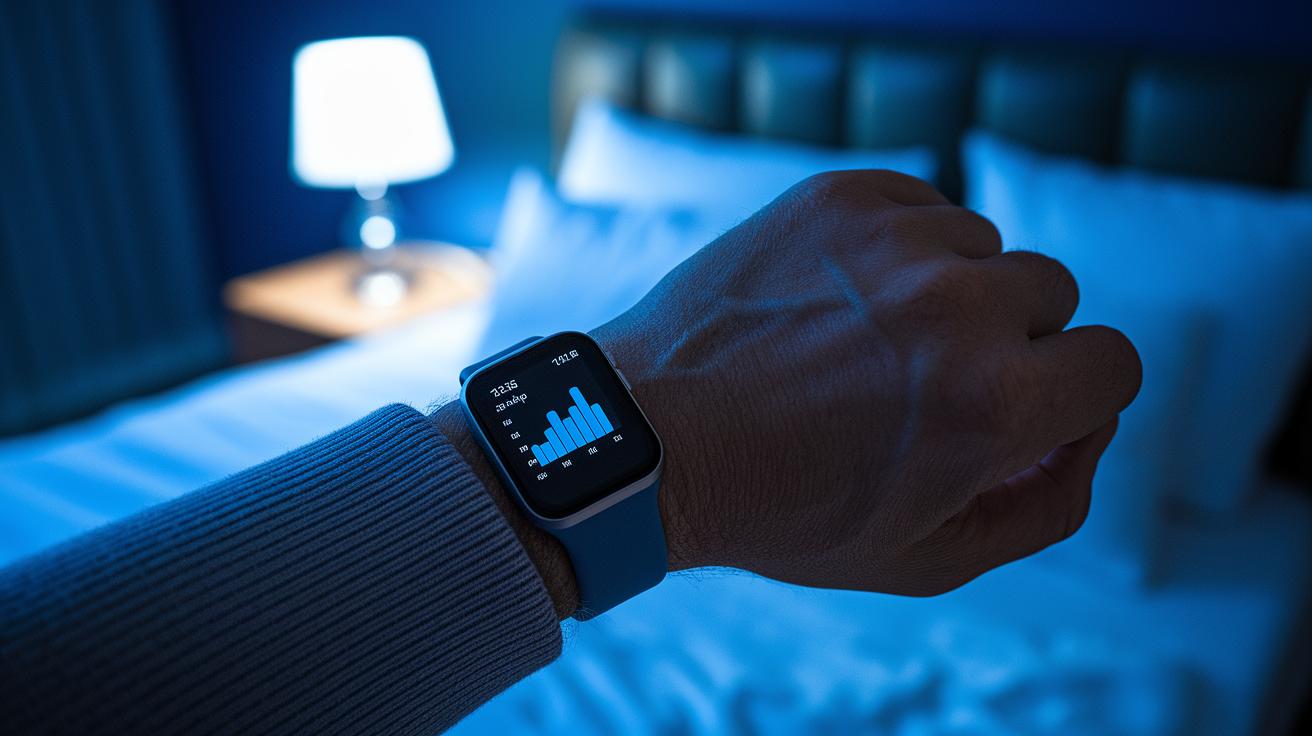
Wearable sleep trackers and smart devices watch your movement and heart rate to estimate your deep sleep. They break down your night into different sleep stages, showing how long you spend in deep sleep and other phases. These gadgets use small sensors to pick up tiny changes in your body's activity, giving you a clear picture of your rest. For instance, a wrist tracker might record when you fall asleep and note when your heart rate slows down, a sign you could be in deep sleep. Over time, the steady data can help you see patterns and make small changes to improve your sleep.
Keep in mind, though, that these devices aren't perfect. Some may miss short deep sleep periods or confuse movement with sleep signals. Results can vary by brand and model, so use the readings as a helpful guide rather than an exact measurement. With regular use, you can spot trends and find ways to support more refreshing sleep night after night.
When to Consult a Professional About Deep Sleep Deficits
If you often feel tired during the day, notice mood shifts like irritability, or struggle to stay alert, it might be more than just a rough sleep phase. Low deep sleep can hint at issues such as sleep apnea (when you briefly stop breathing during sleep), restless legs (uncomfortable sensations in your legs), or insomnia. When simple changes, like better sleep habits or slight lifestyle adjustments, aren’t working, it could be a sign to get a closer look.
Persistent problems with deep sleep may mean there’s an underlying sleep disorder. If you frequently experience disruptions, constant daytime drowsiness, or symptoms like gasping for air at night, it’s a good idea to speak with a sleep specialist or your doctor. Getting professional advice can help uncover any hidden issues and guide you toward better rest and improved overall well-being.
Final Words
In the action, this blog post laid out clear insights on deep sleep, from understanding its role in tissue repair and memory to age-specific guidelines using simple charts. It offered practical tips like keeping a cool, dark room and consistent bedtimes to boost deep sleep quality.
Now, consider how many hours of deep sleep do you need to feel alert and support overall health. Embrace one small change tonight and look forward to better rest tomorrow.
FAQ
How much REM sleep do you need?
The amount of REM sleep needed differs by age. For adults, REM sleep should account for about 20–25% of a 7–8-hour sleep period, which comes to roughly 1.5 to 2 hours.
How much deep sleep is needed by age, and is 1 hour of deep sleep enough or is 3 hours good?
Deep sleep supports body repair. Adults typically need about 1–2 hours, children and teens around 2.5 hours, and older adults may get less. One hour might be low for most adults, while three hours can be normal for younger sleepers with longer sleep durations.
How much light sleep do you need?
Light sleep usually makes up about half of your total sleep time. This stage helps with memory processing and overall rest, complementing deep and REM sleep to form a complete sleep cycle.
What does “core sleep” mean and how much core sleep do I need?
Core sleep refers to the main phases of sleep—light, deep, and REM—that restore body and mind. Generally, getting 7–9 hours of sleep nightly covers your core sleep needs.
How do I increase my deep sleep?
Increasing deep sleep may involve keeping your room cool and dark, dimming screens an hour before bed, setting a consistent sleep schedule, and reducing stress to help your body settle into deeper sleep phases.
Why might I be getting only 30 minutes of deep sleep?
Getting very little deep sleep can result from stress, inconsistent sleep routines, or underlying health factors. Tracking your sleep patterns and discussing concerns with a doctor could help identify ways to improve your deep sleep.