
Feeling stressed out? Your food choices might be a hidden helper. Research shows that some natural ingredients can ease anxiety and boost your mood. In this guide, we'll share simple, science-backed food tips that may lead to a calmer mind and better well-being. Curious about how making slight changes to your meals today can help you feel more relaxed? Let’s dive into a few easy steps to bring a bit more calm and joy to your daily routine.
Evidence-Based Anxiety Reduction Foods to Try Today
Our diet plays a big role in how we feel. Eating the right foods can help balance brain chemicals and ease anxiety. Here are eight simple, science-backed foods you can try:
- Fatty fish (like salmon, tuna, or sardines): These fish are full of omega-3 fats. In one study, men who ate Atlantic salmon three times a week felt less anxious. Another study with medical students showed a 20% drop in anxiety when taking omega-3 supplements.
- Asparagus: This veggie is loaded with potassium, fiber, and vitamins A, C, E, and K. Research from 2013 in China found that eating asparagus can help lower anxiety.
- Avocados: They deliver B vitamins that help make serotonin and dopamine (chemicals that boost your mood).
- Fermented foods (such as sauerkraut or kefir): These foods have probiotics that may calm your nerves. A 2019 review of 34 clinical trials pointed to noticeable benefits.
- Eggs: They provide tryptophan, an amino acid needed for making serotonin, which helps keep your mood steady.
- Pumpkin seeds: These contain magnesium, B vitamins, and zinc. A review in 2017 linked these nutrients to less anxiety and stress.
- Dark chocolate (with at least 70% cacao): It offers magnesium and phenylethylamine, which can trigger endorphin release and help ease stress.
- Chamomile tea: A study from 2016 found that chamomile tea may help reduce symptoms of anxiety, especially when they are moderate to severe.
About 40 million American adults (roughly 18%) live with anxiety disorders. Adding these foods to your meals can be a friendly, practical way to support your overall mental well-being along with other stress management practices.
Nutrient Mechanisms Behind Anxiety Reduction Foods
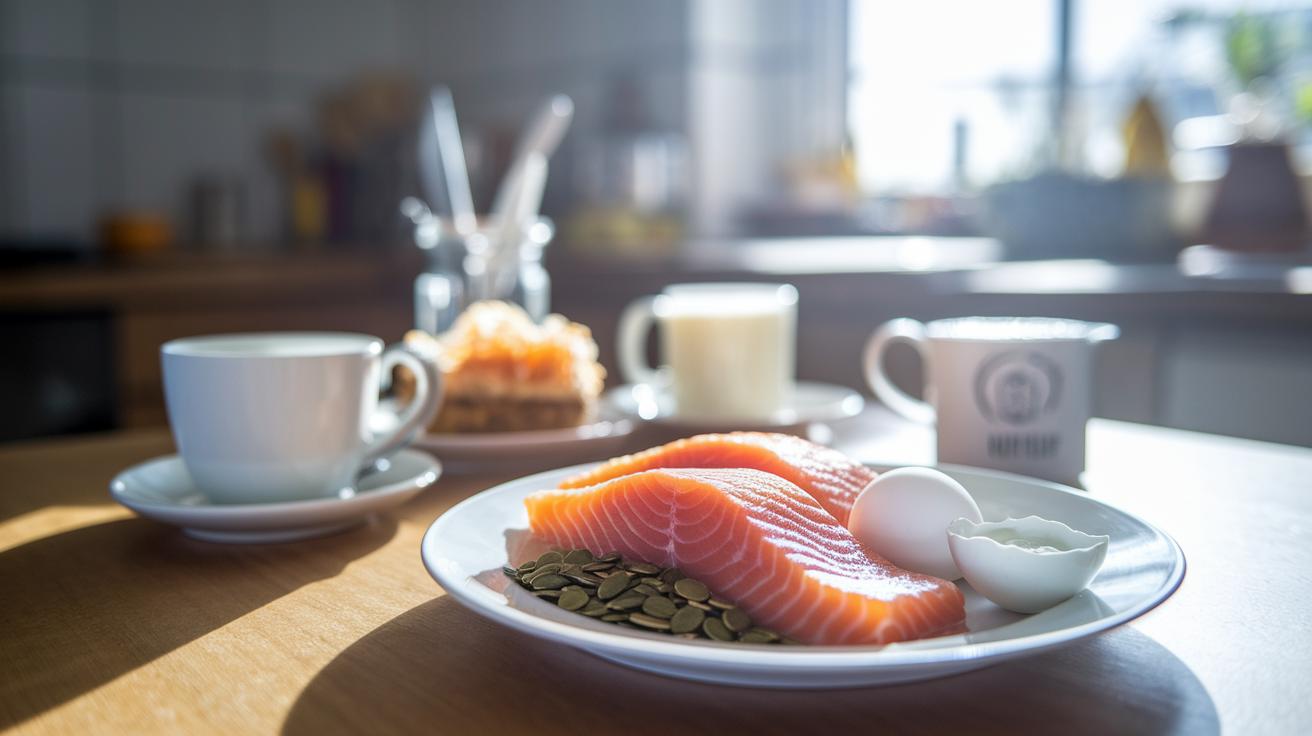
The nutrients in what you eat have a big impact on your brain. They help your cells talk to each other and keep your hormones in balance , both of which can help reduce anxiety. For instance, omega-3 fats from fish like salmon help keep your cell walls flexible and support the brain's message carriers. Eggs come with tryptophan, which turns into serotonin (the feel-good chemical) to help improve your mood. Pumpkin seeds offer magnesium, a mineral that works with your body’s receptors to keep stress hormones in check, making stress hit you a little less hard.
Fermented foods, like yogurt and sauerkraut, bring probiotics that can boost communication between your gut and brain, helping you feel less anxious through better digestion. Dark chocolate is packed with antioxidants that may combat the effects of stress on your body. Meanwhile, leafy greens and beans are rich in B vitamins, which help create serotonin and dopamine, chemicals that calm and uplift you. All together, these nutrients work with your brain and stress hormones to give you a steadier mood and a greater sense of calm.
| Nutrient | Food Source | Anxiety Mechanism |
|---|---|---|
| Omega-3 | Fatty fish | Helps keep cell walls flexible and supports brain messengers |
| Tryptophan | Eggs | Turns into serotonin for mood regulation |
| Magnesium | Pumpkin seeds | Supports receptors to help manage stress hormones |
| Probiotics | Fermented foods | Boosts gut-brain communication for balanced digestion |
| Antioxidants | Dark chocolate | Helps fight oxidative stress linked to anxiety |
Anxiety Reduction Foods in Everyday Meal Planning
Begin your day with a breakfast that lifts your mood. Try making overnight oats by mixing ½ cup (120 ml) oats, 1 tablespoon chopped walnuts, and ½ cup (120 ml) almond milk. In the morning, add ¼ cup berries and a light drizzle of honey. For a refreshing twist, blend 1 cup kefir with a ripe banana, ½ cup spinach, and 1 teaspoon flaxseeds. These portions set a clear structure for your morning, and the omega-3 fats and probiotics (good bacteria) in these foods may help keep your mood balanced.
At lunch or dinner, mix up your routine with familiar ingredients presented in new ways. Build a power bowl by layering 1 cup mixed greens, 3–4 oz (85–113 g) grilled salmon marinated in lemon and garlic (marinated for about 20 minutes), ¼ of a sliced avocado, and ½ cup roasted asparagus drizzled with 1 teaspoon olive oil. Another option is a salad of spinach combined with diced grilled chicken, avocado chunks, and a handful of walnuts. This variety keeps meals interesting and provides balanced nutrition; lean proteins paired with colorful veggies may help sustain calm energy levels throughout your day.
End your day with a soothing drink. Brew a cup of chamomile tea and add a cinnamon stick while it steeps for an extra minute to bring out a gentle warmth and extra flavor. Enjoy it alongside a small square (about 10 g) of dark chocolate (70% cacao or higher) for a little treat. These thoughtful choices keep added sugars low while offering a simple way to relax.
anxiety reduction foods Boost Calm and Joy

Taking time with each bite turns your meal into a little escape from stress. Chew slowly and pay attention to each flavor and texture. This small act helps your body relax and calms stress. Try taking a few deep breaths before you start eating to help lower stress hormones.
Listen to your body and stop when you feel full. This simple step can help prevent overeating and keep your blood sugar steady. Picture enjoying a spoonful of chamomile-infused yogurt, noticing its gentle, soothing taste, moments like these really add up.
Drinking enough water also supports mindful eating. Aim for about 8 glasses (roughly 2 liters) a day to help your body function well. Sipping water between bites keeps you connected to how you feel. When you focus on your food and stay hydrated, your digestion improves and your day feels calmer.
Crafting a Stress Lowering Diet with Anxiety Reduction Foods
When choosing foods to ease stress, go for those that help balance your hormones. Eating whole, minimally processed foods full of fiber and vital nutrients can help keep cortisol (your stress hormone) in check. For example, a meal that includes leafy greens and a handful of nuts can give your body and mind the steady fuel they need. One small study even found that daily servings of spinach and walnuts helped people enjoy more stable moods.
Keeping a regular eating schedule also supports balanced cortisol levels. Research shows that consistent meal times can lead to steady energy throughout your day and a smoother stress response. Try tracking your meals for a few days to spot any energy dips, then adjust your routine as needed.
Focus on pairing complex carbohydrates with lean proteins, while cutting back on high-sugar snacks, caffeine, and alcohol that might heighten anxiety. Studies suggest that balanced meals, like brown rice or quinoa paired with turkey or beans, can help curb cortisol spikes. So next time you hit a mid-afternoon slump, consider trying a mix of quinoa and black beans to keep your energy up.
Safety and Professional Guidance for Using Anxiety Reduction Foods

Before you add new anxiety-reducing foods to your diet, remember that everyone is unique. If you have conditions like generalized anxiety or digestive issues such as IBS (irritable bowel syndrome), you might need a special approach to meals. Always check with your doctor if your symptoms continue for more than two weeks. These food choices should support your treatment, not replace any medical advice or therapy you're already following. Also, keep an eye on any allergies or food sensitivities because they may make anxiety worse.
Tweaking your diet can be a helpful part of managing anxiety day by day. Some foods might act like natural mood boosters, but their effects can vary from person to person. It’s best to work with a healthcare professional when adding these foods to your plan, especially if you’re already on medication or therapy. Listen to your body and note any changes. Sharing these observations with your provider can help you adjust your plan to stay calm and safe throughout the day.
Final Words
In the action, you’ve seen how anxiety reduction foods like fatty fish, avocados, and chamomile tea can support mood and ease stress. The article covered nutrient roles, simple meal plans, mindful eating, and safety tips for a stress-lowering diet.
These easy habits can make a real difference in your day. Enjoy mixing these options into your meals and routines. Small steps add up to big wins, and incorporating anxiety reduction foods brings you closer to feeling your best.