
Ever wonder if your workout is really working for you? A heart rate tracker is like having a friendly coach on your wrist. It shows your pulse live, so you know when to push a bit harder or take a break. It also keeps an eye on your daily activity, sleep, and recovery. This helps you tweak your routine with confidence. In this post, we explain how this little gadget can support your exercise goals and boost your overall wellness.
heart rate fitness tracker: Elevate Your Exercise
A heart rate fitness tracker shows your pulse in real-time, tracks your heart rate variability (a measure of how your heart responds to stress), and gives zone alerts to keep you in the right workout range. It’s like having a friendly coach on your wrist. The tracker helps guide your workout so you know when to push a bit harder or take it easy.
These devices also track your daily activity, sleep patterns, and recovery. This makes them helpful whether you’re just starting out or already an athlete. They come in many styles, from simple bands for everyday use to advanced sensors for serious training. Small adjustments during your workout, like tweaking your pace or intensity, can make a big difference over time.
The tracker's accuracy is usually around ±2 beats per minute, which means you get reliable numbers for your workout. Research on more than 50 similar devices shows that an accurate pulse reading not only helps with interval training but also keeps track of your steps and distance. This precision matters when you’re trying to meet your training goals and stay healthy.
Whether you want to boost your performance or simply improve your overall wellness, a heart rate tracker gives you the insights to adjust your workout intensity and manage recovery effectively. Real-time feedback might be the key to ensuring your workout is safe and productive, helping you avoid overexertion while making each move count.
Key Technical Specifications for Heart Rate Fitness Tracker Performance
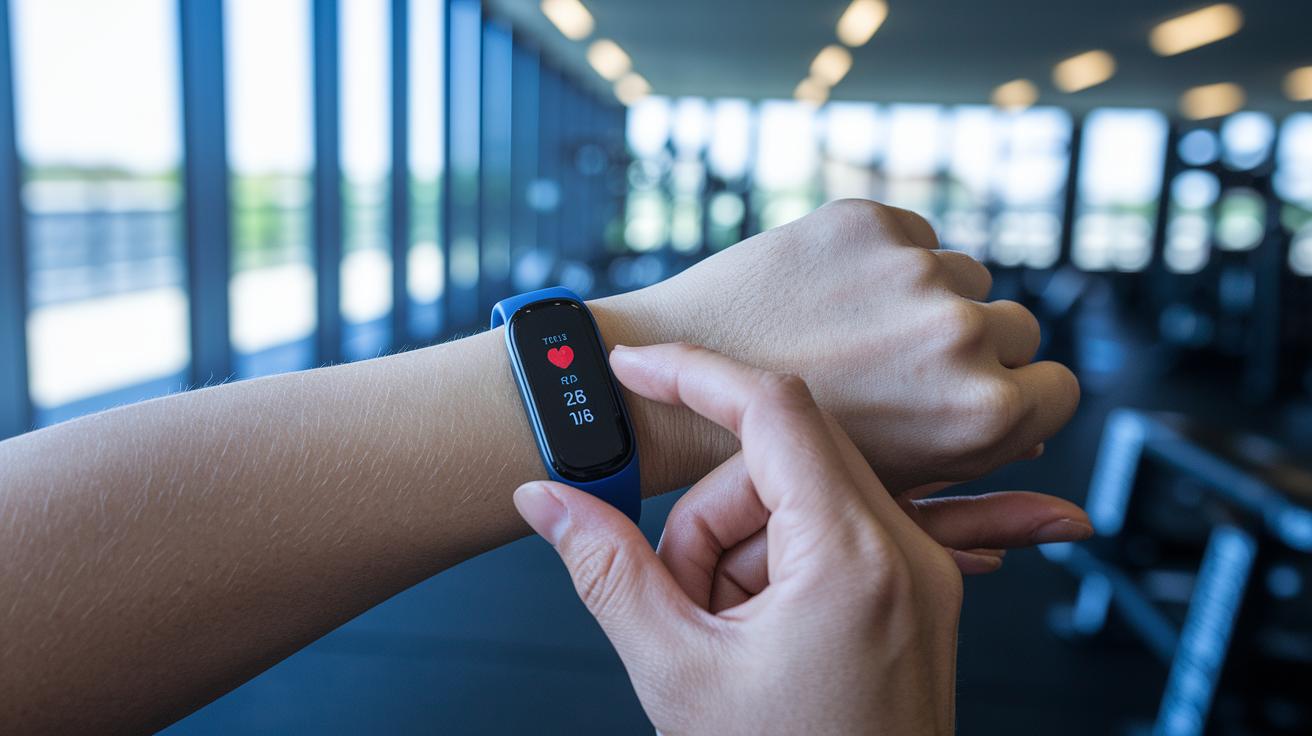
When choosing a tracker, battery life is a big deal. Some gadgets, like the Amazfit Helio Strap, can go for up to 10 days on one charge. Others, such as the Whoop 5.0, can last about 14 days. But if you prefer a smartwatch style, the Apple Watch SE (2nd gen) typically runs for about 18 hours.
Accuracy is equally important. For instance, chest straps like the Polar H10 keep their readings within ±1–2 beats per minute. Many devices also keep step counts very close to actual steps, which you can trust.
Connectivity matters too. Most trackers use Bluetooth and ANT+ (a wireless connection method) to send data in real time to your favorite apps. This can help fine-tune your workouts and track your progress.
Below is an HTML table that sums up these key specs:
| Feature | Benchmark | Example Device |
|---|---|---|
| Battery Life | 10 days to 14 days; 18 hours in smartwatches | Amazfit Helio Strap, Whoop 5.0, Apple Watch SE |
| Accuracy | ±1–2 bpm | Polar H10 |
| Connectivity | Bluetooth & ANT+ | Garmin devices |
| Step Count Error | Minimal deviation | General use trackers |
These details help you pick the right wearable so you can monitor your exercise performance accurately and efficiently.
Top Heart Rate Fitness Tracker Models Reviewed
We picked these trackers by looking at three key features: accuracy, comfort, and battery life. Each device gives you real-time heart rate and HRV (heart rate variability, or how well your heart recovers) readings, plus workout tips and other handy features to boost your routine. Below, we break down the pros and cons of each model so you can find one that fits your style.
Fitbit Inspire 3
The Fitbit Inspire 3 gives you clear heart rate and HRV readings so you can keep track of your workout effort and recovery. Its design is comfy enough for all-day wear, even during long exercise sessions. One thing to note is its silicone band with a plastic buckle, which some users say can be a bit tricky to adjust when you’re on the move.
Fitbit Charge 6
The Fitbit Charge 6 comes with built-in GPS and handy Google features to help you track outdoor workouts. It accurately shows your heart rate zones and daily activity levels. A few users have mentioned that it sometimes loses connection, which could interrupt data syncing during your workout.
Apple Watch SE (2nd Gen)
The Apple Watch SE (2nd Gen) offers clear heart rate readings and lets you take calls and send messages, making it a good choice for Apple users. Its battery lasts around 18 hours, which is great for a busy day. However, if you need a tracker that stays charged for longer periods, other models might suit you better.
Whoop 5.0
Whoop 5.0 is well-regarded for its continuous tracking of strain and recovery. Its battery can last up to 14 days, making it ideal for extended monitoring. Just keep in mind that it requires a subscription for ongoing data analysis, which might be a concern if you’re on a budget.
Amazfit Helio Strap
The Amazfit Helio Strap is a more affordable option, typically around $100, with a battery life of 10 days and no extra subscription needed. It provides solid heart rate tracking and basic activity summaries, though it may not offer some of the advanced features found in pricier models.
Comparing Chest Straps and Wrist-Based Heart Rate Fitness Trackers
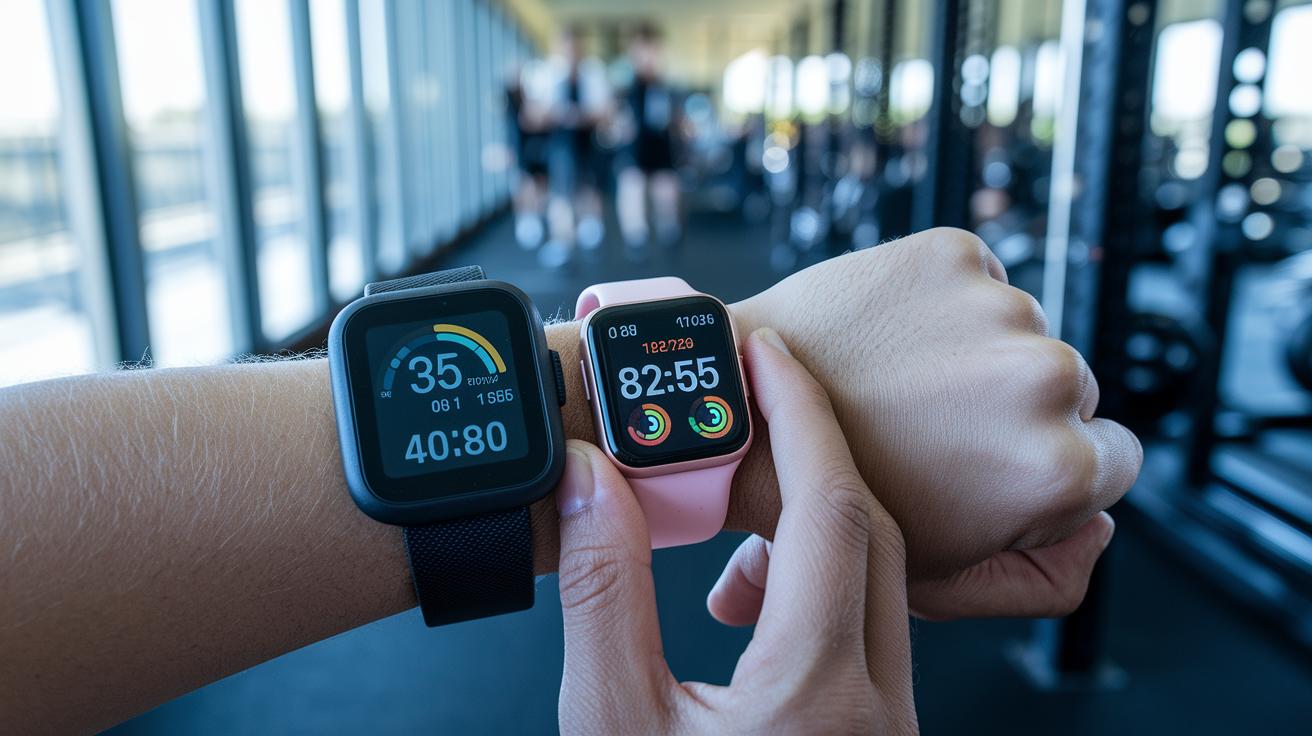
If you’re focused on ultra-accurate heart rate data for tough workouts, a chest strap might be the way to go. Devices like the Garmin HRM-Pro Plus and Polar H10 are trusted for being accurate within about 1 beat per minute. They work best for high-intensity or interval workouts where every beat matters.
Wrist-based trackers, such as the Garmin Fenix 8 Elevate Gen 5 and Apple Watch Series 10, are great if you want something that’s easy to wear all day. They use smart algorithms to give you real-time feedback and generally do a solid job, even if they occasionally show a slightly higher peak heart rate. They’re versatile enough for both exercise and everyday activities.
In the end, your choice comes down to what matters most to you. If you need the most precise readings during intense sessions, a chest strap is your best bet. But if you’re looking for convenience and additional wellness features that fit into your daily routine, a wrist-based tracker may be the perfect match.
Usage Tips for Maximizing Heart Rate Fitness Tracker Accuracy
Wear your tracker snugly during your workouts so it can easily pick up your pulse. After you finish exercising, gently wipe the sensor area with a soft cloth to remove any sweat or dirt. Give yourself a five-minute warm-up before you start high-intensity activities. Every once in a while, compare your tracker with a chest strap to check its accuracy.
Keep your tracker in top shape by cleaning the band frequently and making sure it isn’t too loose. Matching your device’s readings with a chest strap now and then can help it perform better. And don’t forget to install firmware updates from the companion app to keep your tracker working at its best.
Integrating Your Heart Rate Fitness Tracker with Apps and Data Platforms
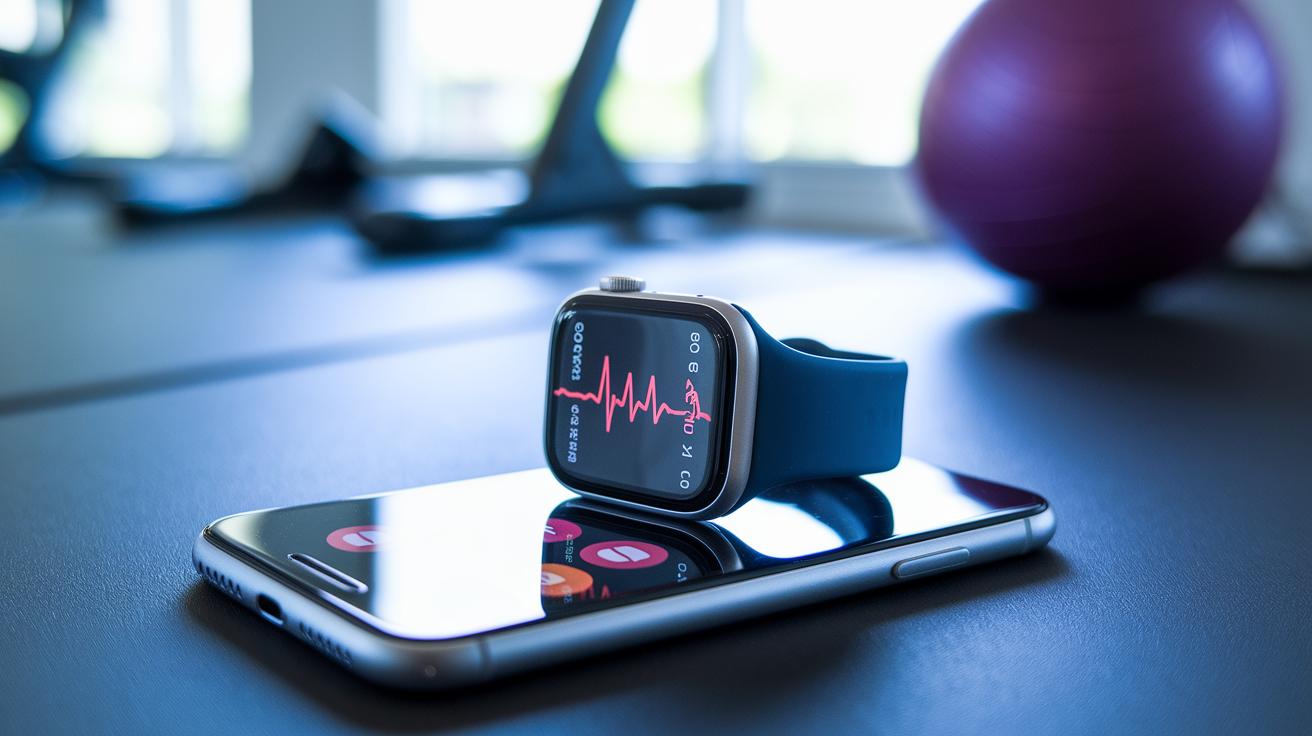
When you connect your heart rate tracker with its app, you open up a world of useful workout insights. Your device easily links to popular platforms like Fitbit App, Garmin Connect, and Apple Health. You can also use third-party apps such as Strava to get a closer look at your data. For instance, the Charge 6 syncs workouts smoothly on Android with Google features, while the Apple Watch sends ECG readings and alerts via Apple Health. Your smartphone shows real-time pulse readings and keeps track of past trends on trusted health tracking apps (learn more at https://bezenn.com?p=), making it simple to manage your fitness.
Next, check your dashboard metrics to fine-tune your training. Reviewing past workouts can reveal patterns in your heart rate, helping you pinpoint the best intervals and appropriate rest times. This digital analyzer makes it easy to adjust your workout pace based on real numbers. Whether you use iOS or Android, these integrations create personalized plans that boost your performance and support safe exercise.
By regularly checking both live and historical data, you gain a clear picture of how your body responds to activity. These insights help you make smart adjustments, so you can get the most out of every workout.
Final Words
In the action, we covered how a heart rate fitness tracker offers real-time pulse displays, HRV insights, and efficient workout zone training. We broke down specs like battery life, accuracy standards, and device comparisons.
We also shared handy usage tips for better sensor contact along with advice on syncing the data with top health apps. Small, informed steps can boost your workouts and overall well-being. Embrace these tips and see how this heart rate fitness tracker can help you stay active and aware every day.
FAQ
Heart rate fitness tracker app
A heart rate fitness tracker app monitors your pulse, logs workouts, and delivers real-time insights. It syncs with your phone to help you keep track of exercise performance and overall health.
Best heart rate fitness tracker & What is the best fitness heart rate tracker?
The best fitness heart rate tracker blends accuracy, comfort, and detailed insights. Top models like Fitbit Inspire 3, Fitbit Charge 6, and Apple Watch SE consistently earn high marks for these reasons.
Women’s heart rate fitness tracker
A women’s heart rate fitness tracker features design and functionality that cater to style and tailored wellness. It often includes comfort-focused bands and tracking tools that support overall female health management.
Heart rate fitness tracker reviews
Heart rate fitness tracker reviews cover aspects like measurement accuracy, battery life, and connectivity. They offer useful comparisons to help you choose a device that fits your exercise and health monitoring needs.
Heart rate fitness tracker on Apple Watch
The Apple Watch tracks heart rate using advanced sensors for real-time accuracy. It integrates with Apple Health to display detailed metrics, making it a solid choice for users needing comprehensive data.
Heart rate fitness tracker on Amazon
When shopping for a heart rate fitness tracker on Amazon, consider detailed reviews, feature lists, and battery performance. This helps you find a device that meets your goals and provides reliable insights.
WHOOP fitness tracker
The WHOOP fitness tracker continuously monitors heart rate and recovery metrics using advanced sensors. It offers in-depth strain analysis over a 14-day battery cycle with data accessible through a subscription service.
Best heart rate monitor watch for heart patients
A heart rate monitor watch suited for heart patients emphasizes continuous, precise tracking and comfort. Some models, like select Fitbit devices, offer real-time insights that many find reassuring when approved by a doctor.
Is a heart rate of 170 ok when exercising?
A heart rate of 170 during exercise can be normal for some, depending on age and fitness level. It’s wise to chat with your doctor to confirm that this target fits your personal health profile.
Is Apple Watch or Fitbit better for heart rate tracking?
Both Apple Watch and Fitbit offer accurate heart rate tracking. Apple delivers rich health metrics with a smooth interface, while Fitbit emphasizes ease of use and longer battery life, so your choice depends on your needs.
Do fitness trackers track heart rate?
Fitness trackers consistently monitor heart rate throughout your day using built-in sensors. They provide feedback on exercise intensity and overall health, making them a handy tool for active lifestyles.
What are the key features of the Fitbit Charge 6 Fitness Tracker?
The Fitbit Charge 6 offers built-in GPS, heart rate tracking, and Google integration. Its smart design delivers daily health insights, though some users note occasional connectivity issues.
What does the Amazfit Active 2 provide for heart rate tracking?
The Amazfit Active 2 features a reliable built-in sensor for accurate heart rate monitoring and activity tracking. It combines affordability with essential fitness data for everyday use.
What makes the Fitbit Sense 2 Advanced Health Smartwatch stand out?
The Fitbit Sense 2 excels with advanced health metrics that include heart rate, heart rate variability (HRV), and stress tracking. Its comprehensive sensors offer a robust picture of your overall well-being.
What are the primary benefits of the Fitbit Inspire 3 Health Fitness Tracker?
The Fitbit Inspire 3 delivers reliable heart rate and activity monitoring with a comfortable design. It offers straightforward, actionable insights for daily fitness tracking in an easy-to-use format.
How does the Fitbit Versa 4 Fitness Smartwatch perform for heart rate tracking?
The Fitbit Versa 4 combines sleek aesthetics with accurate heart rate monitoring and smart connectivity. It balances everyday usability with comprehensive fitness tracking features for a versatile experience.
What does the Fitbit Charge 5 Advanced Fitness Health Tracker offer?
The Fitbit Charge 5 features advanced heart rate tracking, built-in GPS, and stress management tools. It provides detailed metrics to help optimize workouts and maintain overall health.