Ever noticed that expensive beauty treatments don't always deliver the results you're hoping for? It turns out that what you eat can make a big difference in keeping your skin firm and your joints strong.
As we get older, our bodies naturally produce less collagen (the protein that keeps our skin and joints healthy). Instead of spending a fortune on treatments, try boosting your collagen with whole foods like bone broth, egg whites, and leafy greens.
By making simple, everyday food choices, you can help support your body's collagen production and feel your best day by day.
Comprehensive Whole Foods List to Support Collagen Production
Collagen makes up about 30% of the protein in your body. It helps keep your skin bouncy, your joints firm, and your muscles strong. As you get older, your body makes less collagen. Adding certain whole foods to your meals can help boost your natural collagen production.
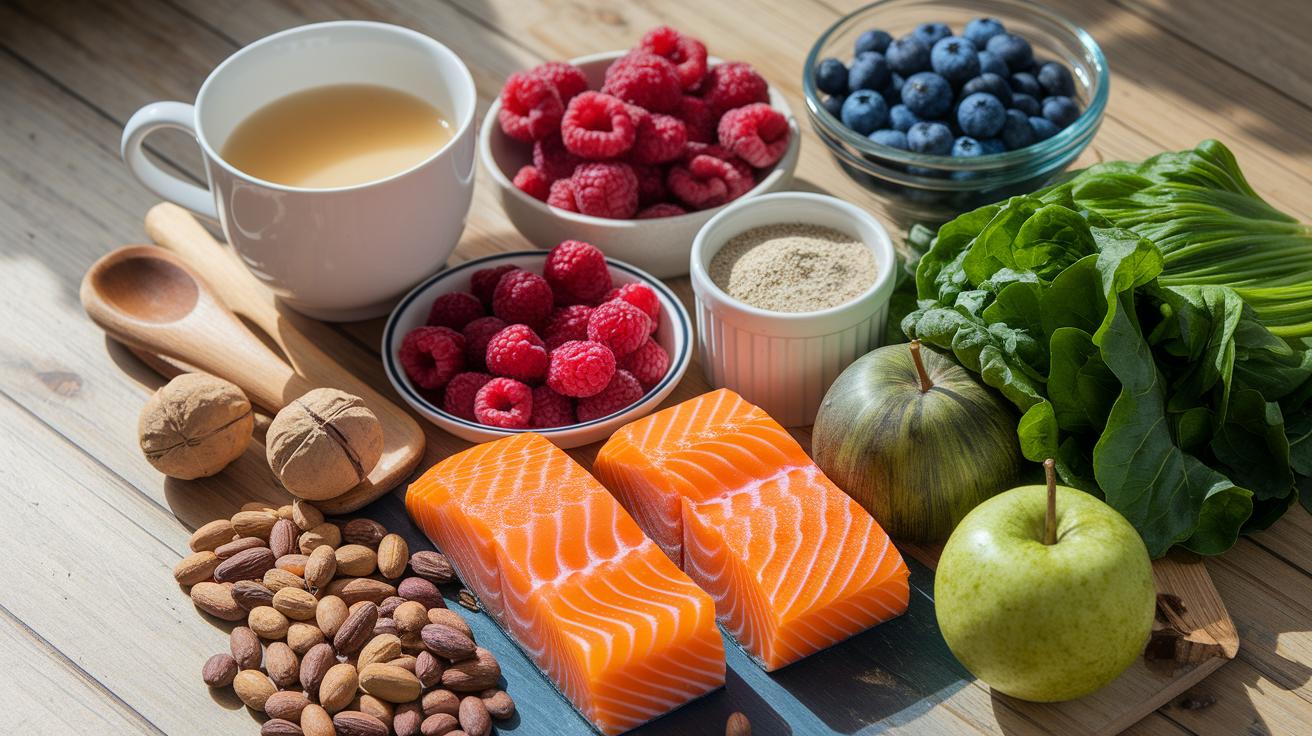
Bone broth is a top pick. It’s rich in gelatin and amino acids like glycine, proline, and hydroxyproline that help support your skin and joints. Chicken skin and bones add extra collagen peptides, which are small pieces of protein that keep your skin and joints healthy. Salmon, especially when you eat the skin too, supplies collagen peptides and omega fats that help repair your skin. Even shellfish like shrimp and oysters offer minerals such as copper and zinc, both vital for making stronger collagen fibers.
Egg whites are another great choice. They supply proline, an amino acid that is key for creating collagen. Leafy greens like spinach, kale, and Swiss chard provide vitamins A and C along with chlorophyll, which helps maintain strong, healthy skin. Nuts and seeds, including almonds, cashews, and pumpkin seeds, deliver healthy fats and minerals like magnesium and zinc to support tissue repair. Tomatoes offer lycopene, a powerful antioxidant that helps protect the collagen you already have.
Incorporate these whole foods into your daily diet to give your body's collagen production a boost and help keep your skin and tissues healthy for the long run.
Key Whole-Food Nutrients for Collagen Synthesis
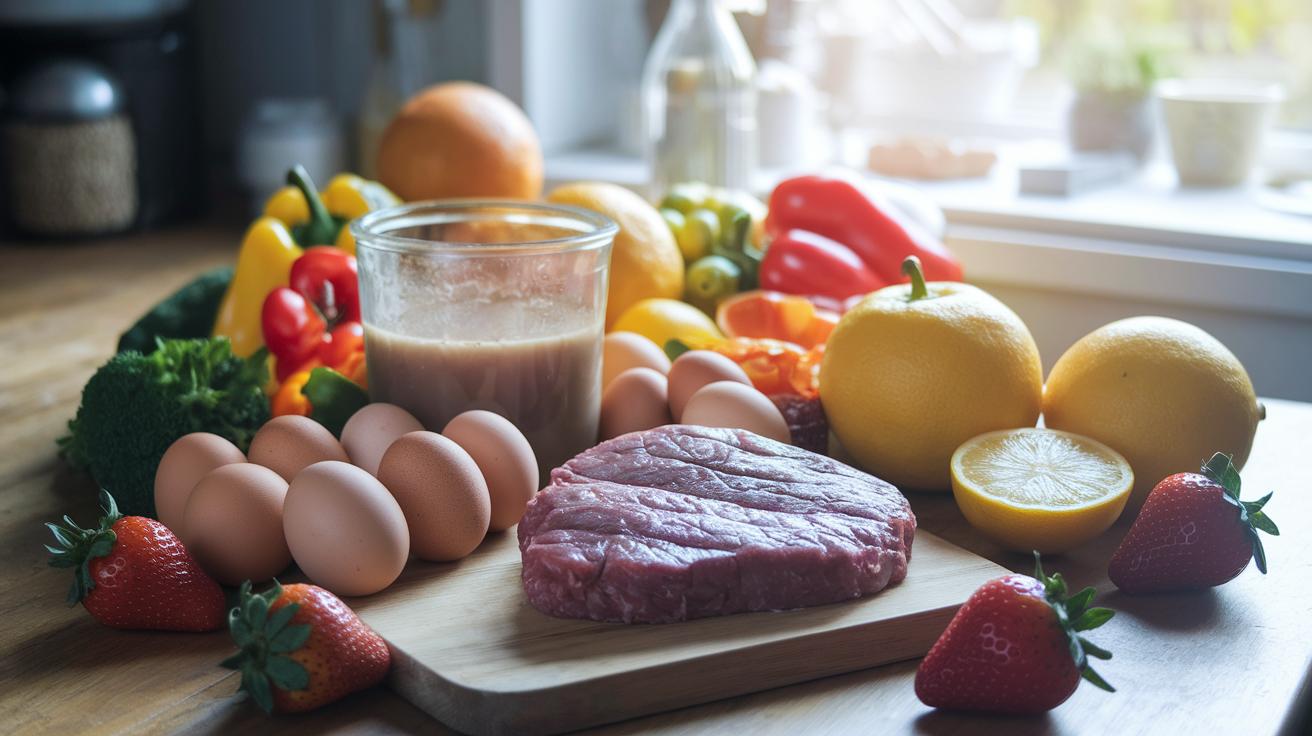
Collagen builds your skin, joints, and tissues, and it needs a few special nutrients to do its job well. Foods packed with protein, like egg whites, bone broth, and lean meats, deliver amino acids such as glycine, proline, and hydroxyproline. These are the basic pieces your body uses to create fresh, strong collagen.
Vitamin C is another big helper. It keeps collagen’s structure stable and strong. You can find plenty of vitamin C in citrus fruits, strawberries, and bell peppers. Adding these foods to your snacks or meals can give your collagen a real boost.
Copper also plays a key role by linking collagen fibers together. Foods like shellfish and nuts supply copper, which helps strengthen the overall tissue.
Antioxidants from colorful fruits and vegetables protect collagen by fighting off harmful molecules called free radicals. For instance, tomatoes offer lycopene, and leafy greens bring vitamins A and C. These antioxidants help preserve the collagen you already have.
You can easily include these nutrients in your meals. Try a citrus salad with a handful of nuts or a berry smoothie to support collagen health.
Next time you prepare breakfast, consider adding egg whites to your omelet. It’s a simple step that can boost proline levels and set a collagen-friendly tone for your day.
Collagen-Boosting Meal Ideas Using Whole Foods
Start your morning with a boost for your skin and joints. Try a spinach and berry smoothie that packs vitamin C from the berries. The fresh spinach adds chlorophyll, and a spoonful of yogurt gives you glycine (a key building block for collagen). This tasty drink is a bright start to your day.
At lunchtime, enjoy a warm bowl of soup made with bone broth, vegetables, and chicken. The broth slowly simmers to release gelatin (a source of collagen peptides), plus essential amino acids and minerals. Toss in your favorite veggies and tender chicken for a meal that helps keep your skin and joints strong.
For dinner, keep it light and restorative with a grilled salmon salad. Fresh mixed greens deliver vitamin C and fiber, while the salmon, rich in collagen peptides, omega-3 fats, and zinc, supports tissue repair. If you’re curious for more healthy meal ideas, check out other quick and nutritious recipes.
| Meal | Key Collagen-Boosting Ingredients | Primary Benefit |
|---|---|---|
| Spinach & Berry Smoothie | Vitamin C, Chlorophyll, Glycine | Jumpstarts collagen production |
| Bone Broth Vegetable Chicken Soup | Gelatin, Amino Acids, Minerals | Supports skin and joint strength |
| Grilled Salmon Salad | Collagen Peptides, Omega-3, Zinc | Helps repair tissue and boost firmness |
Whole-Food Snacks and Smoothie Blends for Collagen

Boost your collagen with easy, on-the-go snacks. Try a small handful of almonds and pumpkin seeds. These snacks deliver important minerals like magnesium, zinc, and copper that help your body make collagen and keep your skin strong.
Next, try a simple caprese bite by pairing juicy cherry tomatoes with mozzarella. The tomatoes bring vitamin C and lycopene (a natural substance that supports collagen), while the mozzarella adds protein to keep you satisfied.
For a refreshing smoothie, blend some citrus fruits and berries with kale and almond milk. This mix gives you proline (a key building block of collagen), vitamin C, chlorophyll, and antioxidants. The bright citrus flavor makes the smoothie both tasty and helpful for supporting tissue repair.
These whole-food snacks and smoothies are quick to prepare and perfect for supporting collagen health between meals. Enjoy these easy ideas to help keep your skin looking its best!
Diet Strategies to Support Collagen Production
To boost collagen production, start with healthy eating habits that mix hydration, timely meals, and a variety of foods. Drinking enough water helps move the nutrients your body needs to make collagen. Try having a glass of water before every meal to help your body absorb those nutrients.
Combine vitamin C sources, like oranges or berries, with protein such as egg whites or lean meats. This pairing lets your body get the essential building blocks (amino acids) to form new collagen. For example, a good mid-morning snack could be an orange paired with a small serving of cottage cheese.
Switching between animal and plant foods gives you a broad range of amino acids, minerals, and antioxidants. Consider adding bone broth, salmon with skin, leafy greens, nuts, and seeds to your regular meals. This varied approach can help slow collagen loss with age and support tissue repair.
Plan your meals around balanced nutrients and plenty of water. Keeping a routine with collagen-supportive foods and proper hydration can benefit your skin, joints, and overall tissue health.
Final Words
In the action, this article walked you through mindful whole-food selections that boost the body’s natural collagen production. It covered meal ideas, nutrient tips, and snack options that help maintain skin, joints, and overall strength. We explored ingredients like salmon, leafy greens, eggs, and nuts, showing how to pair proteins, vitamins, and minerals effectively. Embrace these foods that support collagen production (whole-food approach) to enhance your daily wellbeing. Every small step supports a healthier, more vibrant you.
FAQ
Q: What are some vegetarian collagen-rich foods for skin health?
A: The term vegetarian collagen-rich foods means focusing on nutrients that boost collagen. Foods like leafy greens, citrus fruits, berries, nuts, and seeds support collagen production and enhance skin strength.
Q: How can I restore collagen in the face naturally?
A: Restoring facial collagen naturally involves eating foods high in vitamin C, antioxidants, and protein. Pair fruits, vegetables, and plant-based proteins to support collagen repair and maintain a youthful skin appearance.
Q: What are some collagen-rich food options with anti-aging benefits?
A: Collagen support comes from whole food choices such as bone broth, fish, egg whites, leafy greens, tomatoes, nuts, and seeds. These options provide amino acids, vitamins, and antioxidants known to help slow aging effects.
Q: How can I make collagen at home or get it from whole foods?
A: You can boost collagen by preparing bone broth or incorporating robust recipes using ingredients like chicken skin, fish, and egg whites. These whole-food recipes naturally provide collagen peptides and supporting nutrients.
Q: How can I stimulate skin collagen production and rebuild collagen fast?
A: Stimulating collagen production includes pairing vitamin C-rich foods with protein sources, staying hydrated, and enjoying antioxidant-packed fruits and vegetables that help strengthen collagen synthesis for skin repair.
Q: What food is highest in collagen?
A: Bone broth is one of the richest sources of collagen. It contains gelatin and key amino acids like glycine, proline, and hydroxyproline that are essential for rebuilding and maintaining collagen levels.